
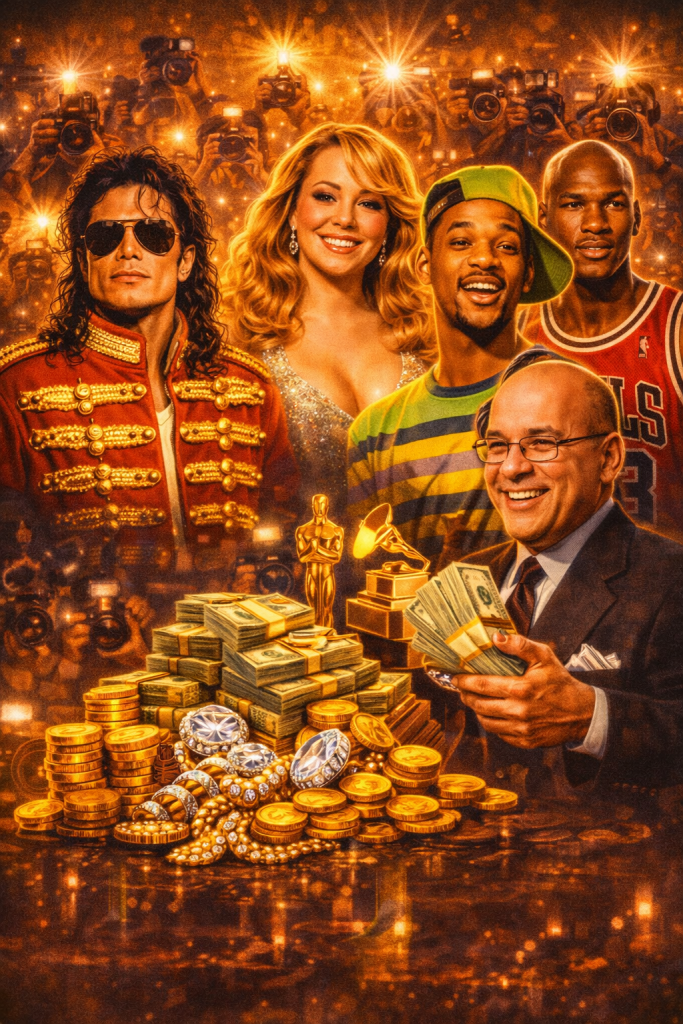
Here’s a number that should keep you up at night: the 90s music industry generated roughly $40 billion in global recorded music revenue during the decade. The artists responsible for those sales? Many of them walked away with pennies on the dollar. Some walked away with nothing at all.
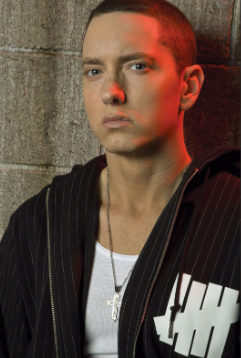
This isn’t a nostalgia piece. This is a financial autopsy of the decade that built the modern celebrity economy, then handed the bill to the people who created it. From Eminem’s trailer park origins to TLC’s bankruptcy filing at peak fame, the pattern is consistent enough to look structural. Because it was.
The Machine’s Economics Were Designed to Extract
Standard 90s recording contracts gave artists between 7% and 12% of retail album sales. That sounds reasonable until you learn the math. Labels deducted recording costs, video production, tour support, promotion, packaging allowances, and “breakage fees,” a holdover from the vinyl era that persisted through the CD boom like a financial ghost nobody wanted to exorcise. After recoupment, most artists received less than $1 per album sold. Some received nothing.
TLC sold 14 million copies of CrazySexyCool. According to The Los Angeles Times, the group received approximately 1% of the $175 million in album revenue generated. Each member took home less than $50,000 a year. At the 1996 Grammys, Chilli stepped to the microphone and said what the entire industry was thinking: “We’re as broke as broke can be.”
The Roster of Financial Wreckage
TLC wasn’t an outlier. They were the rule with better PR. Consider the damage across the decade’s biggest names. Tupac Shakur sold $60 million worth of albums in 1996 alone. When he died that September, a forensic lawyer discovered he had no real estate, no retirement accounts, no stocks, and a checking account with $105,000 in it. He was technically $4.9 million in debt to Death Row Records.
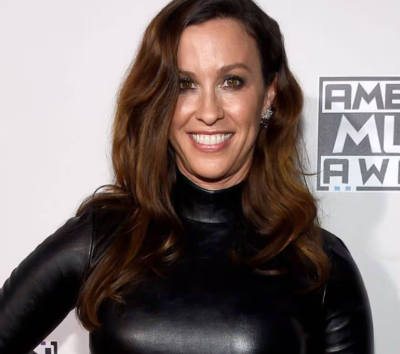
Alanis Morissette sold 33 million copies of Jagged Little Pill. Then her business manager Jonathan Schwartz embezzled over $5 million from her over seven years. He was sentenced to six years in federal prison. The vulnerability wasn’t random. It was created by a system that told artists to focus on art while someone else handled the money.
NSYNC generated an estimated $1 billion in revenue between 1996 and 2002. The members sued their manager Lou Pearlman for fraud and misrepresentation. Pearlman, who later went to federal prison for running one of the largest Ponzi schemes in American history, had structured contracts that left the five members splitting a fraction of their own earnings.
Why the Smart Money Survived
Not every 90s icon got crushed. The ones who survived, and eventually thrived, share a common trait: they seized ownership. Jay-Z co-founded Roc-A-Fella Records specifically to avoid the standard deal. Dr. Dre built Aftermath Entertainment. Beyonce fired her father-manager and built an institution around self-governance. The gap between the survivors and the cautionary tales isn’t talent. It’s leverage.
According to Harvard Business Review, the fundamental asymmetry in entertainment contracts mirrors patterns in other extractive industries. Young talent signs long-term agreements with sophisticated counterparties who understand compound value better than the artists do. The 90s version of this dynamic was particularly brutal because the CD boom created a goldmine, and labels had zero incentive to share.
The Reckoning That’s Still Happening
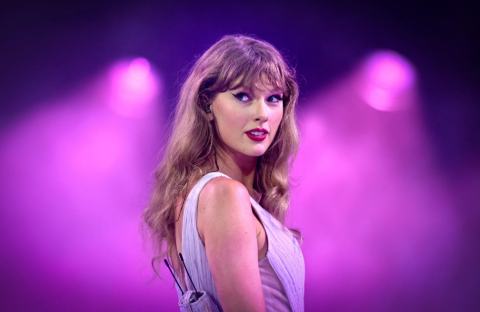
Taylor Swift re-recording her albums. Britney Spears selling her catalog for $200 million. These aren’t new stories. They’re the final chapters of a war that started in the 90s, fought by artists who finally have the leverage their predecessors never did.
The survivors in this batch, Eminem, Tupac’s estate, Alanis, TLC, all paid for knowledge the hard way. Their stories aren’t just entertainment. They’re case studies in what happens when talent meets a system designed to monetize it without sharing the returns. For anyone managing wealth, advising family offices, or structuring deals of any kind, the parallels are impossible to ignore.
The 90s didn’t just create fame. It industrialized it. And the price tag landed squarely on the people who made the music.
Want to feature your brand alongside stories like this? Contact Social Life Magazine about partnership opportunities. Join us at Polo Hamptons this summer. Subscribe to the print edition or join our email list for exclusive content. Support independent luxury journalism with a $5 contribution.
Author

Written by
Recent Posts
Get Panama Residency in 30 Days — A Simple Look at Mercan’s Easy Program Process
How to Choose a Stay for a Multigenerational Resort Trip
How Family Property Disputes Can Affect Relationships and Long-Term Plans

Choosing a Reformer for the Life You Already Have

Artful Living: Unique Gifts With A Creative Edge
Categories
- Art
- Articles
- Business of Luxury
- Celebrities
- Culture
- Entertainment
- Events
- Faces of Summer 2026
- Fashion
- Fashion & Style
- Featured
- Finance
- Food, Spirits, Wine
- Hamptons
- Hamptons Celebrities
- Health
- Health & Beauty
- Lifestyle
- Luxury Lifestyle
- Press
- Profiles
- Real Estate
- Technology
- The Chronicles
- Travel
- Uncategorized
- Weddings