
In the Hamptons, where taste is currency, the most sophisticated calling card isn’t a business card — it’s a book.
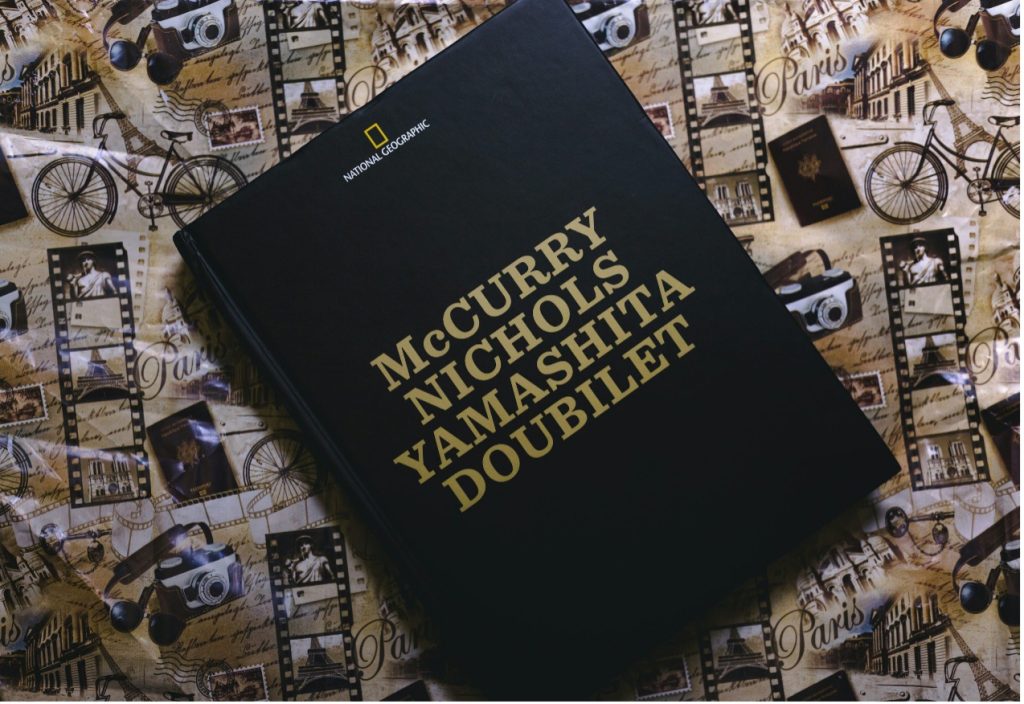
A Familiar Object, Reimagined
Walk into any East Hampton gallery opening or Sagaponack estate, and you’ll likely spot one: a beautifully bound volume resting on a marble surface, its cover whispering wealth before a single page is turned. The coffee table book has quietly evolved from decorative accent into one of the most powerful branding tools in the luxury market.
It’s a shift that designers, gallerists, and high-end real estate firms are taking seriously. In an era of scroll fatigue, where digital impressions vanish in seconds, a premium printed book lingers. It is touched, revisited, shown to guests. It occupies physical space in a home — and in a client’s memory.
Why the Luxury Set Is Taking Notice
“A beautifully produced book says something about your standards before the conversation even starts,” notes one interior designer who recently commissioned a hardcover portfolio for a high-end residential firm. “Clients see it and they immediately understand the level of work we do.”
The appeal is particularly strong in industries where aesthetics are the product — fashion houses, wellness brands, architecture studios, fine art dealers. For these businesses, a coffee table book isn’t vanity; it’s strategy. It extends the brand experience beyond the screen, turning a catalog into a collectible. As PRINT Magazine recently observed, smart brands are returning to print not as a nostalgic throwback, but as a deliberate move to stand out and regain trust in a world of digital noise.
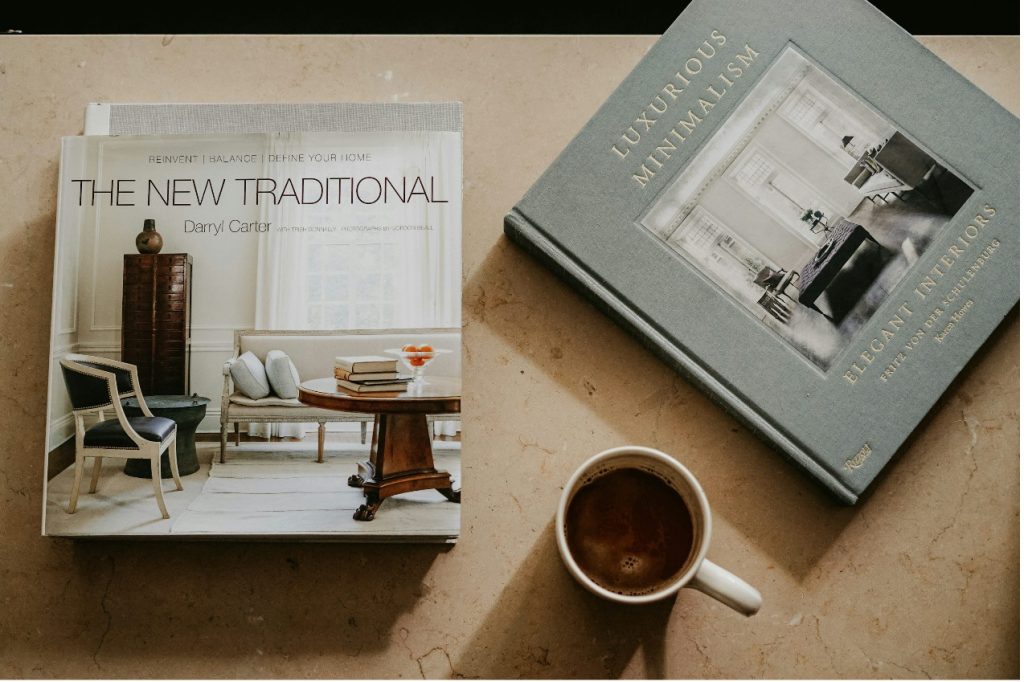
From Publishing Houses to Independent Brands
The barrier that once kept these publications exclusive to major publishing houses has largely disappeared. Pioneering luxury publishers like Assouline — founded in Paris in 1994 — proved that a beautifully made book could itself become a cultural artifact and a brand statement. Today, that same philosophy is being adopted far beyond the publishing world.
Professional-grade printing is now accessible to independent creators and boutique brands through specialized services. Platforms like QinPrinting offer custom offset printing with options ranging from cloth-covered hardcovers to foil-stamped spines and gilded edges — the kind of tactile details that make a book feel like an object of desire rather than a marketing brochure.
Storytelling as Brand Strategy
The best brand books blend editorial photography with narrative, telling not just what a company makes but why it exists. In this sense, they borrow from the tradition of the great fashion house retrospectives — the Chanel monographs, the Hermès anniversary volumes — and apply that reverence for craft to businesses of every size.
For collectors and lifestyle entrepreneurs who move through communities like the Hamptons, the appeal is both personal and commercial. A beautifully made book documenting a vineyard’s harvest season, a jeweler’s design process, or a philanthropist’s decade of giving becomes an artifact. It is the kind of thing that gets kept, displayed, and gifted — the opposite of a promotional email.
The Object That Outlasts the Algorithm
As luxury branding continues to emphasize authenticity and materiality, the coffee table book stands at an interesting intersection: it is at once intimate and impressive, personal and professional. For those who understand that the details always signal the whole, it may be the most honest statement a brand can make.
Author

Written by
Recent Posts
What Goes Into Planning a Professional Furnace Installation?
Why Sports Card Collecting Is More Than Just a Hobby
From Signature Scents to Scent Wardrobes: The Evolution of Personal Fragrance

Beyond the Booth: How Exhibition Design Is Creating New Brand Experiences
Trading the Hamptons for Hvar: A Summer on Croatia’s Most Glamorous Island
Categories
- Art
- Articles
- Business of Luxury
- Celebrities
- Culture
- Entertainment
- Events
- Faces of Summer 2026
- Fashion
- Fashion & Style
- Featured
- Finance
- Food, Spirits, Wine
- Hamptons
- Hamptons Celebrities
- Health
- Health & Beauty
- Lifestyle
- Luxury Lifestyle
- Press
- Profiles
- Real Estate
- Technology
- The Chronicles
- Travel
- Uncategorized
- Weddings