
The Before
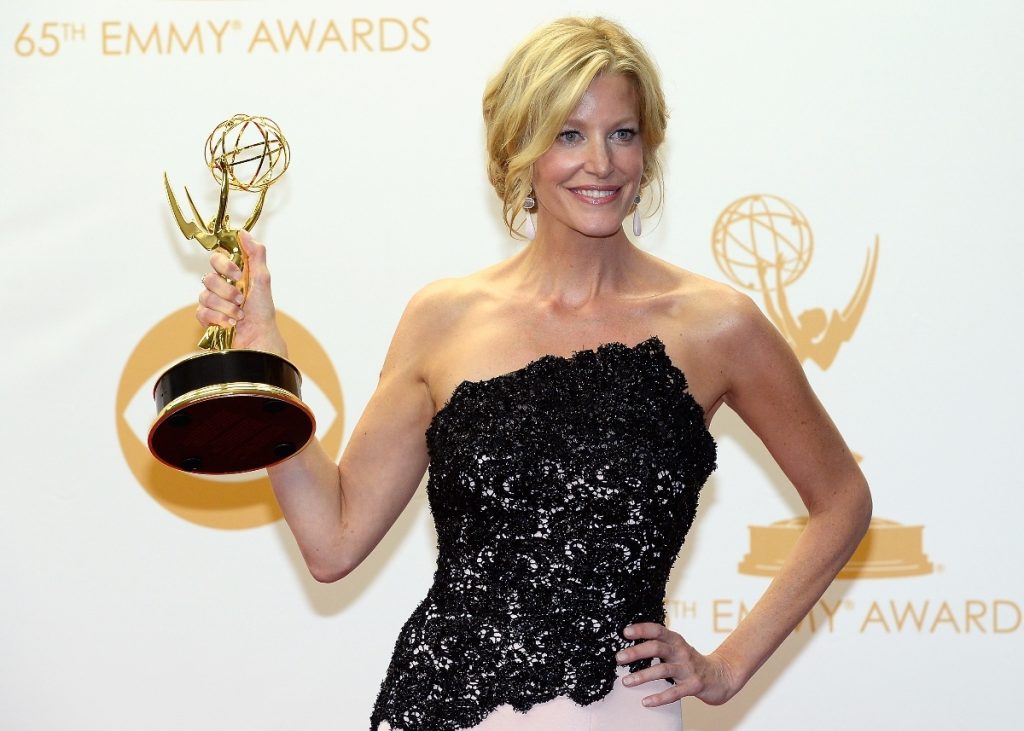
Anna Gunn net worth starts in Cleveland, Ohio, 1968. She studied at Northwestern University’s theater program, which produces performers with technical precision and professional discipline. Early career work included The Practice, Deadwood (playing Martha Bullock across three seasons), and the kind of steady television roles that build craft without building fame. She was a working actress. Employed, skilled, and unknown to the general public.
The Pivot Moment
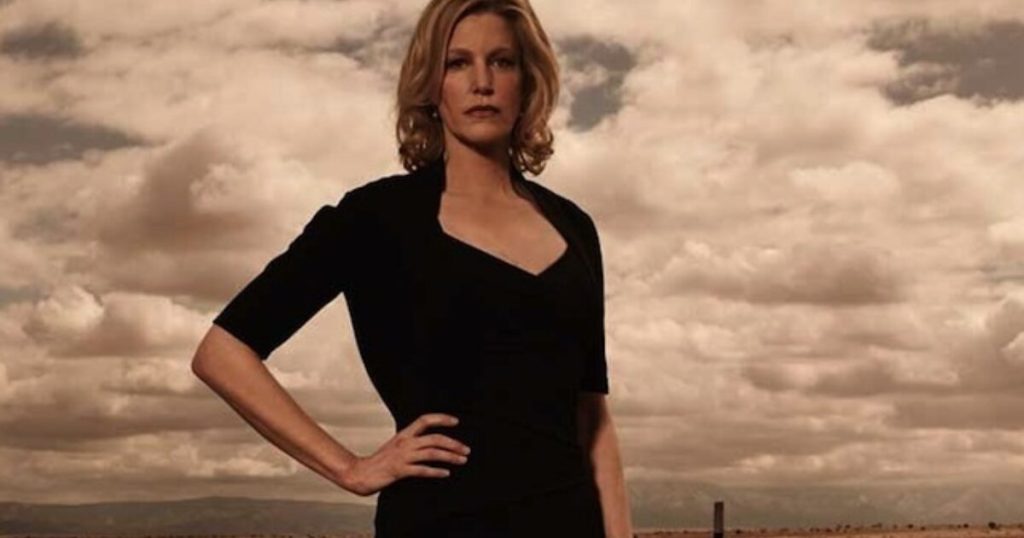
Skyler White is the most important character in Breaking Bad’s moral architecture. She is the only principal character who consistently opposes Walter’s criminal enterprise. She sees clearly what Walter has become while everyone else still makes excuses for him. Gunn is correct about everything. The audience hated her for it.
The Hatred Phenomenon
The vitriol directed at Skyler White is the single most revealing data point about the antihero era’s cultural impact. Viewers created Facebook groups dedicated to hating Skyler. Gunn received death threats. The intensity was so extreme that she wrote a New York Times op-ed in 2013 titled “I Have a Character Issue.”
The hatred proves what every creator in this pillar suspected. Audiences did not merely enjoy the antihero. They identified with him so completely that the character who opposed him became a personal antagonist. Skyler was not a character to these viewers. She was the obstacle between them and the vicarious thrill of Walter White’s power. The fact that she was right made the hatred worse. Nobody likes being told they are rooting for the wrong person.
The Climb
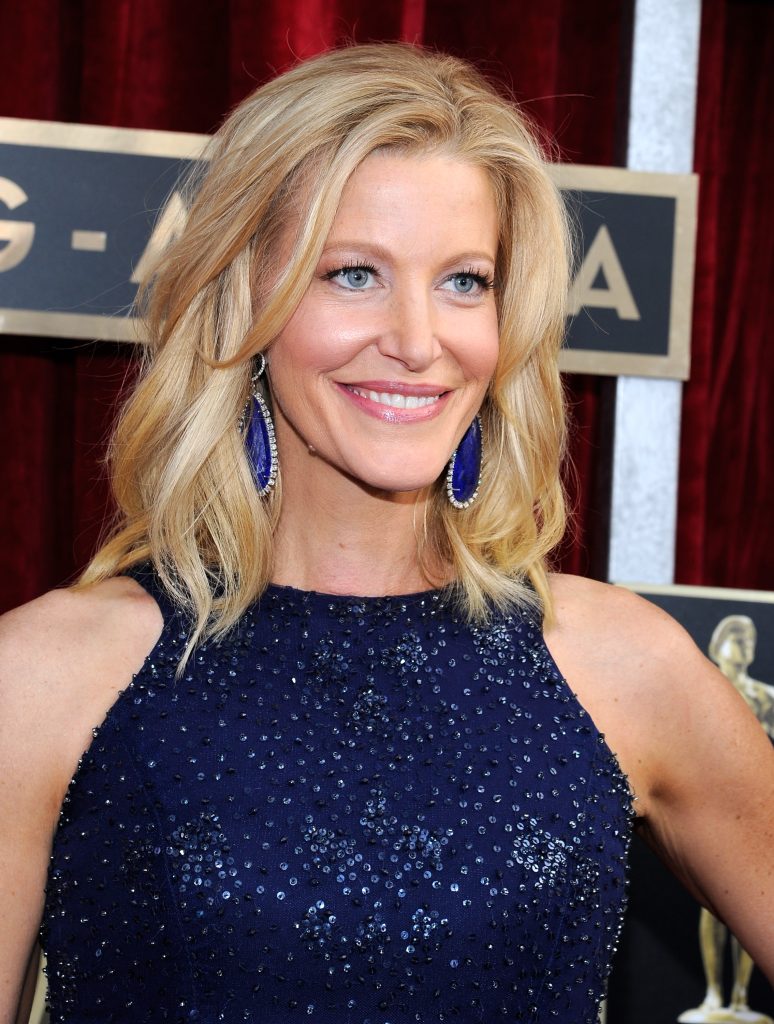
Gunn won two consecutive Emmys for Outstanding Supporting Actress in 2013 and 2014. The awards represent the industry’s acknowledgment that her performance was extraordinary. They also represent a partial corrective to the audience hatred. The voters recognized what the viewers refused to accept: Skyler White was one of the most complex and demanding roles in television history.
The Post-Breaking Bad Career
After Breaking Bad, Gunn appeared in Gracepoint, Sully with Tom Hanks, and Equity. The Equity casting deserves attention. The actress who played the moral center of a drug empire drama moved on to play an investment banker operating in the legal drug trade of high finance. One ethics are arguably just as compromised. This consequences are measured in quarterly earnings rather than bodies.
What She Built
Anna Gunn net worth at $6 million is the lowest figure in this hub. That discrepancy tells a story about the economics of being right in a world that rewards being wrong. The actors who played criminals earned more. The actress who played the moral opposition earned less. That hierarchy mirrors the show’s thematic argument: in the antihero economy, crime pays better than conscience.
The Gender Dimension
The hatred carried a gender dimension that Gunn addressed directly. Audiences did not direct comparable vitriol at Hank Schrader, the male character who also opposes Walter. Hank earned respect for his opposition because he was a man doing a man’s job: pursuing a criminal through law enforcement. Skyler earned contempt because she was a wife doing a wife’s job: protecting her family through moral objection.
That asymmetry has financial consequences. Actresses who play moral opposition to male antiheroes receive less compensation, fewer opportunities, and more personal danger than actors who play the same function. Gunn’s career proves this. Her two Emmys could not overcome the audience’s gendered hostility. Her $6 million represents both the industry’s respect and the audience’s refusal to extend it.
The Soft Landing
Gunn is fifty-seven. Her two Emmys are permanent credentials. Her Breaking Bad performance will be studied in acting programs for decades. That New York Times op-ed will be cited in cultural analyses of the antihero era for as long as people write about television. The $6 million is modest by cast standards. The cultural contribution is immeasurable. She played the character the show needed, and the audience could not handle. She played it so well that the audience’s inability to handle it became proof of the show’s thesis.
Read more about the full cast in our Breaking Bad Cast Net Worth hub, or explore the Prestige TV Antihero Cast Net Worth pillar.
The Downstream Value
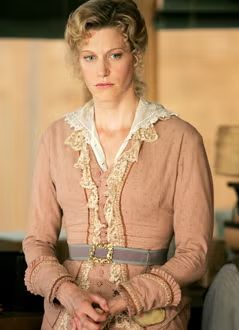
The Deadwood credential, while less famous than Breaking Bad, provided Gunn with three seasons of HBO dramatic experience that directly prepared her for the intensity of playing Skyler White. Martha Bullock in Deadwood required her to portray a woman navigating a lawless environment with moral conviction and personal dignity. Skyler White in Breaking Bad required exactly the same thing in a suburban setting. The skill set transferred perfectly. However, the compensation did not transfer proportionally because Deadwood, despite its critical acclaim, generated less commercial revenue than Breaking Bad.
The Long View
Her New York Times op-ed, published in August 2013, remains the definitive text on the gendered reception of female characters in antihero television. The piece argued that the hatred directed at Skyler was not about the character’s specific actions but about the audience’s discomfort with a woman who challenged a male protagonist’s authority. That argument has been cited in hundreds of academic papers, cultural analyses, and television criticism pieces. The op-ed generated no direct income. It generated cultural capital that continues appreciating because the phenomenon it described has only intensified in the years since its publication.
The Market Signal
The $6 million net worth, the lowest in this hub, deserves contextual analysis. Gunn’s Breaking Bad per-episode salary reportedly reached the low six figures by the final season, substantially less than Cranston’s $225,000 or Paul’s $200,000. The gap reflects the industry’s standard pay hierarchy between leads and supporting players. But the gap also reflects the gender pay disparity that persists in Hollywood. Gunn’s character appeared in nearly every episode. Her performance earned two Emmys. By any merit-based standard, her compensation should have been closer to her male co-stars’. It was not. That shortfall, compounded across five seasons, is a measurable component of the gender wealth gap in the entertainment industry.
The Positioning
The Northwestern training deserves financial analysis because it represents an investment in technique that paid returns across three decades. Northwestern’s theater program emphasizes discipline, versatility, and the ability to sustain a career rather than chase fame. Gunn’s career trajectory validates that emphasis. She has worked consistently for thirty years without a single period of unemployment long enough to threaten her financial stability. That consistency, more than any individual salary, is what built the $6 million.
Her post-Breaking Bad career has been quieter than her male co-stars’ careers. Cranston went to Broadway and franchise films. Paul went to action movies and mezcal. Odenkirk got his own spinoff. Esposito became a franchise villain. Gunn appeared in smaller projects with less visibility. The discrepancy is not attributable to talent. It is attributable to the marketplace’s gendered distribution of opportunity, the same marketplace that allowed viewers to send death threats to an actress for playing a character who objected to her husband cooking methamphetamine.
Despite these headwinds, Gunn’s $6 million represents solid wealth accumulation by any standard outside of celebrity comparison. The figure includes decades of television income, real estate appreciation, and the financial discipline of someone who was never paid enough to develop the spending habits that destroy higher-earning performers. In other words, the pay gap that limited her peak earnings also limited her exposure to the lifestyle inflation that consumes larger fortunes.
You are reading this because you already understand something most people scroll right past. The intersection of culture, money, and taste is not a Venn diagram. It is a mirror. Social Life Magazine has spent 23 years holding that mirror up to the people who shape the Hamptons, Manhattan, and the corridors between them. If you see yourself in these pages, we should talk. Reach out at sociallifemagazine.com/contact.
Your Brand, Your Launch
Your personal story belongs in front of 82,000 affluent readers and a digital audience that keeps growing, our editorial features are built for exactly that moment. Learn more at Submit a Paid Feature.
Our email list reaches 82,000 subscribers who actually open, read, and act. If your audience is high-net-worth, culturally engaged, and based between Park Avenue and Montauk, you are already in the right place. Join the list.
Polo Hamptons returns to Bridgehampton this July with 1,200 guests, Getty Images coverage, and seven years of BMW title sponsorship behind it. If your brand belongs in that conversation, visit polohamptons.com.
A print subscription to Social Life Magazine puts 25,000 copies per issue into the boutiques, lobbies, and living rooms where decisions get made, from Westhampton to Montauk every summer and Upper East Side doorman buildings for Fall and Winter.
Author

Written by
Recent Posts
Get Panama Residency in 30 Days — A Simple Look at Mercan’s Easy Program Process
How to Choose a Stay for a Multigenerational Resort Trip
How Family Property Disputes Can Affect Relationships and Long-Term Plans

Choosing a Reformer for the Life You Already Have

Artful Living: Unique Gifts With A Creative Edge
Categories
- Art
- Articles
- Business of Luxury
- Celebrities
- Culture
- Entertainment
- Events
- Faces of Summer 2026
- Fashion
- Fashion & Style
- Featured
- Finance
- Food, Spirits, Wine
- Hamptons
- Hamptons Celebrities
- Health
- Health & Beauty
- Lifestyle
- Luxury Lifestyle
- Press
- Profiles
- Real Estate
- Technology
- The Chronicles
- Travel
- Uncategorized
- Weddings