
There’s a particular stillness to a private estate in the hour before a hundred guests arrive. The lawn has been mowed in perfect diagonals. Floral installations that took three days to design sit finally in place. Rented glassware is polished, stacked, and waiting in rows. And somewhere, just out of sight, a team of twenty people is executing a plan that began six months ago.
Most guests will never see any of it. That is precisely the point.
Private estate events, whether a 60-guest anniversary dinner, a 200-guest wedding, or an intimate fundraising salon, have always occupied a different category from venue-based entertaining. They carry a level of intention, and occasionally a level of difficulty, that few people outside the event industry fully appreciate. For hosts weighing this route for the first time, it helps to understand what actually happens behind the curtain.
The Six-Month Runway
By the time invitations are mailed, the event has already been in motion for half a year. Menu tastings, formal venue walkthroughs, insurance riders, municipal permits, tent rentals, and vendor contracts all trace back to a planning timeline that experienced hosts know not to compress.
Veteran caterers will quietly tell you that the single biggest predictor of a great event is how early the host committed to a date. Six months is comfortable. Nine months is ideal. Anything under three months for a sit-down dinner of meaningful size moves the conversation from planning into improvisation.
The Infrastructure Nobody Thinks About
A venue comes with power outlets, commercial kitchens, restrooms, and legal parking. An estate has none of these things at the capacity a serious event requires.
This is why the early walkthroughs at a private home look less like interior design consultations and more like engineering site surveys. Event planners map electrical loads, test water pressure, identify generator placement, and calculate how many portable restroom trailers the evening will need. They secure tent permits, coordinate valet staging, and often send polite letters to the neighbors about vehicle traffic and noise ordinances.
The guests who arrive to a luminous, effortless scene will not see any of this. They will see candlelight and flowers, a bar pouring something they’ll remember, and a lawn that seems to have always been a ballroom.
The Catering Operation, Unfolded
The kitchen at a private estate event almost never exists when the caterer arrives. It has to be built.
A typical 60-guest plated dinner at a home involves a mobile prep kitchen, often set up in a tent behind the main event area. Induction burners, convection ovens on rolling carts, refrigerated trucks, and hot-hold boxes replace whatever residential appliances exist in the house. Full-service caterers and catering services typically bring 8 to 12 staff members for an event this size. Two or three chefs, a pastry lead, and a fleet of servers, bartenders, and runners who have all studied the same timing document.
The model that defines this work is simple in theory and extraordinarily demanding in practice. Prepare as much as possible off-site during the days leading up to the event. Finish everything on location, hot and unhurried, within a window of minutes. Every dish that lands in front of a guest is the product of three days of preparation and ninety seconds of final execution.
The Orchestration of the Evening
The sequence of a private estate dinner is invisible scaffolding. Guests arrive, are handed a glass, move through passed appetizers, drift toward dinner, and find themselves rising for toasts. None of these transitions happens by accident.
The best event teams operate on a signal system. Subtle nods between the lead planner and the captain. A single phrase in an earpiece that releases the second course. A floor manager who watches the room and knows, before the guests do, when energy is shifting. Good timing is the difference between a dinner that feels alive and one that feels managed. The guests never notice the timing; they notice only that the night flows.
Why Hosts Still Choose Estates Over Venues
Given the logistical weight of private entertaining, one might reasonably ask why anyone chooses it. The answer is almost always personal.
An estate event is the only form of entertaining where the setting itself carries meaning. A family home. A property tied to a milestone. A garden that took a decade to design. Guests remember venues as beautiful. They remember estates as personal.
Beyond meaning, there is control. Hosts who choose private properties gain the ability to design every element, from the menu to the lighting to the moment the fireworks begin. Venues offer convenience. Estates offer authorship.
The Invisible Art
What defines this work, ultimately, is its invisibility. The best private estate events are the ones that seem to require nothing at all. The fire pit appears lit at sunset. The dinner rolls are warm at exactly the right moment. The jazz trio is finishing their second set just as guests begin to leave, and the tent is fully broken down by nine the next morning.
It is a kind of quiet mastery that only the professionals involved fully appreciate. The hosts know enough to thank the team privately. The guests will remember the night for years. And somewhere, on the drive home, the lead caterer is already thinking about the next estate, and the six months of planning that begins tomorrow.
Author

Written by
Recent Posts
What Goes Into Planning a Professional Furnace Installation?
Why Sports Card Collecting Is More Than Just a Hobby
From Signature Scents to Scent Wardrobes: The Evolution of Personal Fragrance

Beyond the Booth: How Exhibition Design Is Creating New Brand Experiences
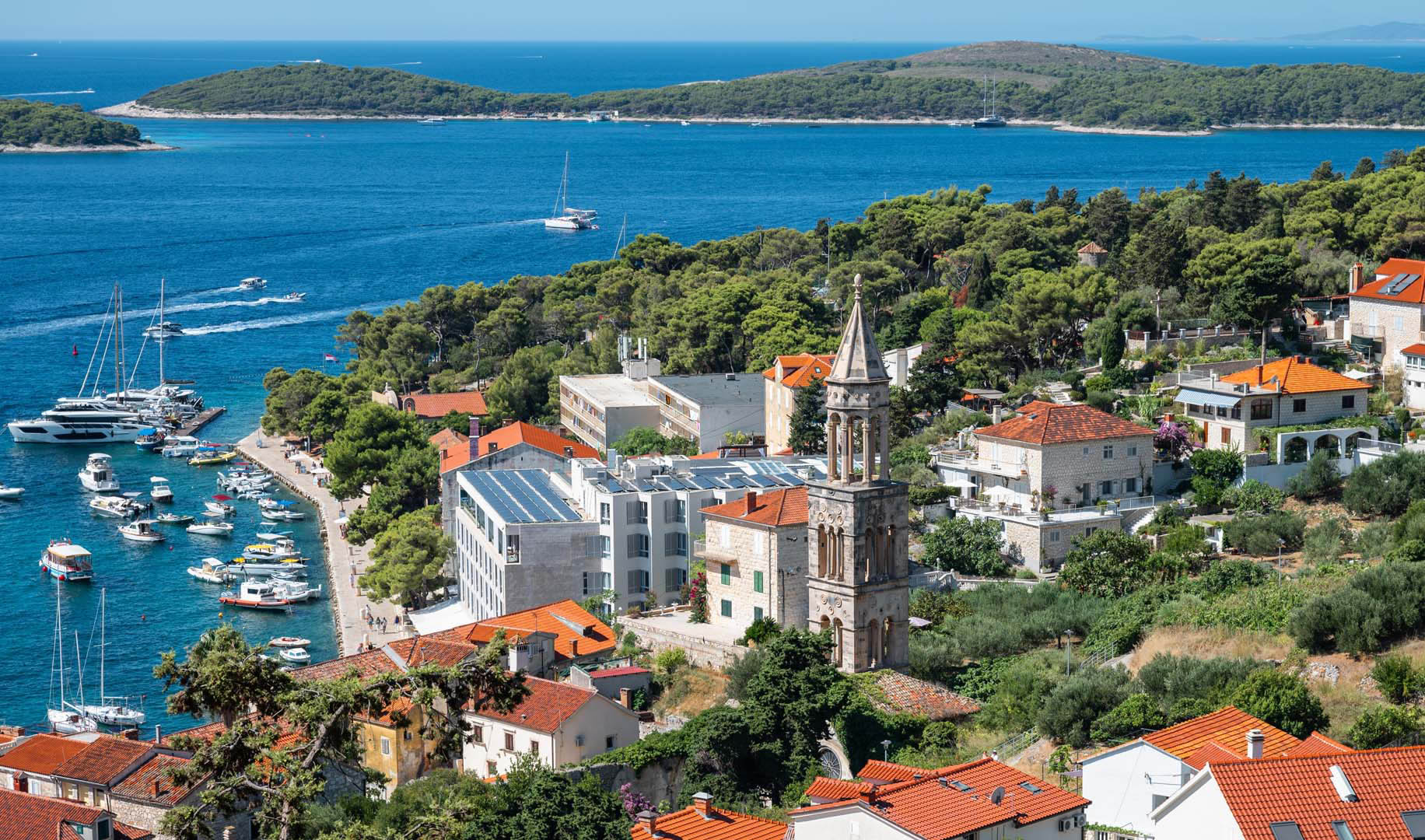
Trading the Hamptons for Hvar: A Summer on Croatia’s Most Glamorous Island
Categories
- Art
- Articles
- Business of Luxury
- Celebrities
- Culture
- Entertainment
- Events
- Faces of Summer 2026
- Fashion
- Fashion & Style
- Featured
- Finance
- Food, Spirits, Wine
- Hamptons
- Hamptons Celebrities
- Health
- Health & Beauty
- Lifestyle
- Luxury Lifestyle
- Press
- Profiles
- Real Estate
- Technology
- The Chronicles
- Travel
- Uncategorized
- Weddings