
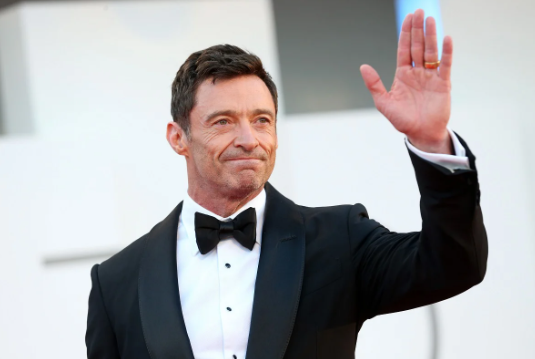
The Architecture Most Actors Try And Almost None Execute
The Choice The Industry Treats As Mandatory
The standard career playbook for any working actor at the leading-role tier treats prestige stage and franchise film as oppositional. Specifically, the industry presumes that committing to a multi-film franchise locks the actor out of significant theater work. Furthermore, returning to the stage compresses the actor’s commercial bookability. Furthermore, agents have been giving this advice to clients for forty years. Pick the lane. Commit fully. Maximize the income from the chosen lane. Most actors take the advice.
The Architecture That Refuses The Choice
A small cohort of actors has spent the past two decades demonstrating that the choice is itself optional. Specifically, these performers run prestige stage and franchise film commitments simultaneously. Each lane reinforces the opposite lane rather than competing with it. Notably, the architecture has produced some of the most durable wealth and casting flexibility in modern entertainment. Furthermore, the structural logic reveals something specific. The barbell strategy rewards the actors who execute it with career outcomes the dedicated single-lane strategies cannot match. The framework runs alongside the broader placement-economy analysis Social Life Magazine has been mapping across the cluster.
What This Article Examines
The six profiles below run from gold-standard execution to contemporary practitioners. Each demonstrates a slightly different version of the same operational logic. Specifically, each actor uses commercial work to fund stage credibility. Subsequently, the stage credibility maintains the prestige bracket that justifies premium auteur-tier film fees. Furthermore, the financial outcomes vary significantly by individual execution conditions. Notably, the architectural logic runs identically across all six cases. Notably, the cohort cuts across nationalities, generations, and primary craft identities. The breadth suggests the strategy is reproducible rather than personality-specific.
1. Hugh Jackman: The Gold-Standard Barbell
The Wolverine Income That Funded The Broadway Years
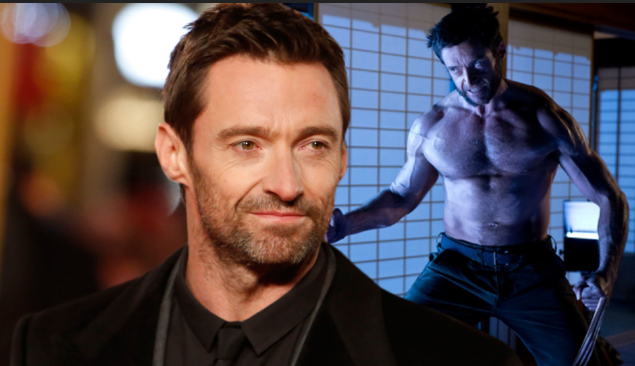
Hugh Jackman’s career is the canonical case study in modern Hollywood for the prestige-and-tentpole barbell. Specifically, his nine appearances as Wolverine across seventeen years generated approximately $100 million in cumulative compensation. The salary arc escalated from $500,000 on the first X-Men film in 2000 to $20 million per film by X-Men Origins: Wolverine in 2009. Furthermore, the franchise income funded the Broadway commitments that defined Jackman’s stage identity. The Boy from Oz ran for 363 performances during the prime X-Men years. Subsequently, Jackman earned the 2004 Tony Award for Best Actor in a Musical.
The Music Man Revival And Deadpool Wolverine Crossover
The barbell continued at full operational pace into the 2020s. Specifically, Jackman anchored The Music Man revival at the Winter Garden Theatre across 343 performances from 2022 through 2023. The production grossed over $80 million during its run. Subsequently, Deadpool & Wolverine released in July 2024 and crossed $1 billion at the worldwide box office. The film became the highest-grossing of Jackman’s career. Notably, the two projects ran in adjacent windows. The Broadway run did not delay the franchise comeback. The franchise comeback did not displace the Broadway run.
The Net Worth Outcome And The East Hampton Endpoint
The cumulative financial outcome across both lanes has placed Jackman’s net worth between $120 million and $180 million. Notably, the range depends on which estimates are credited. Furthermore, the full biographical arc is examined in Social Life Magazine’s profile of Hugh Jackman’s net worth. Specifically, that piece covers the Sydney childhood that shaped his approach to performance and the East Hampton compound he subsequently built with Deborra-Lee Furness. Importantly, the East Hampton compound itself functions as the architectural payoff of the entire career strategy. The actor who refuses to choose between lanes builds a life that does not require the standard celebrity geography to compound.
2. Jude Law: The Transatlantic Mirror
The Sherlock Holmes Capital That Funded The Sorrentino Pope Series

Jude Law has spent the same two decades running the British version of Jackman’s architecture. Specifically, his Sherlock Holmes franchise commitment as Dr. John Watson generated approximately $20 to 30 million across the two films. The films released in 2009 and 2011. Subsequently, the franchise capital underwrote his prestige work in HBO’s The Young Pope (2016) and The New Pope (2020). Furthermore, he played Lenny Belardo across nineteen episodes for Paolo Sorrentino. Notably, the prestige-television work paid significantly below his franchise quote. The pay differential is precisely the point. Law funded the artistic work he wanted to do. The funding came from commercial work the artistic work would not have generated on its own.
The Fantastic Beasts And Captain Marvel Single-Film Architecture
Law’s franchise approach differs from Jackman’s in one operational respect. Specifically, Jackman committed to multi-film Wolverine deals. By contrast, Law has structured his franchise participation as either single-film entries or limited multi-film commitments. Captain Marvel (2019) was a single-film MCU appearance. The Fantastic Beasts trilogy (2018 through 2022) ran across three films. Importantly, the deal did not extend Law’s commitment beyond the trilogy itself. Furthermore, the structure captured the franchise upside. Specifically, it avoided the multi-decade lock-in cost that Wolverine imposed on Jackman.
The Net Worth Outcome And The London Architecture
The cumulative outcome has placed Law’s net worth at approximately $70 million. Furthermore, his current slate carries significant additional optionality. Disney+’s Star Wars: Skeleton Crew (2024), the indie thriller The Order (2024), and Netflix’s Black Rabbit (2025) all anchor the next compounding window. The full strategic analysis is examined in Social Life Magazine’s analysis of Jude Law’s net worth strategy. Specifically, that piece covers the Closer cross-link to Natalie Portman and the Dunhill ambassador window that defined his selective brand-asset strategy. Importantly, Law’s London-domiciled geography parallels Jackman’s deliberate Hamptons compound. Both actors chose proximity to the work they actually wanted to do. Conventional career strategy demands proximity to industry infrastructure instead.
3. Kenneth Branagh: The Deepest Variant
The Henry V Through Thor Through Belfast Arc
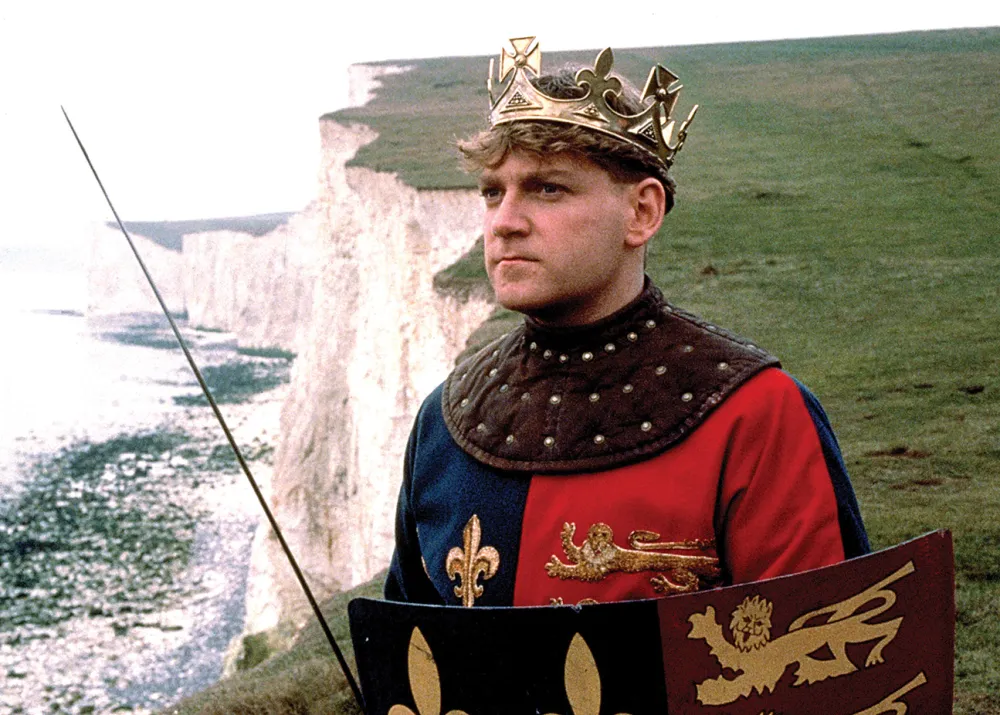
Kenneth Branagh has been running the most operationally complex version of the barbell since 1989. Specifically, his career began with Henry V (1989). He directed and starred at age twenty-eight, earning two Academy Award nominations for Best Director and Best Actor. Subsequently, he rotated through Shakespeare adaptations, Royal Shakespeare Company productions, and prestige film work for thirty years. Furthermore, the barbell took on its modern form when Marvel Studios cast him to direct Thor (2011). The franchise origin film grossed $449 million worldwide and inducted Branagh into the MCU’s directorial cohort.
The Director Side That Most Barbell Actors Do Not Run
Branagh’s barbell extends to a dimension most other practitioners do not access. Specifically, he has directed nineteen feature films across his career. The 2022 Best Picture nominee Belfast earned him the Academy Award for Best Original Screenplay. Furthermore, he has directed five Shakespeare film adaptations. Additionally, two Hercule Poirot films (Murder on the Orient Express and Death on the Nile) cast him as both director and star. Notably, the directorial work compounds the prestige credibility that protects his stage bookings. Specifically, the structural pattern parallels Ralph Fiennes’s directorial filmography. The actor who directs his own prestige projects controls the commercial pricing of his entire creative ecosystem.
The Net Worth Outcome And The Theater Continuity
Branagh’s cumulative net worth runs at approximately $60 million by current industry estimate. Specifically, the figure is compressed by the financial losses across several of his directorial features. However, the recurring Marvel director payments and the Poirot franchise compensation support the line. Importantly, the stage commitments have continued throughout. He founded the Kenneth Branagh Theatre Company at the Garrick Theatre in 2015. The year-long residency produced five productions. Furthermore, the model demonstrates that the barbell can extend across acting, directing, and theater entrepreneurship simultaneously. Each lane reinforces the others rather than competing with them.
4. Mark Rylance: The Prestige-Heavy Variant
The Wolf Hall And Bridge Of Spies Bracket
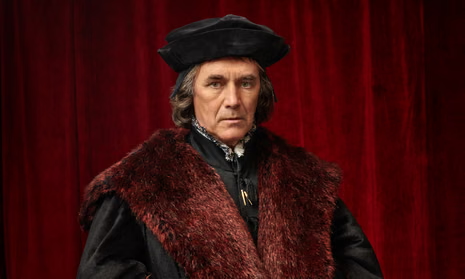
Mark Rylance runs a barbell where the prestige weight is significantly heavier than the franchise weight. Specifically, he served as the founding artistic director of Shakespeare’s Globe in London from 1995 through 2005. The institutional credibility subsequently anchored his film career. Furthermore, his BBC adaptation of Hilary Mantel’s Wolf Hall (2015) as Thomas Cromwell defined his prestige-television presence. The performance earned him the BAFTA for Best Actor. Subsequently, Steven Spielberg cast him in Bridge of Spies (2015). His performance as Soviet spy Rudolf Abel earned him the Academy Award for Best Supporting Actor.
The Spielberg Continuity That Anchored The Film Lane
Rylance’s franchise lane runs through Spielberg rather than through Marvel. Specifically, he subsequently appeared in The BFG (2016) and Ready Player One (2018) for Spielberg. Additionally, Adam McKay’s Don’t Look Up (2021) for Netflix extended the film slate. Notably, the film bookings have functioned as commercial counterweight to his theater work. Importantly, the film work does not define his dominant identity. Furthermore, his stage commitments have continued at the Royal Shakespeare Company, the Donmar Warehouse, and the Garrick Theatre throughout. The barbell architecture allows the prestige lane to dominate. Importantly, it does not sacrifice access to the commercial lane entirely.
The Net Worth Outcome And The Theater-First Identity
Rylance’s cumulative net worth runs at approximately $8 to 12 million by current industry estimate. The figure runs significantly lower than Jackman or Law. However, it obscures the artistic capital his career has accumulated. Specifically, the architectural logic produces career durability rather than maximum compensation. Furthermore, Rylance demonstrates that the barbell can be calibrated toward the prestige end of the spectrum. The architecture still produces a sustainable career structure. The architecture rewards execution discipline more than it rewards strategic positioning.
5. Cynthia Erivo: The Contemporary Case
The Color Purple Tony Through Wicked Box Office
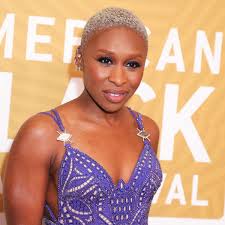
Cynthia Erivo represents the contemporary execution of the same architecture across a compressed time horizon. Specifically, her Broadway debut in The Color Purple revival (2015) earned her the 2016 Tony Award for Best Actress in a Musical. Subsequently, she added the Grammy for Best Musical Theater Album and Daytime Emmy recognition. Furthermore, her film career has compounded in parallel. Bad Times at the El Royale (2018), Widows (2018), and her Academy Award-nominated lead performance in Harriet (2019) anchor the slate.
The Wicked Franchise Capitalization
Universal Pictures cast Erivo as Elphaba in the two-film Wicked adaptation. Subsequently, the first installment released in November 2024 and grossed $733 million worldwide on a $150 million budget. Specifically, the franchise commitment paid Erivo significantly above her previous quote. Industry estimates place her cumulative compensation across the two films in the eight-figure range. Notably, the casting demonstrated something specific about contemporary barbell architecture. Erivo’s stage credibility from The Color Purple was the operational asset that justified the Wicked casting. Subsequently, the Wicked compensation has enabled her ongoing selectivity across television and theater work.
The Net Worth Outcome And The Compressed Time Horizon
Erivo’s cumulative net worth runs at approximately $12 to 15 million by current industry estimate. Furthermore, significant additional compensation is pending across the second Wicked installment and her continued television work in The Outsider and other prestige series. Furthermore, the trajectory demonstrates that the barbell architecture can produce substantial career outcomes within a fifteen-year window. By contrast, Jackman, Law, Branagh, and Rylance built their careers across thirty-year windows. The contemporary execution validates the architecture’s relevance to talent currently building careers. Specifically, the strategy applies beyond the talent who built careers in earlier industry conditions.
6. Jonathan Groff: The Disney Franchise Variant
The Hamilton Original Cast Through Frozen Voice Work
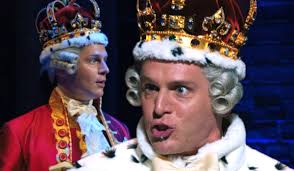
Jonathan Groff occupies the cohort’s most distinctive position. Specifically, he originated the role of King George III in Lin-Manuel Miranda’s Hamilton (2015). Subsequently, he earned a Tony nomination and broader recognition through the filmed production’s 2020 release on Disney+. Furthermore, his Broadway career has continued continuously. The 2024 Tony Award for Best Actor in a Musical for Merrily We Roll Along anchored the recent run. Importantly, the franchise lane runs through Disney’s Frozen voice-acting franchise rather than through live-action film. Specifically, the choice represents a structurally distinct execution of the barbell architecture.
The Frozen And Mindhunter Anchor
Groff voiced Kristoff in Frozen (2013), Frozen II (2019), and various Frozen-adjacent Disney+ projects. The franchise grossed over $2.7 billion across its theatrical and streaming runs. Specifically, the voice-acting compensation runs smaller than live-action franchise compensation per project. However, it has compounded steadily across the past decade. Furthermore, his lead role in David Fincher’s Mindhunter (2017 through 2019) on Netflix established his prestige-television credibility. The limited-series compensation reportedly ran in the seven figures across the two-season arc.
The Net Worth Outcome And The Animation Innovation
Groff’s cumulative net worth runs at approximately $8 to 10 million by current industry estimate. Specifically, the figure reflects the lower per-project compensation of voice-acting work compared to live-action franchise compensation. However, the architecture demonstrates something specific. Specifically, the barbell can substitute animation franchise work for live-action franchise work without compromising the strategic logic. Furthermore, the substitution enables actors with primary theater identities to maintain franchise income. Specifically, the actor avoids the visual-identity lock-in that live-action franchise commitments impose.
The Pattern Recognition: What These Six Actors Have In Common
The Operational Discipline The Architecture Requires
The six actors profiled above run nationality and generational variance. However, the operational discipline they share runs nearly identical across the cohort. Specifically, all six have refused multi-film franchise lock-ins that would compress their casting calendars across multiple years. Furthermore, all six have maintained continuous stage commitments throughout their highest-grossing film windows. They treat Broadway and the West End as compounding career assets rather than as departures from commercial work. Notably, the operational discipline distinguishes the barbell players from the broader pool of actors who attempt the architecture. Many attempt; few execute consistently.
The Geographic Choice That Mirrors The Career Choice
Five of the six actors maintain primary residences outside Los Angeles. Specifically, Jackman lives in East Hampton and New York. Law lives in London. Branagh lives in London and various UK working geographies. Rylance lives in London. Erivo splits time between London and New York. Furthermore, the geographic restraint mirrors the career restraint. The actor who refuses to commit fully to either lane structurally requires geographic distance. Specifically, the lane-committed strategy presumes industry-infrastructure proximity that the barbell architecture does not require. Notably, Groff is the cohort exception. His primary New York residence supports his Broadway-anchored career. However, even his geography stays distinct from the standard Los Angeles industry-proximity model.
The Compensation Pattern That Validates The Trade
The six actors’ net worth figures run from approximately $8 million to $180 million. The range exceeds the cluster’s other comparison cohorts. Specifically, the variance reflects individual execution conditions, generational differences, and primary-craft identities. Strategic differences across the cohort do not drive the gap. Furthermore, the cumulative pattern demonstrates that the barbell architecture produces durable career outcomes across the entire range. The highest-earning practitioners (Jackman, Law, Branagh) and the more theater-anchored practitioners (Rylance, Erivo, Groff) all build sustainable careers within the same operational framework. The architecture trades total accumulation for total casting flexibility. Subsequently, the trade has produced careers that compete for prestige roles against younger actors thirty years into the run.
The Lesson For The Industry
The placement-economy framework Social Life Magazine has been mapping across the cluster has examined how various celebrity strategies produce different financial outcomes. Joaquin Phoenix on the auteur-funding path. Chris Evans on the franchise-exit path. Meryl Streep on the refusal path. Rupert Grint on the property compounding path. Specifically, the barbell architecture examined in this article runs alongside those strategies. The framework treats it as one of the cluster’s most underrated career-architecture options. Furthermore, the architecture rewards actors who possess both stage credibility and commercial bookability. Specifically, the combination is rare enough that the practitioners who execute it consistently produce some of the most durable careers in modern entertainment.
The Thesis That Outlasts The Franchise Cycle
The six actors profiled above have collectively earned over $400 million in cumulative compensation across their stage and screen careers. Specifically, the figure compresses across decades. However, it demonstrates the financial validity of the architecture at scale. Furthermore, the figure undercounts the artistic capital each actor has accumulated through stage work. Specifically, the standard celebrity-economics framework cannot price that capital accurately. Notably, the artistic capital is the asset the barbell architecture is actually accumulating. The financial outcome is the byproduct. Notably, the actor who refuses to choose between lanes builds something the lane-committed strategy cannot produce, regardless of how favorable the lane-committed financial mathematics appear from outside. For any talent reading this, the lesson is direct. Specifically, the barbell is the architecture most stars try and almost none execute. Furthermore, the execution itself is the asset.
Related Reading
- Hollywood’s $26 Billion Hidden Economy: How Product Placement Built Modern Stardom
- Hugh Jackman Net Worth 2025: The Boy Who Waited for His Mother to Come Home
- Jude Law Net Worth: $70M From Refusing To Choose Between Prestige And Tentpole
- Ralph Fiennes Net Worth: How Voldemort And Bond Funded A $50M Director’s Career
- Joaquin Phoenix Net Worth Strategy: $80M Auteur Economics Of Joker
- Meryl Streep Brand Asset Economics: $160M From Refusing Endorsements
How To Work With Social Life Magazine
A fish does not notice the water. A reader does not notice the placement. That is the entire point. Furthermore, it is the entire opportunity for the brand founder who has just finished reading an article and is, without having fully realized it yet, about to scroll down and click one of the following five links.
Six Ways To Connect
If you are a brand, a founder, a creative director, or an in-house marketing lead who has read this far and would like to be considered for an editorial feature in Social Life Magazine’s print or digital ecosystem, the editorial team reviews brand submissions year-round. Pitch us at sociallifemagazine.com/contact.
If you are a brand with a ready-to-run campaign and would like to move faster than the traditional editorial cycle, the Paid Feature program offers three tiers of guaranteed placement across Social Life Magazine’s digital properties, with pricing starting at $975. Full details at sociallifemagazine.com/submit-a-paid-feature/.
Every piece Social Life Magazine publishes reaches an email list of 82,000 pre-qualified affluent readers. The majority summer in the Hamptons and spend the off-season in Manhattan’s core luxury zip codes. The email blast is the single most efficient distribution mechanism in the Hamptons editorial ecosystem. Inquire about placement at sociallifemagazine.com/enflyer.
Events, Print, And Independent Editorial
Polo Hamptons 2026, Social Life Magazine’s flagship event property, returns for its 17th year in July and August 2026. Platinum, Gold, and Corporate Cabana sponsorship packages are available for select categories (automotive is locked by BMW North America, real estate is at capacity, all other categories open). Demographic data, sponsor decks, and custom activation proposals available at polohamptons.com.
Social Life Magazine’s print edition, now in its 23rd year, distributes 25,000 copies per summer issue across Westhampton, Southampton, Bridgehampton, East Hampton, Sag Harbor, Amagansett, and Montauk boutiques, restaurants, and private clubs. Annual subscriptions, including fall/winter Upper East Side doorman distribution, available at sociallifemagazine.com/subscription.
If you’d like to support independent luxury editorial in the age of AI-generated content farms and private-equity-owned media conglomerates, donations to Social Life Magazine’s editorial operations are received via PayPal. Every dollar funds original reporting, photography, and the kind of writing that brands send their marketing teams to study.
Author

Written by
Recent Posts

Planning an Arizona Road Trip? Practical Details to Handle Before You Leave

Short Homecoming Dresses That Feel Polished, Not Overdone
Men’s Health After 40: Important Changes to Pay Attention To
What You Need to Know About Spray Tanning

Simple Ways to Upgrade Your Summer Drink Routine
Categories
- Art
- Articles
- Business of Luxury
- Celebrities
- Culture
- Entertainment
- Events
- Faces of Summer 2026
- Fashion
- Fashion & Style
- Featured
- Finance
- Food, Spirits, Wine
- Hamptons
- Hamptons Celebrities
- Health
- Health & Beauty
- Lifestyle
- Luxury Lifestyle
- Press
- Profiles
- Real Estate
- Technology
- The Chronicles
- Travel
- Uncategorized
- Weddings