
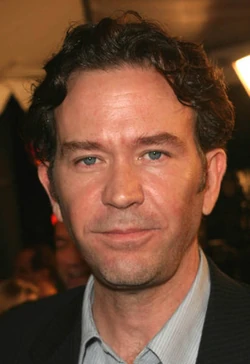
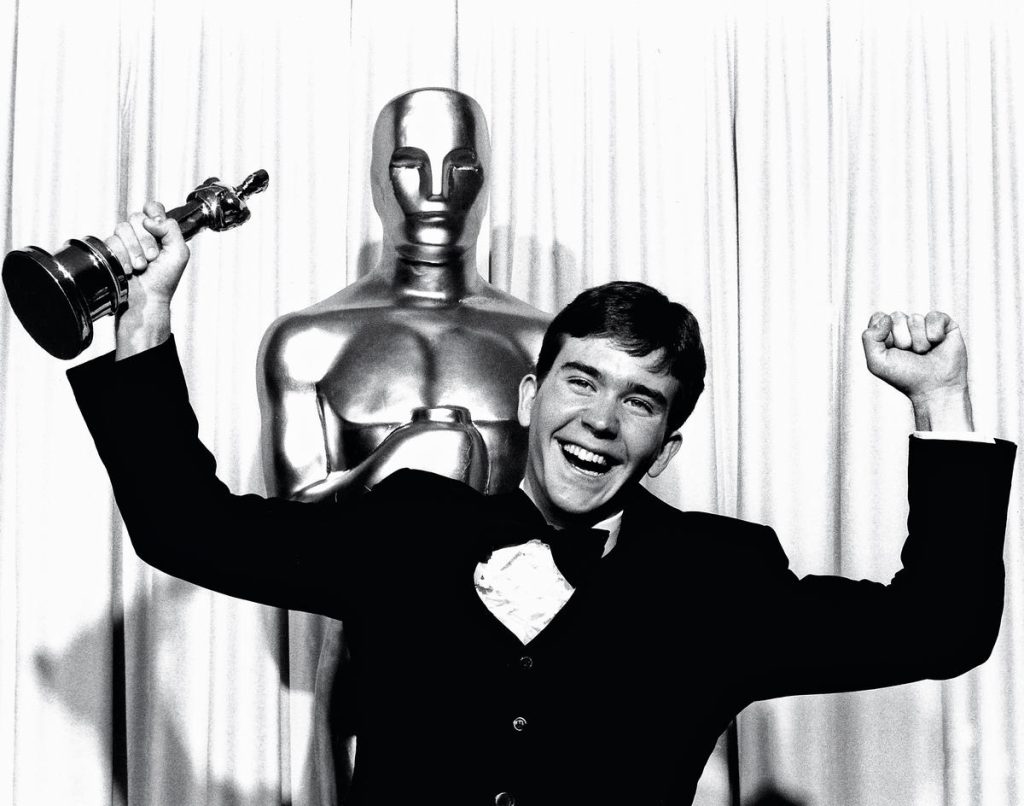
March 1981. Dorothy Chandler Pavilion, Los Angeles. Timothy Hutton accepted the Academy Award for Best Supporting Actor at age 20, the youngest male winner in that category in Academy history, for his role as Conrad Jarrett in Robert Redford‘s directorial debut Ordinary People. The Timothy Hutton net worth in 2026 sits at approximately $15 million. A number that registers as modest for an actor with an Oscar at 20 and 45 years of subsequent work, and which captures the specific structural problem of having peaked impossibly young in an industry that does not know what to do with that.
His father Jim Hutton, the lanky character actor who played opposite John Wayne in The Green Berets and starred in the Ellery Queen Mysteries television series, had died of liver cancer in June 1979 at age 45. Timothy was 18. The Ordinary People role he won the Oscar for was a teenage suicide attempt survivor recovering from his older brother’s drowning. The grief he brought to the performance was real and structurally undisguised.
He has been working steadily ever since. Sometimes prestige film. Television series. Sometimes character work in projects that pay rent rather than build legacy. The Timothy Hutton net worth conversation only makes sense when read against the inverse-Macaulay-Culkin trajectory: Oscar at 20, working actor for 45 years, no second peak.
The $15 Million Question
Headline number is $15 million. The texture is exactly what 45 years of working-actor scale produces.
Hutton’s peak earnings ran from 1981 through approximately 1990. Daniel in 1983 paid him $750,000. The Falcon and the Snowman in 1985 paid him $1.5 million. Turk 182 in 1985 paid him approximately $1 million. Made in Heaven in 1987 paid him $1.5 million. Q&A in 1990 paid him $2 million.
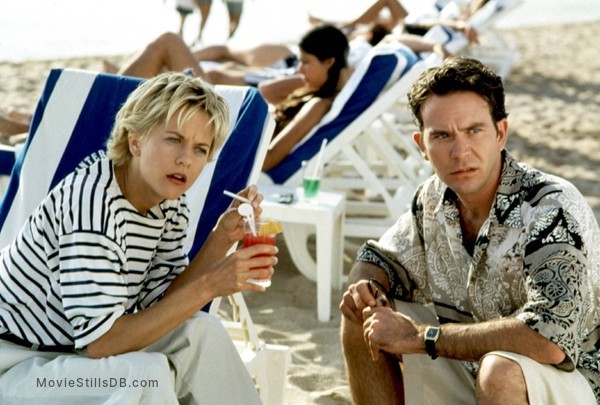
The 1990s were structurally smaller. French Kiss in 1995 was a $500,000 supporting role. The Substance of Fire in 1996 was indie scale. The Last Producer in 2000 was indie scale. His income across this decade leveled out at around $1 million per year averaged across two or three film and television projects.
The 2000s and 2010s shifted toward television. Leverage on TNT ran 2008 to 2012, paying him approximately $125,000 per episode across 77 episodes. Nero Wolfe on A&E paid him similarly. The Haunting of Hill House on Netflix in 2018 paid him a low-six-figure scale negotiated via SAG-AFTRA scale-plus-ten. American Crime in 2017 was a prestige limited-series payday at scale-plus-ten.
The total is $15 million across 45 years. Math is steady-state working actor. The Oscar did not produce a multiplier the way it did for Hoffman or Hutton’s father-in-law Phil Carey.
From Malibu To The Industry
Timothy Tarquin Hutton was born August 16, 1960, in Malibu. His father Jim Hutton was a working character actor with steady television and film credits. Mother Maryline Adams Poole was a teacher. His parents divorced when Timothy was 3. He spent the next 15 years moving between Los Angeles, Berkeley, and his father’s various film locations.
The early acting work came through proximity. Jim Hutton’s Ellery Queen Mysteries was filming as Timothy was finishing high school. Timothy took a small role in 1979’s Friendly Fire television movie opposite Carol Burnett. The performance was good. Robert Redford saw it during preproduction on Ordinary People and asked him to read.
The audition was structurally unconventional. Redford had Hutton read the bathroom scene with Donald Sutherland and the therapy scene with Judd Hirsch. Hutton was 19. He had no formal training. He had been to acting class twice. Redford cast him over hundreds of trained actors who had auditioned including a young Sean Penn. The figure later said in interviews that losing the role to Hutton was the best thing that had happened to his career because it forced him to find his own path.
Ordinary People With Redford
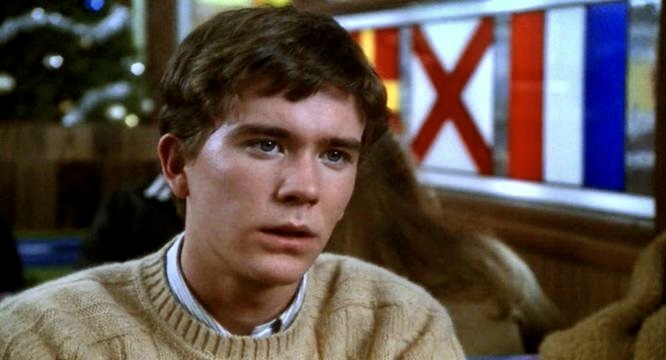
The Ordinary People production began in early 1980 in Lake Forest, Illinois. Redford had cast Donald Sutherland as the father Calvin and Mary Tyler Moore as the mother Beth. Hutton played Conrad, the surviving son returning home from a psychiatric hospital after a suicide attempt that followed his older brother’s drowning. Judd Hirsch played the therapist Dr. Berger.
Redford directed the film with a structural slowness that matched the family’s grief. Hutton’s role required him to inhabit a frozen, almost catatonic young man slowly beginning to feel again across 124 minutes. The work was technically demanding for any actor. For a 19-year-old with no training, it was structurally improbable. Redford coached Hutton through the role with the patience of a director who had been an actor himself for 20 years.
The film won Best Picture, Best Director (Redford), Best Adapted Screenplay (Alvin Sargent), and Best Supporting Actor (Hutton). It famously beat Raging Bull. Hutton was 20 at the ceremony, the youngest male winner in Best Supporting Actor history. The full architecture of how Redford’s directorial career launched on this single film lives in the Robert Redford net worth pillar.
The Three Marriages And The Late Career
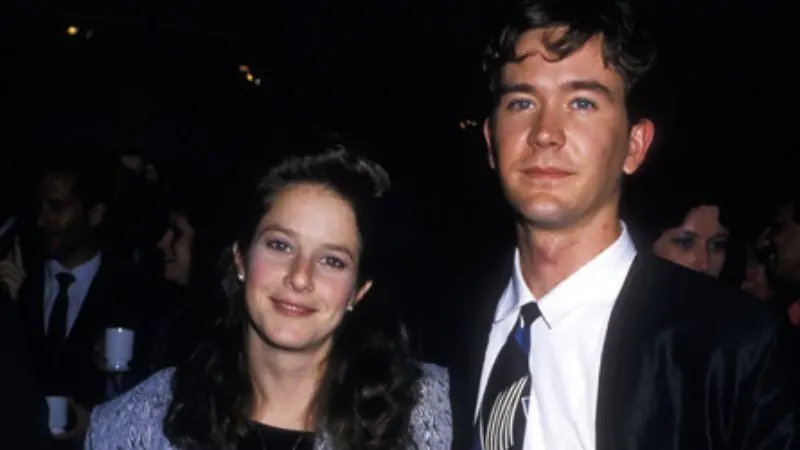
Hutton married actress Debra Winger in 1986. The marriage produced one son, Noah, before ending in 1990. He married writer Aurore Giscard d’Estaing in 2000. That marriage produced one son, Milo, before ending in 2009. He has been in a relationship with girlfriend Sarah Beasley since approximately 2014.
His Manhattan apartment on the Upper West Side has been his primary residence for most of his adult life. The Beverly Hills home he held in the early 1990s sold during his divorce from Winger. Hutton property portfolio is small for a 45-year-career actor. The fortune was steady-state, not compounding.
A 2020 Vulture investigation reported a 1983 sexual misconduct allegation against Hutton dating to filming in Vancouver when he was 22. Hutton denied the allegation. No criminal charges were filed. He has continued working without industry boycott. The reputational impact was real but contained.
Leverage And The Late-Career Television Pivot
Leverage premiered on TNT in December 2008 and ran 77 episodes across five seasons through December 2012. Hutton played Nathan Ford, the alcoholic former insurance investigator who leads a team of high-end con artists running modern Robin Hood operations against corporate and governmental wrongdoers. The role was structurally his most sustained leading television performance and his first major executive producer credit.
The series was created by Dean Devlin and Chris Downey. Devlin produced through his Electric Entertainment shingle. Hutton was attached as star and executive producer from the pilot. His salary across the five seasons started at $100,000 per episode in 2008 and reached approximately $150,000 per episode by the fifth season. His producer fees and back-end participation generated an additional estimated $3 to $4 million across the show’s network run and subsequent syndication.
Leverage was structurally unusual in its cable-original moment. TNT had positioned itself between basic-cable comedy and premium-cable prestige drama. Leverage occupied the in-between space. The show’s con-of-the-week procedural format generated steady viewership across five seasons without ever breaking into prestige conversation. Viewership was loyal. The streaming afterlife on Amazon Freevee, where the series ran the 2021 reboot Leverage: Redemption, has kept the franchise commercially alive 13 years after its TNT cancellation.
Leverage Redemption And The Late Career
Leverage: Redemption premiered on IMDb TV (now Amazon Freevee) in July 2021 with Hutton returning as Nathan Ford. The reboot ran two seasons and 26 episodes through 2023. Hutton’s salary on the reboot was reduced from his TNT peak but came with continued executive producer participation. The total Leverage franchise income across both runs and the syndication tail accounts for approximately a third of his total post-2008 career earnings.
Beyond Leverage, Hutton’s television career has remained steady. American Crime on ABC in 2017 paid him at limited-series scale across eight episodes. The Haunting of Hill House on Netflix in 2018 paid him similarly across his arc. All the Money in the World in 2017, the Ridley Scott film with Hutton playing Oswald Hinge, was a reshoot-required role following the original Kevin Spacey casting. His recent film and television work has emphasized character supporting roles in projects directed by filmmakers he has worked with before.
His Manhattan apartment has been his primary residence for most of his adult life. The Beverly Hills home he held in the early 1990s sold during his divorce from Debra Winger. His property portfolio is small for a 45-year-career actor. The fortune was steady-state, not compounding. The 2020 Vulture investigation into the 1983 sexual misconduct allegation has not significantly altered his ability to book work. He has continued to act in 2024 and 2025 across multiple projects.
The Last Oscar-At-20 Of His Era
Category Hutton occupies is structurally unique. The youngest Best Supporting Actor in Academy history, in a film directed by a star making his first directing turn. Figure then spent 45 years not finding the second peak that the Oscar might have predicted but also never disappearing, is a Hollywood economic logic that the algorithm does not know how to score.
The Timothy Hutton net worth ledger at $15 million reads small against the Oscar. Read against the steady 45 years of work that produced it, the figure is exactly what 45 years of disciplined character-tier scale work generates. He is still working in 2026.
Where The Conversation Continues
Social Life Magazine has been writing about luxury legacy since 2003. Polo Hamptons sponsorships for July 18 and 25 in Bridgehampton are filling now. The Hutton-coded universe is steady-state career, prestige work without volume, and the kind of symbolic capital that does not need a second peak to compound.
If your brand belongs in that conversation, the entry point is [email protected]. The yacht has a finite manifest. Cabana sales are tracking ahead of last year. Categories already locked are auto (BMW), Hermès, and one real estate sponsor. The rest is open until it isn’t.
Author

Written by
Recent Posts
What Goes Into Planning a Professional Furnace Installation?
Why Sports Card Collecting Is More Than Just a Hobby
From Signature Scents to Scent Wardrobes: The Evolution of Personal Fragrance

Beyond the Booth: How Exhibition Design Is Creating New Brand Experiences

Trading the Hamptons for Hvar: A Summer on Croatia’s Most Glamorous Island
Categories
- Art
- Articles
- Business of Luxury
- Celebrities
- Culture
- Entertainment
- Events
- Faces of Summer 2026
- Fashion
- Fashion & Style
- Featured
- Finance
- Food, Spirits, Wine
- Hamptons
- Hamptons Celebrities
- Health
- Health & Beauty
- Lifestyle
- Luxury Lifestyle
- Press
- Profiles
- Real Estate
- Technology
- The Chronicles
- Travel
- Uncategorized
- Weddings