
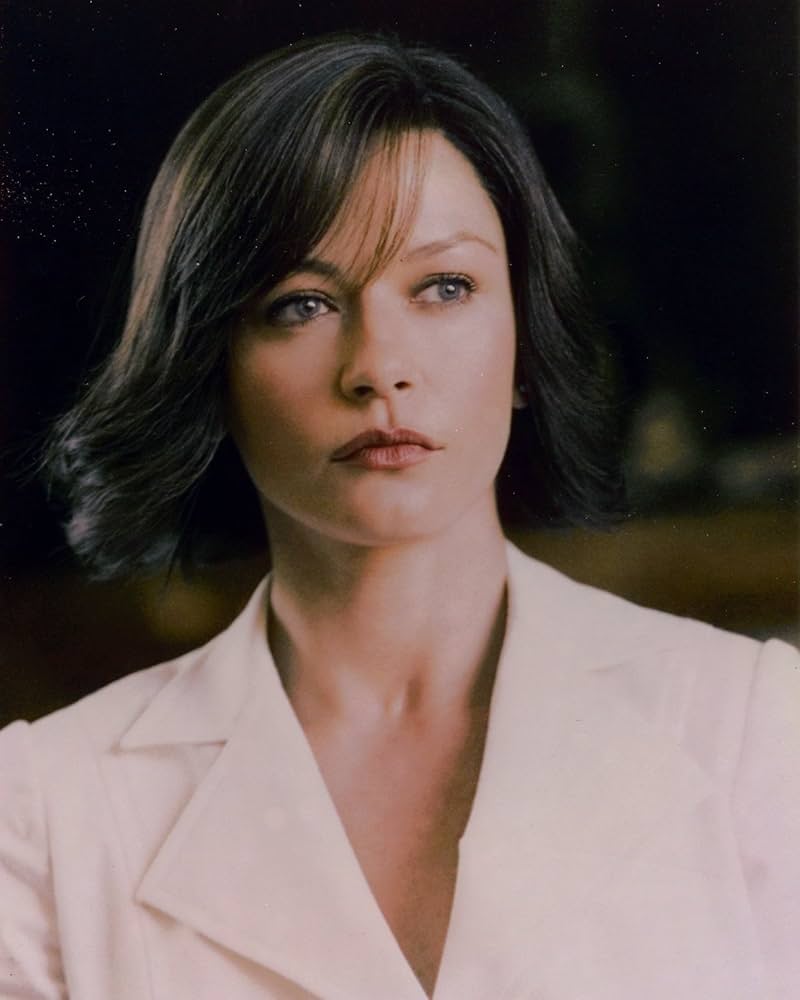
Catherine Zeta-Jones net worth is estimated at $150 million, but that number only tells half the story. Combined with husband Michael Douglas, the household fortune sits at $350 million. The distance between a £100,000 bingo win in Swansea and a four-home, two-continent real estate empire is the kind of wealth arc that only makes sense when you trace each era that built it.
| Full Name | Catherine Zeta-Jones CBE |
|---|---|
| Net Worth | $150 Million (individual) / $350 Million (combined with Michael Douglas) |
| Primary Income Source | Film & Television Acting, Brand Endorsements, Lifestyle Ventures |
| Career Span | 1984 – Present |
| Key Films | Chicago, The Mask of Zorro, Traffic, Entrapment, Ocean’s Twelve |
| Notable Business Ventures | Casa Zeta-Jones (lifestyle brand), T-Mobile ($10M deal) |
| Residence | New York City / Bermuda / Mallorca, Spain |
Before the Money
Catherine Zeta-Jones was born in Swansea, Wales, in 1969 to a sweet factory owner and a seamstress. The family lived modestly in the Treboeth neighborhood until a £100,000 bingo win changed the trajectory entirely. That windfall paid for private school, dance lessons, and ballet training. It was, in fact, the first investment the Jones family ever made in Catherine’s future.
By age 10, she was performing in West End productions of Annie and Bugsy Malone. At 15, she dropped out of school to pursue acting full-time in London. She became a national tap dancing champion before most kids finish secondary school. The stage work led to a breakthrough role in the West End production of 42nd Street, which led to television, which led to a move across the Atlantic that would rewrite her economics permanently.
ERA 1: The Welsh Export (1984-1997)
Zeta-Jones spent her teens and twenties building a career in British entertainment that was successful by UK standards but invisible to Hollywood. The Darling Buds of May (1991-1993) made her a household name in Britain, playing the farmer’s daughter Mariette opposite David Jason. The show drew 20 million viewers at its peak. However, the role also trapped her in a box: the pretty girl in period costume.
The LA Gamble
Dismayed at being typecast, Zeta-Jones made the calculation that separates UK-famous from globally wealthy. She relocated to Los Angeles with no Hollywood contacts and no American credits. The gamble was binary: either break through in the world’s biggest market or fade into the kind of steady British career that pays well but never compounds. She chose the bigger table. It took four years to prove the bet right.
ERA 2: The Zorro Economy (1998-2003)
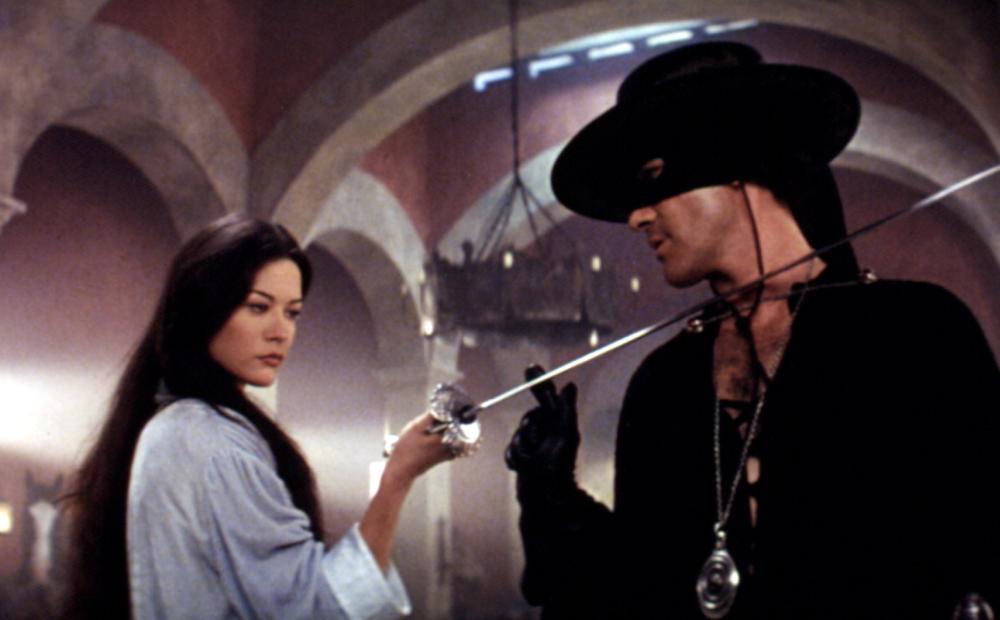
The Mask of Zorro (1998) changed everything. Costarring Antonio Banderas, the film grossed $250 million worldwide and introduced Zeta-Jones to an American audience that had never heard of Darling Buds. She wasn’t playing the token British beauty anymore. She was the female lead in a global tentpole. Consequently, her quote jumped from UK television rates to Hollywood seven figures.
$3M to $8M in Two Films
Entrapment (1999) paired her with Sean Connery and grossed $212 million. Then came Traffic (2000), directed by Steven Soderbergh, which won four Academy Awards and earned Zeta-Jones $3 million. Her performance as a drug kingpin’s wife proved she could do more than swing swords in corsets. Studios took notice.
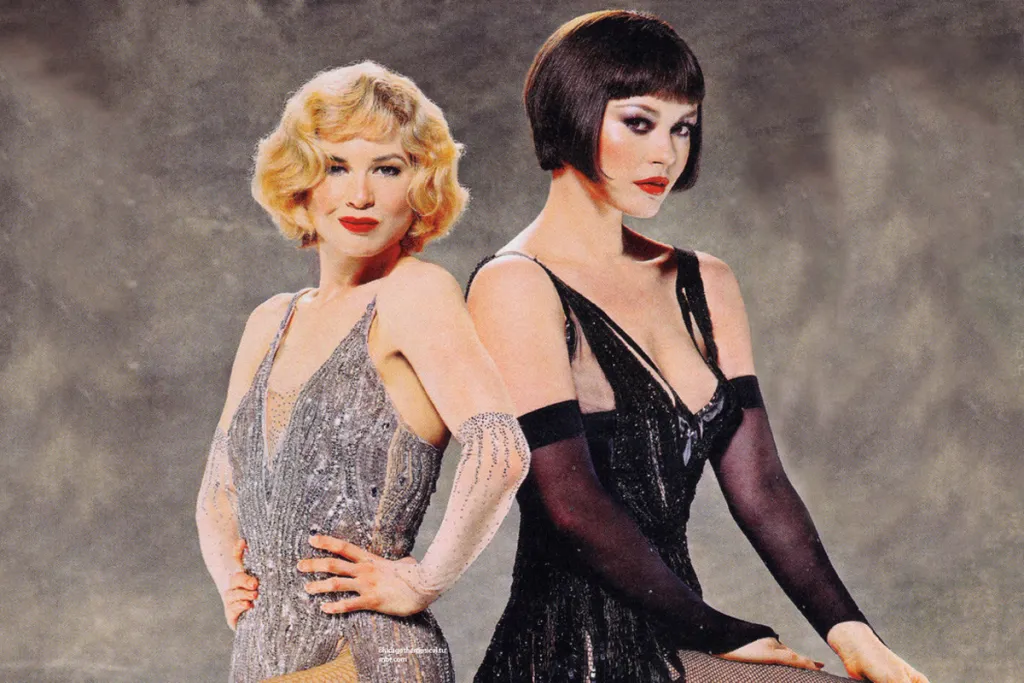
Two years later, Chicago (2002) sealed it. Zeta-Jones earned $8 million for the role of Velma Kelly, nearly tripling her Traffic salary. The film grossed $306 million worldwide and won Best Picture. She took home the Academy Award for Best Supporting Actress, a BAFTA, and a SAG Award. Notably, she starred alongside Richard Gere and Renée Zellweger, both of whom she outearned at the box office of their respective careers in that single film.
The T-Mobile Jackpot
In 2002, T-Mobile signed Zeta-Jones to a $10 million endorsement deal, one of the largest celebrity endorsement contracts of its era. The deal paid more than her Chicago salary. It demonstrated a principle that governs celebrity wealth: endorsement income can dwarf acting income when the face matches the brand. For Zeta-Jones, the combination of Oscar credibility and global beauty positioning made her one of the most valuable endorsement properties in the market.
ERA 3: The Douglas Merger (2004-2019)
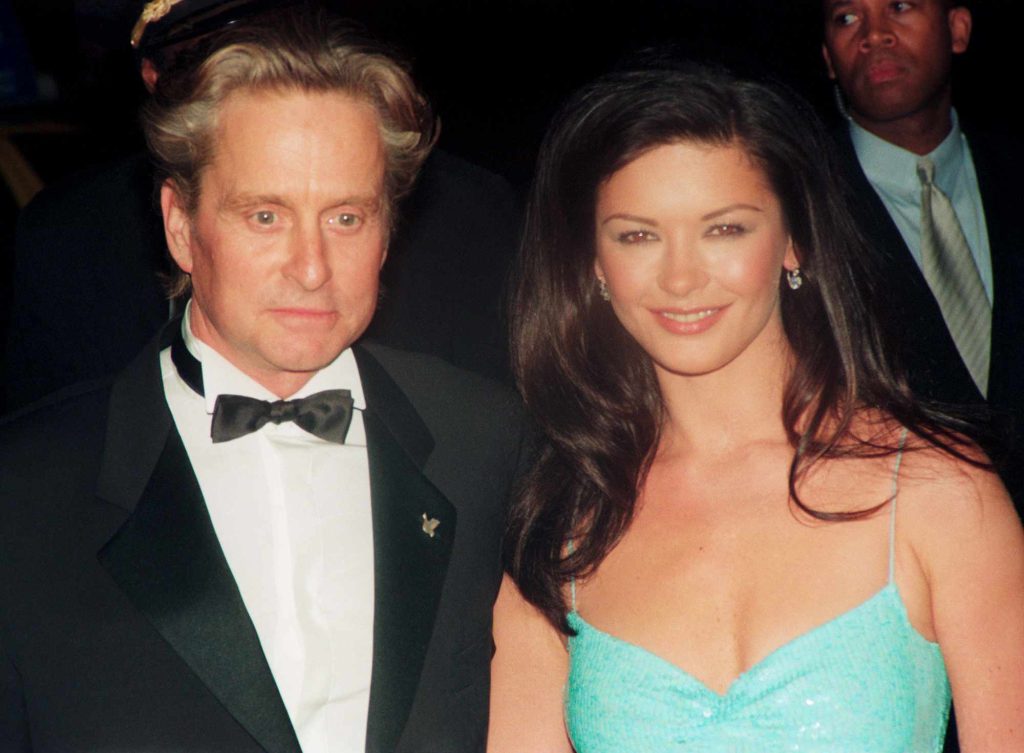
In 2000, Zeta-Jones married Michael Douglas, 25 years her senior. Douglas’s own net worth was already substantial from a career that included Wall Street, Fatal Attraction, and his father Kirk Douglas’s production company legacy. The marriage merged two fortunes into a combined entity that operates more like a family office than a celebrity household.
The Ocean’s Franchise and the Real Estate Play
Ocean’s Twelve (2004) placed her alongside George Clooney, Brad Pitt, and Julia Roberts. It was essentially a status audition: could she hold the screen with the biggest names in Hollywood? She could. The film grossed $363 million worldwide.

Meanwhile, the real estate portfolio was compounding. Zeta-Jones and Douglas purchased a property in Mallorca, Spain, for $3.5 million that they later listed for as much as $60 million. They bought a Westchester County estate for $11.2 million and sold it for $20.5 million. Additional properties in New York City, Bermuda, and Irvington, New York, brought the total real estate footprint to four homes across two continents.
Broadway and the Brand
In 2010, Zeta-Jones won a Tony Award for Best Leading Actress in a Musical for A Little Night Music. That made her one of the few performers to hold an Oscar, a Tony, and a BAFTA simultaneously. The same year, she was appointed Commander of the Order of the British Empire for her contributions to film and humanitarian work.
She also launched Casa Zeta-Jones, a home and lifestyle brand that extends her name into the premium consumer market. The venture positions her as a lifestyle authority rather than an aging actress chasing roles, a pivot that generates licensing revenue independent of screen time.
ERA 4: The Wednesday Comeback (2020-Present)
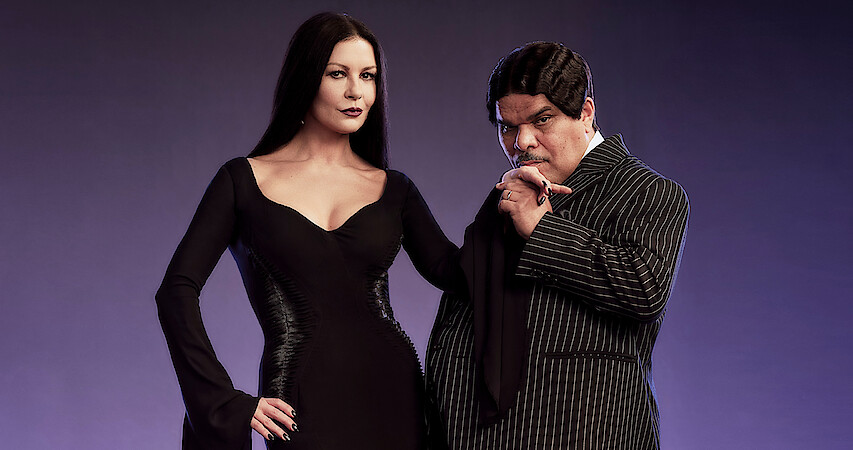
After a relatively quiet decade of selective film work, Zeta-Jones returned to the spotlight in the biggest possible way. Netflix cast her as Morticia Addams in Wednesday (2023), opposite Jenna Ortega. The show became one of Netflix’s most-watched series of all time, drawing over 250 million viewing hours in its first weeks.
The Netflix Math
While her exact Wednesday salary hasn’t been disclosed, comparable Netflix deals for established stars in breakout series suggest a range of $100,000-$150,000 per episode for season one. If the pattern of shows like Stranger Things holds, that number could triple for season two. Additionally, the visibility from a global Netflix hit reignites endorsement opportunities and licensing deals that had gone dormant during her quieter years.
At 56, Zeta-Jones is operating in a rare category: an actress whose cultural relevance has a second peak. The Wednesday audience skews younger than her film audience ever did. In effect, Netflix introduced her to a generation that never saw Chicago in theaters.
How Catherine Zeta-Jones’s $150M Fortune Breaks Down
Zeta-Jones’s individual net worth of $150 million is built on four income streams. Film and television acting anchors the portfolio, with career earnings estimated between $60-80 million across 40+ film and TV credits. Peak paydays include $8 million for Chicago, $3 million for Traffic, and undisclosed but substantial fees for Wednesday and the Ocean’s franchise.
Endorsements add a second layer. The $10 million T-Mobile contract set a standard that subsequent deals with Elizabeth Arden and other luxury brands have extended. Brand licensing through Casa Zeta-Jones generates ongoing royalty income.
Real estate represents the most aggressive wealth-building play. The Westchester County flip alone produced a $9.3 million gain. The Mallorca property, if sold anywhere near its $60 million listing, would represent a return of roughly 17x on the original $3.5 million purchase. Overall, the Douglas-Zeta-Jones real estate portfolio is likely worth $80-100 million across all properties.
However, the combined household figure of $350 million reflects the merger effect. Douglas brings his own film career earnings, production company revenue, and inherited assets from the Kirk Douglas estate. Together, they operate a wealth structure that no single acting career could build alone.
Where the Money Stands Now
Wednesday season two positions Zeta-Jones for her highest-earning television year. The show’s global success means her per-episode fee and backend participation will both increase significantly. Meanwhile, Casa Zeta-Jones continues to expand in the premium home and lifestyle space.
The real estate portfolio remains the silent engine. Properties in New York, Bermuda, Spain, and the Hudson Valley give the Douglas-Zeta-Jones household geographic diversification that most celebrity portfolios lack. If the Mallorca estate sells, the household net worth could approach $400 million.
Ultimately, the most remarkable number in Zeta-Jones’s fortune is the first one: £100,000. A bingo win in Swansea paid for the dance lessons that led to the West End. The West End led to Hollywood. Hollywood led to an Oscar. The Oscar led to Michael Douglas. And Michael Douglas led to $350 million. Every empire starts somewhere. This one started with five numbers on a card.
Where The Conversation Continues
Social Life Magazine covers the intersection of wealth, culture, and influence from the Hamptons to Manhattan. Our celebrity net worth coverage traces the economics, the leverage, and the decisions that built the fortune.
Our readers are family office principals, exit founders, fashion executives, and the advisors who serve them. For premium editorial placement and integrated advertising across print and digital, submit a paid feature or contact our business development team.
Want insider access to the events, launches, and gatherings that define the Hamptons social calendar? Sign up for Event Invites & Specials and never miss a moment.
Social Life Magazine. Twenty-three years of covering the people and places that define luxury in America.
Author

Written by
Recent Posts

Jetsetter Style: Castello del Sole

The First Decision After a Collision Can Be the Most Important One
Two Weeks in Rome and Beyond: Turkish Airlines Itineraries from Boston, Chicago and Onward to India

Top 10 Hair Transplant Clinics in Turkey 2026

Artist Alley to Online Store: How Convention Artists Can Keep Selling After the Event
Categories
- Art
- Articles
- Business of Luxury
- Celebrities
- Culture
- Entertainment
- Events
- Faces of Summer 2026
- Fashion
- Fashion & Style
- Featured
- Finance
- Food, Spirits, Wine
- Hamptons
- Hamptons Celebrities
- Health
- Health & Beauty
- Lifestyle
- Luxury Lifestyle
- Press
- Profiles
- Real Estate
- Technology
- The Chronicles
- Travel
- Uncategorized
- Weddings