

New York has been fighting the same polite war for 150 years: old money against new. It started in Gilded Age ballrooms and continues today at the bars of Manhattan’s private clubs. Here is how to tell the two sides apart, and why the war always ends the same way.
Old money vs. new money, at a glance
| Old money | New money | |
|---|---|---|
| Classic clubs | The Union Club (1836), the Knickerbocker (1871), the Colony Club (1903) | Zero Bond (2020), ZZ’s Club (2023), Kith Ivy (2025) |
| Drink | One martini, made the same way for 30 years | Whatever the bar is famous for this season |
| Clothes | Old, good and slightly worn | New, good and slightly loud |
| Talks about | Family, boarding schools, sailing | Deals, launches, the next thing |
| Biggest fear | Being irrelevant | Being found out |
| Secret envy | New money’s energy | Old money’s ease |
On February 16, 1892, The New York Times published a list. It was the “official” roster of New York society, released by Ward McAllister, a social adviser to Caroline Astor, and it became known as the Four Hundred, according to Wikipedia. Legend says 400 was the number of people who fit in Mrs. Astor’s ballroom. The list itself named far fewer.
The list was not just about who was in. It was about holding back a flood. New fortunes from railroads and industry were pouring into Manhattan, led by families like the Vanderbilts, and the old families were not sure what to do about them. Mrs. Astor eventually, reluctantly, let some of them in.
More than 130 years later, the same war is still being fought, just with better cocktails. Walk into any Manhattan club on a Thursday and you can see both armies at the bar.
What is the difference between old money and new money?
Old money refers to wealth that has been in a family for generations, usually inherited, and the habits that come with it: discretion, understatement and a strong attachment to tradition. New money refers to wealth earned in a single lifetime, often recently, and tends to be more visible, more energetic and more comfortable with change.
The difference is less about the money than about the relationship with it. Old money treats wealth like the weather: always there, not worth discussing. New money treats it like a promotion: hard-won, exciting and worth celebrating. Neither is wrong. They just make for very different dinner conversations.
How old money built its clubs
Old New York built its clubs to keep the mix stable. The Union Club opened in 1836. In 1871, some of its members decided it was admitting too many new people, so they left and founded the Knickerbocker Club, according to Wikipedia. In 1903, the Colony Club became the city’s first women’s club, according to Dan’s Papers.
Notice the pattern. Every time new money arrived, old money built a newer, smaller room. It is a bit like the families who keep moving one town further out every time the old town gets popular. The address changes. The instinct does not.
How new money built its own
New money eventually stopped knocking on old doors and built its own. Soho House opened in London in 1995 for creative people who did not fit into traditional gentlemen’s clubs, and arrived in New York in 2003. The post-2020 wave went further: Zero Bond, ZZ’s Club, Kith Ivy and Chez Margaux, most of them run by hospitality groups or brands rather than member committees.
These clubs reflect new-money values. They prize energy over pedigree, food over furniture, and a great room over a long history. ZZ’s Club, from the team behind Carbone, is louder and more glamorous than any Gilded Age parlor, and that is entirely the point. Our story on ZZ’s Club New York shows what new money builds when it stops asking permission.
How can you tell old money from new money at a club?
At a club, old money usually shows up in older, well-made clothes, speaks quietly, knows the staff by name and talks about family and history. New money is more likely to wear something new and recognizable, talk about work and deals, and try the latest thing on the menu. Both groups are usually polite. Both are watching each other.
The surest tell is the drink. Old money orders the same thing it has ordered since 1994. New money asks the bartender what is good tonight. Bartenders, who have seen everything, love both: one for the loyalty, one for the tips.
Where the two sides actually meet
The old and new rarely mix at the oldest clubs, but they meet constantly at the newer ones. Downtown clubs such as Zero Bond and Casa Cipriani price membership by age, which pulls in younger members, and committees deliberately mix industries. An heir and a founder end up at the same table more often than either would admit.
That is usually where the war ends. The heir is fascinated by someone who built something from nothing. The founder is fascinated by someone who seems completely at ease in a room. Each has what the other wants. Our field guide to the people inside NYC’s clubs introduces the Heir and the Founder Who Sold, who tend to become close friends.
Who wins the old money vs. new money war?
Nobody wins, because the war always ends the same way: new money becomes old money. The Vanderbilts were the upstarts of 1892. Within a generation they were the establishment. Today’s founders and their children will be tomorrow’s heirs, quietly wondering who let in all these new people.
That is the real comedy of New York society. Every generation thinks it is guarding the door, and every generation turns out to be the line the next one is waiting in. Our story on how to spot a fake billionaire covers the people who skip both groups and just pretend.
The best of both
The happiest people in any Manhattan club tend to borrow from both sides. They have new money’s curiosity and energy, and old money’s manners and patience. They build things, and they also know how to sit still at a long dinner and listen.
That combination is available to anyone, whatever their bank account. Be ambitious and be gracious. Celebrate the deal and remember the doorman’s name. Mrs. Astor would approve, and so would the founders of every club that opened last year. For the bigger picture, read our guide to the velvet rope wars.
Frequently asked questions
What was the Four Hundred in New York?
The Four Hundred was a list of New York’s leading society families, associated with Caroline Astor and her adviser Ward McAllister. The New York Times published the “official” list on February 16, 1892. Legend links the number to the capacity of Mrs. Astor’s ballroom, though the list named fewer people.
What is the oldest private club in New York?
The Union Club of the City of New York, founded in 1836, is generally considered the city’s oldest private social club. The Knickerbocker Club was founded in 1871 by Union Club members who felt its admission standards had slipped.
Is old money or new money more common in NYC clubs today?
Both are present, but the newest Manhattan clubs, such as Zero Bond, ZZ’s Club and Kith Ivy, lean toward recently earned wealth and younger members. Older clubs such as the Knickerbocker remain associated with long-established families.
Sources
Author

Written by
Recent Posts
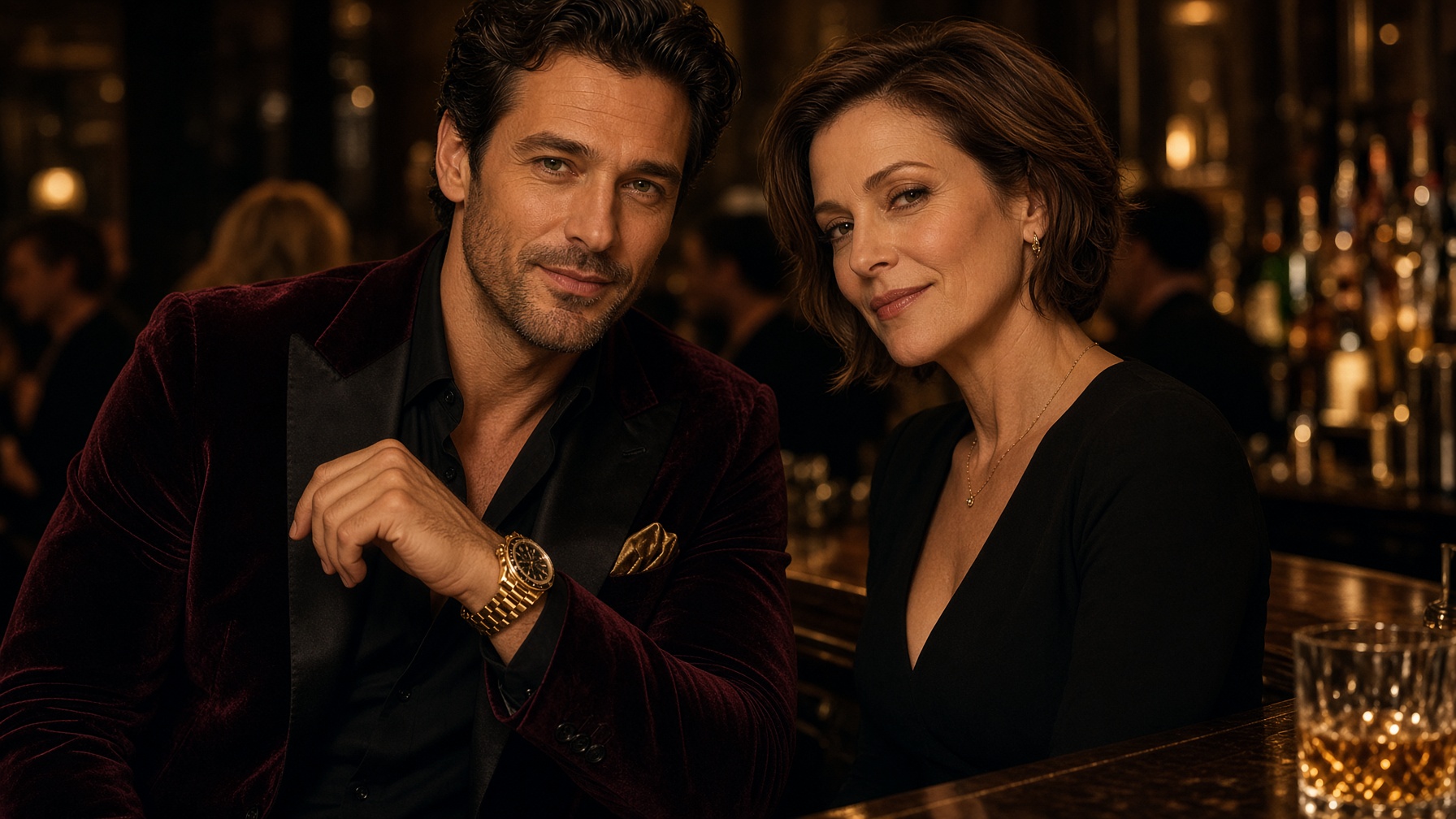
The Fake Billionaire: How to Spot the Guy Renting the Rolex and the Table

Trust-Fund Kids vs. New Money: The Cold War Being Fought Over Martinis

The Club Wife, the Club Girlfriend and the Club Husband: How Couples Share a Membership Card

Influencers Need Not Apply: Why NYC’s Elite Clubs Banned Phones (and Who Still Sneaks Them In)

The Social Climber’s Playbook: From Plus-One to Platinum Member in 12 Months
Categories
- Art
- Articles
- Business of Luxury
- Celebrities
- Culture
- Entertainment
- Events
- Faces of Summer 2026
- Fashion
- Fashion & Style
- Featured
- Finance
- Food, Spirits, Wine
- Hamptons
- Hamptons Celebrities
- Health
- Health & Beauty
- Lifestyle
- Luxury Lifestyle
- Press
- Profiles
- Real Estate
- Technology
- The Chronicles
- Travel
- Uncategorized
- Weddings