
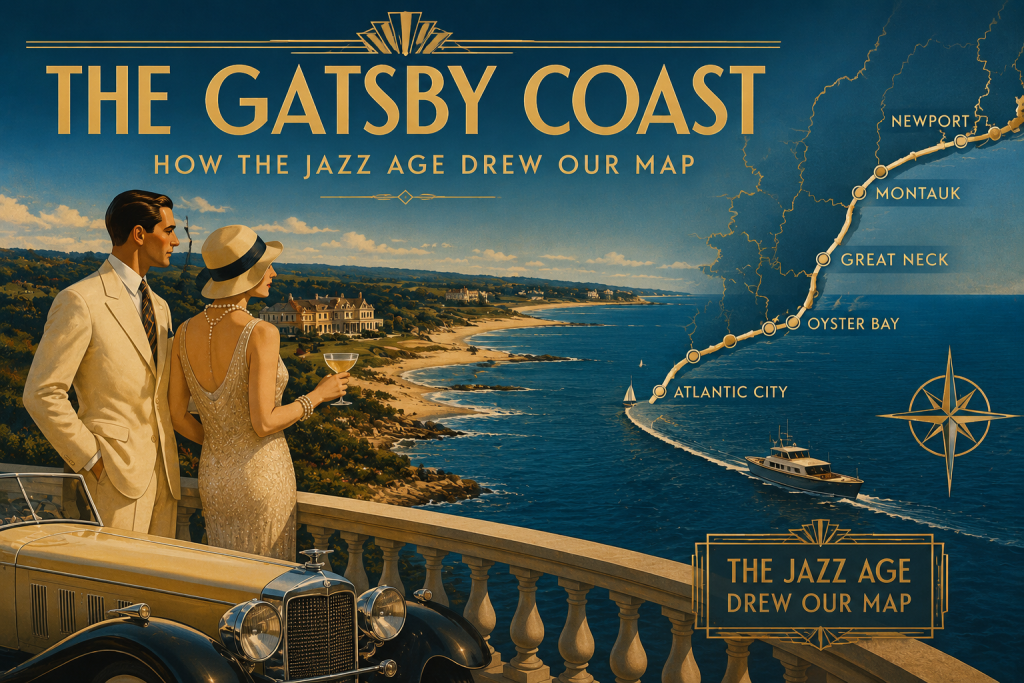
The map you summer on was drawn by people throwing parties they could not afford to remember. In the 1920s the North Shore of Long Island became the Gold Coast, a dense ribbon of mansions where the richest names in America built their dreams within sight of one another. F. Scott Fitzgerald watched it all, took notes, and turned the spectacle into The Great Gatsby. A century later, the social codes he recorded still run the East End.
The Gold Coast was not the Hamptons, not yet. But it was the rehearsal. The same money, the same hierarchies, and the same hunger for social proof that built those estates eventually migrated east and became the world you know. Understand the Gold Coast and you understand where the rules came from.
The Coast That Money Built
The Gold Coast ran along Long Island’s North Shore, roughly from Great Neck out toward Centerport. By the 1920s it held one of the densest concentrations of great estates on the planet. The residents read like a roll call of American capital, since Vanderbilts, Morgans, Whitneys, Guggenheims, Pratts, and Woolworths all kept houses there.
These were not summer cottages. They were palaces, with names instead of addresses. Otto Kahn’s OHEKA rose as one of the largest private homes ever built in the country. Clarence Mackay entertained the Prince of Wales at his Roslyn estate, Harbor Hill, in a manner the real Gatsby could only envy.
Fitzgerald’s Two Eggs
Fitzgerald wrote the novel while living in Great Neck, close enough to smell the money. He split the world he saw into two fictional peninsulas, and the split was pure status anthropology. West Egg held the new money, the strivers, the Gatsbys with cash but no lineage. East Egg held the old money, the Buchanans, secure in a wealth they never had to explain.
That distinction is the whole engine of the book. New money performs. Old money simply exists. Gatsby throws the parties because he has to prove something, while the Buchanans attend because they have nothing left to prove.
The Codes That Outlived the Estates
Here is what should stop the modern reader cold. That exact tension still defines Hamptons society today. The newly rich VC who buys oceanfront in Southampton is playing Gatsby, throwing the party, seeking the nod. The family that has summered on Further Lane for four generations is playing Buchanan, quietly secure, faintly amused.
Fitzgerald named the dynamic a hundred years ago, and nobody has improved on it since. The brands change. Cars change. The performance of new money chasing old money’s approval does not.
The Real Houses Behind the Fiction
Fitzgerald did not copy one mansion. Instead, he blended several, sometimes shuffling their locations so neighbors ended up across imaginary water from each other. Scholars still argue over which estate inspired which fictional house, and the East End markets every plausible candidate.
Sands Point in Port Washington is often named as a model for the old-money East Egg. The Phipps estate, Old Westbury Gardens, gets cited as a stand-in for Daisy Buchanan’s home, and it later inspired Baz Luhrmann’s film. Many of these houses are gone now, lost to fire and the bulldozer, their grandeur surviving only in photographs and ground plans.
How the Party Moved East
The Gold Coast did not last. Estate taxes, the Depression, and the slow march of suburbia broke up the great holdings. The carving knife came for the palaces, and developers turned polo fields into subdivisions. The social energy needed somewhere new to go.
It went east, of course. The Hamptons, long a quieter retreat for artists and old families, absorbed the ambition the Gold Coast could no longer hold. By the postwar decades, the performance had relocated to Southampton and East Hampton, then to Montauk. The estates moved. The script stayed the same.
Montauk’s Gatsby Footnote
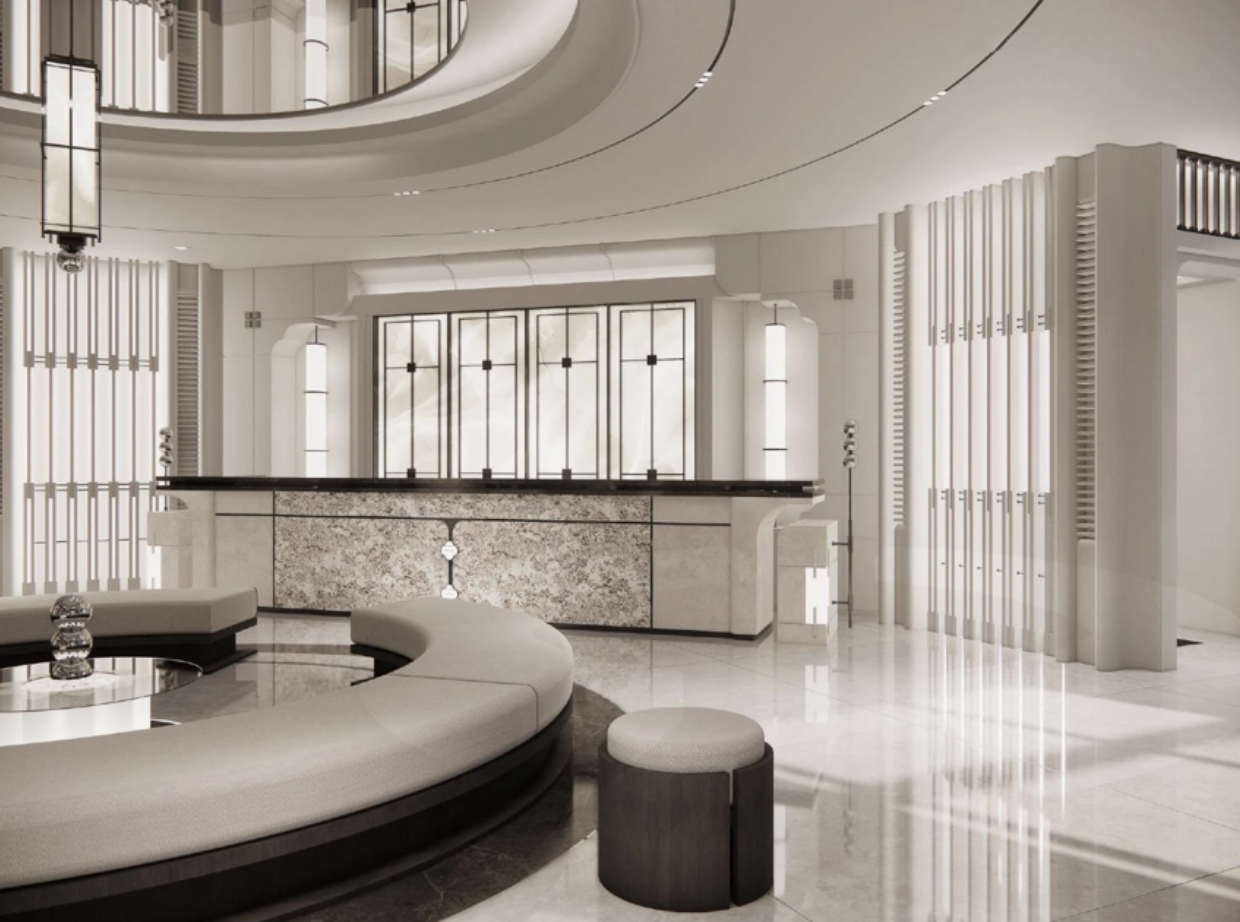
The East End even got its own Jazz Age monument. Montauk Manor, built in 1927 on a hilltop, still serves those Gatsby notes at every turn, with period furnishings and dazzling chandeliers in the lobby. It belongs to the same boom that built the Gold Coast, as we trace in Carl Fisher’s Montauk.
Why the Old Map Still Matters
The Gold Coast teaches the single most useful lesson in Hamptons social life. Wealth is the entry fee, but status is a separate currency, and the two do not convert automatically. Gatsby had the money and never got the membership. That gap is exactly what the modern East End sells and withholds.
If you want to understand where you stand in that economy, start with the codes Fitzgerald wrote down. The broader history sits in our pillar on the last future we agreed on, and the towers that crowned the same era live in the race to the sky. For the rooms where this society performed, see Radio City and café society.
Where The Conversation Continues
The party that became the Hamptons started on the Gold Coast, and the rules have not changed in a hundred years. Social Life Magazine has spent twenty-three summers reading those rules for the people who need to know them. Some readers want the map. Others want to be on it.
Get the codes the old families already know, and keep this work alive at sociallifemagazine.com. Become a patron of the archive here. A yes is an invitation. A no is a green light across the water you never reach.
Author
Written by
Recent Posts

Sculpting Chic

Inside the Year-Round Hot Yoga Spot Quietly Becoming the Hamptons’ Real Club
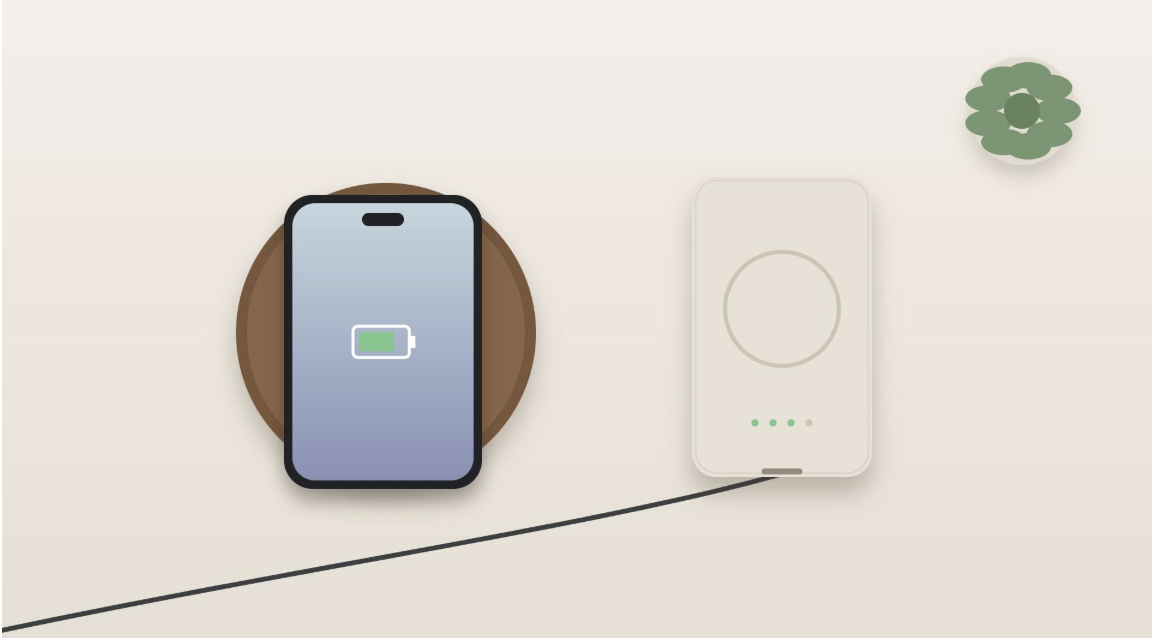
How to Choose Useful Tech Gifts for Employees and Clients in 2026
The Garage Question: Which Car Goes South for the Season?
VandS Clinic Review Treatment: How Seoul Injectable and Laser Options Compare for US Patients
Categories
- Art
- Articles
- Business of Luxury
- Celebrities
- Culture
- Entertainment
- Events
- Faces of Summer 2026
- Fashion
- Fashion & Style
- Featured
- Finance
- Food, Spirits, Wine
- Hamptons
- Hamptons Celebrities
- Health
- Health & Beauty
- Lifestyle
- Luxury Lifestyle
- Press
- Profiles
- Real Estate
- Technology
- The Chronicles
- Travel
- Uncategorized
- Weddings