
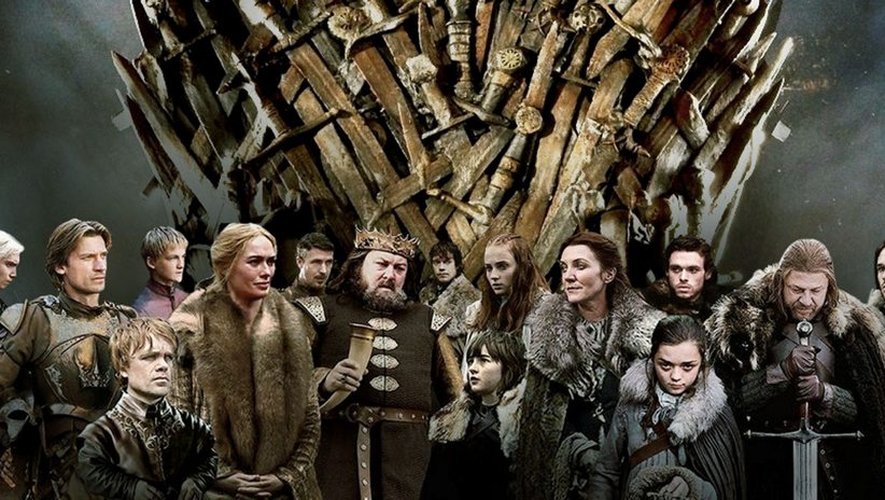
This is what made Game of Thrones the last monocultural television event in American history. Not the dragons. Certainly not the budget, which by Season 8 had reached $15 million per episode. And not the nudity, the violence, the Red Wedding, the inexplicable survival of Samwell Tarly across eight seasons of combat. The show mattered because it asked, with genuine seriousness and considerable narrative courage, what it actually costs to want power — and then answered that question with a honesty that television, before April 2011, had structurally declined to provide.
Why the Show Mattered
Game of Thrones aired on HBO from April 17, 2011, to May 19, 2019. It won 59 Primetime Emmy Awards — more than any drama series in Emmy history. At its peak, an estimated 44 million viewers watched each episode across all platforms. It is, by most available metrics, the most watched and most discussed narrative television series ever produced. This is the complete guide to all eight seasons, every major character, and the actors whose performances made Westeros real enough that its ending could break the hearts of people who had never once in their lives believed in dragons.
The Argument Beneath the Fantasy: What the Show Is Actually About
The Iron Throne as Mechanism, Not Symbol
There is a version of this analysis that treats Game of Thrones as a prestige fantasy drama — which it is — and stops there. That version is available elsewhere and is not wrong, exactly, but it misses the structural argument the show is making with every plot turn, every death, every decision to kill a character at the precise moment their arc reaches its most emotionally resonant point. The show is not about who should sit on the Iron Throne. It is about what sitting on the Iron Throne does to the person sitting on it.
Ned Stark dies in Episode 9 of Season 1. Ned is the protagonist of that season in the most conventional narrative sense — honorable, competent, beloved, positioned at the center of the story’s moral universe. A conspiracy threatening the realm surfaces before him. He attempts to address it through legitimate institutional channels. He is publicly executed for it. The execution is not a twist. It is a thesis. Furthermore, it establishes the operating logic the show will run on for the next seven years: virtue is not a shield. Institutions do not protect those who serve them honestly. The rules everyone agreed to follow were only ever kept by the people who had no immediate reason to break them.
George R.R. Martin’s Source Material and Its Television Translation
The series adapts George R.R. Martin’s A Song of Ice and Fire novels, beginning with A Game of Thrones (1996). Martin had published five of a planned seven volumes when the show overtook his output in Season 5. The first four seasons adapt the first three books with considerable fidelity. This fidelity is not incidental to the show’s quality.
Martin built, across thousands of pages, a world with the density of actual history — where every political arrangement has a genealogy, every alliance has a cost, every death has structural consequences that ripple forward across years of narrative. Showrunners David Benioff and D.B. Weiss translated this density into television with remarkable precision through Season 4. The work of adaptation was itself a creative achievement. When the source material ran out, something else happened — something the final seasons document with painful clarity.
The Show’s Central Cast of Characters
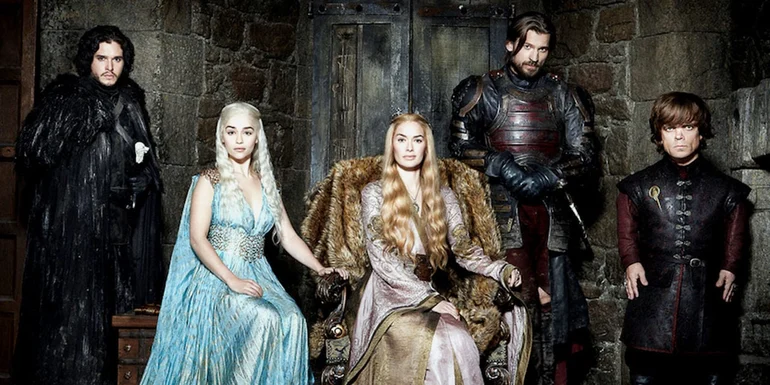
Unlike most prestige dramas, Game of Thrones has no single protagonist. It has seven noble houses, three continental landmasses, and at peak complexity approximately thirty characters whose narrative threads the show tracks simultaneously.
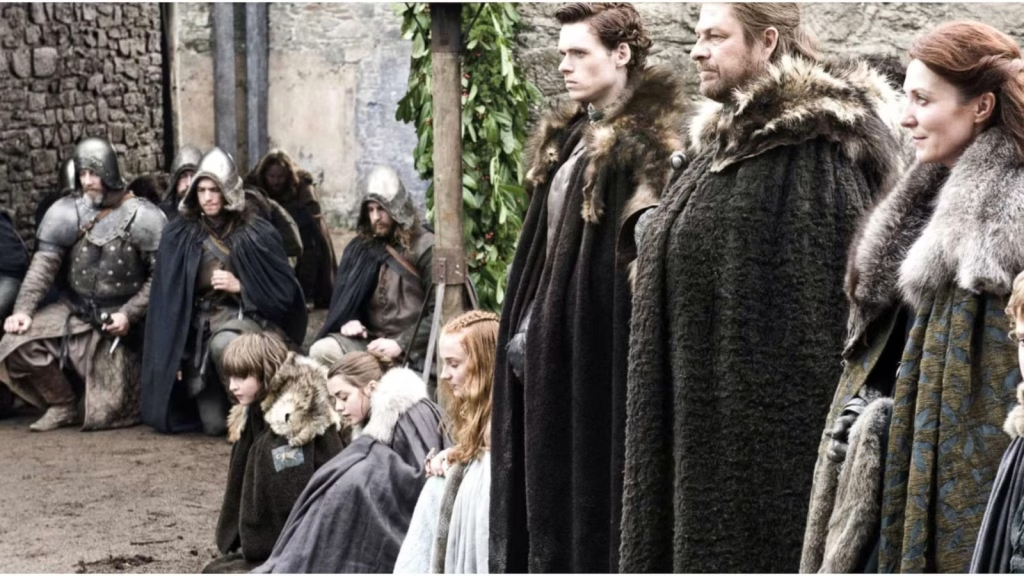
The Starks of Winterfell represent the show’s moral north — honor, duty, a code of loyalty the rest of Westeros finds naive and then proves is naive by killing everyone who operates on it. Across the continent, the Lannisters of Casterly Rock represent the political south — wealth, ambition, the specific family love that requires everyone outside the family to be either an instrument or an obstacle. Beyond the Narrow Sea, the exiled Targaryens carry the bloodline of the old empire and its particular combination of brilliance and instability. Around these three poles, the show constructs a world of such intricate competing interests that every major event feels both shocking and, in retrospect, structurally inevitable.
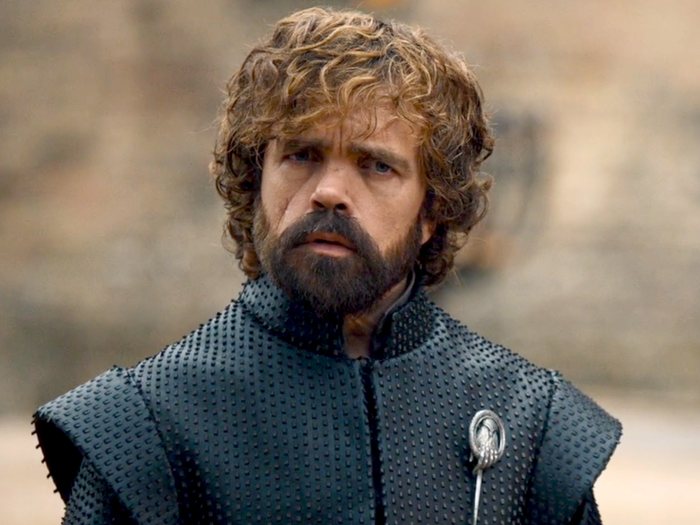
For the actors who inhabited this world, see our complete cast profiles: Peter Dinklage, Emilia Clarke, Kit Harington, Lena Headey, Jason Momoa, and Maisie Williams. For the full landscape of culture and power across Social Life’s content empire, visit our Culture and Power hub.
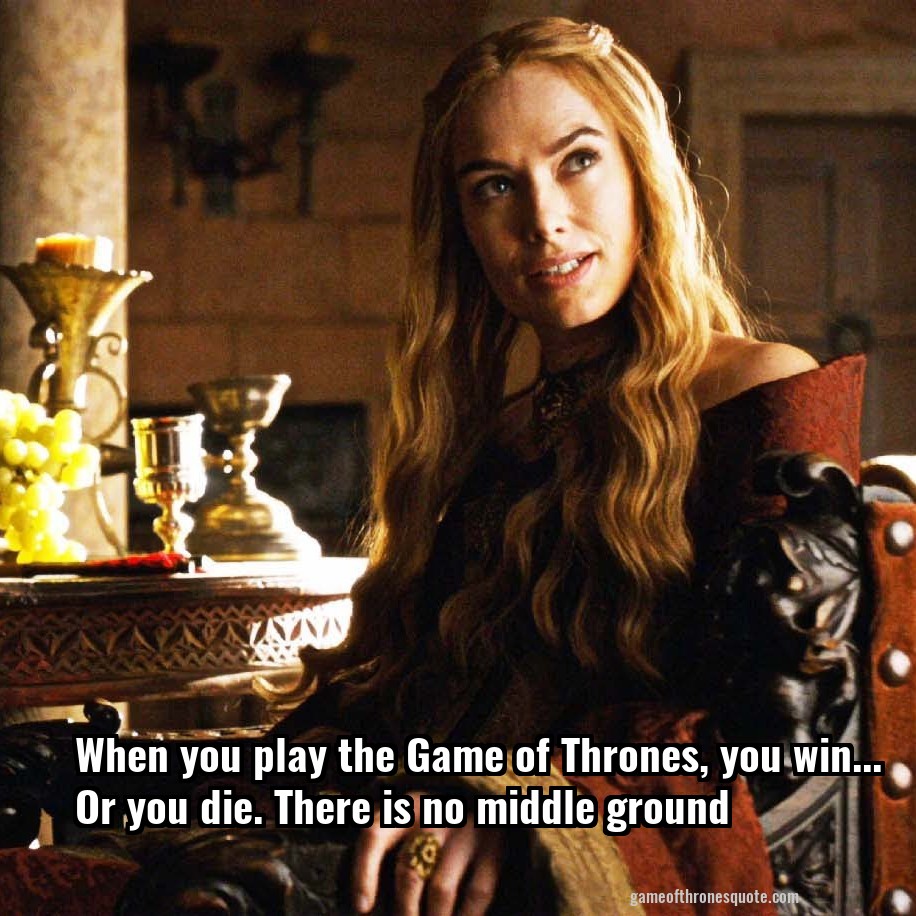
Season One: “You Win or You Die” — The Rules Get Established and Then Immediately Broken
The Opening Gambit
Season 1 opens north of the Wall — beyond the boundary of the known world, beyond the jurisdiction of any of the competing political claims the rest of the season will dramatize — with three men of the Night’s Watch encountering something that should not exist. Two of them die. One runs. The show then cuts to Winterfell, to the Stark family, to a world of horses and cold mornings and children learning to use swords.
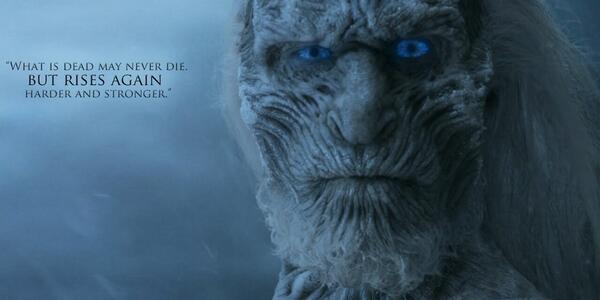
The show does not return to the thing north of the Wall for several episodes. That structural decision is precise. The supernatural threat is real. It is also completely irrelevant to the political drama about to consume everyone’s attention. By the time the people arguing over the Iron Throne remember the supernatural threat exists, it will be too late in several compounding senses simultaneously.
Ned Stark and the Cost of Being Right
Sean Bean’s Ned Stark arrives at King’s Landing as Hand of the King — the realm’s chief administrator, the man who runs the government while the king drinks and hunts. He discovers almost immediately that someone murdered the previous Hand and connected the killing to the succession of the throne. His investigation is honest. Proper channels receive proper information. He gives the person he is about to expose the opportunity to confess. Throughout all of this, he operates as though the system will protect a man who serves it faithfully. The system does not protect him. His allies betray him. Guards arrest him. His executioners behead him in front of his daughters while his son’s army marches to rescue him from two hundred miles away.
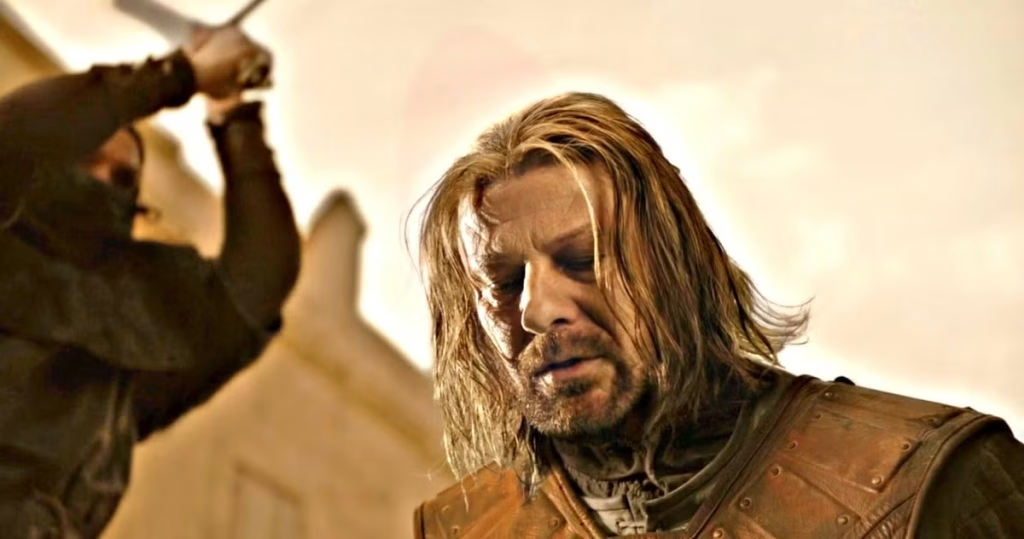
His death generates genuine shock. It is supposed to. Before Game of Thrones, narrative television protected its protagonists as a structural guarantee. Protagonists could be injured, imperiled, threatened, but they survived — because they were the protagonist, and the protagonist’s survival is the implicit contract of most serialized drama. Ned Stark’s execution voided that contract. Everything that follows in the next seven seasons builds on the structural foundation that void created: nobody is safe, consequence is real, and the question of who survives is answered by the logic of the world rather than the logic of narrative sympathy.
Daenerys Across the Narrow Sea
Across the Narrow Sea in Essos, Daenerys Targaryen arrives in Essos as a terrified girl with no agency and no allies — her brother has sold her to a Dothraki warlord in exchange for an army. By the season’s end, her brother is dead, her husband is dead, and she walks out of a funeral pyre unburned, carrying three creatures the world believed extinct.
The transformation is not a triumph in any uncomplicated sense. From the beginning, the show frames her arc as the acquisition of something dangerous rather than the discovery of something righteous. Her dragons are beautiful. Her Dothraki are terrifying. The blood magic that kills Khal Drogo to save him carries an explicit price: it costs more than it returns. Power, in Game of Thrones, always costs more than it returns. Season 1 establishes this and never revises it.
Season Two: “What Is Dead May Never Die” — The War of Five Kings and the Shape of Chaos
Five Claimants, One Throne, Zero Legitimate Answers
Season 2 expands the show’s canvas from one kingdom’s political crisis to a continent-wide civil war. Five claimants contest the Iron Throne simultaneously: Joffrey Baratheon in King’s Landing, Stannis Baratheon from Dragonstone, Renly Baratheon from the Stormlands, Robb Stark in the North, and — by the end of the season — Balon Greyjoy from the Iron Islands. The multiplication of claimants is the show’s argument made structural. Every single one of them has a reason to believe they are the rightful heir. Every single one of them is destroying the realm while making that argument. The throne does not become more legitimate because more people want it. It becomes less so.
Tyrion Lannister arrives in King’s Landing as acting Hand of the King — a role he performs with remarkable competence, given that he is operating in a court that despises him, working for a nephew he correctly identifies as catastrophically unfit to rule, and managing a war effort with resources that keep being redirected by his sister’s personal vendettas. His competence is the season’s most sustained argument about the relationship between intelligence and power. Tyrion is the smartest political operator in King’s Landing. Consequently, he is also the most vulnerable person in it. The show never stops making this point.
The Battle of the Blackwater
Episode 9 of Season 2 — “Blackwater” — is the show’s first episode set entirely in a single location: the defense of King’s Landing against Stannis Baratheon’s naval assault. At that moment, it is the most expensive hour of television ever produced. More importantly, it proves the show can execute spectacle at cinematic scale without losing narrative specificity.
The wildfire explosion that destroys Stannis’s fleet is not merely a special effects achievement. It is a character moment for Tyrion — a man who has improvised a military solution from available resources and watches it work in real time, against a genuine threat, in a battle he has a personal stake in winning. People who matter die. Furthermore, the victory produces no resolution — Stannis is defeated but not destroyed, and the political arrangements that made the battle necessary remain entirely intact.
Season Three: “And Now His Watch Is Ended” — The Red Wedding and the Death of Safety
What the Red Wedding Did to Television
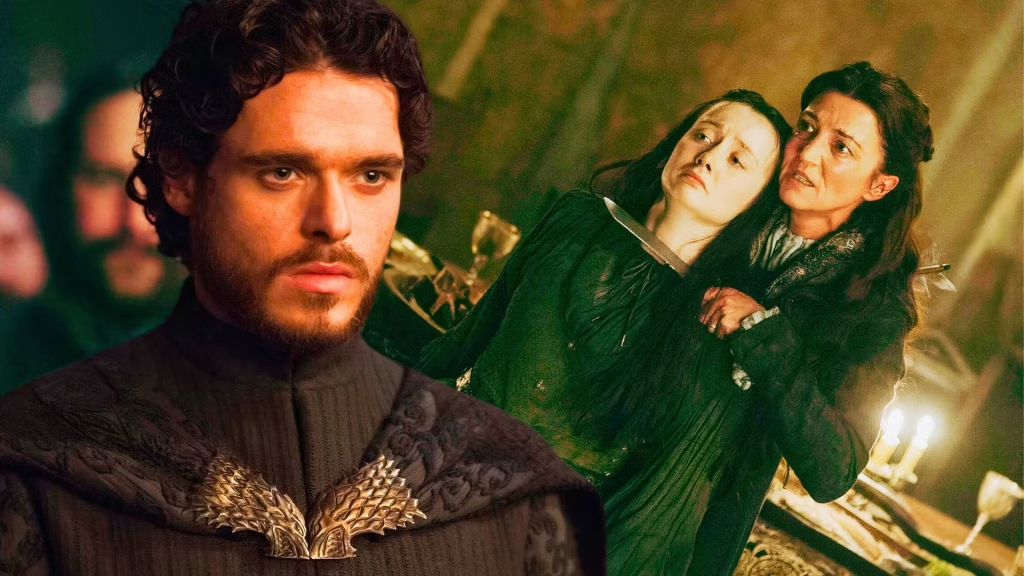
Episode 9 of Season 3 — “The Rains of Castamere” — contains what became known as the Red Wedding: the murder of Robb Stark, his wife Talisa, and his mother Catelyn Tully at a celebration they attended under a host’s guarantee of guest right — the sacred Northern tradition that prohibits violence against a welcomed guest. The show spent two seasons building Robb Stark as the North’s best military commander, an undefeated general whose war against the Lannisters was the closest thing the post-Ned narrative had to a protagonist-shaped object. The wedding scene lasts approximately fifteen minutes. Then Robb is dead, his wife is dead, his unborn child is dead, and his mother’s throat is cut while she stares at nothing.
The scene did something to its audience that is difficult to overstate. It established, permanently and without appeal, that the show would not protect characters because audiences loved them. Good people received no protection. Narratively premature deaths were permitted. The Red Wedding killed Robb Stark because Robb Stark made a political error — he broke an oath to marry a woman he loved — and in Game of Thrones, political errors have consequences. That logic is simultaneously brutal and honest. It is the logic of actual history, applied to a fantasy world with such consistency that the fantasy world starts to feel more real than the narratively convenient alternatives.
Arya Stark, the Hound, and the Education in Survival
Maisie Williams’s Arya Stark spends Season 3 as a prisoner, then a fugitive, then a witness to her family’s massacre. She is twelve years old in the narrative. She has been traveling across a war-torn country with a violent man who previously killed her friend. By the season’s end, she has killed for the first time — a Frey soldier outside the Red Wedding, using a coin she was given by a Faceless Man assassin as payment for a future debt. The show presents the killing without commentary. The show does not tell you how to feel about a twelve-year-old committing murder. It presents the action, holds the camera on her face, and lets you work out the moral math yourself. That restraint — the refusal to editorialize — is one of the show’s most consistent and most demanding qualities.
Season Four: “The Laws of Gods and Men” — Joffrey Dies and the Consequences Only Multiply
The Purple Wedding and What It Proved
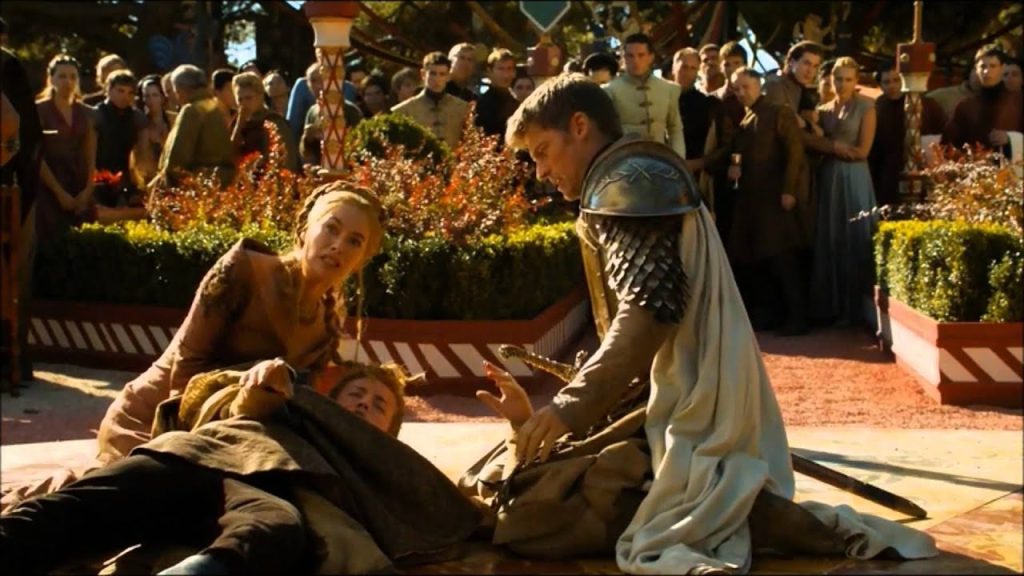
Joffrey Baratheon is poisoned at his own wedding feast in Season 4. He dies badly — choking, purpling, reaching for his mother — and the audience cheers. This is the show’s most intentionally engineered catharsis, the event it spent three seasons building toward, the death that was supposed to feel like relief. It does feel like relief. Then, almost immediately, it stops feeling like relief. His death destabilizes every political arrangement in King’s Landing. His even less competent younger brother takes the throne. The trial that follows destroys Tyrion. Cersei spirals further into paranoia and isolation. Joffrey’s death does not resolve the show’s central problem. It accelerates it. Moreover, it demonstrates the show’s most consistent argument: in a system that produces Joffreys, removing any specific Joffrey does not fix the system. It creates the conditions for the next one.
Tyrion’s Trial and the Speech That Defines the Series
Accused of poisoning Joffrey, Tyrion Lannister delivers, in Episode 6 of Season 4, the defining speech of the entire series. He does not deny the charge or make a measured legal argument. What he delivers is an indictment. He tells the court — his father, his sister, the entire power structure that has spent his life treating his existence as an offense — that he did not kill Joffrey, but wishes he had. He is on trial, he tells them, not for murder but for being a dwarf. From the moment he was born, they have waited for him to die, and he has refused to have the decency to oblige. He demands trial by combat.
Peter Dinklage performs this scene without a single false note across its full five minutes. The speech works not because Tyrion is heroic — he is not, particularly, at this narrative juncture — but because he is accurate. His judges are corrupt. Their charge is politically motivated. Their verdict is predetermined. His rage is proportionate to the injustice he is being subjected to. In a show that consistently punishes virtue and rewards cynicism, Tyrion’s rage at being punished for the crime of existing is the show’s moral center made audible. It is also, effectively, the last moment of that moral center before everything that follows begins its slow erosion.
The Mountain and the Viper
Oberyn Martell — the Red Viper of Dorne, newly arrived at King’s Landing, charismatic and lethal and deeply motivated by personal grievance — agrees to be Tyrion’s champion in the trial by combat. Oberyn fights Gregor Clegane, “the Mountain.” Winning, by every observable metric — faster, more skilled, more precise. He wins the combat. Then he pauses to make the Mountain confess to the murder of his sister before delivering the killing blow. Consequently, the Mountain grabs him, gouges his eyes out, and crushes his skull. Oberyn Martell dies because he wanted justice more than he wanted victory. The show will not tell you what to do with that. The show will simply show it to you and let it sit.
Season Five: “The Dance of Dragons” — Beyond the Books and Into Uncertain Territory
What Changes When the Source Material Runs Out
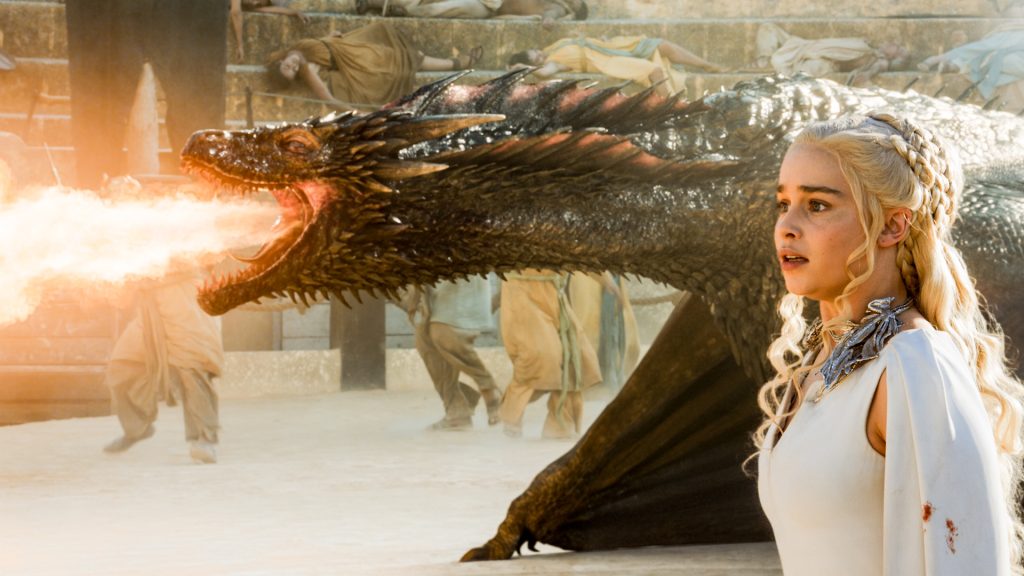
Season 5 is the season where Benioff and Weiss outrun Martin’s published material and begin navigating by outline rather than by text. This transition is not invisible. The show’s dialogue, in Seasons 1 through 4, carries the specific density of prose that has been refined across thousands of pages of revision. Characters speak with the weight of people who exist beyond their scenes. In Season 5, something in that density begins to thin. Characters start making decisions that serve plot momentum rather than character logic. Events that in the novels required seasons of structural preparation begin arriving on compressed schedules.
The season is not bad. Jon Snow’s arc at Castle Black — his leadership of the Night’s Watch, his decision to ally with the wildlings against the White Walkers, his assassination by his own men — is among the show’s finest narrative sequences. Hardhome, Episode 8, delivers what was at that point the series’ most spectacular battle sequence and its clearest demonstration of the show’s supernatural stakes. Nevertheless, something has shifted. The precision has become slightly approximate. The consequence-logic has become slightly negotiable. These are small changes. Their cumulative effect will be significant.
Season Six: “Battle of the Bastards” — The Resurrection and the Reckoning
Jon Snow Returns and What His Return Costs the Show’s Logic
Jon Snow was stabbed to death at the end of Season 5 by members of the Night’s Watch who objected to his wildling alliance. Season 6 resurrects him via the Red Priestess Melisandre. The resurrection is narratively satisfying. It is also the moment the show’s operating logic — that narrative importance protects no character from consequence — quietly negotiates with itself. Jon Snow is too important to the endgame to stay dead. The show has decided this. The resurrection of a major character who has died is not the same thing as the death of a major character who was supposed to be alive. Furthermore, it signals something the audience registers subconsciously before they can articulate it: certain characters are now load-bearing. Load-bearing characters do not die. The guarantee has been partially reinstated.
The Battle of the Bastards
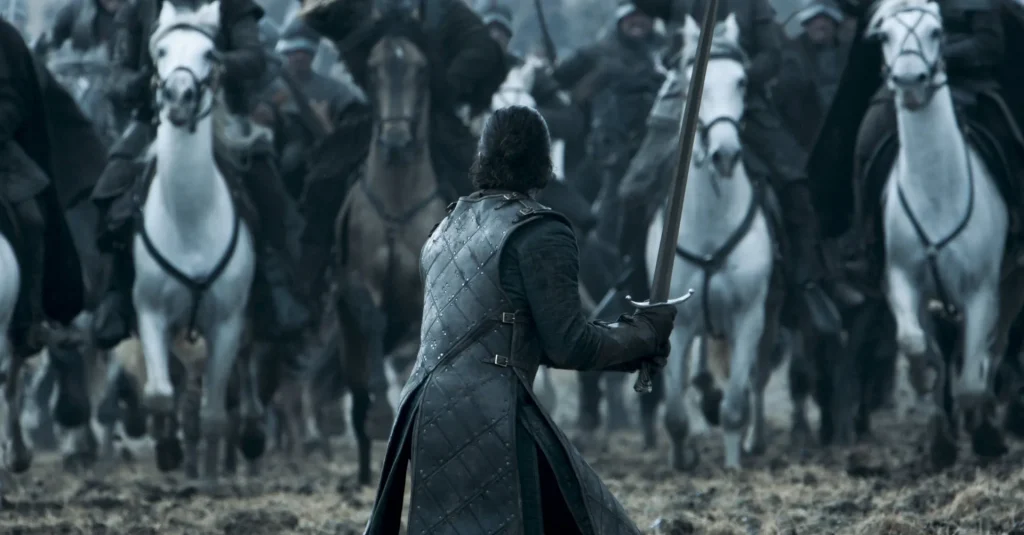
Episode 9 of Season 6 — “Battle of the Bastards” — is the largest battle sequence in television history at that point. Jon Snow’s forces against Ramsay Bolton’s at Winterfell. Director Miguel Sapochnik places the camera at ground level, inside the cavalry charge, in the middle of the pile of bodies that accumulates until Jon is nearly suffocated beneath it. The sequence is extraordinary filmmaking. It is also, on reflection, the moment where the show’s relationship to its own violence begins to shift. Earlier seasons made violence feel costly. This battle makes violence feel spectacular. The distinction is small and significant. Spectacular violence is enjoyable in a different way than costly violence. The show, gradually and without announcement, is becoming something different from what it was.
Cersei’s Wildfire Gambit
Season 6 ends with Cersei Lannister detonating wildfire beneath the Sept of Baelor — destroying the building, the High Sparrow, every member of the Faith Militant, her son Tommen’s betrothed, and a significant portion of King’s Landing’s population in a single tactical stroke. It is brilliant, monstrous, and entirely in character.
Tommen, watching the explosion from a window, removes his crown and steps off the ledge. Cersei’s triumph and her catastrophe arrive simultaneously, as they always do in this show, because the show knows that the throne is a trap and her extraordinary intelligence has only ever pulled her more deeply into it. Lena Headey plays her coronation — the final shot of the season — with an expression containing grief and victory and the specific satisfaction of a person who has won everything and understands, with absolute clarity, that winning everything is another form of losing.
Season Seven: “Eastwatch” — Speed and the Cost of Compression
When Plot Momentum Becomes Its Own Antagonist
Season 7 runs seven episodes instead of ten. The decision reflects the showrunners’ stated goal of moving toward the endgame — the convergence of all narrative threads toward the final conflict. The compression is visible and costly.
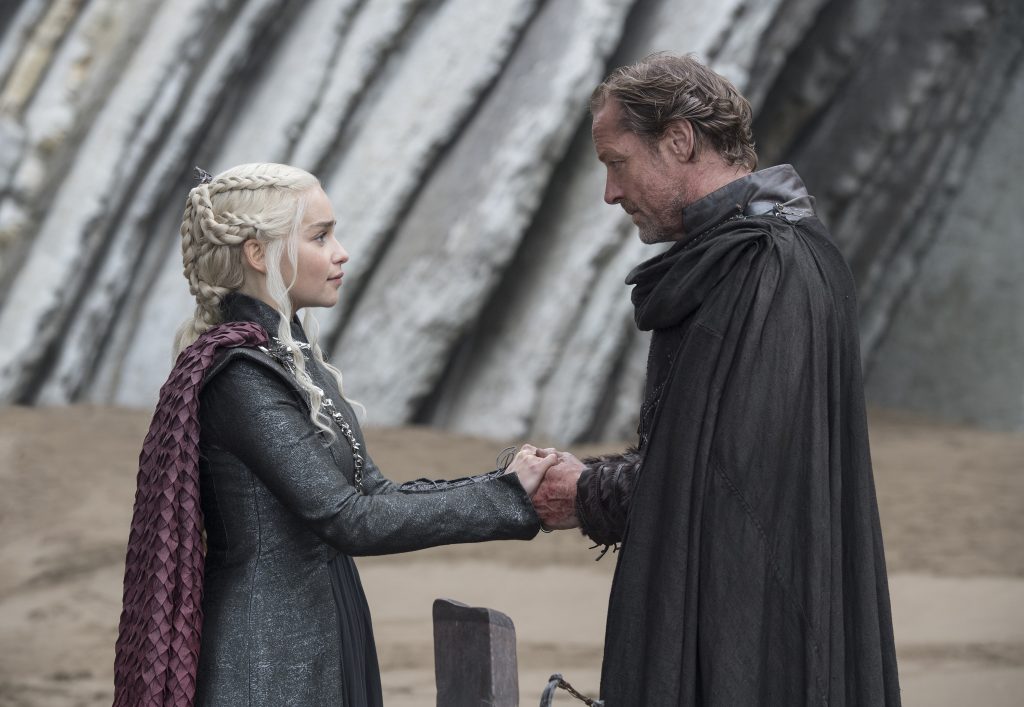
Characters travel between locations in what appears to be days that previously required weeks. Alliances form and dissolve with a speed that earlier seasons would have spent half a season preparing. The raven summoning Daenerys to rescue Jon north of the Wall — traveling from beyond the Wall to Dragonstone in what seems like hours — became, briefly, the most mocked single story beat in the series’ history. Not because ravens don’t fly fast, but because the show had previously been so careful about the physical reality of its world that this carelessness felt like a signal.
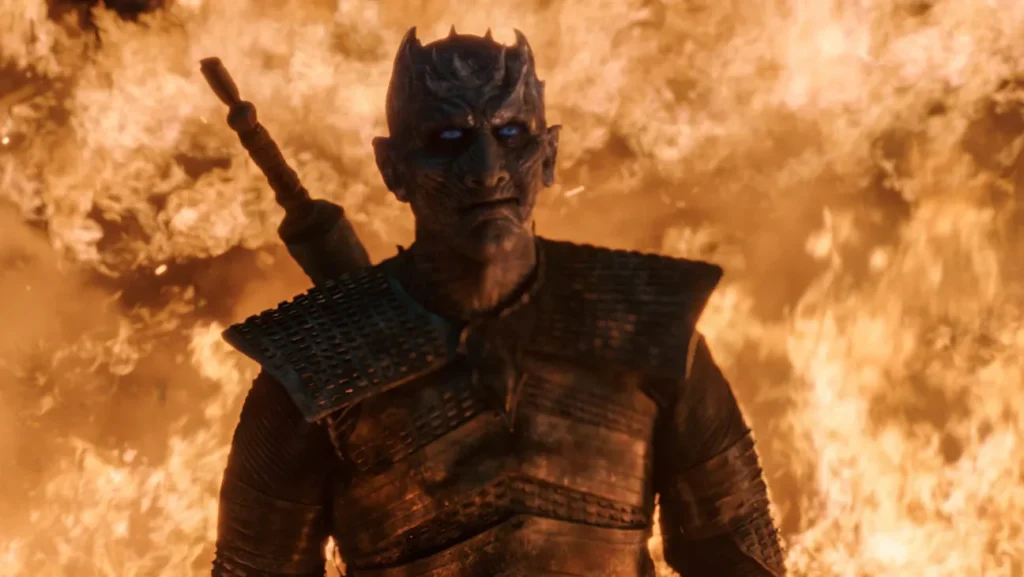
Nevertheless, Season 7 produces some of the series’ most indelible images. Daenerys’s dragons burning the Lannister supply train in “The Spoils of War” is the show operating at peak visual ambition — Drogon banking over a battlefield, fire in every direction, soldiers running and burning and the Dothraki arriving like the end of something. Jon Snow finally encounters Daenerys. The Wall comes down at the season’s end, breached by the Night King riding a resurrected Viserion. These sequences work. The architecture connecting them is showing stress fractures.
Season Eight: “The Last War” — The Failure That Proves the Brilliance
What the Final Season Got Wrong and Why It Matters
Season 8 ran six episodes. The final season of a show with this many narrative threads, this many character arcs requiring completion, this many thematic promises requiring payment — six episodes. The inadequacy of that number is structural, not subjective.
Daenerys Targaryen’s decision to burn King’s Landing in Episode 5 — destroying the city she spent eight seasons trying to liberate — is the show’s most dramatic character arc conclusion. It is also the show’s most spectacular structural failure. The conclusion requires the audience to believe that Daenerys’s capacity for destruction was always present, always building, and that Season 8’s events pushed her past an inevitable breaking point. That argument exists in the text. What the text does not provide is the specific accumulation of scenes, conversations, and decisions that would make that breaking point feel earned rather than announced.
Jaime Lannister’s arc — the redemption story the show spent seven seasons constructing, the slow transformation of a man defined by his worst act into someone defined by his best choices — concludes with him returning to Cersei to die with her in the rubble of the Red Keep. This conclusion is, in isolation, defensible. Jaime choosing Cersei over his own better nature is consistent with the show’s argument about the corrupting power of love as much as the corrupting power of the throne. However, it requires the audience to ignore three seasons of character development in order to feel anything other than betrayal. The audience did not ignore it.
Bran Stark Becomes King and What That Means
The show ends with Bran Stark — the three-eyed raven, the boy who can see all of history simultaneously — becoming King of the Six Kingdoms by democratic selection of the assembled lords. This conclusion is, in the show’s own terms, coherent. Bran’s omniscience and lack of personal ambition make him the only character who genuinely does not want the throne — which, given the show’s eight-year argument about what wanting the throne does to people, makes him the only appropriate candidate. The problem is not the logic of the conclusion itself. Rather, the problem is that the show spent eight seasons training its audience to distrust neat resolutions, and then offered one. The audience, trained by years of narrative disappointment, felt cheated by an ending that was trying to be hopeful.
The Failure as Evidence of the Achievement
The petition demanding a Season 8 remake attracted 1.8 million signatures. No other television finale has generated this response. Only work of enormous ambition can fail with this kind of visibility — because only work of enormous ambition creates an audience that is invested enough to be genuinely devastated when it does not fulfill its own promise. The rage at Season 8 is, paradoxically, the clearest evidence of what Seasons 1 through 4 achieved. You cannot be this angry at a show you never fully believed in. The Red Wedding was proof that the show was real. The Season 8 response was proof that its audience had spent eight years living inside something they treated as more than entertainment.
Why Game of Thrones Was Brilliant: The Final Accounting
What It Changed About Television
Game of Thrones changed what television was allowed to be in several ways that are now so thoroughly absorbed into the medium’s assumptions that it is difficult to remember they were ever not assumed. Fantasy narrative — previously consigned to family entertainment or camp — could sustain the same moral seriousness as literary realism. This the show proved. Ensemble casts without a single protected protagonist could generate attachment as deep as protagonist-centered drama. Furthermore, budgets of $15 million per episode could be commercially justified by the right project with the right audience. Narrative consequence — the refusal to protect characters from their decisions — was not alienating. It was, it turned out, the feature audiences found most compelling of all. It was, it turned out, the feature audiences found most compelling of all.
The Iron Throne, One Final Time
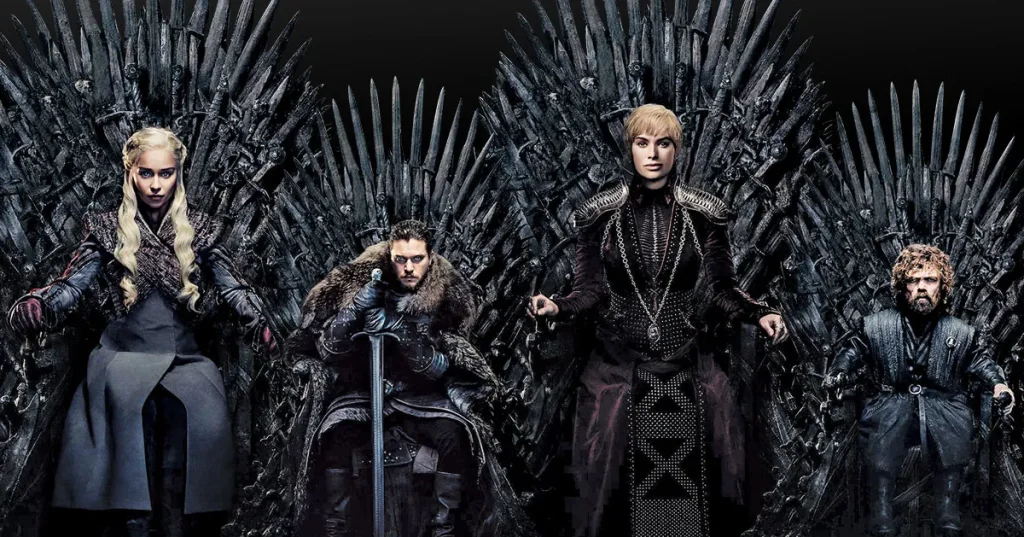
The Iron Throne is destroyed in the final episode by Drogon — Daenerys’s surviving dragon — who melts it after finding his mother’s body in the throne room. The dragon does not destroy the humans who killed her. He destroys the object they were fighting over. This is either the show’s most heavy-handed moment or its most honest, and the distinction is the same distinction that runs through the entire series: the show’s argument was always that the throne was the problem, and everything that everyone did to acquire it was the mechanism by which the problem reproduced itself. Drogon, being a dragon, understood this in the way that dragons understand things — without ideology, without politics, without the specifically human capacity to want something that is visibly destroying you and want it anyway.
That capacity is the show’s real subject. The throne is just the object through which it expresses itself. Game of Thrones was brilliant because it understood that — and built seventy-three episodes around demonstrating it — before losing the thread in the final six. The thread was brilliant. Finding it again is what the books, if Martin ever finishes them, will have to do.
The finance and power archetypes this show anticipates in the real world live in our Industry Season 4 hub. Dynastic power in old-money American families runs through our Succession cluster. The Mad Men cast whose ambition mapped onto similar architecture belongs to our Mad Men complete guide.
The Cast: Full Spoke Profiles
- Peter Dinklage Net Worth: The $25M Tyrion Lannister Story
- Emilia Clarke Net Worth: The $20M Mother of Dragons Story
- Kit Harington Net Worth: The $14M Jon Snow Story
- Lena Headey Net Worth: The $12M Cersei Lannister Story
- Jason Momoa Net Worth: The $40M One-Season Story
- Maisie Williams Net Worth: The $6M Arya Stark Story
Some shows depict power. Some analyze it. Very few have the structural courage to argue, across eight seasons and seventy-three episodes, that power is the problem — and then demonstrate that argument by making the thing everyone is fighting over a chair that nobody should want. Social Life Magazine has covered culture, wealth, and ambition for 23 years. You read us because you understand that the show about dragons was always about something else entirely.
If your brand, business, or story belongs in this conversation, we want to hear from you. Editorial features, strategic placements, and partnerships begin at sociallifemagazine.com/contact.
Ready to control your own narrative? Submit a paid feature and reach 25,000 print readers per summer issue at sociallifemagazine.com/submit-a-paid-feature.
Our email list reaches 82,000 subscribers — the people who know the difference between a show about dragons and a show about power. Join the list here.
Polo Hamptons returns for summer 2026. Two dates. A room that already knows what it is. Sponsorship packages at polohamptons.com.
Five summer issues. Placed where the conversation actually happens. Print subscriptions at sociallifemagazine.com/subscription.
Independent editorial takes real resources. If this kind of journalism matters to you, a $5 contribution keeps Social Life in print and online. Donate here.
Author

Written by
Recent Posts
Maisie Williams Net Worth: The $6 Million Story of the Girl Who Grew Up on Screen and Killed the Night King
Jason Momoa Net Worth: The $40 Million Story of the Man Who Did More With One Season Than Most Actors Do With Eight
Peter Dinklage Net Worth: The $25 Million Story Behind the Actor Who Refused to Be Small
Game of Thrones: The Complete Guide to the Show That Proved Power Is Always the Wrong Prize
Effortless Pickup & Delivery Dry Cleaning in the Hamptons
Categories
- Art
- Articles
- Beauty & Skincare
- Celebrities
- Celebrities|Entertainment
- Celebrities|Television
- Celebrities|The Chronicles
- celebrities|the-archive
- Chronicles
- Entertainment|Culture
- Event Photos
- Events
- Fashion
- Fashion & Style
- Featured
- Food & Beverage
- Food, Spirits, Wine
- Hamptons
- Hamptons Celebrities
- Hamptons Celebrities|Celebrities|The Chronicles
- Health
- Health & Beauty
- Lifestyle
- Luxury Lifestyle
- Press
- Profiles
- Real Estate
- Technology
- The Chronicles
- Travel
- Uncategorized
- Weddings