
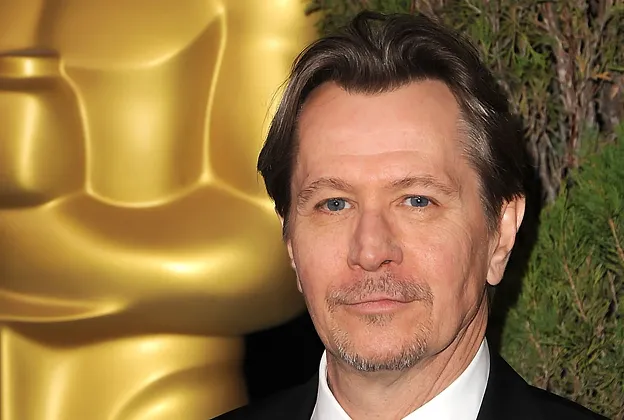
His father walked out when he was seven. The Gary Oldman net worth conversation begins in that abandonment, because Leonard Bertram Oldman, a welder and former sailor, left his wife Kathleen and their three children in a New Cross, South London council flat in 1965. He never came back. Subsequently, Kathleen raised the family alone on cleaning-job wages. The wound was structural rather than acute. Notably, the lesson young Gary absorbed from watching his mother manage the family alone was the lesson he would later carry into every audition he ever walked into.
He saw Malcolm McDowell in The Raging Moon when he was 13. Specifically, McDowell’s performance as a paraplegic young man falling in love convinced Oldman that working-class British kids could become serious actors. Furthermore, he switched his ambitions away from professional piano and singing, both of which he had pursued seriously through his early teenage years. He auditioned for the Royal Academy of Dramatic Art at 18. RADA rejected him. Subsequently, he enrolled at Rose Bruford College of Speech and Drama in Sidcup instead.
By early 2026, the Gary Oldman net worth had compounded to approximately $40 million per Celebrity Net Worth. Aggressive industry estimates push the realistic figure closer to $60 million when accounting for residual income, real estate appreciation, and his ongoing Slow Horses compensation. His films have grossed over $11 billion worldwide. Furthermore, that cumulative box office places him among the highest-grossing actors of all time. He won the Best Actor Oscar in 2018 for Winston Churchill. He was knighted in 2025. The discipline that built the catalog is the architecture.
The South London Council Estate That Made The Actor
Gary Leonard Oldman was born March 21, 1958 in New Cross, South London. His father Leonard worked as a welder after leaving the merchant navy. His mother Kathleen worked as a cleaner. The family lived in a council flat without significant income across his early childhood, and the working-class South London neighborhood that produced him remained the cultural anchor he carried into every subsequent role.
His father abandoned the family in 1965. Specifically, Leonard left for another woman and never reconciled with his wife or children. Kathleen subsequently raised Gary, his older brother John, and his older sister Maureen alone. The household lived on her cleaning wages and minimal social-services support. Notably, the financial precarity defined the rest of Oldman’s relationship with money for the next four decades.
His early adolescence ran through Roger Manwood’s School in Brockley, the South London grammar school he attended on academic placement. He developed serious skills as a pianist and singer through his early teenage years. Furthermore, his music teachers had identified him as a potential conservatory candidate before his shift toward acting. Notably, the piano discipline he absorbed during this period would later define his approach to character work. Furthermore, the musical ear would later inform his reputation for accent precision across the next 50 years.
The RADA Rejection And The Rose Bruford Bridge
Oldman applied to the Royal Academy of Dramatic Art when he turned 18. RADA rejected his application. Specifically, RADA representatives told him that he should consider a different career because they did not see leading-man potential in his audition. The rejection became one of the most consequential turning points of his entire career architecture.
He enrolled at Rose Bruford College of Speech and Drama in Sidcup instead. Specifically, the working-class drama school produced character actors rather than celebrities. The training emphasized voice work, movement, and classical text analysis without the institutional snobbery that defined RADA’s curriculum. Oldman graduated in 1979 having absorbed the kind of methodical training that would later distinguish him from his RADA-credentialed peers across the entirety of his career.
He joined the Royal Court Theatre in 1979 and began performing across the avant-garde British theater circuit that defined the early Thatcher era. Subsequently, he moved to the Royal Shakespeare Company for the 1985 season, performing classical roles that established his stage credentials before his cinematic breakthrough. The combined Royal Court and RSC apprenticeship would later inform his entire approach to film performance.
What the Rose Bruford rejection from RADA taught him was the lesson he would later apply with surgical precision to every project negotiation. Institutional gatekeepers were not the only path. Furthermore, working-class authenticity was a market advantage rather than a deficit. The Gary Oldman net worth structure during these stage years was negligible. Specifically, his theater compensation paid scale wages plus minor royalty participation. Notably, the craft discipline he was building would later compound into one of the most acclaimed character-acting careers of his generation.
Sid And Nancy And The 1986 Breakthrough
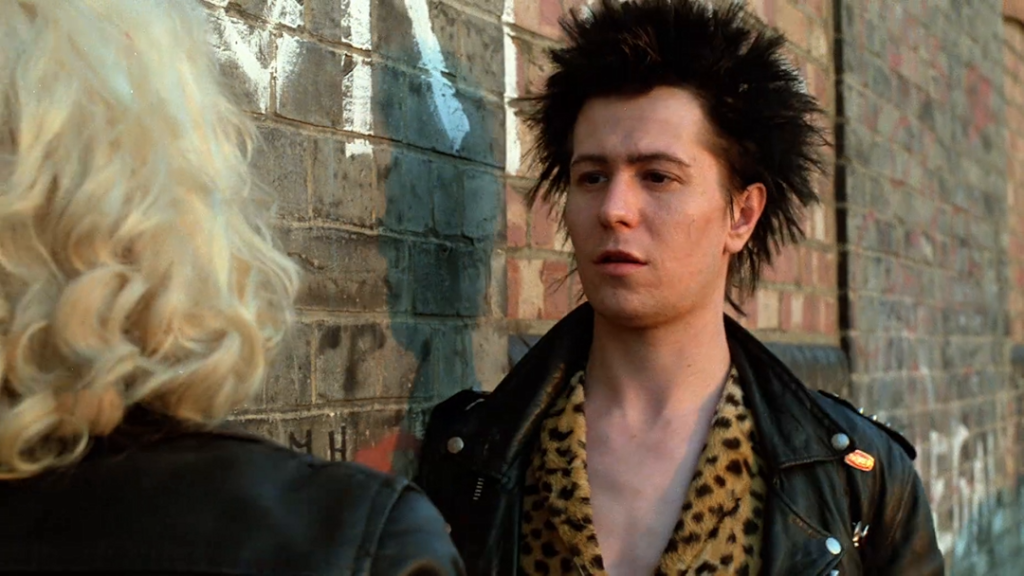
Alex Cox cast Oldman as Sid Vicious in Sid and Nancy in 1986. The biopic of the Sex Pistols bassist required Oldman to lose significant weight, master a working-class North London accent distinct from his own South London inflection, and perform musical sequences across the production schedule. He was 28. The role demanded the kind of physical and emotional commitment that defined the rest of his cinematic methodology.
His preparation included studying every available recording of Vicious. Furthermore, he spent weeks at hospitals observing patients suffering from heroin addiction. Notably, Oldman lost so much weight during principal photography that he was hospitalized briefly for malnutrition before completing the production. The Sid and Nancy compensation was approximately scale wages, the standard rate for breakthrough leading roles in independent British cinema of the era.
Sid and Nancy grossed $2.8 million domestically on a $4 million budget. Specifically, the film performed modestly at the box office but earned widespread critical recognition. The performance has been studied across film schools for nearly four decades. Furthermore, it established Oldman’s reputation as the most committed character actor of his British generation within his first major leading role.
What the early career taught him was the same lesson Donald Sutherland’s pre-fame BBC television apprenticeship had taught a generation earlier. Specifically, supporting work for filmmakers he respected was the foundation. Loud commercial credits without artistic integrity were the trap. The Gary Oldman net worth across this period grew slowly. Notably, his cumulative earnings reached approximately $250,000 by 1988.
JFK And The Lee Harvey Oswald Performance
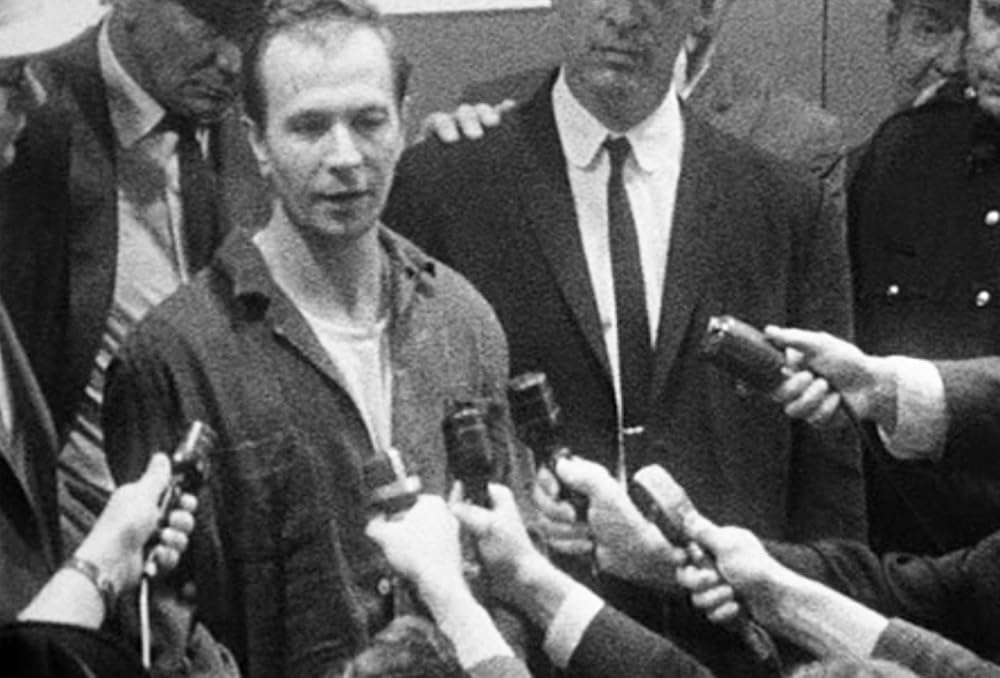
Oliver Stone cast Oldman as Lee Harvey Oswald in JFK in 1991. The role required something nearly impossible. Specifically, portraying the most studied figure in 20th-century American crime without lapsing into impersonation or commentary. Oldman delivered exactly that performance. The complete production architecture of that performance is documented in the JFK Cast hub.
His preparation defined the kind of methodical character work that distinguished his entire register of acting. Specifically, he gained the precise weight Oswald had carried at the time of the assassination. Furthermore, he mastered the New Orleans-Dallas accent variations across Oswald’s documented interviews. Notably, he rehearsed every scene against archival footage that Stone had assembled in pre-production.
The result was a performance so visually accurate that audiences leaving early screenings reported confusion about which footage was archival and which was Oldman’s reenactment. His compensation for the JFK cast role was approximately $400,000, reflecting his pre-Bram Stoker’s Dracula market value. Subsequently, the role bridged him directly into his next decade of marquee character work.
What JFK established was the cross-cluster cultural authority that would later distinguish his work from every other British character actor of his cohort. Specifically, the role placed him alongside Joe Pesci’s parallel cast member status in a way few of his other 1990s collaborators could match. Both actors had used the Stone production to establish multi-register working credibility within the American studio system.
Bram Stoker’s Dracula, Léon, And The 1990s Villainy Era
Francis Ford Coppola cast Oldman as Count Dracula in Bram Stoker’s Dracula in 1992. The role required Oldman to portray the Romanian count across multiple historical periods, ages, and physical transformations. His compensation reached approximately $1 million, the first seven-figure payday of his career. Specifically, the film grossed $215 million worldwide on a $40 million budget.
Luc Besson cast him as Stansfield in Léon: The Professional in 1994. The role required Oldman to play a corrupt DEA agent whose unhinged menace anchored the film’s central dramatic tension. Notably, his “Everyone!” line delivery has become one of the most-quoted villain moments of 1990s cinema. The compensation was approximately $1.5 million across the production schedule.
His performance as Drexl in Tony Scott’s True Romance in 1993 added another iconic villain credit to his rapidly expanding 1990s catalog. Specifically, the role required Oldman to play a white pimp whose Jamaican-accented intimidation defined one of the most-discussed scenes in the Quentin Tarantino-scripted production. Furthermore, the character has been referenced across two decades of subsequent crime cinema.
The Gary Oldman net worth by 1995 had reached approximately $5 million in cumulative working-career earnings. Specifically, his villainy-era catalog was producing the kind of multi-project compensation that earlier theater work had never approached. Notably, the typecasting risk would later define his career strategy across the next decade. He responded by deliberately pivoting toward franchise work and toward roles that demanded the opposite of villainy.
The Alcoholism Recovery And The 1997 Pivot
Oldman struggled publicly with alcoholism across the early 1990s. Specifically, he was arrested for driving under the influence in 1991. Subsequently, he checked himself into rehab in 1994. He has not consumed alcohol since 1997. Notably, he has spoken openly about the recovery in subsequent interviews.
“If I hadn’t stopped drinking 28 years ago, I’d probably be dead or institutionalized.” That statement, delivered to the New York Post during a 2025 interview, represents the kind of public honesty about addiction that few working actors of his generation had previously demonstrated. Furthermore, his willingness to discuss the subject openly contributed to his standing as a working-class British icon among readers who had survived similar circumstances.
His directorial debut Nil by Mouth in 1997 reflected the autobiographical material he had absorbed across his early life. Specifically, the film portrayed the kind of South London working-class addiction and domestic abuse that had defined his own family’s trajectory. Notably, it won the BAFTA Award for Outstanding British Film. The film opened the 1997 Cannes Film Festival, and Kathy Burke won Best Actress at the festival for her performance.
What the recovery taught him was the same lesson the post-1999 retirement had taught Joe Pesci a generation earlier. Specifically, longevity required selective project choices and personal discipline that working-actor compensation could not enforce. The Gary Oldman net worth structure post-1997 began compounding through the franchise work he would soon accept. Subsequently, his career architecture moved away from villainy and toward the institutional-anchor character roles that would define his subsequent two decades.
The Harry Potter And Dark Knight Franchise Years
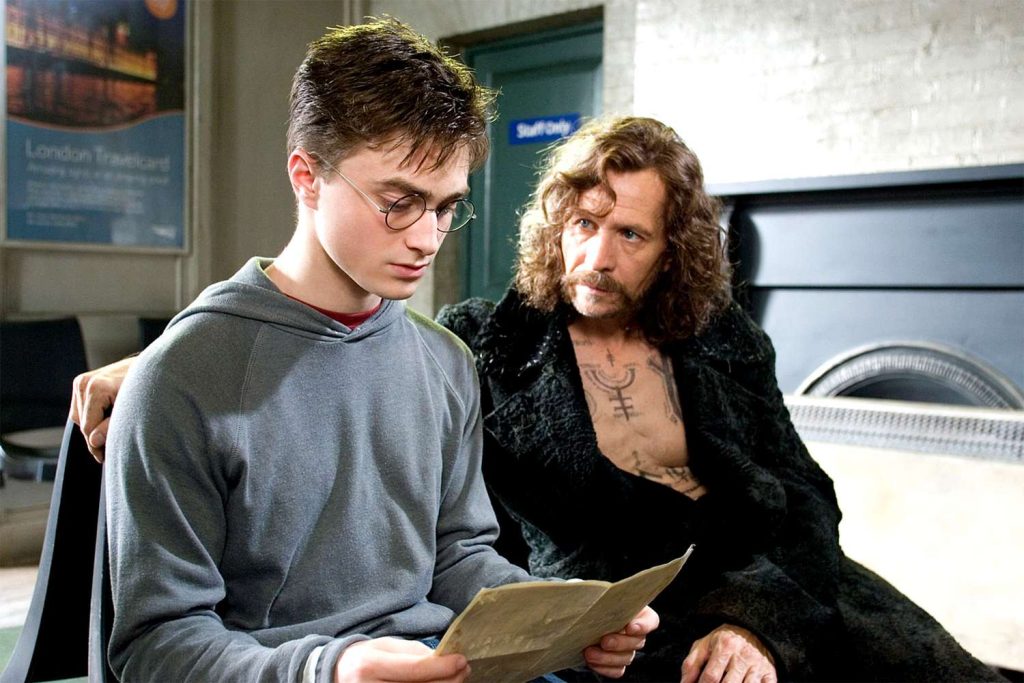
Alfonso Cuarón cast Oldman as Sirius Black in Harry Potter and the Prisoner of Azkaban in 2004. Specifically, the role placed him in the Harry Potter franchise across five subsequent installments through 2011. His compensation across the franchise reportedly reached approximately $10 to $12 million in cumulative gross earnings. Furthermore, the franchise residuals continue generating ongoing income through streaming licensing and home video sales.
Christopher Nolan cast him as Commissioner James Gordon in Batman Begins in 2005. Specifically, the role anchored Nolan’s Dark Knight trilogy across three installments through 2012. His compensation across the trilogy reached approximately $15 to $20 million in cumulative gross earnings, plus participation rights across the franchise’s continuing cultural authority. The Dark Knight trilogy alone grossed approximately $2.5 billion worldwide.
The combined franchise earnings across Harry Potter and Dark Knight pushed the Gary Oldman net worth past $20 million by 2012. Specifically, the cumulative compensation finally produced the kind of financial security his early career had never approached. Notably, the franchise income freed him to pursue prestige projects that paid significantly less than his Dark Knight scale rate.
What the franchise era taught him was the lesson Sean Connery’s post-Untouchables decade had taught a generation earlier. Specifically, marquee-anchor compensation could fund the prestige work that defined an actor’s legacy. Connery had used his $10-million-per-picture rate across the 1990s to fund Hunt for Red October and Indiana Jones. Furthermore, Oldman would use his Harry Potter and Dark Knight earnings to fund Tinker Tailor Soldier Spy and Mank.
Tinker Tailor Soldier Spy And The First Oscar Nomination
Tomas Alfredson cast Oldman as George Smiley in Tinker Tailor Soldier Spy in 2011. The role required Oldman to portray John le Carré’s central espionage character across the Cold War-era investigation that anchored the entire film. Specifically, the performance demanded Oldman to communicate emotional weight through stillness rather than action. The compensation was approximately $2.5 million across the production schedule.
The Academy nominated Oldman for Best Actor at the 84th ceremony in February 2012. He did not win. Specifically, he lost to Jean Dujardin for The Artist, but the nomination converted his profile from franchise character actor to leading-man Oscar contender. Furthermore, the recognition placed him in the conversation that The Guardian had previously documented as “arguably the best actor never Oscar-nominated.”
His Tinker Tailor performance has been studied across film schools for nearly 15 years. Specifically, the closing montage scene where Smiley assumes leadership of the Circus has been cited as one of the most quietly powerful acting moments of the 2010s. Notably, Oldman’s restrained performance contrasted productively with the expressive register he had built across his earlier villainy-era work.
What Tinker Tailor established was the prestige authority that would later carry him into his Darkest Hour Oscar campaign. Specifically, the Academy’s recognition reset his industry-standing position into permanent leading-man territory. The Gary Oldman net worth across this period had reached approximately $25 million in cumulative working-career earnings.
Darkest Hour, The 2018 Oscar, And The 200-Hour Makeup Chair
Joe Wright cast Oldman as Winston Churchill in Darkest Hour in 2017. The role required Oldman to portray the British Prime Minister across the May 1940 War Cabinet crisis that preceded the Dunkirk evacuation. Specifically, his transformation into Churchill required 200 hours in the makeup chair across the production schedule. Furthermore, makeup artist Kazuhiro Tsuji applied 14 pounds of silicone rubber to his face and body for each filming day.
His preparation included consuming approximately $20,000 worth of Cuban cigars across the production schedule. Notably, the cigar consumption gave Oldman nicotine poisoning by mid-shoot. He continued the consumption regardless. Specifically, Churchill’s smoking habit was structurally essential to the character, and Oldman refused to fake it through CGI or prop substitution.
His compensation for Darkest Hour was approximately $2.5 million plus participation. The film grossed $150.8 million worldwide on a $30 million budget. Subsequently, he won the Academy Award for Best Actor at the 90th ceremony in March 2018, plus the Golden Globe, BAFTA, Critics’ Choice, and Screen Actors Guild Awards across the same season. The Oscar restored his industry-standing position to the top tier of working actors.
What the Churchill performance proved structurally was the same lesson Tommy Lee Jones’s Fugitive Oscar had proven 24 years earlier. Specifically, veteran-actor recognition could reset a working career’s market value into permanent leading-man territory. Jones hit that inflection point at 47 with Sam Gerard. Oldman hit it at 60 with Churchill. Both actors used their Oscars to negotiate prestige project compensation that earlier work had never approached.
Slow Horses And The Apple TV+ Architecture
Apple TV+ cast Oldman as Jackson Lamb in Slow Horses in 2022. The role required Oldman to portray the disheveled British intelligence officer whose flatulent menace anchored the entire Mick Herron book adaptation. Specifically, his performance has earned widespread critical acclaim across five subsequent seasons.
His compensation for Slow Horses has not been publicly disclosed. Industry estimates suggest Oldman earns approximately $1 to $1.5 million per episode across the show’s six-episode seasons. Furthermore, the cumulative compensation across five seasons has reached approximately $30 to $45 million. Notably, the Apple TV+ structure represents one of the most lucrative late-career television arrangements any British actor has secured in the streaming era.
The role earned Oldman a Primetime Emmy Award nomination for Outstanding Lead Actor in a Drama Series. Specifically, the recognition placed him in the same prestige-television conversation as Brian Cox’s Succession-era achievement. Both British character actors used streaming-television lead roles to extend their commercial relevance across their seventh decade. Furthermore, both demonstrated that classical stage training compounded into late-career marquee status when the right material arrived.
His knighthood in 2025 reflected the institutional recognition his Darkest Hour Oscar and Slow Horses cultural authority had jointly produced. Specifically, Sir Gary Oldman now joins the ranks of British acting knights including Anthony Hopkins, Ian McKellen, and Patrick Stewart. The honor closed the working-class-South-London-boy-to-knighted-thespian arc that had defined his entire career architecture.
The Real Gary Oldman Net Worth Math In 2026
Celebrity Net Worth lists the Gary Oldman net worth at $40 million as of early 2026. Furthermore, multiple secondary sources place the figure in the $40 million to $60 million range when accounting for his Slow Horses compensation, his Harry Potter and Dark Knight residuals, and his Darkest Hour participation rights.
The compositional breakdown looks roughly like this. Specifically, his career acting earnings across 47 years of working-actor compensation generated approximately $80 to $120 million in cumulative gross. Notably, taxes, agent fees, three divorce settlements, and his alcoholism-recovery costs from the early 1990s have reduced the net retained capital significantly. His current Slow Horses contract generates ongoing annual income of approximately $6 to $9 million per season.
His three marriages have produced three sons. Specifically, his first marriage to actress Lesley Manville from 1987 to 1990 produced son Alfie. His second marriage to Uma Thurman from 1990 to 1992 produced no children. His third marriage to photographer Donya Fiorentino from 1997 to 2001 produced sons Gulliver and Charlie. Subsequently, the divorce settlements across the three marriages reduced his cumulative net retained capital by an undisclosed amount.
His structure echoes the patterns documented in Social Life Magazine’s celebrity net worth rankings 2026. Specifically, his holdings concentrate in residual-income positions and ongoing television compensation rather than in trophy real estate or speculative investments. Furthermore, the conservative diversification has insulated his portfolio across multiple decades of industry change. Notably, the discipline that built the catalog has been the discipline that protected the estate.
What He Built That No RADA Rejection Could Take Back
The catalog will outlast every Slow Horses season finale, every Harry Potter reboot rumor, every Dark Knight retrospective, and every estate-planning consultation. Specifically, Sid and Nancy will play forever. JFK will play forever. Bram Stoker’s Dracula will play forever. Léon will play forever. The Harry Potter franchise will play forever. The Dark Knight trilogy will play forever. Tinker Tailor Soldier Spy will play forever. Darkest Hour will play forever.
His willingness to absorb the RADA rejection at 18, perform classical stage work across the Royal Court and Royal Shakespeare Company before age 28, and selectively choose franchise work alongside prestige cinema across his seventh decade became the Oldman signature across 47 years. He took the Sid and Nancy scale fee. The Harry Potter franchise rate funded his prestige projects. Slow Horses anchored his late-career income. The cumulative consequence of those choices was a career that earned him approximately $40 million while producing $11 billion in worldwide box office across his combined filmography.
Most actors at 67 are managing decline. Specifically, Oldman at 67 is anchoring a Top-5 Apple TV+ drama, recording occasional voice work, completing his Slow Horses contract, mourning his late friend David Bowie, and selectively choosing late-career projects that interest him. Notably, the Gary Oldman net worth at $40 million on the public ledger and $60 million on the actual ledger represents only the financial residue of a career that mattered to global cinema in ways the Rose Bruford accountants could not measure.
The CassWorld Take
For Brands Reading Between The Lines
A fish does not notice the water. A reader does not notice the architecture. That is the entire point. Furthermore, that is the entire opportunity for the brand founder, fund manager, or fashion house creative director who has just read this far. Consequently, the reader is, without having fully realized it yet, about to scroll down and click one of the following links.
Are you a brand, a founder, a creative director, or an in-house marketing lead who has read this far? Moreover, would you like to be considered for an editorial feature in Social Life Magazine’s print or digital ecosystem? The editorial team reviews brand submissions year-round. Reach out via the Social Life editorial contact page.
Submit A Paid Feature
Are you a British heritage menswear house, a prestige Scotch whisky portfolio, or a luxury Cuban cigar distributor? Specifically, the kind that recognizes a Winston Churchill aesthetic when they see one? Then the Submit A Paid Feature page is the fastest entry point. Furthermore, our editors build the placement to fit your audience, not ours.
The 82,000-Reader Email List
Join the 82,000+ readers who receive the Social Life Magazine email digest weekly. The list reaches the affluent New York and Out East audience that drives luxury brand purchase decisions across beauty, spirits, hospitality, finance, and fashion. Sign up via the Social Life Magazine email signup form.
Polo Hamptons 2026
Some brands are ready to be present in front of the right demographic. Specifically, the readers who quote George Smiley dialogue at dinner parties. Notably, the kind who consider Tinker Tailor Soldier Spy a foundational text. Consequently, Polo Hamptons 2026 is the marquee summer activation for that audience. Title sponsor BMW returns for its eighth consecutive year. Tickets, cabanas, and remaining sponsorship packages are available now.
Print Subscription
Subscribe to the print edition of Social Life Magazine and hold 23 years of Out East cultural authority in your hands. Five summer issues delivered Memorial Day through Labor Day, plus the Fall and Winter editions reaching Upper East Side doorman buildings. Print subscriptions are available at the Social Life subscription page.
Support Independent Journalism
If this article sharpened your thinking, consider supporting independent luxury journalism. Donate $5 and keep the signal clean. Buy us a coffee here.
The Gary Oldman net worth story is a rare 47-year career document. Specifically, the South London council estate kid whose father walked out at age seven, who got rejected by RADA at 18, who survived public alcoholism, and who quietly built a $40 million estate across $11 billion in worldwide box office proves that the catalog is the asset and the recovery is the architecture. Print the Gary Oldman net worth architecture. Bookmark this page.
Written by CassWorld. Cass Almendral is Head of Business Development at Social Life Magazine and Co-Founder of Polo Hamptons. Reach editorial at [email protected].
Author

Written by
Recent Posts
Victoria Justice Kicks Off Halloween Early with Love Zombie Bash in Hollywood
Planning an Arizona Road Trip? Practical Details to Handle Before You Leave
Short Homecoming Dresses That Feel Polished, Not Overdone
Men’s Health After 40: Important Changes to Pay Attention To
What You Need to Know About Spray Tanning
Categories
- Art
- Articles
- Business of Luxury
- Celebrities
- Culture
- Entertainment
- Events
- Faces of Summer 2026
- Fashion
- Fashion & Style
- Featured
- Finance
- Food, Spirits, Wine
- Hamptons
- Hamptons Celebrities
- Health
- Health & Beauty
- Lifestyle
- Luxury Lifestyle
- Press
- Profiles
- Real Estate
- Technology
- The Chronicles
- Travel
- Uncategorized
- Weddings