

The Before
Giancarlo Esposito net worth begins in Copenhagen, Denmark, 1958. His father was an Italian stagehand and carpenter. His mother was an African American opera singer. That mixed heritage gave him a physical ambiguity that Hollywood spent decades not knowing how to cast. He appeared on Broadway at eight years old. He worked steadily for thirty years in theater, film, and television.
Spike Lee became his champion. Do the Right Thing. School Daze. Mo’ Better Blues. Jungle Fever. Four films with one of America’s most important directors. Yet none of them generated the wealth or fame that a single AMC drama would provide. By his own account, Esposito was struggling financially before Breaking Bad. The role of Gus Fring arrived at the moment he needed it most.
The Pivot Moment
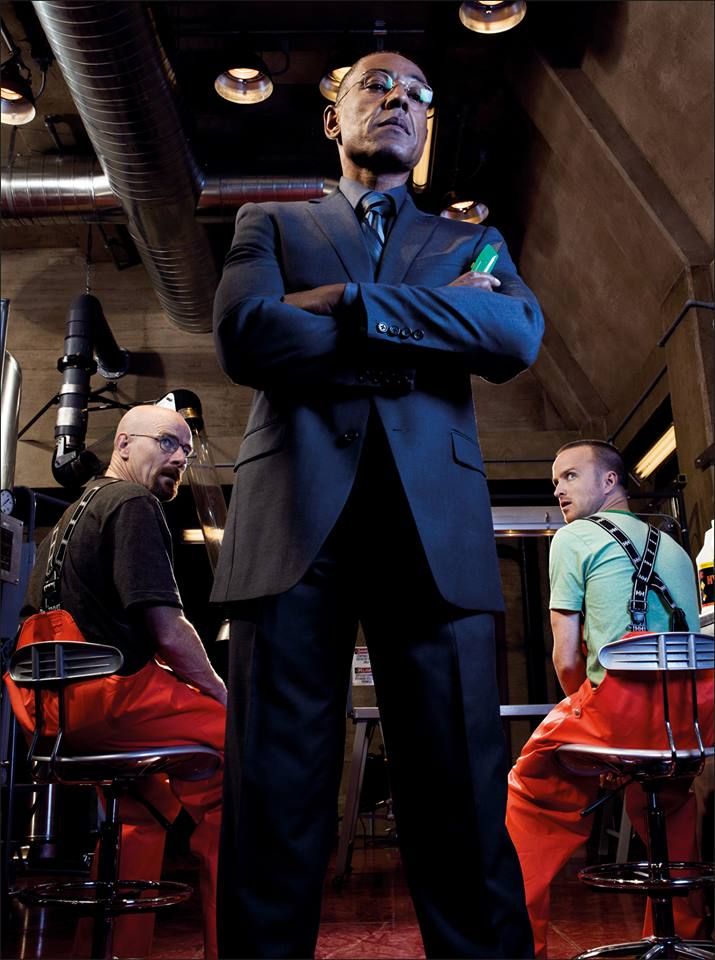
Gus Fring is a character built on contradictions. A fast-food chain owner who runs a meth empire. A polite man who dissolves people in acid. Every meticulous professional whose professionalism is itself a form of psychopathy. Esposito played him with a stillness so complete that every blink felt like a strategic decision.
The Villain Premium
Breaking Bad repositioned Esposito as the definitive prestige television villain. That repositioning carries specific financial value. Franchise producers need villains who generate menace through performance rather than special effects. Esposito generates more dread with a half-smile than most actors generate with a weapon. Once Gus Fring demonstrated that ability, it became a permanent career asset.
The Climb

The Mandalorian on Disney+ cast him as Moff Gideon. The Boys on Amazon gave him a recurring role. Far Cry 6 used him as the primary antagonist in a video game, adding gaming revenue to his portfolio. Each franchise villain role generates compensation in the high six figures to low seven figures. The aggregate franchise income since Breaking Bad has transformed his financial position entirely.
The Convention Economy
Convention and appearance fee income also deserves attention. Breaking Bad and Mandalorian fans pay premium rates for autographs, photo ops, and panel appearances at comic conventions worldwide. Convention income for actors of Esposito’s profile generates $200,000 to $500,000 annually. That revenue stream operates independently of his acting career and requires only his physical presence and his willingness to smile for photographs.
What He Built
Giancarlo Esposito net worth at $12 million reflects the late-career repricing of a talent that Hollywood undervalued for three decades. Every dollar arrived primarily after age fifty. The market finally caught up to an ability that Spike Lee recognized in the 1980s but that the broader industry did not pay for until Gus Fring forced them to acknowledge it.
The Soft Landing
Esposito is sixty-seven. He works more prolifically and more lucratively than at any point in his career. The villain brand generates offers his earlier career could not have attracted. The Copenhagen kid with the Italian father and the opera-singing mother spent thirty years proving his talent and ten years being paid for it. Such a timeline is unjust. This correction is ongoing. One $12 million, while long overdue, grows faster than any published estimate can track.
Read more about the full cast in our Breaking Bad Cast Net Worth hub, or explore the Prestige TV Antihero Cast Net Worth pillar.
The Compound Effect

The Spike Lee collaboration period, while not financially lucrative by Esposito’s current standards, built the dramatic foundation that made Gus Fring possible. Do the Right Thing required Esposito to portray simmering racial tension with the kind of controlled intensity that Gus Fring would later weaponize in a completely different context. The through line between Buggin’ Out in Do the Right Thing and Gus Fring in Breaking Bad is emotional control under pressure, performed by an actor who understands that the most terrifying thing on screen is not an explosion but a person who refuses to react to one.
The Positioning
The Mandalorian compensation deserves specific analysis because Disney+ pays differently than AMC. Disney’s per-episode fees for established actors in marquee series reportedly range from $100,000 to $500,000. Esposito’s Gus Fring credential, combined with the Mandalorian’s global audience, places him at the upper end of that range. Total Mandalorian income across multiple seasons likely exceeds $2 million. More importantly, the Star Wars association expands his audience to include the franchise’s massive global fanbase, which in turn increases his convention appearance fees and endorsement potential.
The Deeper Layer
The gaming dimension of Esposito’s career represents a revenue stream that traditional net worth analyses consistently overlook. Far Cry 6 used his likeness and voice performance for the game’s primary antagonist. Video game voice and motion-capture work for AAA titles pays $100,000 to $500,000 depending on the scope of the performance. The gaming audience, which skews younger and more technologically engaged than the traditional television audience, provides brand exposure that no other medium can replicate.
The Market Signal
His personal story of financial struggle before Breaking Bad carries particular resonance for the Social Life audience. Esposito has spoken publicly about being behind on his mortgage and considering leaving the acting profession entirely before Gus Fring arrived. The contrast between financial desperation at fifty and millionaire status at sixty-seven illustrates a principle that applies to every late-blooming career: the market does not always price talent correctly, and the correction, when it arrives, can be dramatic enough to restructure an entire financial life in less than a decade.
The Copenhagen birth is a biographical detail that most American audiences do not know and that profoundly shaped Esposito’s artistic sensibility. Growing up between European and American cultures gave him the observer’s perspective that makes Gus Fring so effective. Gus watches, escalculates, and exists slightly outside every room he enters. He assesses threats and opportunities with the clinical detachment of someone who learned early that belonging to two cultures means fully belonging to neither. That detachment. Notably, it is biographical rather than performed, is the quality that no other actor could replicate in the role.
His mother’s career as an opera singer adds a dimension of artistic heritage that surfaces in Esposito’s approach to performance. Opera is the most controlled of all performing arts. Every gesture is deliberate. Every vocal inflection is rehearsed. Gus Fring’s hyper-controlled demeanor, the way he folds chicken into bags with surgical precision, the way he adjusts his tie before delivering a threat, these are operatic gestures translated into the vocabulary of cable television. Esposito learned control from watching his mother perform. He applied that control to a character who uses it to conceal the capacity for extraordinary violence.
You are reading this because you already understand something most people scroll right past. The intersection of culture, money, and taste is not a Venn diagram. It is a mirror. Social Life Magazine has spent 23 years holding that mirror up to the people who shape the Hamptons, Manhattan, and the corridors between them. If you see yourself in these pages, we should talk. Reach out at sociallifemagazine.com/contact.
Your Brand, Your Launch
Your personal story belongs in front of 82,000 affluent readers and a digital audience that keeps growing, our editorial features are built for exactly that moment. Learn more at Submit a Paid Feature.
Our email list reaches 82,000 subscribers who actually open, read, and act. If your audience is high-net-worth, culturally engaged, and based between Park Avenue and Montauk, you are already in the right place.
Author

Written by
Recent Posts

Powerful Strategies to Stay Ahead in a Fast-Moving Real Estate Market
How Latino Players Have Helped Shape Modern Basketball Culture
10 Best Designer iPhone 18 Pro Cases to Choose From

AI for personal finance: where PennyGuard fits

How to Pick a Homecoming Dress for Your Body Type (and Feel Amazing in It)
Categories
- Art
- Articles
- Business of Luxury
- Celebrities
- Culture
- Entertainment
- Events
- Faces of Summer 2026
- Fashion
- Fashion & Style
- Featured
- Finance
- Food, Spirits, Wine
- Hamptons
- Hamptons Celebrities
- Health
- Health & Beauty
- Lifestyle
- Luxury Lifestyle
- Press
- Profiles
- Real Estate
- Technology
- The Chronicles
- Travel
- Uncategorized
- Weddings