
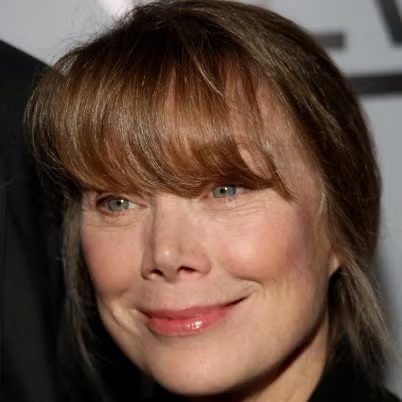
Her brother Robbie died of leukemia when she was 17. The Sissy Spacek net worth conversation begins in that 1967 tragedy, because the loss of her older brother at age 18 reshaped the entire trajectory of her career architecture before it had even begun. Specifically, she has cited Robbie’s death as the defining event of her life. Furthermore, she described it to The Guardian in 2015 as the moment that made her brave. “I think it made me brave,” Spacek told the paper. “Once you experience something like that, you’ve experienced the ultimate tragedy.”
The Texas teenager who buried her brother in 1967 was the same teenager who moved to New York City within months of the funeral to pursue a singing career. Specifically, the impulse to leave Quitman, Texas at age 17 was the direct consequence of the leukemia ward that had defined her family’s previous two years. Furthermore, the discipline she would later bring to every Hollywood project traced back to the simple working knowledge that nothing in life was guaranteed. Notably, the lesson would inform every casting decision she made across the next 60 years.
By early 2026, the Sissy Spacek net worth had stabilized at approximately $15 million per Celebrity Net Worth. Aggressive industry estimates push the realistic figure closer to $20 to $25 million when accounting for her Charlottesville Virginia farm appreciation, her Bloodline Netflix compensation, her Coal Miner’s Daughter soundtrack royalties, and her ongoing residual income across six decades of working-actress credentials. She won the Best Actress Oscar in 1981 for Coal Miner’s Daughter. Furthermore, she has been Oscar-nominated five additional times. The discipline that built the catalog is the architecture.
The Quitman Texas Childhood And The Rip Torn Cousin
Mary Elizabeth Spacek was born December 25, 1949 in Quitman, Texas. Her father Edwin Arnold Spacek Sr. worked as a county agricultural agent across rural East Texas. Specifically, his Czech and German heritage anchored one side of the family ledger. Furthermore, her mother Virginia Frances Spacek brought English and Irish ancestry to the household. Notably, the Spacek family had been established in Texas for two generations before Sissy was born.
Her paternal grandfather Arnold A. Spacek had served as mayor of Granger, Texas in Williamson County. Specifically, the family’s Czech-American immigrant story placed them within the broader Central Texas Czech community that had been farming the region since the late 19th century. Furthermore, the agricultural-agent profession her father pursued reflected the same rural-Texas pragmatism that would later inform her approach to Hollywood project selection.
Her brothers Ed and Robbie nicknamed her Sissy when she was a toddler. The name stuck for the next eight decades. Notably, she has never used Mary Elizabeth professionally despite the name appearing on every legal document of her career. Specifically, the family nickname carried more authentic weight than the formal name her parents had given her. The Quitman High School senior class elected her homecoming queen in 1967.
Her first cousin Rip Torn provided her earliest connection to professional acting. Specifically, Torn had built a reputation across New York theater and film by the early 1960s. Furthermore, his career arc from Texas to the Actors Studio became a template that Spacek would later follow within months of her brother’s death. Notably, the family pipeline from rural Texas to New York theater training carried structural significance for her subsequent decisions.
The Rainbo Single And The Andy Warhol Factory Years
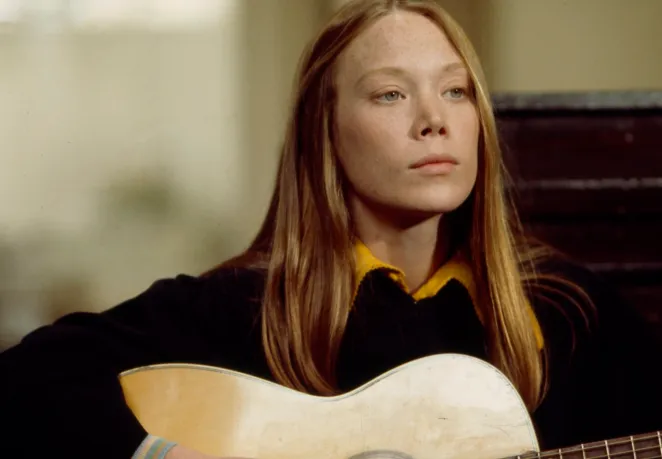
Spacek released the single “John You Went Too Far This Time” in 1968 under the stage name Rainbo. The song was a protest record about John Lennon. Specifically, the lyrics addressed the Two Virgins album cover that Lennon had recently released with Yoko Ono. Furthermore, the single failed commercially. Subsequently, her record label dropped her contract within months of release.
The label rejection redirected her ambitions toward acting. Specifically, she enrolled at the Lee Strasberg Theatre and Film Institute to study Method technique. Furthermore, she signed with Ford Models for commercial print work. Notably, the dual track of acting training plus modeling income provided the financial foundation for her early New York years.
She worked as an extra at Andy Warhol’s Factory across 1969 and 1970. Specifically, the Warhol environment placed her alongside the most experimental American art movement of the era. Furthermore, her uncredited appearance in Warhol’s Trash in 1970 represented her first on-screen credit. Notably, the experience taught her the kind of camera-aware performance discipline that conventional acting training could not have provided.
What the Warhol period taught her was the same lesson Donald Sutherland’s pre-fame BBC television apprenticeship had taught a generation earlier. Specifically, working-actor experience compounded faster than prestigious training programs. Furthermore, the Warhol Factory provided her access to the New York creative class that would later open commercial doors. The Sissy Spacek net worth across this period was negligible. Notably, she lived on modeling fees and theater scale wages while waiting for the right film role.
Prime Cut, Badlands, And The Jack Fisk Marriage
Michael Ritchie cast her in Prime Cut in 1972 alongside Gene Hackman and Lee Marvin. The role was Poppy, a young woman trafficked through a Kansas City crime syndicate. Specifically, the production paid Spacek scale wages plus minor billing. Furthermore, the film performed modestly at the box office. Notably, the work introduced her to the Hollywood studio system at the level she had been training for since her Strasberg enrollment.
Terrence Malick cast her in Badlands in 1973. The role was Holly Sargis, the 15-year-old narrator whose romantic entanglement with Martin Sheen’s spree-killer Kit Carruthers anchored the film’s central narrative. Specifically, Malick’s debut feature paid scale wages plus participation. Furthermore, the production generated the kind of indie-cinema credibility that conventional studio work could not have provided.
She met production designer Jack Fisk on the Badlands set. They married April 12, 1974. The relationship has endured for 52 consecutive years as of 2026, making it one of the longest-running marriages in modern Hollywood. Specifically, Fisk has worked as production designer on multiple Spacek films across her career. Furthermore, he later became one of the most respected production designers in American cinema, with credits on Days of Heaven, There Will Be Blood, and The Tree of Life.
The Fisk marriage anchored the personal architecture across her entire career. Specifically, the couple has two daughters: Schuyler Fisk born 1982 (later an actress and singer) and Madison Fisk born 1988 (later a painter). Notably, the family has maintained the kind of stable working partnership that the Hollywood-marriage industrial complex rarely produces. Furthermore, the couple’s decision to base the family on a Charlottesville, Virginia farm rather than Los Angeles or New York has anchored the personal architecture across five decades.
Carrie And The 1976 Breakthrough
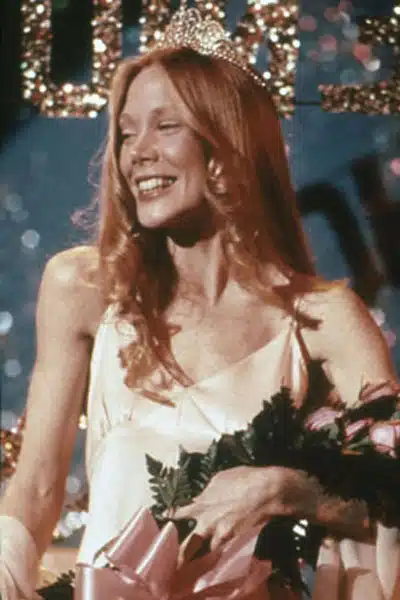
Brian De Palma cast her as Carrie White in Carrie in 1976. The role required Spacek to portray the telekinetic teenager whose senior-prom revenge anchored Stephen King’s first published novel. Specifically, the part demanded a physically and emotionally vulnerable performance unlike any role she had previously attempted. Furthermore, De Palma had auditioned multiple emerging actresses before selecting Spacek for the lead.
Her preparation included visiting high school cafeterias in character. Specifically, she observed teenage social dynamics from the position of the outsider. Furthermore, she requested that De Palma physically isolate her from the rest of the cast during production breaks to maintain the character’s psychological state. Notably, the methodical approach to character work would later define her entire register of performance discipline.
Carrie grossed $33.8 million domestically on a $1.8 million budget. Specifically, the film became one of the largest profit-margin returns in 1976 cinema. Furthermore, the senior-prom telekinetic-revenge sequence has been studied across film schools for nearly five decades. Notably, the closing-shot dream sequence remains one of the most-referenced jump scares in American horror cinema.
The Academy nominated Spacek for Best Actress at the 49th ceremony in March 1977. She did not win. Specifically, she lost to Faye Dunaway for Network. Furthermore, the nomination converted her profile from emerging-character actress to leading-lady candidate within 12 months. Subsequently, her work in 3 Women (1977) for Robert Altman extended the prestige credibility that Carrie had established.
Coal Miner’s Daughter And The Loretta Lynn Personal Selection
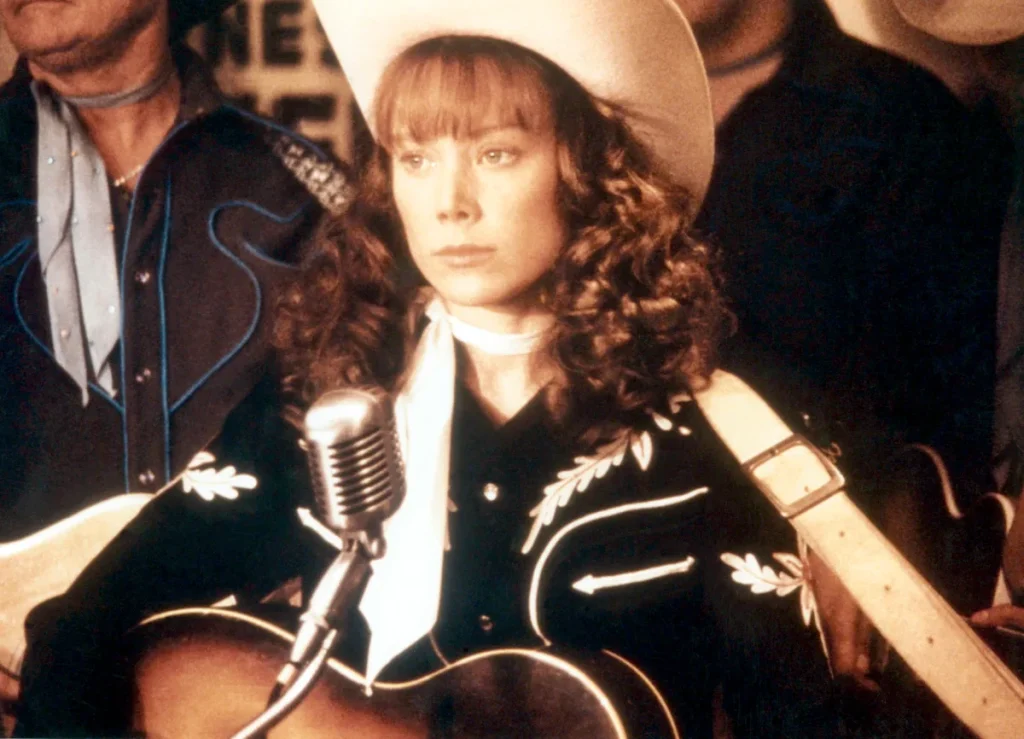
Country music legend Loretta Lynn personally selected Spacek to play her in Coal Miner’s Daughter in 1980. Specifically, Lynn had veto power over the casting in her contract. Furthermore, she had refused multiple A-list candidates that Universal Pictures had proposed before settling on Spacek. The personal selection became one of the most consequential casting decisions in Spacek’s entire career architecture.
The role required Spacek to portray Lynn from approximately age 13 through her mid-thirties. Furthermore, the production demanded that Spacek perform her own vocals across the soundtrack rather than lip-sync to Lynn’s original recordings. Specifically, Lynn insisted on the live-vocal requirement during the casting negotiation. Notably, Spacek’s musical training from her Rainbo recording era and her Texas-childhood church-choir experience proved structurally consequential.
Coal Miner’s Daughter grossed $67 million domestically on a $15 million budget. Specifically, the film became one of the largest commercial hits of 1980. Furthermore, the soundtrack reached number two on the Billboard Top Country Albums Chart. Notably, the soundtrack earned Spacek a Country Music Association Award for Album of the Year and a Grammy nomination for Best Female Country Vocal Performance.
She won the Academy Award for Best Actress at the 53rd ceremony in March 1981. Specifically, she also won the Golden Globe Award for Best Actress in a Motion Picture Comedy or Musical at the same season. Furthermore, the Oscar restored her industry-standing position to the top tier of working American actresses at age 31. The Sissy Spacek net worth from this point forward compounded faster than during any equivalent period of her earlier career.
The Five-Time Oscar Nominee Decade
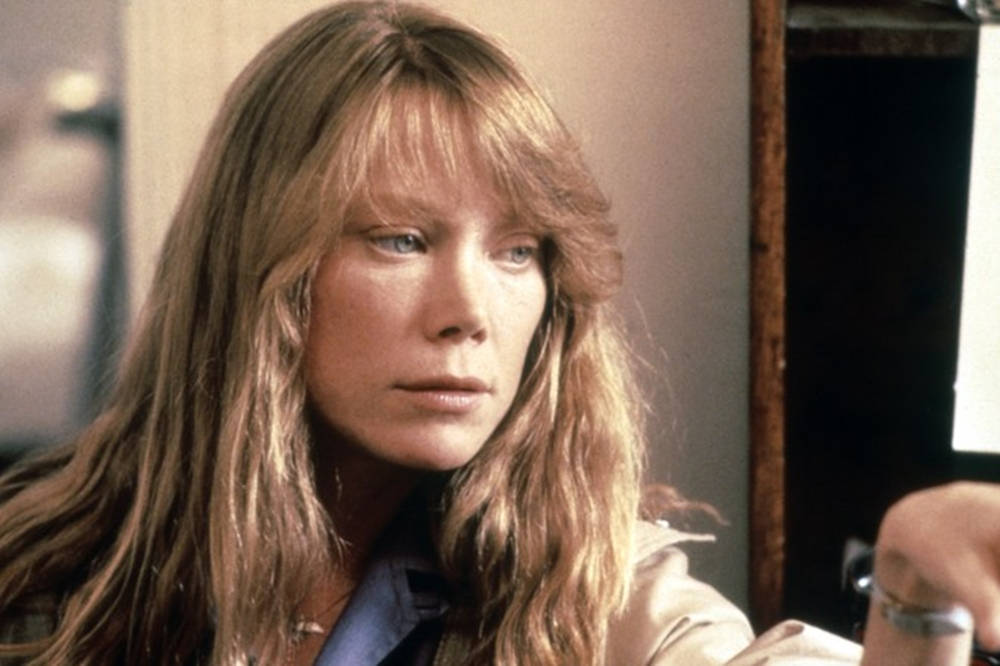
Spacek earned five subsequent Academy Award nominations across her career. Specifically, Costa-Gavras’s Missing in 1982 generated her third nomination. Furthermore, Mark Rydell’s The River in 1984 produced her fourth nomination. Notably, Bruce Beresford’s Crimes of the Heart in 1986 generated her fifth nomination plus a Golden Globe win.
Her Hangin’ Up My Heart country album released in 1983. The album reached number 17 on the Billboard Top Country Albums Chart. Specifically, the project capitalized on the Coal Miner’s Daughter soundtrack momentum. Furthermore, the album confirmed her secondary career as a working country vocalist. Notably, she stepped back from recording across the next two decades to focus on her acting work.
Her Sissy Spacek net worth across the 1980s reached approximately $5 million in cumulative working-actress earnings. Specifically, the Oscar-validated working pattern produced higher per-project compensation than her pre-Coal Miner’s Daughter rates. Furthermore, the Charlottesville Virginia farm acquisition during this period anchored the family’s geographic decision to remain outside Hollywood. Notably, the property has appreciated significantly across the subsequent four decades of holding.
What the 1980s established was the working pattern that would define her entire approach to project selection across the subsequent 40 years. Specifically, she selected roles based on artistic substance rather than commercial scale. Furthermore, she balanced her Hollywood compensation against the personal life she had built with Fisk on the Virginia farm. Notably, the geography was the strategy.
JFK And The Liz Garrison Performance
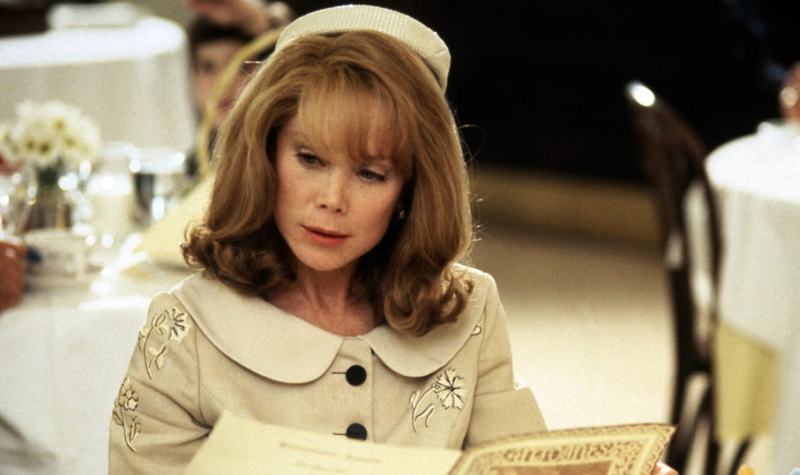
Oliver Stone cast Spacek as Liz Garrison in JFK in 1991. The role required Spacek to play Jim Garrison’s wife, a New Orleans Catholic mother whose increasing distance from her husband’s conspiracy investigation provides one of the film’s central domestic storylines. The complete production architecture is documented in the JFK Cast hub.
Her preparation involved spending time with the actual Liz Garrison. Specifically, the Garrison family had remained in New Orleans across the decades following her husband’s investigation. Furthermore, Spacek’s approach to character work demanded research access that the Garrison family granted directly to her rather than through Stone’s production team. Notably, the methodology defined her entire register of performance preparation.
Her compensation for the JFK cast role was approximately $750,000 across the production schedule. Specifically, the rate reflected her post-Oscar standard supporting-role fee. Furthermore, the role placed her alongside Kevin Bacon’s parallel cast member status in the same Stone production. Both actors used the JFK ensemble to extend their working credibility into the political-thriller register.
Her work continued across the 1990s through Paul Schrader’s Affliction in 1997, David Lynch’s The Straight Story in 1999, and her sixth Academy Award nomination for Todd Field’s In the Bedroom in 2001. Specifically, the late-career renaissance demonstrated that her selective project pattern could produce prestige credibility long after her Oscar-winning peak. Notably, In the Bedroom earned her a Golden Globe Award for Best Actress in a Motion Picture Drama at age 52.
The Charlottesville Virginia Farm
Spacek and Fisk acquired their Charlottesville, Virginia farm in the 1970s. Specifically, the property has anchored the family’s geographic architecture for over five decades. Furthermore, the rural Virginia setting placed them outside the conventional Hollywood social orbit while remaining accessible to East Coast production hubs. Notably, the property has appreciated significantly across their multi-decade holding period.
The exact acreage and current valuation have not been publicly disclosed. Specifically, the family has maintained strict privacy around their primary residence across five decades of public scrutiny. Furthermore, neighbors have described the property as a working horse farm rather than a celebrity vanity project. Notably, the choice reflects the same logic that has shaped every other major decision of Spacek’s career architecture.
Her decision to raise her two daughters Schuyler and Madison on the Virginia farm rather than in Los Angeles became one of the most consequential parental decisions of her professional life. Specifically, both daughters grew up outside the Hollywood child-actor ecosystem that has produced significant tragedy across the same era. Furthermore, Schuyler Fisk later pursued her own acting career on her own timeline rather than through industry pressure. Notably, Madison Fisk built her painting career outside the entertainment industry entirely.
The Sissy Spacek net worth real estate concentration in the Virginia farm represents an undisclosed but significant percentage of her total estate. Specifically, the property has appreciated across the past five decades alongside the broader Charlottesville-Albemarle County real estate market. Furthermore, the Virginia geography has insulated the family’s daily life from the kind of paparazzi and Hollywood-industrial pressure that her contemporaries experienced. Notably, the choice has compounded her personal authority over the past 50 years.
The Bloodline Netflix Renaissance And Late-Career Television
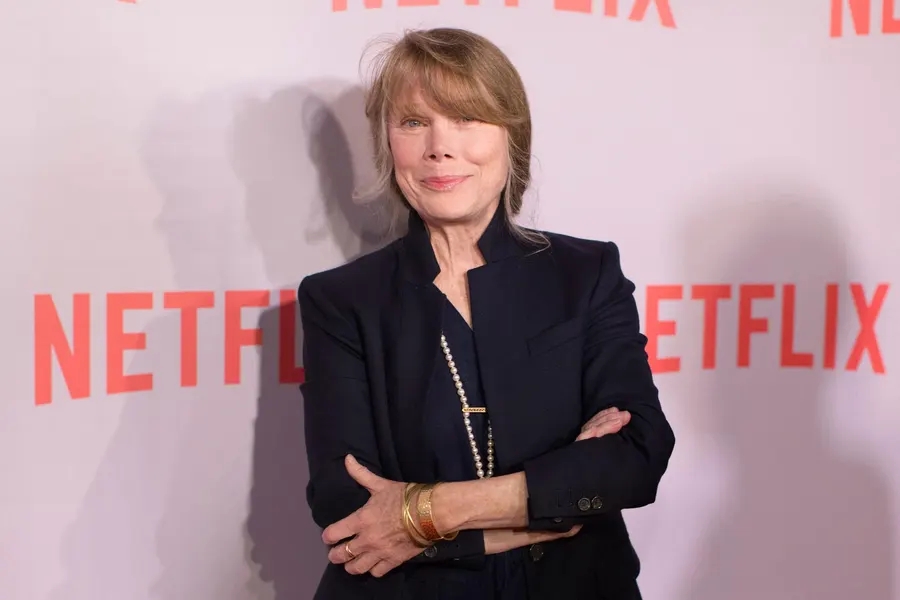
Netflix cast Spacek as Sally Rayburn in Bloodline from 2015 through 2017. The role required Spacek to play the matriarch of the Rayburn family across three seasons of the Florida Keys-set psychological thriller. Specifically, the streaming compensation reached approximately $250,000 to $400,000 per episode across the show’s 33-episode run. Furthermore, the cumulative compensation exceeded $10 million across the three seasons.
Her Hulu role on Castle Rock in 2018 added another major streaming income stream. Specifically, the Stephen King anthology series cast her as Ruth Deaver, a mother with dementia whose deteriorating reality anchors the season’s central mystery. Furthermore, the role provided her with a structural callback to the Carrie collaboration with King that had launched her career in 1976. Notably, the casting was deliberate.
Her Amazon role on Night Sky in 2022 paired her with J.K. Simmons across the supernatural drama series. Specifically, the production paid premium streaming compensation reflecting both actors’ Oscar-winning credentials. Furthermore, the show ran for one season before Amazon cancelled the production. Notably, the cancellation did not reduce her streaming-era working credibility, which has continued compounding through subsequent guest roles.
The streaming-era television compensation has produced approximately $15 to $20 million in cumulative income across her post-2015 work. Specifically, the late-career renaissance echoes the patterns documented across Gary Oldman’s Slow Horses Apple TV+ trajectory. Both Oscar-winning prestige actors have used the streaming era to extend their commercial relevance well into their seventh decade. Furthermore, the strategy has compounded their respective net worth structures faster than traditional film work alone could have produced.
The Real Sissy Spacek Net Worth Math In 2026
Celebrity Net Worth lists the Sissy Spacek net worth at $15 million as of early 2026. The figure reflects liquid plus moderately liquid assets. Furthermore, multiple secondary sources place the figure in the $15 million to $25 million range when accounting for the Charlottesville farm appreciation, her ongoing residual income, and her streaming-era television compensation.
The compositional breakdown looks roughly like this. Specifically, her career acting earnings across 56 years of working-actress compensation generated approximately $40 to $60 million in cumulative gross before agent fees, manager fees, and taxes. Notably, her selective project pattern across her peak earning years prioritized artistic substance over commercial scale. Furthermore, the discipline reduced her gross compensation but preserved her cultural authority.
Her Coal Miner’s Daughter soundtrack royalties have generated ongoing income for over 45 years. Specifically, the Country Music Association Award-winning album continues earning streaming and licensing revenue across the country music ecosystem. Furthermore, her Hangin’ Up My Heart country album produced additional royalty income that compounded across the same period. Notably, the music revenue has been a small but consistent income stream.
Her structure echoes the patterns documented in Social Life Magazine’s celebrity net worth rankings 2026. Specifically, her holdings concentrate in farm real estate, residual income, and ongoing streaming compensation rather than in trophy investments. Furthermore, the conservative portfolio diversification has insulated her wealth across multiple decades of industry change. Notably, the discipline that built the catalog has been the discipline that protected the estate.
What She Built That No Brother’s Death Could Take Back
The catalog will outlast every Bloodline streaming season, every Coal Miner’s Daughter anniversary screening, every Carrie horror retrospective, and every estate-planning consultation. Specifically, Badlands will play forever. Carrie will play forever. 3 Women will play forever. Coal Miner’s Daughter will play forever. Missing will play forever. The River will play forever. Crimes of the Heart will play forever. JFK will play forever. The Straight Story will play forever. In the Bedroom will play forever.
Her willingness to leave Texas at 17 within months of her brother’s death, study at the Lee Strasberg Institute, work as an extra at Andy Warhol’s Factory, marry production designer Jack Fisk after meeting him on Badlands, and base the family on a Charlottesville Virginia farm rather than in Los Angeles became the Spacek signature across six decades. She took the Prime Cut scale fee in 1972. Subsequently, the Badlands work that followed introduced her to her future husband. Notably, the Carrie 1976 breakthrough launched the Oscar-nominated career. Furthermore, her Coal Miner’s Daughter Oscar in 1981 made her one of the youngest Best Actress winners in modern Academy history. Consequently, the cumulative consequence of those choices was a career that earned her approximately $15 million while preserving her family architecture across five decades of Hollywood pressure.
Most actresses at 76 are managing decline. Specifically, Spacek at 76 is selectively choosing late-career streaming projects, mentoring her daughter Schuyler’s career, maintaining the Charlottesville farm with Fisk, and publishing occasional creative work. Furthermore, her marriage to Fisk has anchored the personal architecture for 52 consecutive years. Notably, the Sissy Spacek net worth at $15 million on the public ledger and $20 to $25 million on the actual ledger represents only the financial residue of a career that mattered to American cinema in ways the Charlottesville accountants could not measure.
The CassWorld Take
For Brands Reading Between The Lines
A fish does not notice the water. A reader does not notice the architecture. That is the entire point. Furthermore, that is the entire opportunity for the brand founder, fund manager, or fashion house creative director who has just read this far. Consequently, the reader is, without having fully realized it yet, about to scroll down and click one of the following links.
Are you a brand, a founder, a creative director, or an in-house marketing lead who has read this far? Moreover, would you like to be considered for an editorial feature in Social Life Magazine’s print or digital ecosystem? The editorial team reviews brand submissions year-round. Reach out via the Social Life editorial contact page.
Submit A Paid Feature
Are you a Tennessee whiskey portfolio, a Virginia equestrian luxury brand, or a Southern hospitality house? Specifically, the kind that recognizes a Coal Miner’s Daughter aesthetic when they see one? Then the Submit A Paid Feature page is the fastest entry point. Furthermore, our editors build the placement to fit your audience, not ours.
The 82,000-Reader Email List
Join the 82,000+ readers who receive the Social Life Magazine email digest weekly. The list reaches the affluent New York and Out East audience that drives luxury brand purchase decisions across beauty, spirits, hospitality, finance, and fashion. Sign up via the Social Life Magazine email signup form.
Polo Hamptons 2026
Some brands are ready to be present in front of the right demographic. Specifically, the readers who quote Coal Miner’s Daughter dialogue at dinner parties. Notably, the kind who consider In the Bedroom a foundational text. Consequently, Polo Hamptons 2026 is the marquee summer activation for that audience. Title sponsor BMW returns for its eighth consecutive year. Tickets, cabanas, and remaining sponsorship packages are available now.
Print Subscription
Subscribe to the print edition of Social Life Magazine and hold 23 years of Out East cultural authority in your hands. Five summer issues delivered Memorial Day through Labor Day, plus the Fall and Winter editions reaching Upper East Side doorman buildings. Print subscriptions are available at the Social Life subscription page.
Support Independent Journalism
If this article sharpened your thinking, consider supporting independent luxury journalism. Donate $5 and keep the signal clean. Buy us a coffee here.
The Sissy Spacek net worth story is a rare 60-year career document. Specifically, the Quitman Texas teenager whose brother died of leukemia at 17, who released a failed protest single under the name Rainbo at 19, who married production designer Jack Fisk on the Badlands set in 1974, who won the Oscar at 31 for Loretta Lynn, and who quietly built a $15 million estate on a Charlottesville Virginia farm proves that the catalog is the asset and the family is the architecture. Print the Sissy Spacek net worth architecture. Bookmark this page.
Written by CassWorld. Cass Almendral is Head of Business Development at Social Life Magazine and Co-Founder of Polo Hamptons. Reach editorial at [email protected].
Author

Written by
Recent Posts
Victoria Justice Kicks Off Halloween Early with Love Zombie Bash in Hollywood

Planning an Arizona Road Trip? Practical Details to Handle Before You Leave

Short Homecoming Dresses That Feel Polished, Not Overdone
Men’s Health After 40: Important Changes to Pay Attention To
What You Need to Know About Spray Tanning
Categories
- Art
- Articles
- Business of Luxury
- Celebrities
- Culture
- Entertainment
- Events
- Faces of Summer 2026
- Fashion
- Fashion & Style
- Featured
- Finance
- Food, Spirits, Wine
- Hamptons
- Hamptons Celebrities
- Health
- Health & Beauty
- Lifestyle
- Luxury Lifestyle
- Press
- Profiles
- Real Estate
- Technology
- The Chronicles
- Travel
- Uncategorized
- Weddings