
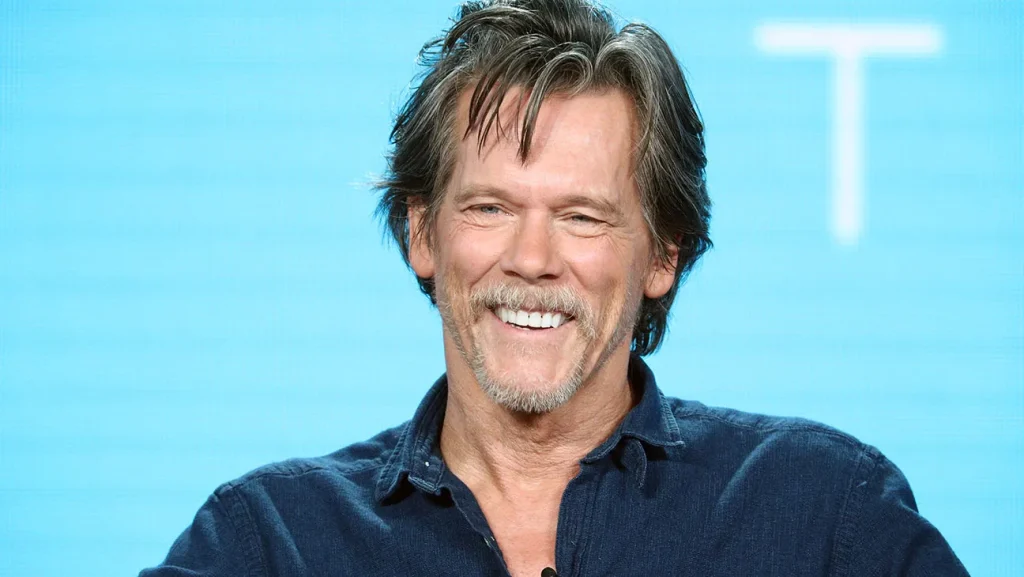
Bernie Madoff stole most of his money. The Kevin Bacon net worth conversation begins in that 2008 financial catastrophe, because the Ponzi scheme that destroyed thousands of investors took down two of Hollywood’s most disciplined working actors alongside the rest. Specifically, Bacon and his wife Kyra Sedgwick lost an estimated $30 to $40 million across the Madoff fraud. Furthermore, the loss represented the bulk of their accumulated savings across nearly three decades of careful investing. Bacon disclosed the scale of the exposure publicly during a 2022 SmartLess podcast appearance. Notably, his admission represented one of the most candid celebrity discussions of personal financial loss in modern Hollywood.
He recovered. The Kevin Bacon net worth has compounded back to approximately $45 million as of early 2026, anchored across continued acting income, his Sharon, Connecticut farm, his Los Feliz Los Angeles home, and his Manhattan Central Park-adjacent apartment. Furthermore, the recovery happened through the same disciplined working pattern that had built the original fortune. He kept working. Subsequently, he took the projects he believed in. Notably, he refused the ones he did not. The Madoff loss became the worst financial event of his career. Subsequently, the response to that loss became the architecture of his next chapter.
By early 2026, the Kevin Bacon net worth had stabilized at approximately $45 million per Celebrity Net Worth. The figure reflects combined household wealth with Sedgwick. Specifically, his films have grossed nearly $3 billion worldwide across 55 features. Furthermore, the Six Degrees of Kevin Bacon cultural game has compounded his name recognition into one of the most universally familiar names in American entertainment. He has not won an Academy Award. He has earned consistent industry respect across 47 years of working-actor compensation. The discipline that built the catalog is the architecture.
The Philadelphia Architect’s Son Who Left At 17
Kevin Norwood Bacon was born July 8, 1958 in Philadelphia, Pennsylvania. His father Edmund Norwood Bacon worked as one of the most influential American urban planners of the 20th century. Specifically, Edmund served as executive director of the Philadelphia City Planning Commission for 21 years and shaped the architectural transformation of postwar Philadelphia across his career. His mother Ruth Hilda Holmes worked as an elementary school teacher across Philadelphia public schools.
The Bacon household was one of the most intellectually rigorous childhoods produced by mid-20th-century American architectural modernism. Specifically, Edmund Bacon’s reputation across Philadelphia civic life placed his son in proximity to design discussions, urban planning theory, and academic discourse from age zero. Furthermore, the household raised six children across the same intellectual environment. Notably, the family’s modest middle-class income did not match the cultural capital of Edmund’s professional standing.
Kevin was the youngest of the six children. His older sister Hilda, brother Michael (later his Bacon Brothers musical collaborator), and three additional siblings produced the kind of large-family dynamic that pushed the youngest sibling toward early independence. Specifically, Kevin developed his theatrical interests by age 13. Furthermore, he won a state-funded scholarship at age 16 to attend a five-week summer arts program at Bucknell University. Subsequently, he studied theater across the program before returning to Philadelphia.
He left Philadelphia at 17. The decision to skip college and move directly to New York City for theater work reflected the same independence that had defined his early adolescence. Notably, his parents supported the choice despite Edmund’s academic credentials and intellectual expectations. The Kevin Bacon net worth at age 17 was effectively zero. Specifically, he arrived in New York with minimal savings and immediately took restaurant work alongside his auditioning schedule.
The Animal House Debut At $700 A Week
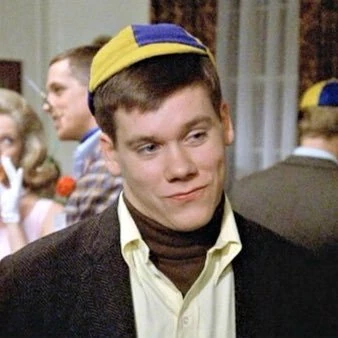
John Landis cast Bacon as Chip Diller in National Lampoon’s Animal House in 1978. The role was small. Specifically, Diller appears as a fraternity rush pledge across approximately ten minutes of screen time. The role required Bacon to deliver one of the most quoted lines in the picture: “Thank you, sir, may I have another?” during the paddling sequence at the Omega House initiation.
His compensation was $700 per week across the five-week production schedule. The total payment reached approximately $3,500. Furthermore, the work represented his first paid screen role and the foundation of his Screen Actors Guild credentialing. Notably, the same production paid Donald Sutherland $35,000 plus refused gross participation that would later have generated $18 million in additional earnings.
The contrast is structurally consequential. Specifically, Sutherland negotiated himself out of $18 million on the same production where Bacon earned $3,500 across the same schedule. Furthermore, Sutherland chose certainty over equity. Bacon took whatever he could get because he was 19 and had no leverage. Both decisions traced back to the same underlying logic. Notably, neither actor believed the film would generate revenue worth participating in. Animal House grossed $141 million worldwide.
What the early career taught Bacon was the same lesson Joe Pesci’s pre-discovery decade had taught a parallel performer of the same era. Specifically, supporting work for filmmakers he respected was the foundation. Loud commercial credits without substance were the trap. The Kevin Bacon net worth across the late 1970s grew slowly. He worked. Subsequently, he kept working. He waited for the role that would inflect the career.
Friday The 13th, Diner, And The 1982 Inflection
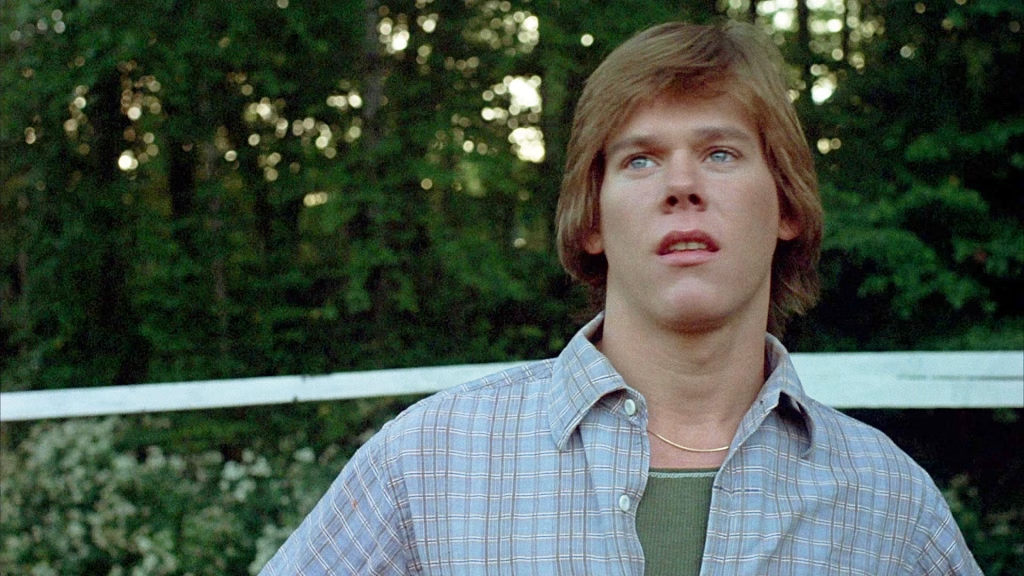
Sean S. Cunningham cast Bacon in Friday the 13th in 1980. The role was Jack Burrell, a camp counselor whose extended death sequence became one of the most-referenced kill scenes in 1980s slasher cinema. Specifically, the production paid Bacon approximately $3,500 for five weeks of work. Furthermore, the film grossed $59 million on a $550,000 budget, generating one of the largest profit margins in horror cinema history.
Barry Levinson cast him in Diner in 1982. The role was Fenwick, the most emotionally damaged member of the Baltimore friend group whose post-college reunion anchored the film’s central narrative. Specifically, the cast included Steve Guttenberg, Mickey Rourke, Daniel Stern, Tim Daly, and Ellen Barkin. Notably, the ensemble structure produced the kind of multiple-breakthrough casting that Mickey Rourke’s career architecture demonstrates from the same period.
Diner grossed $14 million on a $5 million budget. The film performed modestly at the box office but earned widespread critical recognition. Furthermore, it has been studied across film schools for over four decades. Notably, Bacon’s performance as Fenwick has been cited as the breakthrough that converted his profile from Friday the 13th supporting actor to leading-man candidate within 18 months.
His Broadway debut in Slab Boys in 1982 placed him alongside an unknown Sean Penn in the John Byrne play directed by Robert Allan Ackerman. The Broadway visibility extended his stage credentials beyond his film work. Specifically, the dual track allowed Bacon to maintain his theater training while pursuing major film opportunities. The Kevin Bacon net worth by 1983 had reached approximately $50,000 in cumulative working-actor compensation.
Footloose And The $1 Million 1984 Payday
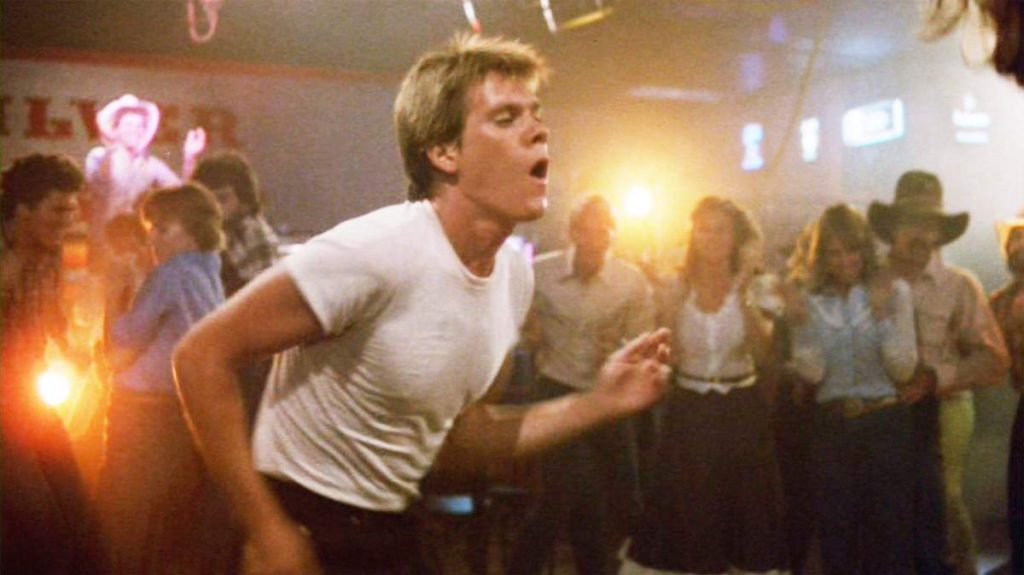
Herbert Ross cast Bacon as Ren McCormack in Footloose in 1984. The role required Bacon to play the Chicago teenager whose move to a small Midwestern town requires him to challenge the local ban on dancing. Specifically, the production cast Bacon over multiple competing leading-man candidates including Tom Cruise. Furthermore, the casting reflected the same recognition Levinson had made on Diner two years earlier.
His compensation reached approximately $1 million plus minor backend participation. The figure was substantial for a 25-year-old actor in 1984 dollars. Notably, Footloose grossed $80 million on an $8.2 million budget, generating one of the most efficient box-office returns of the year. The film became the seventh-highest grossing release of 1984.
The cultural impact compounded across the next four decades. Specifically, the Footloose dancing-in-the-warehouse sequence has become one of the most-referenced moments in 1980s American cinema. Furthermore, the film’s soundtrack reached number one on the Billboard 200 for ten consecutive weeks. Notably, Bacon’s connection to the dance choreography defined his public image for the next decade.
What Footloose proved structurally was the typecasting risk that would later define his entire career strategy. Specifically, Bacon refused to take similar teen-rebel roles that flooded his agent’s desk across 1984 and 1985. Furthermore, he turned down approximately a dozen Footloose-imitative scripts during this period. The discipline cost him short-term income. Subsequently, the same discipline preserved his long-term artistic credibility.
JFK And The Willie O’Keefe Performance
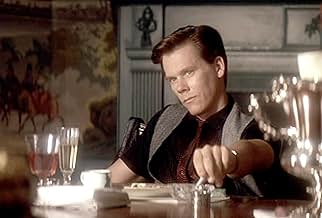
Oliver Stone cast Bacon as Willie O’Keefe in JFK in 1991. The role was the male prostitute whose prison testimony provides one of Garrison’s central conspiracy witnesses. The complete production architecture of that performance is documented in the JFK Cast hub.
His preparation involved interviewing actual prisoners at Louisiana State Penitentiary. Furthermore, Bacon developed a specific Southern accent that distinguished O’Keefe from the broader cast of New Orleans characters in the film. Notably, his approach to character work in this era prefigured the methodology he would later refine in Mystic River and his subsequent Sean Penn collaborations.
His compensation was reportedly approximately $200,000 for the JFK cast role. Specifically, the rate reflected his standard 1991 supporting-role fee. Furthermore, the work generated cultural authority that would compound across his subsequent career. Notably, his lead role in The River Wild in 1994 and his Mystic River ensemble appearance in 2003 both traced back to the prestige credibility JFK had established.
The Bacon career architecture is the textbook example of how a single committed supporting performance can recalibrate an actor’s market value across the next decade. Specifically, the JFK role placed him alongside Gary Oldman’s Lee Harvey Oswald performance in the same ensemble. Both actors used the Stone production to establish multi-register working credibility within the American studio system. Furthermore, both careers compounded across the subsequent three decades through the prestige authority that JFK had established.
The 1990s Run And The $3 Million Mystic River
The 1990s and early 2000s produced the highest-earning period of Bacon’s career. Specifically, A Few Good Men in 1992 paid $650,000. Apollo 13 in 1995 paid significantly more. Sleepers in 1996 paid $2.5 million. Wild Things in 1998 paid $1 million. Furthermore, his villain performance in Hollow Man in 2000 paid approximately $5 million plus participation rights.
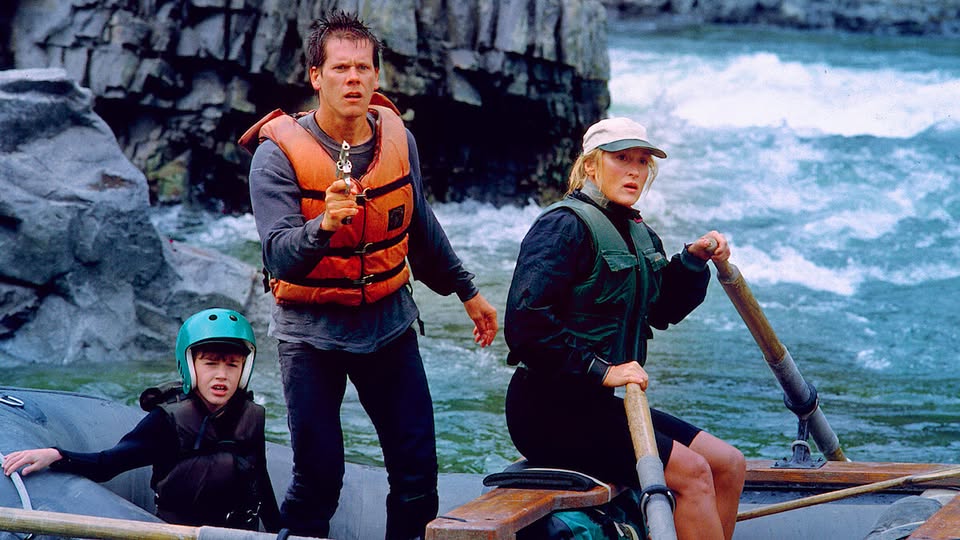
His starring role in Curtis Hanson’s The River Wild in 1994 added another major leading-man credit. Specifically, the Meryl Streep-led action thriller cast Bacon as the antagonist Wade, and the role required him to play a charming-then-menacing fugitive whose menace anchored the film’s central tension. Furthermore, the production paid Bacon approximately $1.5 million across the schedule. Notably, the performance reset critical expectations about his range as a villain rather than just a leading man.
The Mystic River And Crazy Stupid Love Run
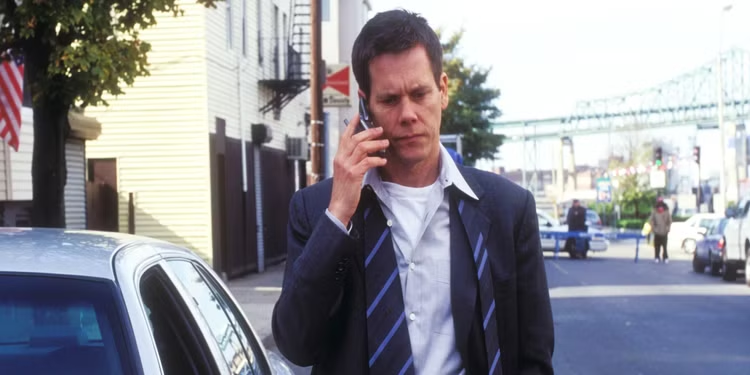
Clint Eastwood cast him in Mystic River in 2003. The role was Sergeant Sean Devine, the Boston detective whose childhood friendship with Sean Penn’s and Tim Robbins’s characters anchored the entire film. Specifically, Bacon’s compensation reached approximately $3 million for the production. Notably, the film grossed $156 million worldwide on a $30 million budget. Furthermore, Penn won the Best Actor Oscar at the 76th ceremony for his lead performance, while Robbins won Best Supporting Actor.
His Crazy, Stupid, Love appearance in 2011 paid approximately $6 million for what amounted to a supporting role. The Glenn Ficarra and John Requa romantic comedy grossed $145 million worldwide. Subsequently, his Black Mass appearance in 2015 paid $4 million across the Whitey Bulger biographical drama. Furthermore, the role required Bacon to play opposite Johnny Depp’s leading performance and anchored the film’s federal-investigation subplot.
His combined 1990-2008 working-career compensation reached approximately $50 million in cumulative gross before the Madoff loss. Specifically, the wealth accumulation across this 18-year peak should have produced a comfortable mid-career net position. Notably, the December 2008 disclosure of the Bernie Madoff fraud erased most of that accumulated wealth in a single quarterly statement.
The Bernie Madoff Catastrophe And The Recovery
Bacon and Sedgwick had invested with Bernard L. Madoff Investment Securities across multiple decades. Specifically, the couple had concentrated approximately 80% of their liquid investment capital in Madoff-managed funds before the December 2008 disclosure of the largest Ponzi scheme in modern financial history. Furthermore, the exact loss has never been publicly confirmed in legal documents.
Industry estimates place the combined Bacon-Sedgwick exposure at approximately $30 to $40 million. Specifically, the loss represented the majority of their accumulated savings from nearly three decades of working compensation. Notably, Bacon discussed the scale of the exposure on the SmartLess podcast in 2022. The candor of his disclosure reflected the same characteristic honesty that had defined his public statements across his career.
The recovery happened through continued working compensation across the post-2008 decade. Specifically, The Following on Fox from 2013 to 2015 paid Bacon $175,000 to $350,000 per episode across three seasons of 15 episodes each. Furthermore, the cumulative compensation from that single series reached approximately $7.9 million. The role required Bacon to anchor the FBI procedural across three seasons of escalating cult-thriller narrative.
His City on a Hill role on Showtime from 2019 to 2022 added another major TV income stream. Specifically, the Boston-set crime drama paid Bacon approximately $250,000 per episode across three seasons. Subsequently, the cumulative TV compensation across The Following plus City on a Hill plus subsequent appearances has reached approximately $15 to $20 million across the post-Madoff decade.
The Sharon Connecticut Farm And The Real Estate Architecture
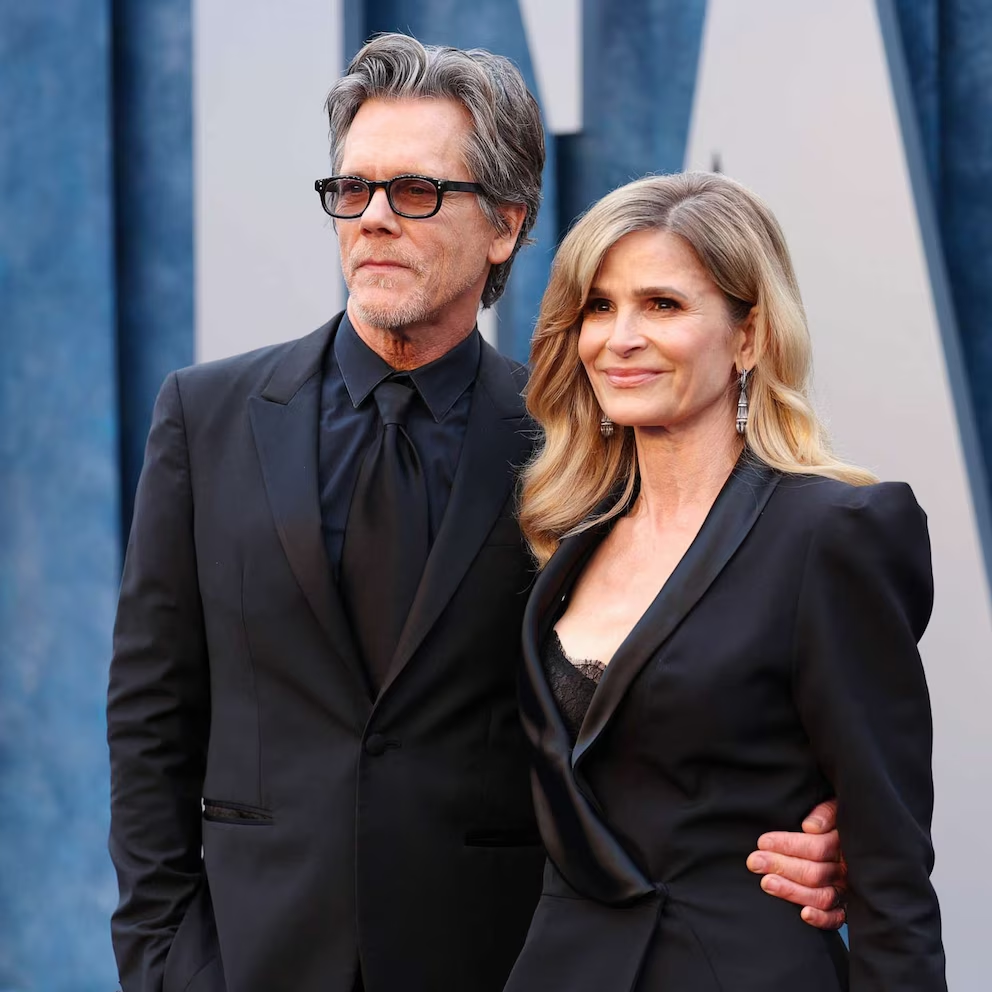
Bacon and Sedgwick own a 40-acre rural property in Sharon, Connecticut. The couple first purchased the property in the 1990s. Specifically, the Litchfield County estate placed them outside the conventional Hollywood social orbit while remaining accessible to New York City production hubs. Furthermore, the property has appreciated significantly across their three-decade holding period.
Their Los Feliz Los Angeles home cost $2.5 million in December 2011. Specifically, the property has appreciated to approximately $5 million as of early 2026. Notably, the West Coast residence reflects the practical need for Los Angeles presence during awards seasons and major studio production schedules. Furthermore, the property allowed Sedgwick to pursue her career parallel to Bacon’s working schedule.
Their Manhattan apartment with Central Park views anchors the East Coast residential architecture. Specifically, the apartment has been their primary residence across the past two decades. Furthermore, the unit reflects the cultural connection to Sedgwick’s Manhattan upbringing and her continued theater work in New York.
The combined Kevin Bacon net worth real estate concentration across the three properties represents approximately 35 to 40% of his total estate. Specifically, the diversification across rural Connecticut, suburban Los Angeles, and Manhattan reflects the same strategic discipline that defined his career project choices. Notably, the geography supported the family architecture that anchored his marriage to Sedgwick across nearly four decades.
The Bacon Brothers Music Career And SixDegrees.org
Bacon and his older brother Michael founded The Bacon Brothers band in 1995. Specifically, the brothers describe their music as “Forosoco,” a portmanteau of folk, rock, soul, and country influences. Furthermore, the band has released multiple albums and toured extensively across the United States and internationally.
The Bacon Brothers play approximately 30 to 40 dates per year. Specifically, the touring schedule generates additional household income alongside the acting compensation. Notably, the band performed at venues including the Grand Ole Opry, Carnegie Hall, and Nashville’s Ryman Auditorium across their three-decade career. The 2025 Nashville performance reportedly raised $250,000 for charity in a single night.
His charitable foundation SixDegrees.org launched in 2007 specifically as a response to the cultural game that had defined his name recognition since 1994. Specifically, the foundation has granted approximately $10 million to grassroots causes since launch. Furthermore, the structure connects celebrities with grassroots charitable organizations and matches fan donations across multiple causes.
What the music and philanthropy work added to his career architecture was the kind of cross-disciplinary cultural authority that few working actors of his generation matched. Specifically, the Bacon Brothers band gave him performing credentials beyond acting. Furthermore, SixDegrees.org gave him institutional charity credentials that compounded his reputation alongside his filmography.
The Real Kevin Bacon Net Worth Math In 2026
Celebrity Net Worth lists the Kevin Bacon net worth at $45 million as of early 2026. The figure reflects combined household wealth with Sedgwick. Furthermore, multiple secondary sources place the figure in the $40 million to $60 million range when accounting for ongoing television compensation, real estate appreciation, and music royalty income.
The compositional breakdown looks roughly like this. Specifically, his pre-Madoff working-career earnings across 1978-2008 generated approximately $50 million in cumulative gross before the Ponzi loss erased most of the accumulated savings. Furthermore, his post-2008 recovery generated approximately $30 to $40 million in cumulative gross across television compensation, music tour revenue, endorsement deals, and selective film work.
His three-property real estate architecture represents approximately $15 to $20 million in equity value. Specifically, the Sharon Connecticut farm, the Los Feliz home, and the Manhattan apartment have all appreciated significantly across his holding periods. Notably, the real estate diversification has insulated his portfolio from any single market disruption.
His EE Mobile UK commercial campaign across 2012 through 2018 reportedly paid approximately $5 million annually across the multi-year contract. Furthermore, the endorsement work for Visa, Logitech, Hyundai, and the Incredible Edible Egg Board produced additional commercial income that compounded outside his working compensation. The Kevin Bacon net worth structure echoes the patterns documented in Social Life Magazine’s celebrity net worth rankings 2026. His holdings concentrate in residual income, real estate, and ongoing TV compensation rather than in trophy investments.
What He Built That No Bernie Madoff Could Take Back
The catalog will outlast every Madoff settlement, every Footloose anniversary, every City on a Hill streaming season, and every Bacon Brothers tour. Specifically, Animal House will play forever. Friday the 13th will play forever. Diner will play forever. Footloose will play forever. JFK will play forever. A Few Good Men will play forever. Apollo 13 will play forever. Mystic River will play forever. Black Mass will play forever.
His willingness to refuse Footloose-imitative scripts in 1985, take supporting roles for filmmakers he respected, recover from one of the largest financial frauds in modern history, and continue working through his late sixties became the Bacon signature across 47 years. He took the Animal House $700-per-week rate. Subsequently, the Friday the 13th low-budget paycheck followed. Notably, the Footloose $1 million broke him into the leading-man tier. Then the Madoff catastrophe destroyed most of the accumulated wealth from those choices. Subsequently, the recovery rebuilt approximately $45 million in combined household net worth across the post-2008 decade.
Most actors at 67 are managing decline. Specifically, Bacon at 67 is anchoring the Beverly Hills Cop: Axel Foley franchise revival, hosting the Lucky 13 quiz series, touring with The Bacon Brothers, and operating SixDegrees.org. Furthermore, his marriage to Sedgwick has anchored the personal architecture for 38 consecutive years. Notably, the Kevin Bacon net worth at $45 million on the public ledger represents only the financial residue of a career that mattered to American cinema in ways the Madoff trustees could not measure.
The CassWorld Take
For Brands Reading Between The Lines
A fish does not notice the water. A reader does not notice the architecture. That is the entire point. Furthermore, that is the entire opportunity for the brand founder, fund manager, or fashion house creative director who has just read this far. Consequently, the reader is, without having fully realized it yet, about to scroll down and click one of the following links.
Are you a brand, a founder, a creative director, or an in-house marketing lead who has read this far? Moreover, would you like to be considered for an editorial feature in Social Life Magazine’s print or digital ecosystem? The editorial team reviews brand submissions year-round. Reach out via the Social Life editorial contact page.
Submit A Paid Feature
Are you a Philadelphia heritage brand, a Connecticut country-club hospitality portfolio, or a music-festival production house? Specifically, the kind that recognizes a Footloose-era Americana aesthetic when they see one? Then the Submit A Paid Feature page is the fastest entry point. Furthermore, our editors build the placement to fit your audience, not ours.
The 82,000-Reader Email List
Join the 82,000+ readers who receive the Social Life Magazine email digest weekly. The list reaches the affluent New York and Out East audience that drives luxury brand purchase decisions across beauty, spirits, hospitality, finance, and fashion. Sign up via the Social Life Magazine email signup form.
Polo Hamptons 2026
Some brands are ready to be present in front of the right demographic. Specifically, the readers who quote Mystic River dialogue at dinner parties. Notably, the kind who consider Apollo 13 a foundational text. Consequently, Polo Hamptons 2026 is the marquee summer activation for that audience. Title sponsor BMW returns for its eighth consecutive year. Tickets, cabanas, and remaining sponsorship packages are available now.
Print Subscription
Subscribe to the print edition of Social Life Magazine and hold 23 years of Out East cultural authority in your hands. Five summer issues delivered Memorial Day through Labor Day, plus the Fall and Winter editions reaching Upper East Side doorman buildings. Print subscriptions are available at the Social Life subscription page.
Support Independent Journalism
If this article sharpened your thinking, consider supporting independent luxury journalism. Donate $5 and keep the signal clean. Buy us a coffee here.
The Kevin Bacon net worth story is a rare 47-year career document. Specifically, the Philadelphia architect’s son who left home at 17, took $700 per week on Animal House, anchored Footloose at 25, lost $30 to $40 million to Bernie Madoff in 2008, and rebuilt his fortune across The Following and City on a Hill proves that the catalog is the asset and the recovery is the architecture. Print the Kevin Bacon net worth architecture. Bookmark this page.
Written by CassWorld. Cass Almendral is Head of Business Development at Social Life Magazine and Co-Founder of Polo Hamptons. Reach editorial at cass.almendral@sociallifemagazine.com.
Author

Written by
Recent Posts
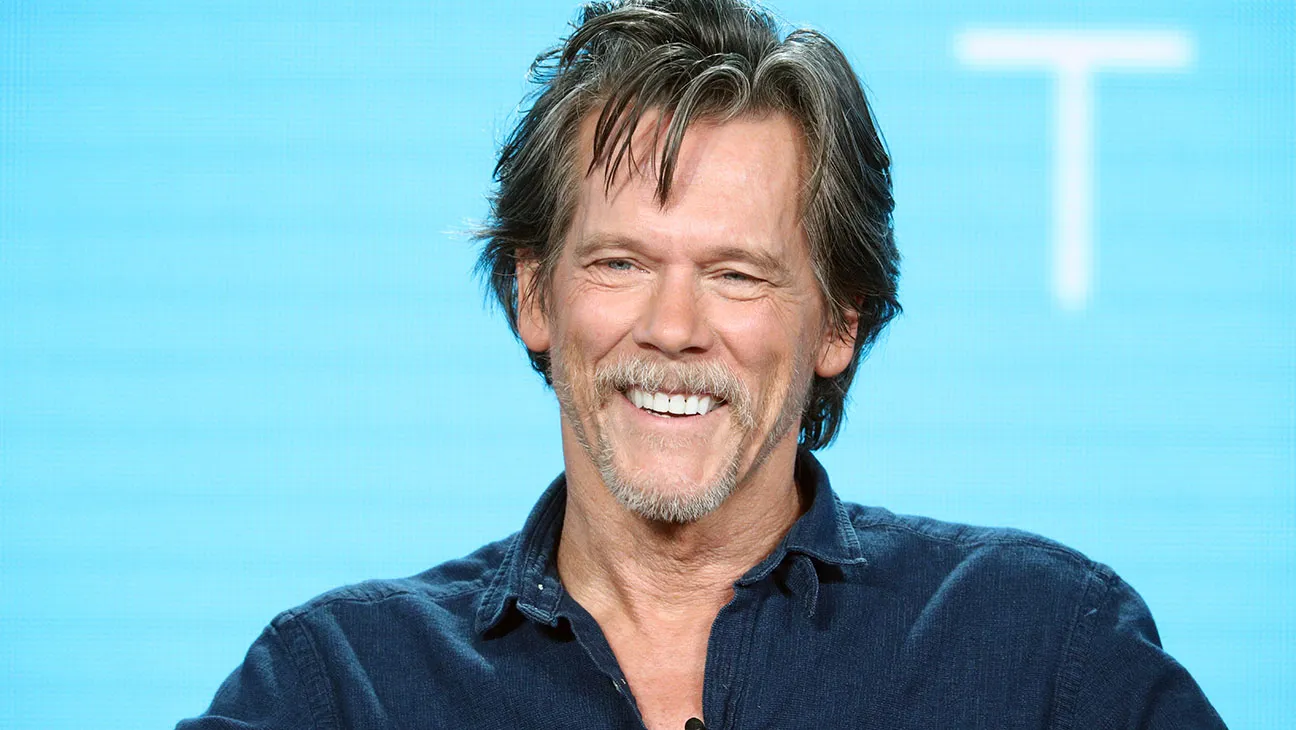
Kevin Bacon Net Worth: $45M Recovery From The Madoff Loss
How the Right Shoes Can Fix a Boring Outfit
Why Clean Brushes Are the Secret to a More Polished Makeup Look
Why the Appeal of Electric Dirt Bikes Goes Beyond Power
A Curated Guide to Scotland’s Most Exclusive Hikes
Categories
- Art
- Articles
- Beauty & Skincare
- Celebrities
- Celebrities|Movies
- Celebrities|The Chronicles
- Celebrities|TV Shows
- Chronicles
- Entertainment|Culture
- Event Photos
- Events
- Fashion
- Fashion & Style
- Featured
- Food & Beverage
- Food, Spirits, Wine
- Hamptons
- Hamptons Celebrities
- Hamptons Celebrities
- Health
- Health & Beauty
- Lifestyle
- Luxury Lifestyle
- Movies
- Movies|Culture
- Movies|Hamptons Lifestyle
- Press
- Profiles
- Real Estate
- Technology
- The Chronicles
- Travel
- TV
- TV & Film
- Uncategorized
- Weddings