
How Brand Sales Create Wealth Differently
Operating businesses generate income through ongoing effort. Brand sales convert accumulated equity into immediate capital through fundamentally different economics.
| Income Type | Time to Generate $50 Million | Risk Profile | Ongoing Effort Required |
|---|---|---|---|
| Restaurant profits at 5% margin | 100+ years (if ever) | High operational risk | Continuous daily management |
| Television contracts at $5M/year | 10 years | Medium renewal risk | Ongoing production commitment |
| Product royalties at $2M/year | 25 years | Low passive risk | Periodic promotional support |
| Brand sale (lump sum) | Single transaction | Zero (money received) | None post-closing |
The Present Value Calculation
Brand buyers pay premiums representing the present value of projected future earnings. If a brand generates $5 million annually in licensing revenue, a buyer might pay $50-75 million (10-15x revenue) to acquire those future cash flows. The seller receives decades of potential income compressed into immediate payment.
This compression transforms wealth trajectories completely. A chef collecting $5 million annually for 15 years would accumulate $75 million over that period (before taxes and expenses). The same chef selling for $75 million receives equivalent value immediately, available for investment, diversification, or lifestyle regardless of what happens to the brand afterward.
Case Study: Emeril Lagasse’s $50 Million Exit
Emeril Lagasse sold his brand portfolio to Martha Stewart Living Omnimedia in 2008 for approximately $50 million. The transaction represents the most instructive celebrity chef brand sale because of what it included and what it excluded.
What Sold
The transaction included:
- Trademarks: The Emeril name and associated marks for commercial use
- The “BAM!” catchphrase: Trademarked verbal identifier with independent value
- Intellectual property: Recipes, training materials, brand guidelines
- Licensing relationships: Existing product licensing agreements and their revenue streams
- Television library rights: Ownership interests in existing programming
What Didn’t Sell
Emeril retained:
- Restaurant operations: His nine restaurant locations continued operating independently
- Personal appearance income: Speaking fees, event appearances, consulting
- Future television contracts: His ability to appear on television wasn’t transferred
- Name for non-commercial use: He remained Emeril Lagasse personally
The Strategic Brilliance
The transaction structure allowed Emeril to monetize brand equity while maintaining his career. He received $50 million representing years of accumulated brand value. He continued operating restaurants, making television appearances, and earning income from activities not covered by the sale.
Martha Stewart Living Omnimedia received a cash-generating brand portfolio with established licensing relationships. They could expand Emeril-branded products, negotiate new licensing deals, and leverage the brand equity he’d built over decades.
Case Study: Rachael Ray’s Double-Pay Structure
Rachael Ray’s Nutrish pet food deal demonstrates even more sophisticated brand sale architecture. She structured the arrangement to generate income twice from the same asset: during operations and at exit.
Phase 1: Operating Royalties
Ray licensed her name to Ainsworth Pet Nutrition for their Nutrish pet food line. The licensing arrangement paid royalties based on sales volume, reportedly generating approximately $15 million annually at peak. This represented substantial passive income without operational involvement.
Phase 2: Exit Participation
In 2018, the J.M. Smucker Company acquired Ainsworth Pet Nutrition for approximately $1.9 billion. The acquisition included the Nutrish brand and, importantly, the licensing relationship with Ray.
Ray’s structure meant she benefited from the acquisition transaction, receiving payment representing the present value of her ongoing licensing relationship. The same asset that had paid operating royalties for years generated additional exit value at acquisition.
The Architecture Lesson
Ray’s deal demonstrates how sophisticated brand licensing can capture value at multiple stages. She bore no operational risk during the brand’s growth (Ainsworth invested in manufacturing, distribution, and marketing). Yet she participated in both operating income and exit premium.
This architecture should inform how any celebrity with licensable brand equity structures future arrangements. Operating royalties provide ongoing income. Exit participation captures acquisition premiums when buyers acquire the licensee.
What Makes Chef Brands Valuable to Buyers
Not every celebrity chef commands brand sale valuations. Buyers pay premiums for specific characteristics that separate licensable intellectual property from personality-dependent fame.
Trademarked Identifiers
Protectable verbal and visual marks that function as brand assets independent from the chef’s personal presence create transferable value. “BAM!” works as a trademark because it identifies Emeril-associated products regardless of his involvement. Generic cooking personas lack comparable protectable assets.
Established Revenue Streams
Buyers acquire brands to generate income, not just own intellectual property. Brands with demonstrated revenue through existing licensing relationships command premium valuations because cash flows are proven rather than projected.
Emeril’s existing product licensing relationships showed buyers exactly what the brand could generate. Nutrish’s sales history demonstrated the brand’s commercial value to Smucker’s. Track records justify multiples that unproven brands cannot command.
Transferable Licensing Relationships
Existing licensing agreements that transfer to buyers provide immediate revenue without requiring new deal development. Buyers inherit functioning commercial relationships rather than building from scratch.
Brand Equity Independent from Personal Appearance
Brands that require the chef’s constant presence cannot be sold because they depend on non-transferable personal services. Valuable brands generate revenue through products, licensing, and intellectual property that function regardless of the chef’s daily involvement.
Clear Separation from Operating Businesses
Corporate structures that isolate licensable brand assets from operating entities enable transactions. Chefs who commingle personal brand with restaurant operations complicate potential exits. Clean separation facilitates sales.
Case Study: Wolfgang Puck’s Exit-Ready Structure
Wolfgang Puck hasn’t executed a major brand sale, but his corporate structure positions potential future transactions. Wolfgang Puck Companies functions as a holding entity that could be sold independently from restaurant operations.
The Holding Company Architecture
Wolfgang Puck Companies holds:
- Trademarks and brand intellectual property
- Licensing agreements for Express locations
- Product licensing relationships
- Media and content rights
Restaurant operations exist in separate legal entities. The structure allows the licensing and brand business to be sold while restaurants continue operating under new licensing arrangements with the buyer.
Optionality Value
Even without executing a sale, this structure creates optionality. Puck can sell the brand company while retaining restaurants, sell restaurants while retaining the brand, or sell both to the same or different buyers. The flexibility enables optimal exit timing and structure.
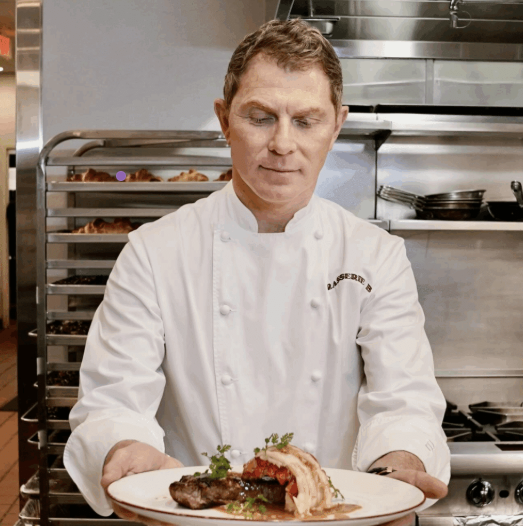
Case Study: Bobby Flay’s Production Company Evolution
Bobby Flay’s 2021 contract renegotiation prioritized production company ownership over immediate salary increases. This represents brand sale preparation rather than a completed transaction.
Building Saleable Assets
Production companies own content libraries, format rights, and intellectual property that retain value independent from talent agreements. Flay’s production company can develop shows featuring other talent, accumulating assets that don’t depend on his personal services.
Over time, this structure creates a business that could be sold to media companies, private equity, or strategic acquirers. The value exceeds his personal service agreements because it includes transferable intellectual property.
The Long-Term Vision
Flay’s strategy demonstrates patience uncommon in talent negotiations. He accepted arrangements with longer-term payoffs rather than maximizing immediate compensation. The production company equity may prove more valuable than the salary differential over a career.
Timing Brand Sales: When to Exit
Brand sale timing dramatically affects outcomes. Selling at peak versus decline can mean differences of tens of millions of dollars.
Optimal Timing Indicators
Revenue growth is decelerating but positive: Buyers pay for growth potential. Brands still growing command premium multiples. Brands already declining attract discount offers.
Television visibility remains strong: Media presence drives brand awareness that supports licensing revenue. Selling while television contracts are active captures visibility value.
Category interest is high: Strategic acquirers pay premiums when celebrity food brands are attractive acquisition targets. Timing with industry M&A cycles improves outcomes.
Personal circumstances favor transition: Brand sales require seller involvement in transition periods. Timing should accommodate personal readiness for career evolution.
Suboptimal Timing Signals
Revenue is declining: Buyers discount for declining trajectories. Desperation sales rarely achieve optimal prices.
Media visibility is waning: Brands dependent on television presence lose value as shows end or ratings decline.
Category enthusiasm has cooled: Strategic buyers reduce acquisition activity when category interest fades.
Personal controversies have emerged: Reputational damage reduces brand value and complicates transactions.
The Patterns: What Brand Sales Teach
Analyzing brand sale transactions across celebrity chef careers reveals consistent patterns.
Brand sales crystallize wealth that operations cannot match. The $50 million Emeril received would have required decades of operational income to accumulate. The compression is the value.
Sophisticated structures capture value at multiple stages. Ray’s Nutrish deal generated operating royalties and exit participation. Dual-capture structures maximize total value.
Trademarked identifiers create transferable assets. “BAM!” had independent commercial value because it was protectable intellectual property, not just personality.
Corporate separation enables transactions. Clean separation between licensable assets and operating businesses facilitates sales that commingled structures prevent.
Timing affects outcomes dramatically. Selling at peak versus decline can mean tens of millions in difference. Patience combined with market awareness optimizes exits.
The Playbook: Preparing for Potential Brand Sales
For Social Life Magazine readers building personal brands with potential exit value, brand sale principles offer applicable guidance.
Create protectable intellectual property early. Trademarks, catchphrases, visual identities, and distinctive formats create assets that can eventually be sold. Generic personas lack transferable value.
Structure licensing deals with exit participation. Arrangements that provide operating income plus acquisition participation maximize total value capture.
Maintain corporate separation between brand assets and operations. Isolate licensable intellectual property in separate entities that can be sold independently from operating businesses.
Build demonstrated revenue streams. Buyers pay for proven cash flows. Establish licensing relationships that generate trackable income before attempting sales.
Monitor timing indicators. Exit when growth remains positive, visibility is strong, and category interest is high. Don’t wait until decline forces unfavorable terms.
Celebrity Chef Brand Sales: Final Assessment
Brand sales represent the ultimate wealth-building mechanism for celebrity chefs because they compress decades of potential income into immediate capital. Emeril’s $50 million transaction, Rachael Ray’s double-pay Nutrish structure, and the exit-ready architectures of Wolfgang Puck and Bobby Flay all demonstrate how brand equity converts to generational wealth.
The pattern transcends celebrity chefs. Anyone with licensable personal brand equity should understand how brand sales work, what makes brands valuable to buyers, and how to structure arrangements that capture maximum value.
Operating income requires ongoing effort and carries ongoing risk. Brand sales deliver lump sums that can be invested, diversified, and protected regardless of what happens afterward. The chefs who understand this distinction build structures that enable eventual exits. Their net worth reflects the preparation.
Related Articles
- Licensing vs. Ownership: Why the Richest Chefs Stopped Opening Restaurants
- Emeril Lagasse Net Worth 2025: How “BAM!” Became $70 Million
- Rachael Ray Net Worth 2025: How She Built $100 Million
- Celebrity Chef Net Worth Rankings 2025
For coverage inquiries, brand partnerships, and advertising opportunities, contact Social Life Magazine. Experience culinary excellence at Hamptons’ premier lifestyle events: Polo Hamptons.
Author

Written by
Recent Posts

Midsommar A24 Cast Net Worth — The Daylight Horror That Turned Grief Into a Career Launchpad
ZOI NOMAD & TEN11 LOUNGE MARK ONE YEAR

Room A24 Cast Net Worth — The $6 Million Captivity Drama That Set Brie Larson Free

The Witch A24 Cast Net Worth — A $3.5 Million Puritan Nightmare That Created a Queen and a King

A24 Genre Stars Net Worth — The Terrifying Fortunes Behind Horror, Sci-Fi, and Oscar Gold
Categories
- Art
- Articles
- Beauty & Skincare
- Celebrities
- Celebrities|Movies
- Celebrities|The Chronicles
- Chronicles
- Entertainment|Culture
- Event Photos
- Events
- Fashion
- Fashion & Style
- Featured
- Food & Beverage
- Food, Spirits, Wine
- Hamptons
- Hamptons Celebrities
- Hamptons Celebrities|Celebrities|The Chronicles
- Health
- Health & Beauty
- Lifestyle
- Luxury Lifestyle
- Movies
- Movies|Culture
- Movies|Hamptons Lifestyle
- Press
- Profiles
- Real Estate
- Technology
- The Chronicles
- Travel
- Uncategorized
- Weddings