
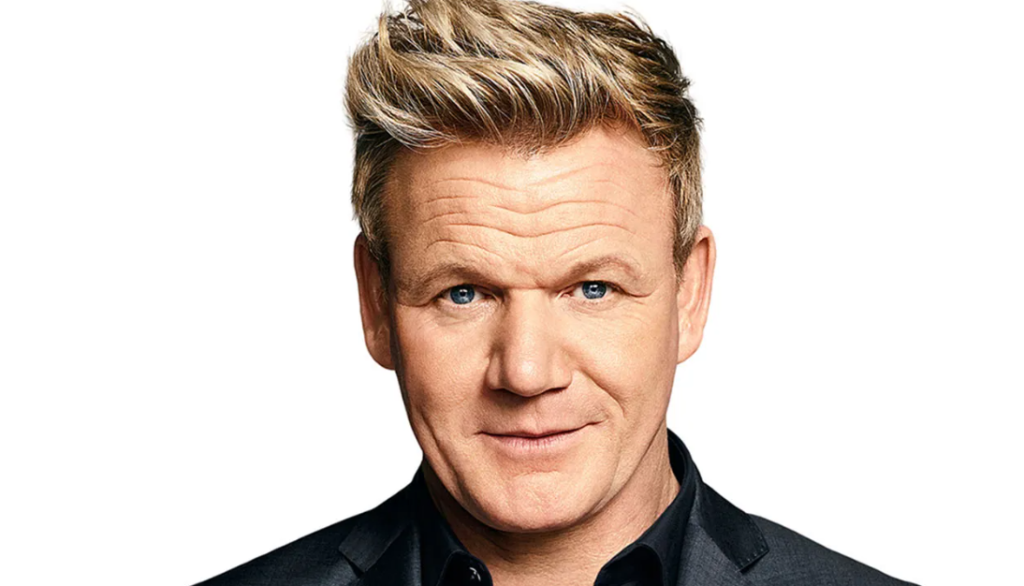
Celebrity Chef Net Worth Rankings 2025: The Complete List
Before examining individual profiles, the ranking itself reveals important patterns. Notice that net worth doesn’t correlate with Michelin stars, culinary training, or critical acclaim. It correlates with media reach, licensing sophistication, and strategic brand architecture.
| Rank | Chef | Net Worth | Primary Wealth Source | Monthly Search Volume |
|---|---|---|---|---|
| 1 | Gordon Ramsay | $220 million | TV contracts, restaurant licensing | 165,000 |
| 2 | Jamie Oliver | $200 million | Cookbooks, TV, product licensing | 22,200 |
| 3 | Guy Fieri | $150 million | $80M Food Network deal, licensing | 74,000 |
| 4 | Wolfgang Puck | $120 million | Licensing empire, Oscars catering | 40,500 |
| 5 | Rachael Ray | $100 million | Daytime TV, Nutrish pet food sale | 49,500 |
| 6 | Emeril Lagasse | $70 million | $50M brand sale to Martha Stewart | 18,100 |
| 7 | Bobby Flay | $60 million | $80M Food Network deal, production co. | 33,100 |
| 8 | Ina Garten | $60 million | Cookbooks, TV, intentional scarcity | 27,100 |
Combined net worth of top 8 celebrity chefs: $980 million
Nearly one billion dollars accumulated by eight individuals, almost none of it from restaurant profit margins. The pattern demands explanation.
How Celebrity Chefs Actually Build Wealth
The consistent finding across all eight profiles is that restaurant operations rarely create significant chef wealth. Understanding why requires examining the fundamental economics of each revenue category.
Restaurant Operations: The Prestige Trap
Restaurants generate razor-thin margins, typically 3-9% of revenue after accounting for labor, food costs, rent, and insurance. A successful restaurant doing $5 million annually might produce $300,000-$400,000 in profit for its chef-owner. Respectable income. Not wealth.
Worse, restaurants require ongoing attention, carry substantial risk, and can’t scale without proportional capital investment. Each new location requires real estate, staff, equipment, and management infrastructure. The economics cap upside while maintaining downside exposure.
Jamie Oliver’s 2019 restaurant collapse illustrates the danger dramatically. Sixty restaurants, £83 million in debt, 1,300 jobs eliminated. His net worth survived because his media income operated independently. Had he concentrated entirely in restaurants, the outcome would have been catastrophic.
Television Contracts: The Wealth Engine
Television contracts generate 10-20x the annual income of equivalent restaurant success. A chef earning $400,000 from restaurant operations might earn $10-20 million annually from television contracts. The comparison isn’t close.
Consider the specific examples:
- Gordon Ramsay: $45 million annually from TV (Hell’s Kitchen, MasterChef, etc.)
- Guy Fieri: $26 million annually from Food Network ($80M contract)
- Bobby Flay: $15 million annually from Food Network ($80M contract)
- Rachael Ray: $25 million annually at peak from syndicated talk show
These figures dwarf anything restaurant operations could produce. Television scales without proportional cost increases. Once a show achieves ratings, incremental viewers cost nothing to serve. The economics favor talent enormously.
Licensing Deals: Passive Income at Scale
Licensing arrangements allow celebrity chefs to earn from products bearing their names without investing capital or managing operations. Manufacturers provide production, distribution, and retail relationships. Chefs provide brand value and promotional support.
The asymmetric structure creates ideal risk-reward profiles. When products succeed, chefs collect royalties. When products fail, manufacturers absorb losses. The downside is limited to reputational association while upside flows directly to the chef.
Key licensing examples from our rankings:
- Wolfgang Puck: Express locations (100+) generate $10M+ annually in licensing fees
- Rachael Ray: Nutrish pet food generated $15M annually before the Smucker’s sale
- Guy Fieri: Restaurant licensing across 80+ locations generates $20M+ annually
- Emeril Lagasse: Product licensing generates $5M+ annually post-brand-sale
Brand Sales: Liquidity Events That Change Everything
The most sophisticated celebrity chefs engineer liquidity events that convert accumulated brand equity into immediate capital. These transactions compress years of projected future income into present value.
Two examples from our rankings demonstrate the strategy:
Emeril Lagasse sold his brand portfolio to Martha Stewart Living Omnimedia for approximately $50 million in 2008. The transaction included trademarks, intellectual property, and licensing relationships. Lagasse received a lump sum representing decades of projected royalty income while retaining his restaurants and ongoing earning capacity.
Rachael Ray structured her Nutrish pet food deal to capture both operating income and exit value. She collected royalties throughout the brand’s growth, then received additional payment when Smucker’s acquired the parent company for $1.9 billion. The same asset paid her twice.
The Wealth Patterns: What Separates Rich Chefs from Famous Chefs
Analyzing all eight celebrity chef profiles reveals consistent patterns that separate chefs worth $100 million from those worth $10 million despite similar fame levels.
Pattern 1: Licensing Over Ownership
The wealthiest celebrity chefs systematically shifted from restaurant ownership to brand licensing. Gordon Ramsay restructured after his 2010 near-bankruptcy, moving from equity stakes to licensing fees. Guy Fieri’s 80+ restaurants operate through licensing partnerships, not owned locations. Wolfgang Puck’s Express empire generates fees without requiring his capital.
The strategic insight: own the brand, license the operations. Capital risk belongs to partners. Brand value belongs to the chef.
Pattern 2: Television Before Everything
Every chef in the top five built substantial television presence before other revenue streams became significant. The visibility compounds: TV exposure drives cookbook sales, licensing opportunities, speaking fees, and restaurant traffic. Without the media platform, other opportunities don’t materialize.
Ina Garten represents the interesting exception that proves the rule. She built slowly through cookbooks and selective television, accumulating wealth through restraint rather than expansion. Her $60 million demonstrates that scarcity strategies can work, but they require decades of discipline.
Pattern 3: Niche Positioning Protects Value
Chefs who claimed distinctive territory outperformed those competing in crowded categories:
- Bobby Flay: Southwestern cuisine and competitive formats
- Guy Fieri: Americana and regional American cooking
- Emeril Lagasse: New Orleans and Cajun/Creole traditions
- Ina Garten: Hamptons entertaining and accessible elegance
Generic “celebrity chef” positioning commoditizes. Specific territorial claims create defensible advantages.
Pattern 4: Crisis Can Clarify Strategy
Several of the wealthiest chefs experienced significant business failures that ultimately improved their approaches:
- Gordon Ramsay: £10 million debt in 2010 led to licensing-focused restructuring
- Jamie Oliver: 2019 restaurant bankruptcy reinforced media over operations
- Bobby Flay: 2021 contract negotiations prioritized ownership over salary
The pattern suggests that early success can prevent optimal strategy development. Crisis forces reconsideration that prosperity doesn’t require.
Celebrity Chef Net Worth by Revenue Category
Breaking down wealth sources across all eight chefs reveals the relative importance of each revenue category:
| Revenue Category | % of Combined Wealth | Key Characteristics |
|---|---|---|
| Television Contracts | ~45% | Highest annual income, scales without proportional cost |
| Licensing and Products | ~30% | Passive income, asymmetric risk profile |
| Cookbooks and Publishing | ~12% | Frontlist and backlist value, compounds over time |
| Brand Sales and Exits | ~8% | Liquidity events, crystallizes accumulated equity |
| Restaurant Operations | ~5% | Credentials and visibility, modest direct wealth contribution |
The restaurant operations line deserves emphasis: approximately 5% of combined wealth among eight celebrity chefs valued at nearly $1 billion total. Restaurants credential. They don’t create wealth at scale.
What This Means for Hamptons Entertaining
For Social Life Magazine readers, understanding celebrity chef economics provides practical insight beyond investment curiosity. The chefs who dominate Hamptons food culture built their influence through specific strategies that define expectations for upscale entertaining.
Ina Garten established the template for East End dinner parties: elegant without pretension, quality-focused without intimidation, generous without excess. Her influence pervades every Hamptons host aspiring to effortless sophistication.
Wolfgang Puck defined how major events should feel: professional execution, celebrity association, seamless service that impresses without overwhelming. His Governors Ball catering set standards that estate entertaining references.
Gordon Ramsay trained many of the chefs who now populate Hamptons-adjacent restaurant scenes. His influence operates through protégés who bring his standards to local establishments.
Experience culinary excellence that embodies these influences at Polo Hamptons, where food, sport, and social connection come together in East End tradition.
The Future of Celebrity Chef Wealth
Several trends will shape celebrity chef economics in coming years:
Streaming disruption is fragmenting television audiences, potentially reducing the massive contracts that built current fortunes. Future celebrity chefs may need to build audiences across multiple platforms rather than through single network relationships.
Ghost kitchens and virtual brands enable licensing models that scale faster with less capital than traditional restaurants. Guy Fieri’s Flavortown expansion demonstrates the potential.
Social media influence creates paths to visibility that bypass traditional network gatekeepers. The next generation of celebrity chefs may emerge from TikTok rather than Food Network.
Private equity interest in celebrity-attached brands continues growing. Strategic buyers pay premiums for the brand association that celebrity chefs provide. Exit opportunities should remain robust.
Celebrity Chef Net Worth 2025: Key Takeaways
After analyzing eight celebrity chef fortunes totaling nearly $1 billion, several conclusions emerge clearly:
Restaurants are credentialing mechanisms, not wealth engines. Every chef in our ranking built their fortune through media, licensing, or brand sales rather than restaurant profit margins.
Television contracts dwarf other income sources. Chefs earning $20-45 million annually from TV couldn’t approach those figures through restaurant operations alone.
Licensing creates asymmetric risk-reward. The wealthiest chefs systematically shifted from ownership to licensing, capturing upside while limiting downside.
Brand sales crystallize accumulated equity. Strategic exits like Emeril’s $50 million sale compress decades of projected income into immediate liquidity.
Niche positioning protects value. Chefs who claimed distinctive territory outperformed those competing in crowded categories.
Crisis often improves strategy. Near-bankruptcy forced Gordon Ramsay and others to restructure in ways that ultimately generated more wealth.
For anyone building a personal brand in any industry, these patterns offer instruction. The celebrities who accumulate significant wealth rarely do so through their primary craft. They do so by converting credibility in that craft into scalable, licensable, ultimately saleable brand equity.
The restaurants make them famous. Everything else makes them rich.
Individual Celebrity Chef Profiles
For detailed analysis of each chef’s wealth-building strategy, explore our comprehensive profiles:
Tiers
1: The $150M+ Club
- Gordon Ramsay Net Worth 2025: $220 Million — How near-bankruptcy restructured his empire from ownership to licensing
- Jamie Oliver Net Worth 2025: $200 Million — Why his media income survived when 60 restaurants collapsed
- Guy Fieri Net Worth 2025: $150 Million — The $80 million Food Network deal and geographic arbitrage strategy
2: The $100M+ Pioneers
- Wolfgang Puck Net Worth 2025: $120 Million — How the Oscars provide free annual brand advertising worth millions
- Rachael Ray Net Worth 2025: $100 Million — The pet food deal that paid her twice (royalties + exit)
3: Strategic Excellence
- Emeril Lagasse Net Worth 2025: $70 Million — How “BAM!” became a $50 million trademark
- Bobby Flay Net Worth 2025: $60 Million — Competition formats and production company ownership
- Ina Garten Net Worth 2025: $60 Million — The East Hampton icon who built wealth by saying no
Related Wealth Analysis
- How Licensing Deals Create Long-Term Wealth
- The Role of Private Equity in Modern Celebrity Fortunes
- Net Worth vs. Liquidity: Why Cash Matters More Than Fame
- The Difference Between Celebrity Wealth and Dynasty Wealth
For coverage inquiries, brand partnerships, and advertising opportunities, contact Social Life Magazine. Experience the Hamptons’ premier lifestyle events at Polo Hamptons.
Subscribe to Social Life Magazine for weekly Hamptons intelligence, celebrity net worth analysis, and exclusive access to East End lifestyle content.
Author

Written by
Recent Posts

AI for personal finance: where PennyGuard fits

How to Pick a Homecoming Dress for Your Body Type (and Feel Amazing in It)

World Cup Injury Attorney for Vancouver Events
What a 3-Carat Engagement Ring Actually Costs in 2026: The Real Numbers
The Skincare Habits That Make a Real Difference Over Time
Categories
- Art
- Articles
- Business of Luxury
- Celebrities
- Culture
- Entertainment
- Events
- Faces of Summer 2026
- Fashion
- Fashion & Style
- Featured
- Finance
- Food, Spirits, Wine
- Hamptons
- Hamptons Celebrities
- Health
- Health & Beauty
- Lifestyle
- Luxury Lifestyle
- Press
- Profiles
- Real Estate
- Technology
- The Chronicles
- Travel
- Uncategorized
- Weddings