
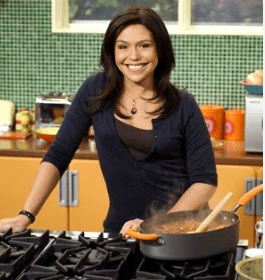
Rachael Ray Net Worth 2025: Complete Financial Analysis
Rachael Ray’s net worth in 2025 reaches approximately $100 million according to Celebrity Net Worth and industry estimates. This figure reflects decades of television revenue, substantial cookware licensing income, and the successful sale of her Nutrish pet food brand to the Smucker Company.
The architecture of Ray’s wealth differs meaningfully from other celebrity chefs. Daytime television provided her primary platform and largest cumulative income. Pet products generated her most significant single payday. Cookware and publishing round out a diversified portfolio.
| Revenue Stream | Estimated Annual Value | Cumulative Lifetime Value |
|---|---|---|
| Daytime Talk Show (syndicated, 17 seasons) | $25 million/year at peak | $200+ million lifetime |
| Food Network Shows | $5 million/year | $50+ million lifetime |
| Cookware Licensing | $10 million/year | $75+ million lifetime |
| Nutrish Pet Food (sold to Smucker’s) | $15 million royalties pre-sale | $75+ million at sale |
| Book Royalties (30+ cookbooks) | $2 million/year | $30+ million lifetime |
The Nutrish sale deserves particular attention. Ray licensed her name to a pet food company, collected substantial royalties for years, and then received a significant payout when Smucker’s acquired the brand. She earned on the operation and the exit. Twice paid for the same asset.
The Origin Story: From Grocery Store Buyer to Media Mogul
Rachael Ray’s path to culinary stardom began in upstate New York, far from the culinary capitals that typically produce celebrity chefs. Her mother managed restaurants. Her grandfather was a stonemason. No industry connections opened doors to television. No culinary school credentials authenticated her expertise.
After bouncing between retail jobs at Macy’s and working at various food establishments, Ray landed at a gourmet food market in Albany called Cowan & Lobel. There she developed cooking classes teaching customers how to prepare meals in thirty minutes or less. The classes proved popular. A local television station invited her to demonstrate recipes on air.
The thirty-minute constraint wasn’t arbitrary. It emerged from Ray’s observation that busy people needed practical solutions, not culinary showcases. Most cooking shows assumed viewers had hours to prepare elaborate meals. Ray assumed viewers had thirty minutes, limited skills, and no interest in impressing Julia Child. She was right about the size of that audience.
No Credentials, No Problem: Building Authority Without Training
Rachael Ray never attended culinary school. She never worked in professional restaurant kitchens. She never earned certifications or awards from culinary institutions. The establishment gatekeepers had no reason to take her seriously.
This absence of credentials became central to her brand appeal. Ray positioned herself explicitly as a non-chef, someone who cooked accessible food for normal people rather than elaborate cuisine for critics. The distinction mattered to her audience. Viewers who felt intimidated by traditional cooking shows felt welcomed by Ray’s approach.
Her signature phrases reinforced the accessibility: “EVOO” for extra virgin olive oil, “sammies” for sandwiches, “yum-o” for approval. These linguistic quirks irritated food purists and endeared her to casual viewers who appreciated cooking without pretension.
Food Network Success: 30 Minute Meals and Beyond
The Food Network discovered Rachael Ray through her local Albany television segments. In 2001, she published her first 30 Minute Meals cookbook, which became a bestseller. The network gave her a daily cooking show the following year.
Multiple Food Network programs followed: $40 a Day (budget travel and eating), Rachael Ray’s Tasty Travels, Rachael Ray’s Week in a Day. Each show reinforced the core brand proposition: practical, accessible, unpretentious food content for people who don’t consider themselves foodies.
The relationship with Food Network established her national visibility but represented only the first stage of wealth building. Television exposure created the audience. Other revenue streams would monetize it.
The Syndicated Talk Show: Daytime Television Economics
In 2006, Rachael Ray launched her self-titled syndicated daytime talk show, produced by CBS Television Distribution and Oprah Winfrey’s Harpo Productions. The show ran for seventeen seasons until 2023, becoming one of the longest-running daytime programs of its era.
Syndicated daytime television generates wealth differently than cable cooking shows. Syndication deals pay hosts based on advertising revenue across hundreds of local stations nationwide. A successful syndicated host can earn $20-30 million annually at peak, far exceeding what cable networks typically pay.
The talk show format also extended Ray’s career lifespan beyond cooking content alone. She could interview celebrities, discuss lifestyle topics, incorporate cooking segments without being limited to recipe demonstration. The format allowed aging with the audience rather than competing with younger food personalities.
Oprah’s Influence: The Co-Sign That Changed Everything
Oprah Winfrey’s involvement in Ray’s talk show launch provided more than production capability. It provided validation. Winfrey had discovered and elevated numerous media personalities. Her endorsement signaled to stations and advertisers that Ray possessed genuine star potential.
The Harpo Productions partnership also brought operational expertise in daytime television that Ray lacked. Winfrey’s team understood syndication economics, station relationships, and audience development in ways that translated directly to commercial success.
For Ray, the co-sign accelerated what might have been a gradual career development into rapid national prominence. Within two years of launching the talk show, she had become one of the most recognized women in American media.
Cookware Licensing: Passive Income Through Brand Extension
Rachael Ray’s cookware licensing generates substantial annual income through partnerships with manufacturers who produce and distribute products bearing her name. The current primary relationship involves Meyer Corporation, which manufactures a range of pots, pans, bakeware, and kitchen tools under the Rachael Ray brand.
Cookware licensing economics favor celebrity brands with broad appeal and daily television exposure. Each time Ray appeared on her cooking shows or talk show, she effectively advertised products available at Target, Walmart, Kohl’s, and other major retailers. The marketing cost nothing extra. The licensing fees flowed regardless.
The product positioning aligns precisely with Ray’s brand identity: affordable, practical, colorful cookware for everyday home cooks. Premium brands like All-Clad target serious cooking enthusiasts. Ray’s products target people who watch her shows and want functional equipment without significant investment.
Nutrish Pet Food: The Deal That Paid Twice
Rachael Ray Nutrish launched in 2008 as a premium pet food brand featuring Ray’s name and recipes developed with her input. The brand began with dog food and expanded into cat food, treats, and related products.
The business structure matters more than the products themselves. Ray didn’t create a pet food company. She licensed her name to a company that manufactured and distributed pet food, collecting royalties based on sales volume. The operational complexity belonged to the manufacturer. The brand value belonged to Ray.
By 2018, Nutrish had grown into one of the bestselling natural pet food brands in the United States. Ainsworth Pet Nutrition, which operated the brand under license from Ray, attracted acquisition interest from major consumer goods companies.
The Smucker’s Acquisition: Liquidity Event Masterclass
In 2018, the J.M. Smucker Company acquired Ainsworth Pet Nutrition for approximately $1.9 billion. The acquisition included the Nutrish brand and, importantly, the licensing relationship with Rachael Ray.
Ray’s structure meant she benefited from the acquisition in multiple ways. She had collected royalties throughout the brand’s growth phase. She then received a significant payment as part of the acquisition transaction, representing the present value of her ongoing licensing relationship. The same asset generated income twice: during operations and at exit.
This structure exemplifies sophisticated celebrity brand architecture. Ray bore no operational risk during the company’s growth. She invested no capital in manufacturing, distribution, or marketing. Yet she participated in both the operating income and the exit value. The asymmetry favored her entirely.
Publishing Empire: 30+ Cookbooks and Counting
Rachael Ray has authored more than thirty cookbooks, many of which became New York Times bestsellers. The publishing revenue adds a steady income stream while reinforcing her brand presence in retail environments.
Cookbook economics favor established personalities with built-in audiences. Publishers pay significant advances to authors who can guarantee launch visibility through television promotion. Ray’s daily talk show provided promotional infrastructure that most authors could never access.
The cookbook content typically extends rather than duplicates her television recipes. Each book targets a specific cooking scenario or audience need: quick meals, family dinners, entertaining, holiday cooking. The segmentation creates multiple purchase opportunities from the same core audience.
The Everywoman Strategy: Democratizing Kitchen Competence
Understanding Rachael Ray’s wealth requires understanding her brand strategy. She didn’t compete with classically trained chefs for culinary credibility. She competed for permission: permission to cook without expertise, to serve simple food without apology, to enjoy the kitchen without formal training.
This positioning captured an enormous addressable market. Most Americans don’t aspire to Michelin-starred dinner parties. They aspire to get food on the table for their families without stress. Ray spoke directly to that aspiration in ways that culinary school graduates couldn’t authentically replicate.
The strategy also created defensible brand positioning. No amount of credential accumulation could make Gordon Ramsay the “everywoman” voice. The positioning belonged to Ray and couldn’t be copied by competitors with different backgrounds.
Lessons from Rachael Ray’s Wealth Building
Licensing creates asymmetric risk-reward profiles. Ray collected upside from Nutrish without downside exposure. The operational risk belonged to others.
Brand extensions should align with brand identity. Cookware and pet food both fit Ray’s approachable, practical persona. Neither required her to claim expertise she didn’t possess.
Daytime television compounds over decades. Seventeen seasons of daily syndication accumulated more wealth than any single deal could have generated.
Exit structures matter as much as operating income. The Nutrish sale demonstrated how proper deal architecture captures both ongoing royalties and eventual acquisition premium.
Rachael Ray and the Hamptons: East End Lifestyle Connection
Rachael Ray maintains property in the Hamptons and has featured East End entertaining content throughout her media career. Her magazine, which ran until 2023, regularly covered Hamptons lifestyle topics including summer entertaining, local ingredients, and regional recipes.
Her audience overlaps significantly with Social Life Magazine readers: affluent but not aristocratic, interested in entertaining but not obsessed with culinary credentials, comfortable in the Hamptons but not defined by old money conventions.
For those planning events during Hamptons summer season, Ray’s approachable entertaining philosophy offers relevant inspiration. Her content consistently demonstrated that impressive hospitality doesn’t require culinary school training or intimidating technique. The message resonates with hosts who want their guests comfortable rather than impressed.
Rachael Ray Net Worth 2025: Final Assessment
Rachael Ray’s $100 million net worth in 2025 represents one of the most successful “non-chef” culinary careers in media history. No formal training. Zero restaurant experience. Critical acclaim never came. Just the largest addressable audience in American cooking media and the business acumen to monetize that audience across multiple revenue streams.
Her Nutrish deal structure should be studied by anyone with licensable personal brand value. She captured upside without downside, collected royalties during growth, and participated in acquisition premium at exit. The architecture was nearly optimal.
For those who dismissed her as unserious because she lacked credentials, the numbers provide rebuttal. A hundred million dollars suggests the market valued her differently than critics did. The market, it turns out, had the larger checkbook.
Related Articles
- Ina Garten Net Worth 2025: The East Hampton Icon Who Said No to Expansion
- Guy Fieri Net Worth 2025: The $150 Million Flavortown Empire
- Celebrity Chef Net Worth Rankings 2025: Who’s Really Making Money
- How Licensing Deals Create Long-Term Wealth
For coverage inquiries, brand partnerships, and advertising opportunities, contact Social Life Magazine. Experience the Hamptons’ premier lifestyle events at Polo Hamptons.
Author

Written by
Recent Posts

Hamptons Luxury Real Estate Marketing: Why Events Win

Hamptons Luxury Brand Sponsorship 2026: Who Gets In

Why Wellness Brands Win Clients at Luxury Hamptons Events

Polo Hamptons 2026 Is the Room Your Next LP Is Already In
The New Era of Effortless Beauty: Why Modern Wigs Are Redefining Everyday Glamour
Categories
- Art
- Articles
- Beauty & Skincare
- Celebrities
- Celebrities|The Chronicles
- Chronicles
- Event Photos
- Events
- Fashion
- Fashion & Style
- Featured
- Food & Beverage
- Food, Spirits, Wine
- Hamptons
- Hamptons Celebrities
- Health
- Health & Beauty
- Lifestyle
- Luxury Lifestyle
- Press
- Profiles
- Real Estate
- Technology
- The Chronicles
- Travel
- Uncategorized
- Weddings