

There is a moment every June, somewhere between the first jitney and the first rosé, when the whole East End recalibrates. Hamptons summer style is the language of that recalibration, and it rewards fluency over spending. It is not about labels. It is about who can afford to skip them. The woman at the Sagaponack farm stand in a faded cotton shift and ten-year-old espadrilles is not underdressed. She is signaling, and she is signaling to people who can read it. The brand that mistakes her quiet for indifference will spend the whole season wondering why nobody bit.
That misread happens constantly. A label arrives in May with a logo the size of a license plate, buys a billboard on the highway, and gets politely ignored by exactly the people it came for. Meanwhile a quieter house places one linen jacket on one well-known shoulder at one Friday dinner in Wainscott, and by Sunday three women have asked where it came from. The difference is not budget. The difference is grammar.
What follows is a field guide to that grammar. It is not a trend report, because trends are for places that need them. This is the standing code, the one that resets every June and rewards the same fluency it rewarded a decade ago. Read it as a map of how the East End actually dresses, and as a quiet warning to any brand that still believes a logo counts as a strategy. The room has rules. Those rules are the entire story.
The First Rule Is That There Are No Logos
Old money has always treated visible branding as a kind of confession. A logo announces that you want to be seen buying, which announces, in turn, that the buying is recent. Out here the tell runs the other way. The most expensive thing in the room is usually the plainest, and that plainness is the flex.
Consider the cashmere. A Loro Piana sweater at four thousand dollars carries no mark a stranger could name from across a lawn. Yet the woman beside you clocks the gauge of the knit in half a second. She is reading symbolic capital, the kind that cannot be bought in a hurry, and she is reading it fluently. That is the whole engine of quiet luxury, and it runs hottest here precisely because the audience is qualified.
The newly arrived often get this exactly backward. They buy the loudest piece in the boutique, because loud feels safe, because loud is legible. But legible to whom? Specifically to the people back home, not to the people on Further Lane. The Hamptons grade on a different curve, and the curve punishes effort that shows. The trick, of course, is that hiding the effort costs more than showing it.
Provenance is the deeper code underneath the plainness. A linen blazer that has softened over four summers reads richer than the same blazer bought last week, because patina is proof of tenure. Tenure cannot be expedited, and on the East End tenure is the whole game. So the fluent buyer chases pieces that will age into belonging, while the anxious buyer chases pieces that look expensive today. One is playing a long game. The other is announcing, loudly, that the game just started.
The Geography Is the Dress Code
People talk about the Hamptons as one place. The wardrobe knows better. Each village runs its own code, and crossing village lines in the wrong outfit reads like crossing a border with the wrong passport.
Southampton skews formal in a way the others do not. Here you find the pressed linen, the proper blazer at lunch, the sense that someone’s grandmother is watching from a portrait. The look is heritage performing as ease, and it has been doing so for a century. By contrast, East Hampton trades on a softer kind of money, the gallery-opening palette of bone and oatmeal and bare ankle, studied to look unstudied.
Then there is Montauk, which dresses like it forgot the dress code on purpose. Sun-bleached, salt-stiff, faintly defiant. A two-hundred-dollar vintage tee over a body that clearly surfs. Still, do not be fooled. The truck in the lot runs ninety thousand dollars, and the casualness is its own kind of expensive. Sag Harbor splits the difference, a working-harbor town that learned to wear creative-class money lightly, all worn denim and good sunglasses and a paperback nobody is actually reading.
Amagansett and Water Mill round out the map with their own dialects. Amagansett reads younger and looser, a surf-adjacent ease that still costs a fortune to assemble. Water Mill leans grander, the tented-gala belt, where the linen gets pressed and the jewelry comes out after dark. Learn the five codes and you can place a stranger’s house within a mile, just from the shoes.
The Men Have Codes Too
Women set the terms out here, but the men play a parallel game with rules just as strict. The common outsider assumption is that menswear gets a pass. It does not. The codes are quieter, yet the penalties for breaking them arrive just as fast.
Start with the polo, the literal one. A faded, slightly oversized cotton polo with a soft collar reads correctly. By contrast, a crisp performance polo with a stretched logo reads like a sales conference. The unstructured linen blazer does the heavy lifting, thrown over a tee for dinner, never paired with a tie. Ties belong to the city, and the city is exactly what everyone came here to forget.
Footwear carries the loudest signal of all. The fluent man wears a beaten boat shoe or a soft suede loafer, sockless, the leather gone pale at the creases from years of salt air. New shoes betray a new arrival. So does anything too technical, too logoed, too obviously just bought. The point, after all, is tenure worn lightly.
Watches and good sunglasses finish the sentence, and we settle the wrist question in detail elsewhere. Still, the through-line holds. A man dressed correctly for the Hamptons looks like he stopped thinking about clothes a decade ago, which naturally takes relentless thought to maintain.
What the Front Row Tells the Beach Club
Fashion does not begin in the Hamptons. It arrives here, translated. The runway sets a thesis in September, the red carpet stress-tests it through spring, and by the time a trend reaches a Bridgehampton beach club it has been sanded down to something wearable. Reading that translation is the entire skill, and the people who summer here have it by instinct.
Take the quiet-luxury wave that the culture spent two seasons naming. It did not start on Lily Pond Lane. It started on screens, in the wardrobe of a certain prestige drama about a media dynasty, and in the front-row uniforms of editors who had quietly dressed this way for years. The Hamptons simply confirmed it, because the Hamptons had been the reference all along. Those screen wardrobes borrowed the codes. The codes did not borrow them back.
This is why a fashion house cannot buy its way into relevance here with a single placement. Relevance is conferred, not purchased, and it is conferred by being seen on the right backs in the right rooms. A dress that lands on a tastemaker at a Memorial Day dinner does more than a month of paid posts. After all, the affluent reader trusts the room before she trusts the ad, and the room is where we live.
The Calendar Decides the Closet
Nobody dresses for the Hamptons in the abstract. They dress for the schedule, and the schedule is a tightly choreographed run of events, each with a code as fixed as a wedding invitation. Reading the calendar is half of reading the wardrobe.
A Saturday gallery opening in East Hampton asks for one thing. A benefit gala under a tent in Water Mill asks for another, more armored, more on-the-record. Then there is the polo, which sits in its own category entirely. Polo Hamptons is where the season performs itself in daylight, a field in Bridgehampton turned into a runway nobody calls a runway. The dress code there is its own dialect, garden-party precision worn like it was thrown together, and the people who get it wrong are visible from the next tent over.
This is why the social calendar matters so much to a brand. Each event is a stage, and each stage has an audience that is already affluent, already gathered, already paying attention. A house that lands the right look at the right tent is not buying impressions. It is being introduced, by the room, to the room. After that, the recommendation does the rest, and the recommendation is the only currency that compounds out here.
The Tell Is Always in the Accessories
You can fake a dress. The accessories are harder, because they are where the real money quietly pools, and where the fluent eye goes first.
The Bag
A bag is a sentence. The right one says heritage, restraint, and a waitlist you did not have to join because someone called for you. Out here the canvas tote from a Paris house outranks the logo-stamped status bag, every time. The point is to look like you have stopped trying, while carrying ten thousand dollars of stopped-trying on your forearm. We break down the season’s specific contenders in our look at the bag everyone will be carrying across Bridgehampton this summer.
The Watch
A watch is the one piece a man is allowed to shout with, so the rules invert. Here the move is the vintage piece, the inherited steel sports watch worn with board shorts, the deliberate refusal of anything diamond-set. The watch says old, even when it is new, because old is the only thing money cannot rush. We go deeper on this in the watch that says Hamptons without saying a word.
Sunglasses, espadrilles, the straw bag from a trip nobody will explain. Each of these is a small flag, and together they fly a coordinated message. Get one wrong and the whole sentence stops making sense.
The Color Story Nobody Admits To
There is a palette out here, and everyone obeys it while pretending it does not exist. White leads, the impractical white of someone who does not worry about a stain. Navy follows, then bone, then the soft faded tones of linen left too long in the sun. Black stays rare before Labor Day, read as a city color, a little severe for the East End light.
The discipline lives in the restraint. One allowed pop of color per look, a coral, a washed red, a particular saturated orange that everyone recognizes and nobody names. More than one and the whole look tips into trying. So the fluent ration color the way they ration logos, as something held back rather than flaunted.
Seasonal shifts stay subtle but real. Early summer leans crisp and pale, all fresh whites and sharp navy. By August the palette warms and softens, as if the wardrobe itself caught a tan over the season. Reading that color clock is advanced grammar, the kind that takes a few summers to absorb, and the kind that instantly separates the fluent from the merely well-funded.
The Body Is the Final Layer
Clothing is only the outer wrapping. Underneath it runs a quieter competition, the one fought in skin, hair, and the studied appearance of having done nothing at all.
The tan tells you everything. Not the orange of a booth, but the even, unbothered gold of someone who has been on a boat since Thursday. It signals time, and time is the rarest currency on the East End. You cannot expense it, and you cannot fake it for long, which is exactly why it carries weight. The hair follows the same logic, salt-textured and faintly undone, the opposite of a blowout that announces an appointment.
This is where the prestige-treatment world and the fashion world quietly converge. The same woman reading cashmere gauge is reading complexions too, and she is generous with a referral when the work is invisible. Visible work breaks the spell. The whole aesthetic depends on the fiction of effortlessness, so the smartest brands sell the result while hiding the receipt. That fiction is the product, and out here it sells at a premium.
Scent belongs to the same hidden layer. The fluent do not announce themselves with a cloud of department-store perfume. Instead the signature runs faint, a salt-and-cedar nothing that reads as skin rather than bottle. It is the olfactory version of the plain cashmere, expensive in a way no stranger could name. Of course the people who matter can name it in a second, which is precisely the point.
The Rookie Mistakes That Mark You as New
Every summer the East End fills with people trying very hard to look like they belong, and trying hard is the one thing belonging forbids. The errors repeat with almost comic reliability. Learn them, and you can read a newcomer across a crowded lawn.
The matching set is the first tell. A coordinated resort look, bought as a single outfit, screams that someone shopped for the Hamptons rather than simply lived in it. The fluent build a look from pieces gathered over years. Newcomers buy the mannequin and wear it home.
Next comes the visible resort logo. A hotel’s name splashed across a tote or a robe announces that the trip was the event, when out here the trip is supposed to be ordinary. Then there is the too-new everything, the stiff hat, the unscuffed sandal, the bag without a single soft crease. Newness, after all, is the opposite of tenure, and tenure is the one thing nobody can fake.
Finally there is the effort that shows on the face, the hair, the obviously fresh work. Visible maintenance breaks the spell of effortlessness, and that spell is the entire point. None of these mistakes is really about money. Each is about grammar, and grammar is what separates the room from the people standing just outside it.
Where the Money Actually Shops
Knowing what to wear is only half the code. Knowing where to find it is the other half, and the where draws its own quiet map. The affluent out here do not shop the way the catalog imagines them shopping.
They skip the outlets entirely, not from snobbery but from habit, because the outlet is where the day-trippers go and the residents simply do not. Instead the buying happens in a few boutiques along Main Street and Newtown Lane, in by-appointment showrooms, and at the trunk shows that move through private homes like a passed note. A trunk show in a Sagaponack living room can move more serious inventory than a month of storefront foot traffic.
Pop-ups occupy a stranger middle tier. A well-placed seasonal pop-up, the kind a fashion house opens for ten weeks near the village, can work beautifully, but only if it reads as an event rather than a clearance. The fluent buyer rewards scarcity and punishes desperation. A pop-up that feels exclusive draws a line down the block. One that feels like a liquidation empties the street by noon.
This is the lesson sitting in plain sight for any brand plotting a Hamptons season. Place the product where the residents already are, not where the day-trippers wash up. Be the showroom they get invited to, never the booth they walk past.
The Brands That Read the Room Own the Summer
Here is the part most marketing teams miss until the season is over. The affluent Hamptons audience does not want to be sold. It wants to be recognized. There is a difference, and the difference is worth a fortune to whoever understands it.
A brand that arrives shouting gets filed under trying. A brand that arrives fluent, that places the right piece in the right room and lets the room do the talking, gets filed under ours. The second filing is the one that compounds, because it travels by recommendation rather than impression. One woman tells another, and the other tells three more, and the brand never paid for a single one of those sentences.
That is the opportunity hiding inside Hamptons summer style. It is not a billboard market. It is a credibility market, and credibility is conferred by the people who already belong. Get adopted by the room and you inherit its trust. Try to buy the room and you announce that you never understood it. The brands that win the summer are the ones fluent enough to know which is which.
The math favors patience over volume here. A single placement that the room respects can seed a season of organic recommendation, while a season of paid noise can leave a house exactly where it started, only poorer. Specifically, the affluent buyer out here treats peer endorsement as the real proof and the advertisement as mere weather. So the smartest brands stop trying to interrupt the conversation. Instead they earn a seat inside it, and they let the conversation carry their name to the next person who matters.
Where The Conversation Continues
The codes are learnable, but only from inside. That is what we do here, and it is what we have been doing for twenty three summers. If your house wants to be the one the room recommends rather than the one it ignores, the season is filling in now, and the good rooms go quietly. Start with our companion reads on decoding quiet luxury in the Hamptons and what this year’s best-dressed list says about summer on Meadow Lane. The conversation is already happening. The only question is whether you are in it.
Author

Written by
Recent Posts

AI for personal finance: where PennyGuard fits
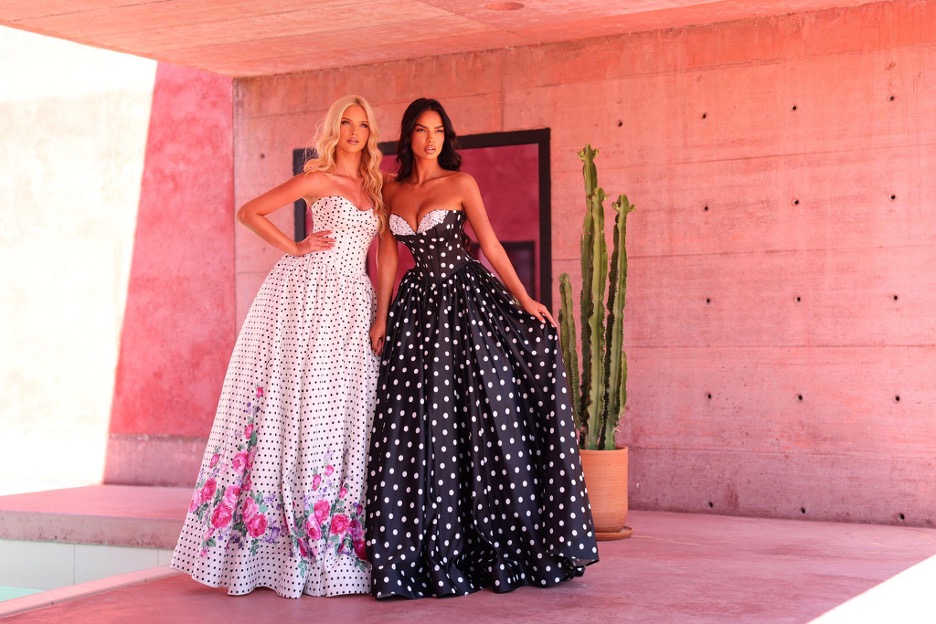
How to Pick a Homecoming Dress for Your Body Type (and Feel Amazing in It)

World Cup Injury Attorney for Vancouver Events
What a 3-Carat Engagement Ring Actually Costs in 2026: The Real Numbers
The Skincare Habits That Make a Real Difference Over Time
Categories
- Art
- Articles
- Business of Luxury
- Celebrities
- Culture
- Entertainment
- Events
- Faces of Summer 2026
- Fashion
- Fashion & Style
- Featured
- Finance
- Food, Spirits, Wine
- Hamptons
- Hamptons Celebrities
- Health
- Health & Beauty
- Lifestyle
- Luxury Lifestyle
- Press
- Profiles
- Real Estate
- Technology
- The Chronicles
- Travel
- Uncategorized
- Weddings