
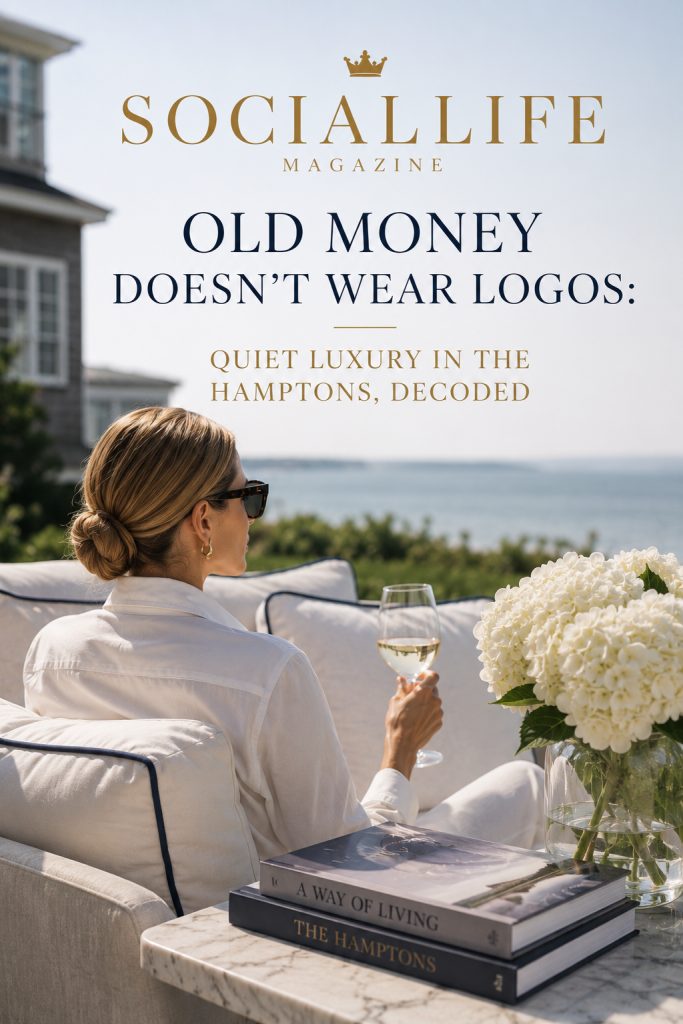
Quiet luxury became a phrase the rest of the world discovered around 2023. The quiet luxury Hamptons set just call it getting dressed. They have been wearing the unbranded cashmere and the perfect plain trouser for generations, long before a streaming drama gave the look a name. So when the trend arrived, it arrived as old news out here, a thing the room had quietly owned all along.
That ownership is exactly why the East End is the place to understand the code. Anywhere else, quiet luxury is a costume someone recently learned. Here it is a native tongue. And the difference between the fluent speaker and the recent student shows in a hundred small ways, all of them legible to the people who matter.
The Phrase the Hamptons Never Needed
The culture spent two seasons naming something the Hamptons had never bothered to name. Old money does not call its clothes a trend. It just wears them, replaces them when they wear out, and replaces them with the same thing.
This is the first thing to understand about the dialect. It resists novelty on purpose. A new logo, a new silhouette, a new it-piece all read as movement, and movement signals that the money is also new. Stillness is the flex. The same loafers for ten years say more than a closet refreshed each season.
So the recent convert tends to overshoot. They buy the whole quiet-luxury starter kit at once, head to toe, and the very completeness gives them away. Real fluency is patchier, older, and a little worn. It looks assembled over a lifetime because it was, and that slow accumulation cannot be faked in a single shopping trip.
The Tell Is the Absence of a Tell
The whole game inverts the usual logic of status. In most places, status announces itself. Here, status hides, and the hiding is the announcement.
You read the fluent by what is missing. No logo. None of the obvious hardware. And nothing that reads as new. Nothing a stranger could price from across a lawn. The absence forces the observer to actually know the brand, the fabric, the cut, and knowing is the new credential.
This is why quiet luxury punishes the shortcut. A loud bag can be bought in an afternoon by anyone with the means. A wardrobe that reads quietly rich requires taste, time, and the confidence to skip the applause. Money buys the first. Only tenure buys the rest, and tenure is the one thing the market cannot rush to the front of the line.
The Fabric Does the Talking
Strip away the logos and the conversation moves to the cloth. Out here the fluent eye reads fabric the way a sommelier reads a glass. A four-ply cashmere, a heavy Irish linen, a cotton that took a mill a century to perfect.
The names attached to these fabrics matter, but quietly. A Loro Piana cashmere carries no visible mark. Still, the woman beside you clocks the weight and the drape in a second. She is reading craft, not branding, and craft is the currency that holds its value out here.
This is the lever for any brand that actually makes beautiful things. The quiet luxury customer will pay enormously for material she can feel and nobody else can see. So lead with the cloth. Lead with the mill, the ply, the hand of the fabric, because the fluent buyer is shopping for exactly that and is tired of paying for a logo she would rather hide.
The Shoe Is the Quiet Receipt
Look down. The shoe is where quiet luxury keeps its honest receipt. Up top a person can fake the look with a borrowed blazer, but the shoes almost always tell the truth.
The fluent choice is a soft, broken-in loafer or a worn driving shoe, often resoled more than once. Notably, there is no red sole, no flashing hardware, no sneaker fresh from the box. The shoe should look loved rather than new. Because newness, here as everywhere on the East End, reads as recent money.
This is quietly a lesson for any footwear house. The Hamptons buyer wants a shoe that ages into character, not one that screams its price on the first day. So build the shoe that gets better with wear, keep the branding nearly invisible, and you have made exactly the object the fluent reach for first.
The Old Money Palette
Quiet luxury has a color story, and the story is deliberately boring. Camel, cream, navy, charcoal, the soft white of old linen. These are not colors that chase attention. They are colors that age well and refuse to date. A navy-and-cream striped tank dress from Saint Laurent, thrown on over a swimsuit and worn straight to dinner, is the whole palette in a single easy piece.
The discipline lies in the narrowness. A whole wardrobe in eight quiet tones reads as intention, not as a lack of imagination. Everything works with everything. Nothing shouts. The look reads expensive precisely because it reads calm, and calm is the rarest register of all.
By contrast, a sudden pop of trend color tends to out the newcomer. It signals a closet built by season rather than by decade. The fluent allow themselves one quiet exception, a faded red, a washed coral, used once and sparingly. Beyond that, the palette stays disciplined, and the discipline is the whole point.
The Jewelry Whispers Inheritance
Jewelry follows the same rule, only more so. Out here the loudest diamond is usually the newest, and newness is the thing old money most wants to disguise.
The fluent wear thin gold worn smooth, a signet that clearly belonged to someone first, pearls that have yellowed slightly with age. These pieces imply inheritance, and inheritance is the ultimate quiet flex. Nobody bought their way into a grandmother’s ring last week.
Still, a brand can speak to this without faking a family tree. Design for permanence rather than sparkle. Make the piece that looks like it could have been passed down, the kind a buyer keeps for forty years and hands to a daughter. That promise of permanence is worth more to this customer than any amount of carat weight, because permanence is the story she actually wants to wear.
Why the Trend Cycle Cannot Touch It
Most trends arrive on a screen and die on the same screen a year later. Quiet luxury is different, because quiet luxury was never really a trend. It was a way of life that a prestige drama about a media dynasty happened to put on television, and the internet did the rest.
The wave crested fast. A much-discussed celebrity wedding turned the look into a thousand tutorials. Suddenly everyone wanted the slicked bun, the bare face, the unbranded blazer. Yet the Hamptons barely moved, because the Hamptons were the reference the whole wave had been copying.
This is the useful part for a brand. A trend you can buy your way into can also leave you behind. A dialect is sturdier. Speak it fluently and you outlast the cycle entirely, because you are no longer selling a moment. Instead you are selling a way of belonging, and belonging does not go out of season on the East End.
Quiet Does Not Mean Cheap
There is a dangerous misreading of quiet luxury, and it costs brands real money. Quiet does not mean cheap. The plain sweater is plain, but it is also four thousand dollars, and the plainness is precisely what the four thousand bought.
This is the paradox at the center of the dialect. The customer pays a fortune to look like she did not try, which means the spend has to vanish into the cloth, the cut, the construction. Nothing about the price can show. Yet everything about the quality has to be felt.
For a brand, this is liberating once understood. You do not have to advertise the price, and in fact you must not. Instead you build the quality so deep that the fluent recognize it by touch, then let them pay quietly for the privilege. That is the entire business model of quiet luxury, and it is the most profitable conversation in fashion.
The Mistakes That Out the New
The dialect has an accent, and the accent is easy to fake badly. Certain errors mark the recent student no matter how much the outfit cost.
The head-to-toe single label is the first. Old money mixes houses, mixes eras, mixes a vintage piece with a new one. A full look from one brand, fresh off the floor, reads like a uniform someone just bought. The too-perfect grooming is the second tell, the work that announces an appointment rather than a routine.
Then there is the explaining. The fluent never narrate their clothes. They do not mention the brand, the price, or the provenance unless asked, and often not even then. Talking about the quiet piece defeats the quiet. Silence is the final layer of the dialect, and the recent convert almost always says one word too many.
The Home Dresses the Same Way
The dialect does not stop at the closet. It runs straight through the front door, where quiet luxury looks like the absence of anything trying too hard. The newly arrived decorate to impress. By contrast, the fluent decorate to disappear.
You see it in the materials. Worn linen slipcovers, a sisal rug gone soft underfoot, a few good antiques mixed with things that simply aged in place. Nothing matches too perfectly, because perfect matching reads as a decorator’s invoice rather than a life. The room should look gathered over decades, even when half of it arrived last spring.
This matters for the brands that furnish these houses too. The same buyer who hides her cashmere label also hides her sofa’s pedigree. So sell the quality, never the name. Make the piece that ages into the room rather than dating it, and you become the quiet staple the East End reorders for a generation. The house, after all, is just a larger version of the wardrobe, speaking the same restrained sentence in a bigger room.
The Brands That Speak the Dialect
Here is what every fashion house plotting a Hamptons season should sit with. The quiet luxury customer is the most loyal buyer in the market and the hardest to reach with a campaign. She does not respond to volume. She responds to recognition. Even a glam house like Saint Laurent wins her with its quiet pieces, the easy striped dress that reads calm rather than loud.
The brands that win her are the ones that already speak her language. They make the unbranded thing beautifully. The logo stays small or gone entirely. And they let the product earn its place on a body the room respects, then let the room carry the news. That word of mouth converts better than any paid push, because it arrives as trust rather than as noise.
So the strategy writes itself. Make something quietly extraordinary. Place it where the fluent gather, at the right dinner, the right tent, the right Saturday market. Let the dialect do the selling. The houses that understand this own the East End for decades. The houses still shouting will keep wondering why the most affluent customer in America keeps walking past.
Where The Conversation Continues
Quiet luxury is one chapter of a longer code. The full map lives in our pillar on the Hamptons summer style codes money can’t fake, with companion reads on the bag everyone will be carrying across Bridgehampton and what this year’s best-dressed list says about summer on Meadow Lane. This dialect is already being spoken all around the East End. The only question is whether your brand has the fluency to be understood, or the volume that gives it away.
Author

Written by
Recent Posts

AI for personal finance: where PennyGuard fits
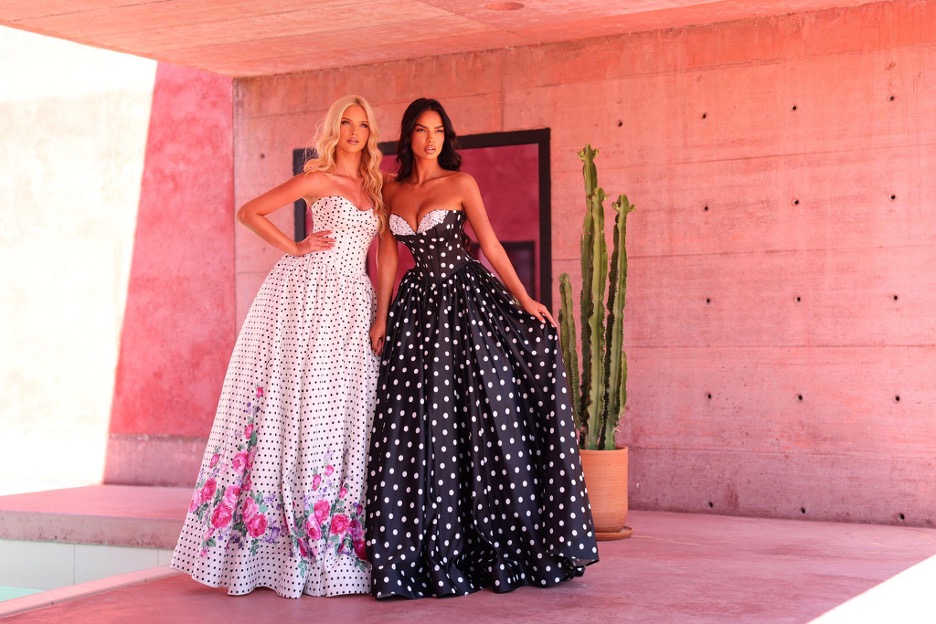
How to Pick a Homecoming Dress for Your Body Type (and Feel Amazing in It)

World Cup Injury Attorney for Vancouver Events
What a 3-Carat Engagement Ring Actually Costs in 2026: The Real Numbers
The Skincare Habits That Make a Real Difference Over Time
Categories
- Art
- Articles
- Business of Luxury
- Celebrities
- Culture
- Entertainment
- Events
- Faces of Summer 2026
- Fashion
- Fashion & Style
- Featured
- Finance
- Food, Spirits, Wine
- Hamptons
- Hamptons Celebrities
- Health
- Health & Beauty
- Lifestyle
- Luxury Lifestyle
- Press
- Profiles
- Real Estate
- Technology
- The Chronicles
- Travel
- Uncategorized
- Weddings