
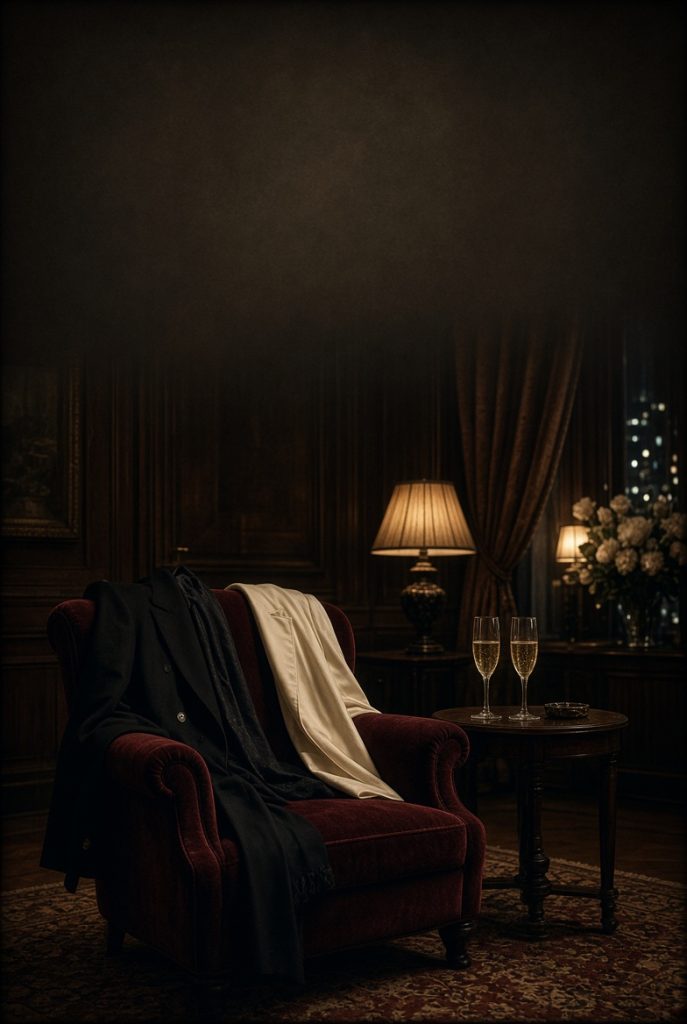
The useful scene in Metropolitan is not a ball. It is a sitting room after the ball, when the coats are still correct and the theories start.
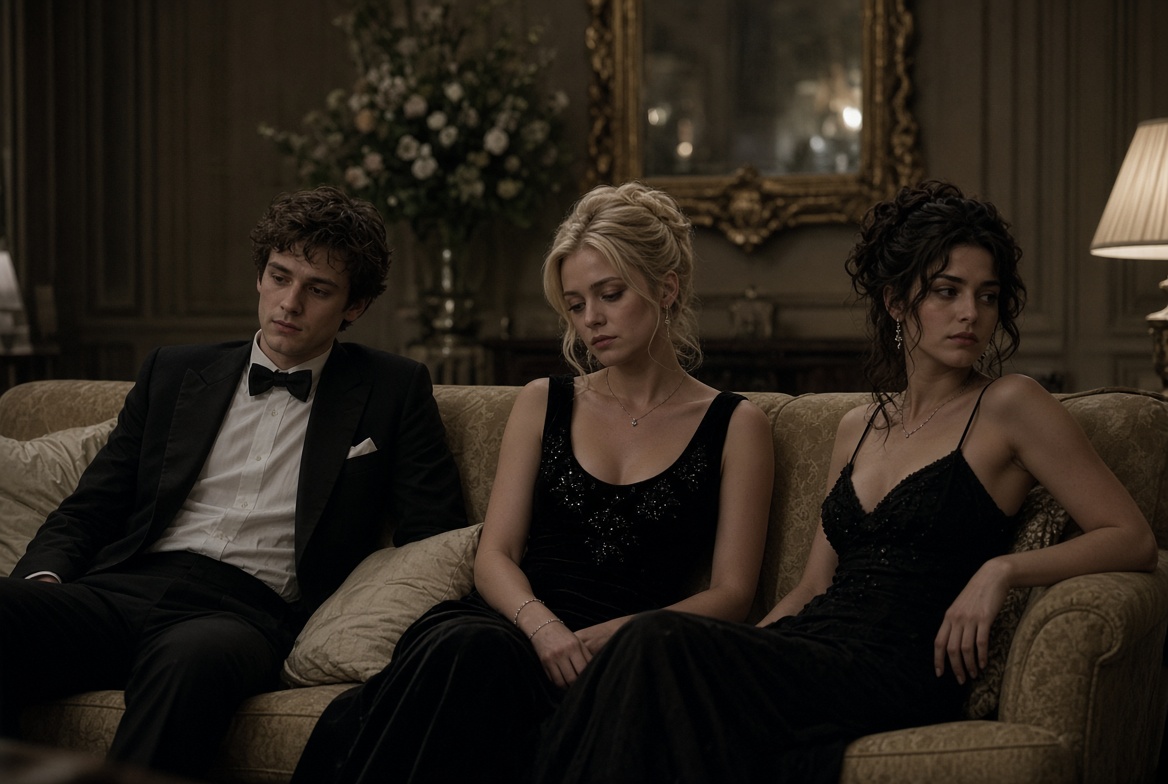

Charlie Black needs a name for his class so the class will not disappear while he is talking. He lands on UHB — urban haute bourgeoisie. Nick Smith dismantles people for sport. Audrey Rouget has actually read the book. Tom Townsend has principles, a rented tuxedo, and a habit of having opinions about novels he has not opened.
Nobody is hunted across a lawn. Nobody sinks a yacht. The violence is conversational. That is why Whit Stillman’s 1990 debut sits first among the new spokes in Signal It on the Prestige Watchlist. Taste classifies. Rooms do the talking. Manners are a technology.
Eat-the-rich cinema wanted the furniture. Stillman wanted the sentence.
What the picture actually is
Stillman wrote the script while running an illustration agency. He financed the shoot by selling the right to buy his apartment — about $50,000 — then stacked friends’ money and a co-producer’s seed. The camera package cost less than a quiet weekend east of the canal. Final cost, excluding deferments: about $210,000 to $230,000. New Line released it in August 1990 after Sundance. Domestic gross: about $2.96 million. Some tallies push worldwide near $7 million. Criterion later gave it spine #326. The Academy nominated the screenplay.
Those numbers are the opposite of a prestige budget and the definition of a prestige result. A class photographed itself on a shoestring and the culture kept the recording.
The Sally Fowler Rat Pack — Stillman’s joke of a name — moves through debutante season on the Upper East Side. Christmas, black tie, after-parties that look like nothing on Instagram because they were not built for a lens. An outsider attaches. The group explains itself to him until the explanation becomes the plot.
The scorecard the ball hides
| Player | What they bring | What the film is teaching | Steal this |
|---|---|---|---|
| Tom Townsend | West Side, divorced mother, socialist talk, rented tux | Entry without fluency | Opinions without the book are a tell |
| Audrey Rouget | Taste, loyalty, the actual reading list | Manners as care, not display | The person who read it already passed |
| Nick Smith | Wit as weapon, protection as cruelty | The group’s immune system | A takedown is not the same as a standard |
| Charlie Black | Theory, UHB, fear of extinction | Class that needs a name is already nervous | Taxonomy is a defense |
| Rick Von Sloneker | Title, rumor, the dangerous escort | Charm without code | If the room warns you twice, believe the room |
| The balls themselves | Dress, escorts, the Plaza circuit | Season as infrastructure | The calendar is the institution |
The socialite decoder already on this site is the nonfiction cousin. Mrs. Astor’s Four Hundred was a guest list. Stillman’s after-party is what a guest list sounds like when the matriarch has left the room and the children have to keep the language going.
The Austen test
Tom tells Audrey he does not need to read Mansfield Park to know he would not like it. She looks at him the way a good editor looks at a confident intern. The movie does not scold him. It just lets the line hang until you hear how expensive it is.
That is the whole exam.
The Devil Wears Prada runs the same exam in a workplace. Miranda’s cerulean speech is trickle-down taste with a payroll. The Prada universe is what happens when the exam becomes a franchise. Metropolitan runs it in a living room with no salary and higher shame. Andy Sachs can buy the clothes. Tom can only rent the tux. Both think fluency is a vibe. Both get corrected by a woman who did the reading.
Steal this: never argue a room you have not studied. The book, the house, the club, the issue. If you have not opened it, you are Tom before dawn.
UHB is a lagging indicator
Charlie’s acronym is funny because it is desperate. A class that is sure of itself does not invent a three-letter code at 1 a.m. A class that feels the floor moving does. That is the same weather inside quiet luxury on the East End and the old-money brands list. Logos get louder when the bloodline gets thinner. Stillman’s kids already knew. They just said it in better sentences.
Nick is the other tell. He protects the girls by assassinating reputations. Useful, until it is not. Every season has one. Polo weekends have several. The mistake is confusing the assassin with the standard. The standard is Audrey. She does not need to win the joke.
What the film refuses
It refuses the hunt.
It refuses the gold vomit.
It refuses the idea that the only honest portrait of privilege is a massacre.
That refusal is why the sibling eat-the-rich pillar and this spoke should be read as a pair. One diagnoses the souvenir genre. This one assigns the homework. If you want inherited New York without the moral credit of watching someone die in a dressing room, start here.
Stillman even refused a strict period. He wanted pre-Woodstock and could not afford it, so he used Checker cabs and left out the year. The aura of the past is the point. Manners always pretend they are older than the furniture.
Hamptons residue
Debutante season in Manhattan and a peak Saturday in Southampton are the same machine at different temperatures. Escorts. A calendar that thinks it is tradition. A new arrival who has the invitation and not the grammar.
The Maidstone test is not the blazer. It is whether you can sit through lunch without narrating the room. Pointing at the furniture is new. Narrating without pointing is old. Stillman wrote that distinction before the word “quiet luxury” had a commerce team.
Sag Harbor Cinema is where this watchlist should play. A Stillman print in a village that spent $20 million to keep a theater is the correct after-party. A projector in a guest house with Saltburn queued is the incorrect one.
The naming piece already on the site — rich girl names — is the civilian version of Charlie’s acronym. Once a name trickles down, the top leaves it. UHB was trying to stop the trickle by defining the set. It did not work. The movie did.
Decoder: watch it like a guest
1. Who did the reading?
Audrey. Not Tom. Seat accordingly.
2. Who needs the acronym?
Charlie. Confidence does not name itself at midnight.
3. Who is the immune system?
Nick. Decide whether you want him at your table before August.
4. What is being rented?
The tux is obvious. Listen for the rented opinions.
5. Monday move.
Before the next dinner, read the one book, look at the one house, or learn the one club story everyone assumes you know. Then do not announce that you did.
How this spoke sits in the cluster
Watch Metropolitan first in the Signal It week. Then Prada. Then Something’s Gotta Give. Stillman is the language. Miranda is the job. Meyers is the house. The Philadelphia Story is composure under press. Crazy Rich Asians is the party that still has a board.
Do not watch this as a companion to Saltburn. That pairing is how the carousel flattens everything into furniture. Pair it with the socialite rules piece and the closet list instead.
FAQ
**Is Metropolitan a true story?**
It is a world Stillman knew, not a biopic. Treat the Rat Pack as a composite of a season, not a roman à clef you need to decode at dinner.
Why isn’t it more famous?
It made less than $3 million domestic and talks in complete sentences. Fame prefers a hunt.
Where does it stream?
Criterion owns the canonical version. That is the point. The film found the institution that keeps manners on a shelf.
Is Tom the hero?
He is the camera. Audrey is the standard. Mixing those up is how you leave the party wrong.
What should I watch next?
Barcelona and The Last Days of Disco if you want Stillman’s trilogy. The Philadelphia Story if you want the same class under flashbulbs.
Author

Written by
Recent Posts
Unlocking the Berkshires

Dalia Forman Design

Alberto Luzzi
How to Pick a Homecoming Dress for Your Body Type and Feel Amazing in It
How to Prepare a Home for Sale When Major Repairs Are Not Affordable
Categories
- Art
- Articles
- Business of Luxury
- Celebrities
- Culture
- Entertainment
- Events
- Faces of Summer 2026
- Fashion
- Fashion & Style
- Featured
- Finance
- Food, Spirits, Wine
- Hamptons
- Hamptons Celebrities
- Health
- Health & Beauty
- Lifestyle
- Luxury Lifestyle
- Press
- Profiles
- Real Estate
- Technology
- The Chronicles
- Travel
- Uncategorized
- Weddings