

The projector in the guest house is still warm from Saltburn. Someone has paused on the library. Someone else is already on Instagram, saving a carousel called films about the ugly side of privilege. Gold vomit. A yacht. A hunt. A maid with a shotgun.


Then a quieter question lands, the only one that matters after the credits:
Is there a movie that actually helps?
There is. There are sixteen of them, plus a few that refuse to be cut for symmetry. They do not punish the rich for sport. They do not sell the dining room as a moral alibi. They name a mechanism — equity, taste, succession, the pitch, the house as a firm — and they leave you able to see it on a Saturday in Southampton.
That is the difference between a souvenir and a prestige watchlist.
Eat-the-rich movies had a long decade. They flattened class into a content vertical. The stills did the thinking. This list is the other product: films that decode how successful people build, keep, signal, and move through money. Watch them as a curriculum. Steal the mechanism. Leave the bathtub alone.
The sibling page — How Eat-the-Rich Movies Became a Luxury Product — diagnoses the souvenir genre. This page is the assignment.
Why this list now
Three things happened after 2023 that made the souvenir list feel thin.
Succession ended. Tom Wambsgans, the son-in-law who made himself useful, kept the job. The bloodline did not. Jesse Armstrong said he had wanted that ending for a long time because it matched the people who “drift upwards and make themselves amenable to powerful people.” That is not a yacht joke. That is a hiring model. It is also, almost beat for beat, the plot of The Leopard: the name survives if it marries the new money. In 2025 the Murdoch family ran a version in public. Lachlan kept the companies. Three siblings walked with about $1.1 billion each. Hollywood had already filmed both endings. The news just used real letterhead.
Quiet luxury had a two-year run as a TikTok category and then ate itself. A $13,000 Loro Piana coat on Kendall Roy became a shopping list. The minute a code has a shopping list, it is no longer a code. Metropolitan knew this in 1990. Charlie Black invents the acronym UHB — urban haute bourgeoisie — at 1 a.m. because a class that is sure of itself does not need a three-letter password. The East End version is the guest who narrates the furniture.
The third shift is local. Polo Hamptons on July 18 and July 25 is not a hunt across a lawn. It is a room with dates: founders after an exit, family-office allocators, brands buying a Saturday, heirs who would rather be known for something they built. Average household income on that lawn sits above $315,000. Average net worth above $3.6 million. Fifty-one percent have flown private in the past year. That is not a moodboard. That is the live set for Hubs A through D.
If you only watch people die in dressing rooms, you will misread that Saturday. The prestige watchlist exists so you do not.
What a useful wealth movie does
A useful film about prestige does one of four jobs.
It shows how a thing is owned.
It shows how a thing is kept across time.
It shows how a room classifies the people inside it.
It shows how a person without the password still gets through the door.
If the film cannot do one of those jobs, it is furniture. Beautiful furniture still costs you two hours.
Parasite belongs on the other list because the house is a trap. It also belongs in the back of this one because the floor plan is a lesson. Most of the carousel titles stop at the lesson’s first sentence. The prestige watchlist keeps going.
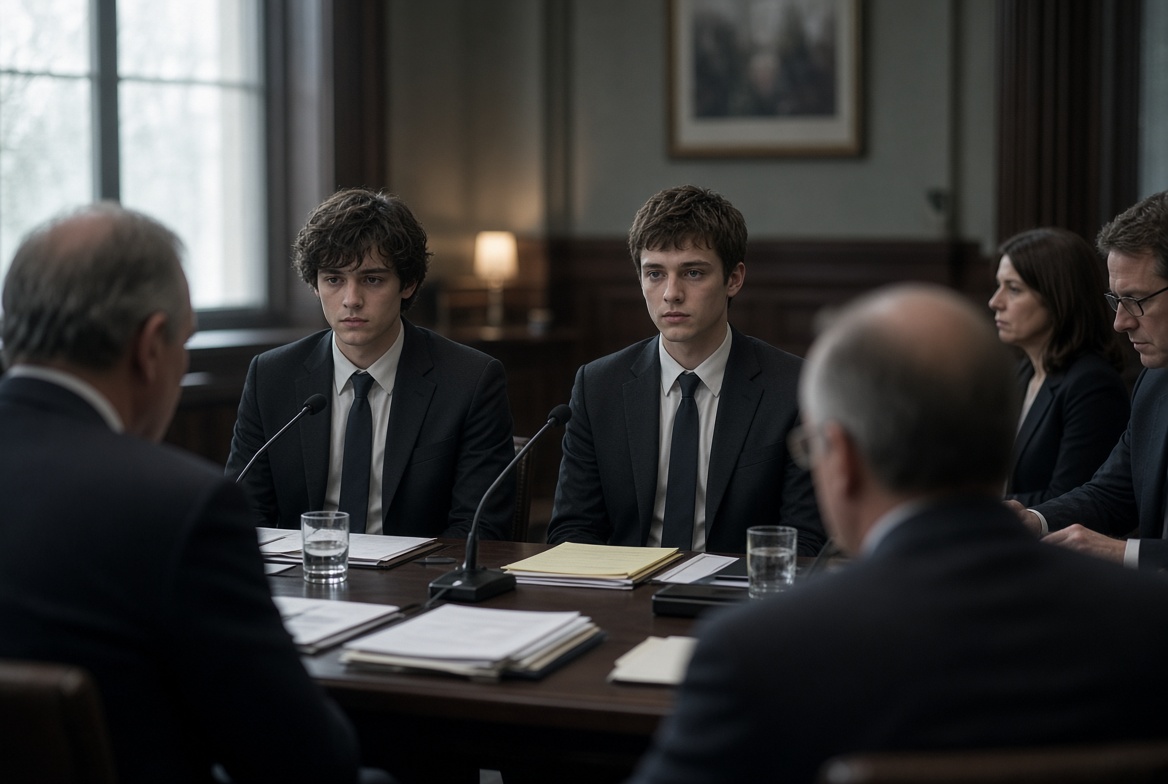
A second test, quieter: does the film survive a Monday? After Saltburn you have a feeling. After The Social Network you have a question about percentage. After Working Girl you timestamp the memo. After Moneyball you ask which number you are actually buying. That is the curriculum.
The scorecard
| Film | Year | Mechanism you can steal | Watch when you need to understand |
|---|---|---|---|
| The Social Network | 2010 | Equity, dilution, who keeps the company | Partnerships and cap tables |
| The Founder | 2016 | Contracts beat origin myths | Franchises, licensing, “who founded it” |
| Moneyball | 2011 | Undervalued assets vs pedigree | Hiring, markets, taste that is actually math |
| Air | 2023 | Backend over the front-end check | Talent deals, athlete equity |
| Jerry Maguire | 1996 | One client as leverage | Representation, walking away |
| The Big Short | 2015 | Seeing the machine others will not see | Crowds, cycles, consensus risk |
| The Godfather | 1972 | Family as corporation | Succession, loyalty, the offer |
| There Will Be Blood | 2007 | Will as capital | Monopoly, extraction, the cost of winning |
| Citizen Kane | 1941 | Accumulation vs the sled | Empire that cannot purchase the first room |
| The Leopard | 1963 | Managing decline | Old money under new money |
| Phantom Thread | 2017 | Taste as domination | Ateliers, control, the closed shop |
| The Devil Wears Prada | 2006 | Prestige workplace as exam | Fashion, media, the first year in the building |
| Metropolitan | 1990 | Inherited manners, dying class | Debutante New York, conversation as status |
| The Grand Budapest Hotel | 2014 | Service as civilization | Hospitality, staff standards, style under siege |
| Something’s Gotta Give | 2003 | The house as belief system | East End rooms, later-life status |
| Crazy Rich Asians | 2018 | Display vs family control | New money meeting the aunties |
| The Philadelphia Story | 1940 | Composure under pressure | Old-money manners when the press arrives |
| The Talented Mr. Ripley | 1999 | Mimicry | Passing, accents, borrowed taste |
| Working Girl | 1988 | The secretarial channel | Idea theft, mobility inside a firm |
| Catch Me If You Can | 2002 | Social engineering | Confidence as costume |
| Glengarry Glen Ross | 1992 | The floor | Sales, leads, the board |
| Wall Street | 1987 | The pitch that recruits you | Why cautionary tales become lifestyle |
Sixteen was the carousel’s number. This list runs longer because two or three titles do real work and should not be cut for a grid.
Hub A — Make it
Ownership is not a vibe. It is a document.
The Social Network remains the essential American film about that document. David Fincher and Aaron Sorkin spent about $40 million and took in about $225 million worldwide. The money is not the lesson. The lesson is the cap table. Eduardo has the checkbook. The twins have the idea of the club. Sean Parker has the sentence that changes the room. Mark has the thing. Watch it for the depositions. Pause on every conversation about percentage. That is the movie.
Fascinating and easy to miss: Sorkin wrote the film as a series of lawsuits because lawsuits are the only rooms where people are forced to say who owns what. A Harvard dorm is not a firm. A deposition is. The Winklevoss twins later took their settlement into crypto and a rowing documentary. Eduardo’s dilution became a case study in every first-year founder deck. The movie is now older than most Series A lawyers. The paper did not age.
The Founder is colder and, for operators, more useful. Ray Kroc did not invent the McDonald’s system. Mac and Dick chalked the Speedy Service stations on an asphalt lot in San Bernardino. Kroc recognized the lock, franchised the key, then changed the locks. Harry Sonneborn’s line relocates the entire picture: you are not in the hamburger business. You are in the real-estate business. The film made about $24 million on a mid-teen budget and still travels further than most biopics because it is a contracts seminar with a milkshake machine. The title is the joke. The brothers founded the kitchen. Kroc founded the company that kept the name.
Moneyball is the prestige-sports version of the same idea. Pedigree is a lagging indicator. The market misprices people. Brad Pitt’s Beane is not a poet of hustle. He is a man who found a cheaper way to win and then had to sell it to a room that worshipped the old scouts. Sony put $50 million into it after nearly killing Steven Soderbergh’s version days before cameras. It returned about $110 million worldwide and six Oscar nominations. The return that matters is the hiring framework. For the producer math behind Pitt’s adjacent titles — Moneyball and The Big Short — see Brad Pitt vs Leonardo DiCaprio: two operators. Plan B later sold a majority stake to Mediawan above $300 million. Beane bought on-base percentage. Pitt bought the script Sony did not want.
Air and Jerry Maguire belong together. One is about a shoe company’s willingness to give an athlete equity. The other is about a man who keeps one client and discovers that representation is a business, not a feeling. Cruise has a ranked filmography on this site. Jerry Maguire grossed $273 million, earned him a second Oscar nomination, and is still the line operators quote when they walk.
The Big Short is the warning label on consensus. If everyone in the restaurant is long the same house, the useful person is the one reading the prospectus. Lewis wrote the book the same way he wrote Moneyball: find the price the room is too proud to see. The true-story file on this site is the nonfiction companion.
Full hub: Make It.
Hub B — Keep it
Dynasties are operating companies with feelings.
The Godfather is the American firm. Coppola could not get a studio to treat a pulp bestseller as scripture until he treated the family as a holding company. Brando took $50,000 plus backend and walked with about $2 million. The 2026 cast ledger on this site runs past $800 million. That is not trivia. That is what happens when a film about succession becomes an annuity. Michael keeps the company and loses the table. That is the cost the souvenir genre never prices.
There Will Be Blood is will as capital. Daniel Plainview does not want a community. He wants the underground. Paul Thomas Anderson spent a mid-size prestige budget and built a cathedral to extraction. The last reel is not a twist. It is a balance sheet with blood on it. Phantom Thread is the same director inside an atelier: a closed kingdom that would rather poison the guest than share the calendar. Both films belong next to the PTA ledger.
Citizen Kane is the oldest warning in the building. You can buy the papers, the campaign, the warehouse of statues. You cannot buy the first room. Rosebud is not a symbol for critics. It is the asset that never makes the cap table.
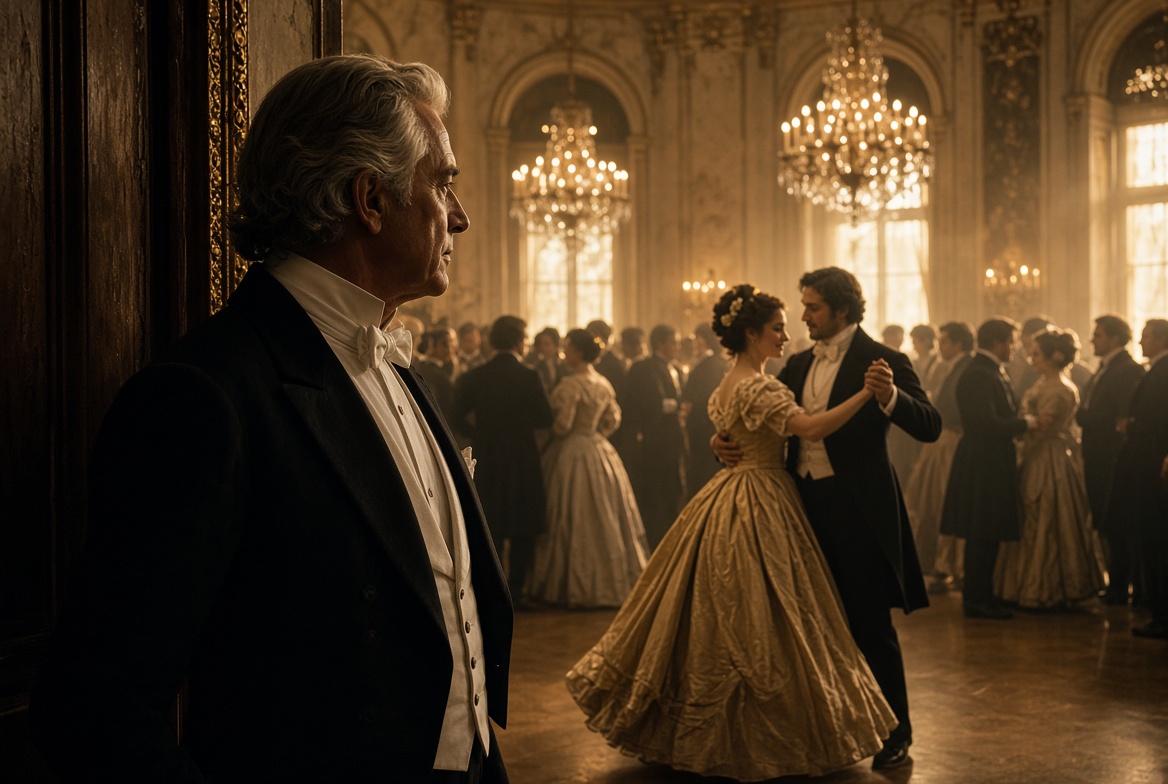
The Leopard is the film Instagram skipped because nobody gets hunted. Visconti — himself a count — adapted Lampedusa with a $5 million Fox budget, Burt Lancaster, Alain Delon, Claudia Cardinale, and a ball that runs almost fifty minutes. Tancredi’s sentence still runs the East End: if we want things to stay as they are, things will have to change. He marries the mayor’s daughter. The prince inventories the dawn. Decline is a management task. The Murdoch settlement and the Succession finale are both Tancredi plots with better microphones.
Full hub: Keep It.
Hub C — Signal it
Taste classifies. Rooms do the talking.
The Devil Wears Prada is the prestige workplace as exam. Miranda’s cerulean speech is trickle-down taste with a payroll. The 2006 film made about $327 million. The 2026 sequel opened to a $234 million global weekend. Streep’s line on the press tour was eight words: “This one, honey, they spent the money.” That is also the thesis of a fashion house. The exam did not get kinder. It got a bigger lighting package.
Metropolitan is the status movie New York forgot to assign. Stillman sold the rights to his apartment for about $50,000, shot a debutante season for roughly $210,000 to $230,000, and watched New Line take it to $3 million domestic and an Oscar-nominated screenplay. Audrey did the reading. Tom rented the tux and the opinion. Nick is the immune system. Charlie named the class because the floor was already moving. Pair it with the socialite decoder and the quiet luxury file. The movie is what those pages sound like when the matriarch has left the room.
The Grand Budapest Hotel treats service as civilization. Mendl’s boxes and the lobby boy’s posture are not cute. They are a standard. When the standard breaks, the century breaks. The Philadelphia Story is composure under flashbulbs: old money that knows the press is coming and still sets the table.
Something’s Gotta Give is the house as a belief system. Meyers builds kitchens the way Stillman builds sentences. The East End recognizes itself. Crazy Rich Asians is the party that still has a board — display versus the aunties who actually control the calendar.
Full hub: Signal It. Screen the set at Sag Harbor Cinema, the village that spent $20 million to keep a theater. That is also a keep-it decision.
Hub D — Move through it
Status can be learned, stolen, or sold. The film should show the technique.
Working Girl is the daylight channel. Tess has the idea. Katharine has the office. Credit moves when the idea is spoken a second time. Nichols spent about $28 million at Christmas 1988 and took $103 million plus six Oscar nominations. Carly Simon won for the song. Griffith did not win for the secretary. Songs close easier. The ferry is still the rehearsal. Timestamp the memo. Do not wait for the ski accident.
The Talented Mr. Ripley is the same skill with the safety off. Minghella spent $40 million, took about $129 million, and let Philip Seymour Hoffman play the only person who can smell a fake in the first minute. Tom wants the shirts. Attention is the talent. Substitution is the crime. Industry is the conveyor-belt sequel: twenty-three-year-olds who do not know which end of the phone to use, trying not to become Tom while learning Dickie’s manners on a trading floor. Max Minghella — the director’s son — walked into that show. The house is already on this site.
Glengarry Glen Ross is the floor. Pacino cut a $6 million quote to $1.5 million. Baldwin took $250,000 for three days and a speech that was not even in the play. The movie lost money ($10.7 million on $12.5 million) and won the language. The leads are the business. Williamson holds the drawer. A close that dies at breakfast was a performance.
Wall Street is the cautionary tale that became a recruitment poster. Stone wanted a warning. Business-school kids wanted the poster. That split is the whole problem of filming money: the villain photographs better than the compliance officer. The Wolf of Wall Street is appetite without the lesson. Catch Me If You Can is the uniform — Spielberg’s reminder that costume is a technology.
Full hub: Move Through It.
How to watch the cluster as a season
Week one: Social Network, Founder, Moneyball. Paper. Paper. Hiring.
Week two: Godfather ledger, Leopard, Kane if you can sit still. Family as firm. Decline as design.
Week three: Prada universe, Metropolitan, Meyers house. Exam. Manners. Rooms.
Week four: Working Girl, Ripley, Glengarry. Channel. Mimicry. Floor.
Do not pair Metropolitan with Saltburn. That pairing is how the carousel flattens everything into furniture. Pair it with the old-money brands list and the dress-code file.
What the souvenir list still gets right
The eat-the-rich decade was not stupid. It was incomplete.
Parasite is a floor-plan movie. The Menu is a service-standard movie that chose revenge instead of hospitality. Triangle of Sadness is a captain-and-crew movie that chose vomit. The Favourite is a court movie. Those mechanisms are real. The carousel sold the feeling around them and called it analysis.
The prestige watchlist keeps the mechanism and drops the moral credit. You do not become good by watching a yacht sink. You become slightly harder to fool.
Hamptons residue
A Saturday east of the canal already runs all four hubs.
Make it: who is on the insertion order, who owns the list, who can add a date in September.
Keep it: whose name is on the gate after the new neighbor’s boat arrives.
Signal it: who can sit through lunch without narrating the room.
Move through it: who studies the host’s stories and who starts speaking in them by Sunday.
Polo Hamptons 2026 is the live exam. The newcomer’s guide is Tess on the ferry. The sponsor deck is Sonneborn. The family that has held the hedge since before the highway is Don Fabrizio. Freddie Miles is already on the lawn. He will not announce himself.
Decoder
1. Who kept the company?
If you cannot answer in one sentence, you watched a mood.
2. What was off-paper?
Handshakes die at breakfast. Write the clause.
3. Who did the reading?
Audrey. Not Tom. Seat accordingly.
4. What is scarce?
Leads, dates, on-base, the list. Not the speech.
5. Monday move.
Pick one hub. Watch two films. Change one document.
FAQ
Is this anti-eat-the-rich?
No. It is anti-souvenir. The other pillar is the diagnosis. This is the homework.
**Why not Succession on the grid?**
Because it is television, and because it is already the water the cluster swims in. Watch it as the contemporary Keep It text. Tom is Tancredi with a better suit.
Where should I start if I only have one night?
The Social Network if you build. Metropolitan if you enter rooms. The Leopard if you inherited one.
**Will you add Air and Kane as full spokes?**
Yes. They are already on the scorecard. The first wave built the spine.
The CassWorld Take
A reader who has just learned that a rented tuxedo is louder than a bad take, that a handshake is not a ratchet, and that quiet luxury expired the week it got a shopping list is ready to talk about lists, licenses, and which neighbor gets a seat. Hosts, houses, funds, and brands that work in that register can reach Social Life editorial through the contact page or submit a paid feature. The 82,000-reader list, Polo Hamptons 2026, and the print subscription are how the curriculum stays in print.
Written by CassWorld. Cass Almendral is Head of Business Development at Social Life Magazine and Co-Founder of Polo Hamptons. Reach editorial at [email protected].
Author

Written by
Recent Posts
What a 3-Carat Engagement Ring Actually Costs in 2026: The Real Numbers
The Skincare Habits That Make a Real Difference Over Time
Hamptons-Ready Beauty: Polished Makeup for Long Summer Days
Is Now a Good Time to Sell a Home in NJ?

The Hidden Work Behind a Seamless Hotel Weekend
Categories
- Art
- Articles
- Business of Luxury
- Celebrities
- Culture
- Entertainment
- Events
- Faces of Summer 2026
- Fashion
- Fashion & Style
- Featured
- Finance
- Food, Spirits, Wine
- Hamptons
- Hamptons Celebrities
- Health
- Health & Beauty
- Lifestyle
- Luxury Lifestyle
- Press
- Profiles
- Real Estate
- Technology
- The Chronicles
- Travel
- Uncategorized
- Weddings