

90s vs. Now Music Deals: The Contract That Changed Everything
Imagine Britney Spears signing her first record deal in 2024 instead of 1997. Imagine TLC negotiating their contract with today’s leverage instead of LaFace Records’ 90s-era terms. Imagine a nineteen-year-old from Kentwood, Louisiana walking into a label meeting with a phone that can distribute music to 600 million Spotify users without a single executive’s permission.

The 90s vs. now music deals comparison is not hypothetical nostalgia. It is a structural analysis of how profoundly the power balance between artists and labels has shifted in three decades, and what that shift means for the fortunes being built and lost right now.
The 90s Deal: How the Machine Worked
Standard Terms That Built Empires (for Labels)
A typical 90s major-label recording contract, as documented by Billboard and industry legal archives, included terms that would be unthinkable today. The label owned all master recordings in perpetuity. Artist royalty rates ranged from 8 to 15 percent of wholesale price, not retail. All recording costs, marketing expenses, music video production, and tour support were recoupable against the artist’s share. The label’s expenses were not recoupable.
In practice, these terms meant that a 90s artist could generate $100 million in revenue and still technically owe the label money. Furthermore, the recoupment structure was one-directional. The label recovered its costs from the artist’s royalties. The label did not share its profits with the artist beyond the contractual rate. The 90s record deal was designed to extract, and it extracted with industrial efficiency.
The Real-World Impact
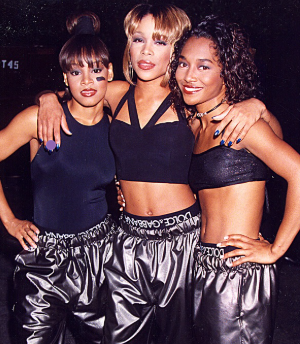
TLC’s contract with LaFace gave them less than 7 percent of album revenue split among three members. After manager Pebbles’ commission, each member earned roughly $50,000 per year while their albums generated hundreds of millions. They filed for bankruptcy at the peak of their fame.
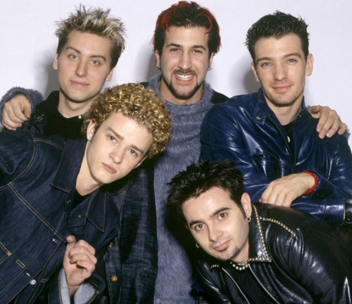
NSYNC’s contract with Trans Continental paid the five members a combined per diem while Lou Pearlman pocketed the majority of group revenue. Pearlman eventually went to prison for fraud, but the money was gone.

Britney Spears signed with Jive Records at 15. Her contract gave the label ownership of her masters, standard terms for the era. By the time her conservatorship ended in 2021, the structural disadvantages of that contract had compounded for over two decades. Her $200 million catalog sale in 2026 represents the first major financial decision she has made on her own terms.
The Now Deal: What Changed
Taylor Swift Rewrote the Rules
In May 2025, Taylor Swift announced that she had purchased all the masters of her first six albums from Shamrock Capital, the investment firm that acquired them after Scooter Braun’s Ithaca Holdings bought Big Machine Records. The deal reportedly cost approximately $360 million. According to Rolling Stone, it was the most significant artist ownership reclamation in music history.
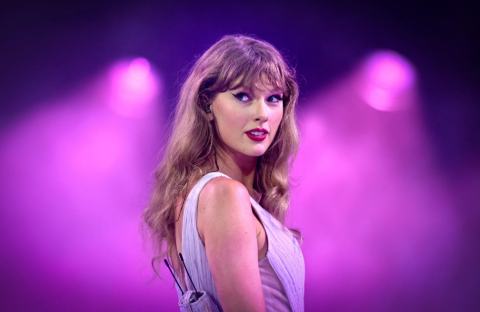
Swift’s journey matters for the 90s vs. now music deals comparison because she demonstrated that the re-recording strategy works. Her Taylor’s Version albums collectively outsold and outstreamed the originals. Labels responded by extending re-recording restriction clauses in new contracts, but the precedent was set. Artists can fight back, and win, if they have sufficient leverage.
Olivia Rodrigo Negotiated Ownership Before She Had Leverage

Rodrigo signed with Geffen Records in 2020 with full ownership of her masters. She was 17. In interviews, she has cited Swift’s battle as direct inspiration for her negotiating position. According to Financial Times analysis of modern recording contracts, Rodrigo’s deal represents a new template that emerging artists are increasingly demanding.
The 90s vs. now music deals comparison could not be starker. A 17-year-old in 1997 signed whatever was put in front of her because the alternative was obscurity. A 17-year-old in 2020 negotiated master ownership because the alternative was self-distribution on Spotify, TikTok virality, and a label bidding war.
The Streaming Economics Shift
In the 90s, an artist needed a label to get their music into stores, onto radio, and in front of audiences. The label’s distribution infrastructure was the price of entry, and that price was master ownership plus exploitative royalty rates.
In 2026, an artist can upload to Spotify, Apple Music, and YouTube from a phone. Distribution is commoditized. The value proposition labels offer now is marketing, playlist placement, and brand building, which are still valuable but no longer irreplaceable. Consequently, the negotiating dynamic has flipped. Labels need hits. Artists have alternatives. The terms reflect this new reality.
According to McKinsey’s analysis of the creator economy, modern recording contracts increasingly feature master reversion clauses, higher royalty rates (18 to 25 percent is now common), and profit-sharing structures that would have been unimaginable in the 90s.
Would 90s Stars Get Better Deals Today?
Britney Spears: Almost Certainly
A teenage Britney in 2024 would likely retain her masters, negotiate a higher royalty rate, and maintain financial autonomy throughout her career. The conservatorship that controlled her life and finances would face far more scrutiny in today’s social media environment. Moreover, the #FreeBritney movement proved that public advocacy can dismantle institutional control.
TLC: Probably, but Not Guaranteed
A modern TLC would have better contract terms and higher royalty rates. However, the fundamental challenge of group economics, three-way splits, manager commissions, and limited individual leverage, would persist. Groups still sign worse deals than solo artists because the label can replace individual members.
Jay-Z: The Same Outcome, Faster
Jay-Z would build the same ownership empire. He might build it faster. The 90s required physical distribution infrastructure that labels controlled. Today’s landscape offers multiple paths to independence. Jay-Z’s instinct to own rather than rent would thrive in any era.
What Has Not Changed
The Manager Problem Persists
Despite improved contract terms, financial exploitation by managers, advisors, and family members continues. Modern artists still face the same vulnerabilities that destroyed 90s fortunes. The tools of exploitation have evolved, but the human dynamics remain unchanged.
Research from Harvard Business Review on principal-agent problems in creative industries confirms that information asymmetry between young artists and experienced managers creates persistent exploitation risk, regardless of era.
The Catalog Gold Rush Creates New Risks
The booming catalog acquisition market, which has seen over $5 billion in transactions since 2021, creates new dilemmas. Artists selling their catalogs gain immediate liquidity but surrender long-term compound growth. Whether Britney’s $200 million sale was optimal depends entirely on how long Primary Wave can grow the catalog’s value. Some BCG analysts argue that holding catalogs through the streaming boom would have generated higher lifetime returns.
The Bottom Line on 90s vs. Now Music Deals
The 90s vs. now music deals comparison reveals genuine progress. Artists have more leverage, better terms, and viable alternatives to label deals. Swift’s re-recording strategy, Rodrigo’s early ownership negotiation, and the broader creator economy have shifted power toward artists in ways that would have saved TLC from bankruptcy and Britney from financial captivity.

But the fundamental tension remains. Young people with extraordinary talent and minimal business experience are still negotiating with sophisticated corporate entities designed to maximize extraction. The tools are better. The game is the same.
For the complete 90s financial story, visit our Complete 90s Icon Net Worth Rankings. For the pillar overview, see 90s Music Icons Net Worth 2026.
Want to feature your brand alongside stories like this? Contact Social Life Magazine about partnership opportunities. Join us at Polo Hamptons this summer. Subscribe to the print edition or join our email list for exclusive content. Support independent luxury journalism with a $5 contribution.
Read next: Complete 90s Icon Net Worth Rankings | Destiny’s Child Net Worth 2026
Author

Written by
Recent Posts

Inside the Art Collections Hidden Behind Hamptons Estate Gates

Next Holidays Makes Holiday Booking Faster, Easier, and More Convenient

The Fertility Pioneer: Inside Dr. David Smotrich’s Mission to Build Families
Beat the Summer Heat Safely: 5 Practical Styling Hacks for Boat Trips and Lake Days
First Date Outfit Ideas: Flattering and Budget-Friendly Dresses to Wear Tonight
Categories
- Art
- Articles
- Business of Luxury
- Celebrities
- Entertainment
- Events
- Faces of Summer 2026
- Fashion
- Fashion & Style
- Featured
- Finance
- Food, Spirits, Wine
- Hamptons
- Hamptons Celebrities
- Health
- Health & Beauty
- Lifestyle
- Luxury Lifestyle
- Press
- Profiles
- Real Estate
- Technology
- The Chronicles
- Travel
- Uncategorized
- Weddings