
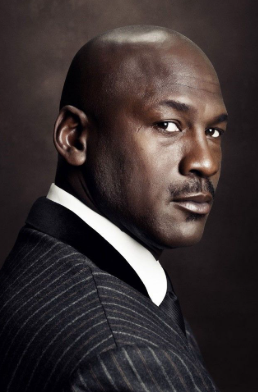
Four billion dollars didn’t come from game checks. It came from what Jordan, LeBron, and Serena did between games. The combined net worth of these three athletes, $5.3 billion, represents the most sophisticated collective conversion of sports fame into dynasty wealth in history. More importantly, it reveals a playbook that transforms how we understand athlete economics.
The conventional narrative positions athletes as lucky recipients of large contracts who occasionally make smart investments. Reality inverts this completely. The athletes who build billions use a specific wealth architecture that converts visibility into ownership, contracts into equity, and fame into institutions that outlast any career.
The Misconception: Athletes Get Rich From Contracts
Sports media obsesses over contract values. The $300 million extension. The record-breaking deal. These numbers generate headlines while obscuring the actual wealth mechanics. Contract income matters as seed capital. It does not create billionaires.
Michael Jordan earned approximately $90 million in NBA salary across fifteen seasons. His Nike royalties alone have exceeded that by 14x. LeBron James earns $40+ million annually from the Lakers. His SpringHill Company stake exceeds his remaining career salary potential. Serena Williams’ career prize money totaled $94 million. Her Coinbase investment alone may have generated higher returns.
The pattern is consistent: playing careers generate capital that, properly deployed, creates wealth multiples exceeding anything contracts could provide. Athletes who understand this deploy capital aggressively during peak years rather than accumulating cash for post-career investing.
The Mechanism: Five Stages of Athlete Wealth
Elite athlete wealth follows a progression that resembles private equity value creation more than celebrity endorsement economics. Each stage builds on the previous, with successful athletes ascending quickly while most plateau at early stages.
| Stage | What It Looks Like | Example |
|---|---|---|
| Stage 1: Contract | Max salary, signing bonus | LeBron’s $40M annual NBA salary |
| Stage 2: Endorsement | Brand ambassador fees | Nike, Gatorade appearance payments |
| Stage 3: Equity Stake | Ownership position in brand | Jordan’s Nike royalty participation |
| Stage 4: Operating Company | Control + upside | SpringHill, Serena Ventures |
| Stage 5: Asset Acquisition | Teams, real estate, portfolios | Hornets, Liverpool, Coinbase |
Most professional athletes never progress beyond Stage 2. They collect salaries and endorsement fees, spend at levels matching income, and retire with substantially less wealth than peak earning years suggested. The athletes who reach Stage 5 build fortunes that compound independently of any ongoing labor.
Michael Jordan: The Royalty Equity Pioneer
Michael Jordan’s $3.8 billion net worth began with a single negotiation in 1984. Rather than accepting Nike’s standard endorsement offer, Jordan demanded revenue participation in Air Jordan sales. The initial terms seemed modest. The compounding was not.
That royalty structure now generates approximately $150 million annually, forty years after signing. Jordan hasn’t played a professional game in over two decades. The income requires no labor, no appearances, no active management. Jordan Brand employs hundreds of Nike employees who operate the business independently of Jordan’s daily involvement.
The Charlotte Hornets acquisition in 2010 extended this logic. Jordan purchased majority ownership for $275 million and sold most of his stake in 2023 for valuations approaching $3 billion. The appreciation, roughly 1,000% over thirteen years, outperformed virtually every alternative investment class.
| Jordan Wealth Component | Value |
|---|---|
| Career NBA salary | $90M |
| Nike royalties (lifetime) | $1.3B+ |
| Hornets appreciation | $2.7B gain |
| Current annual Nike payment | $150M |
The lesson Jordan’s career teaches: percentage participation in growing enterprises beats fixed compensation at any scale. Taking less upfront for backend participation created a fortune no endorsement deal could have matched.
LeBron James: Equity Accumulation While Active
LeBron James’ $1.2 billion represents something Jordan never achieved: billionaire status while still playing. The distinction matters because compound time multiplies returns, and investments made at 26 appreciate longer than investments made at 46.
LeBron’s 2011 investment in Liverpool FC illustrates the advantage. A $6.5 million stake acquired at age 26 has appreciated to roughly $90 million. An athlete who waited until retirement to make the same investment would have fifteen fewer years of appreciation. The early deployment created wealth that later deployment cannot replicate.
SpringHill Company extends this logic into operating company ownership. LeBron didn’t license his name to a media company. He built a media company and serves as chairman. The structure provides control, operational upside, and the ability to institutionalize the LeBron brand beyond LeBron’s personal involvement in any specific project.
| LeBron Investment | Entry | Current Value |
|---|---|---|
| Liverpool FC stake | $6.5M | $90M+ |
| Blaze Pizza | $1M | $35M+ |
| SpringHill Company | Founder | $100M+ stake |
| Nike lifetime deal | $1B guaranteed | $1B+ |
The Bronny James development adds multigenerational dimension. Father and son playing simultaneously in the NBA institutionalizes the James brand across generations, creating content opportunities, Nike continuity, and family brand durability that survives any individual career.
Serena Williams: VC as Second Act
Serena Williams’ $300 million emerged through a strategy neither Jordan nor LeBron pursued: professional venture capital. The ninety-plus portfolio companies and $111 million fund represent institutional investing, not celebrity dabbling.
The timing innovation distinguished Serena’s approach. Serena Ventures launched in 2014, eight years before retirement. While sports media covered her serves, business pages missed the Coinbase, Noom, and MasterClass investments that would generate returns rivaling her career prize money.
The thesis differentiation matters equally. Serena targets underrepresented founders, a market inefficiency created by traditional VC’s failure to fund female and minority entrepreneurs proportionally to their performance metrics. The thesis reflects genuine insight from Serena’s experience as an underestimated Black woman in tennis, not generic diversification.
| Serena Investment | Stage | Peak Valuation |
|---|---|---|
| Coinbase | Series A | $85B IPO |
| Noom | Early | $3.7B |
| MasterClass | Series D | $2.75B |
| Tonal | Series A | $1.6B |
| Daily Harvest | Seed | $1.1B |
Sixteen portfolio companies reached unicorn status. The Coinbase investment alone likely generated returns exceeding Serena’s career prize money. The fund structure enables follow-on investments, institutional LP capital, and professional fund management that scales beyond any individual investment capacity.
The Patterns: What the Smart Athletes Do Differently
Analyzing Jordan, LeBron, and Serena together reveals patterns that separate billionaire athletes from their peers. Five principles emerge consistently across all three.
Pattern 1: Ownership Beats Endorsement
Jordan’s Nike royalties outperform any endorsement deal ever signed. LeBron’s SpringHill stake generates value independent of his appearances. Serena’s portfolio companies appreciate without requiring her involvement. Ownership creates compounding value. Endorsement creates income that stops when contracts end.
Understanding how licensing deals create long-term wealth illuminates this distinction further. The transition from ambassador to owner represents the critical wealth inflection point.
Pattern 2: Build During Peak Years
LeBron invested in Liverpool at 26. Serena launched Serena Ventures at 33 while still winning Grand Slams. Jordan negotiated royalty participation as a rookie. All three deployed capital during peak visibility and earning years rather than waiting for retirement.
This timing creates compound advantages that late-starters cannot replicate. Investments made at peak visibility benefit from the fame premium. Investments made during peak earnings avoid requiring liquidity events to fund them.
Pattern 3: Category Expertise Matters
Jordan succeeded with Air Jordan because he understood basketball footwear better than any Nike executive. LeBron’s SpringHill works because he understands athlete media better than Hollywood studios. Serena’s investments in fitness technology (Tonal) and wellness (Noom) leverage her genuine expertise as an elite athlete.
Athletes investing in restaurants or nightclubs often fail because they lack category expertise. Athletes investing in sports-adjacent businesses succeed because they possess insight advantages that financial investors cannot replicate.
Pattern 4: Control the Narrative
SpringHill, Uninterrupted, and The Shop give LeBron distribution platforms for his own story. Jordan’s selective media access maintains brand scarcity. Serena’s fund announcement buried in her retirement speech captured maximum earned media.
Athletes who license their stories to others generate fees. Athletes who own their story distribution generate enterprise value. The distinction affects not just income but brand durability across generations.
Pattern 5: Institutionalize Beyond the Individual
Jordan Brand employs hundreds of people who have never met Michael Jordan. SpringHill produces content without LeBron’s involvement in every project. Serena Ventures has partners and analysts running investments independently.
These structures convert personal brands into institutional assets. Personal brands die with their namesakes. Institutional brands compound across generations. Understanding the difference between celebrity wealth and dynasty wealth reveals why institutionalization matters for long-term wealth preservation.
The Playbook: What Readers Can Learn
Athletes aren’t the only professionals who face career peaks and subsequent transitions. Business owners approaching exits, executives at career peaks, and founders considering liquidity events can extract applicable principles from how Jordan, LeBron, and Serena built wealth.
| Athlete Strategy | Business Owner Translation |
|---|---|
| Royalty equity over endorsement | Revenue share over salary |
| Portfolio during peak years | Invest before exit, not after |
| Own the narrative | Content and media control |
| Category expertise | Invest where you know |
| Scarcity positioning | Less visibility, premium value |
The exit-seeking business owner (50-70 years old) building a service or trade business sees parallels to Jordan’s transition from player to owner. The question isn’t just what the business sells for. The question is what the founder does with proceeds to compound value across decades.
The legacy-trapped heir (25-40 years old) seeking autonomy outside family money sees parallels to LeBron building SpringHill independent of Nike or the NBA. The family brand provides platform and capital. The individual venture proves independent capability.
Examining how private equity interacts with celebrity fortunes provides additional context for readers considering how institutional capital might accelerate their own transitions.
The Numbers: Combined $5.3 Billion
Aggregating the three portfolios reveals the scale of athlete wealth creation possible when Stage 5 is fully achieved.
| Athlete | Net Worth | Primary Mechanism |
|---|---|---|
| Michael Jordan | $3.8B | Royalty equity + franchise |
| LeBron James | $1.2B | Equity accumulation + media |
| Serena Williams | $300M | Venture capital + portfolio |
| Combined | $5.3B |
The $5.3 billion combined total exceeds the GDP of numerous countries. It represents wealth creation at institutional scale, achieved by three individuals who started their careers focused entirely on athletic performance and transitioned into sophisticated capital deployment.
The career earnings these athletes generated from playing sports, perhaps $500 million combined, provided the seed capital. The subsequent deployment created the fortune. The ratio, roughly 10:1 between wealth created through investment versus wealth created through playing, quantifies the importance of post-peak capital strategy.
Why Athlete Searches Increased 40%
Search volume for athlete wealth has increased approximately 40% year-over-year. The trend reflects broader cultural shifts in how audiences understand celebrity economics.
First, wealth visibility has increased. Social media, real estate records, and SEC filings make athlete wealth more observable than previous generations experienced. This transparency creates curiosity about mechanisms, not just numbers.
Second, financial literacy is rising. Audiences increasingly want to understand HOW rather than just HOW MUCH. The success of net worth content that explains mechanisms reflects this educational demand.
Third, athletes themselves have become more sophisticated. Jordan, LeBron, and Serena built portfolios that would impress institutional investors. Their success creates aspirational models that other athletes and business professionals study.
This search volume increase creates opportunity for content that explains wealth mechanics rather than simply reporting wealth numbers. The athletes covered in this cluster built fortunes through structures that readers can understand and, in modified forms, potentially apply.
The Bottom Line
Jordan, LeBron, and Serena built $5.3 billion combined through strategies that transcend athletics. Royalty equity, not endorsement fees. Equity accumulation during peak years, not post-career investing. Operating companies that institutionalize personal brands. Portfolio diversification across ninety-plus investments.
The playbook applies beyond sports. Anyone with current leverage, whether from visibility, expertise, or capital, can study how these athletes converted temporary advantage into permanent wealth. The mechanics transfer. The principles scale.
Court dominance made them famous. Ownership made them billionaires. The distinction matters for anyone seeking to understand how modern fortunes compound.
Author

Written by
Recent Posts

How to Choose Useful Tech Gifts for Employees and Clients in 2026
The Garage Question: Which Car Goes South for the Season?

VandS Clinic Review Treatment: How Seoul Injectable and Laser Options Compare for US Patients
Before Buying a View Home: What a Sloped Lot Means for the Purchase

Powerful Strategies to Stay Ahead in a Fast-Moving Real Estate Market
Categories
- Art
- Articles
- Business of Luxury
- Celebrities
- Culture
- Entertainment
- Events
- Faces of Summer 2026
- Fashion
- Fashion & Style
- Featured
- Finance
- Food, Spirits, Wine
- Hamptons
- Hamptons Celebrities
- Health
- Health & Beauty
- Lifestyle
- Luxury Lifestyle
- Press
- Profiles
- Real Estate
- Technology
- The Chronicles
- Travel
- Uncategorized
- Weddings