
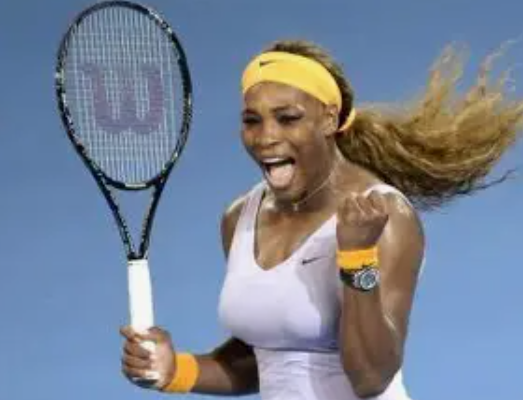
Serena Williams was winning Wimbledon while simultaneously building a billion-dollar portfolio. Nobody noticed. The sports media covered her serves. The business press missed the most sophisticated second-act strategy any athlete has ever executed. By the time retirement came in 2022, Serena wasn’t transitioning to business. She was unveiling what she had already built.
The $300 million net worth figure obscures the more interesting number: ninety-plus portfolio companies, sixteen unicorn investments, and a $111 million fund targeting founders the traditional VC ecosystem overlooks. Serena didn’t retire from tennis into business. She retired from tennis to focus on the business she had been running for nearly a decade.
The Hunger: Compton Courts and Country Clubs
Tennis is a country club sport. Serena Williams learned to play on public courts in Compton. The dissonance between her origin and the sport’s culture created a permanent chip. Every tournament, every interview, every business meeting carried the weight of proving something beyond athletic excellence.
Richard Williams, her father, famously developed the career blueprint before either Venus or Serena was born. The plan was detailed, unconventional, and ultimately vindicated by 23 Grand Slam singles titles. But Richard’s plan focused on tennis achievement. Serena’s business strategy is her own design.
The underestimation she experienced as a Black woman in tennis’s predominantly white ecosystem sharpened her awareness of market gaps. Where traditional VCs saw risk in female founders or underrepresented entrepreneurs, Serena saw opportunity created by systemic bias. The investment thesis emerged directly from the experience of being overlooked.
The Contract: Nike and the Foundation of Capital
Serena’s 2003 Nike deal, valued at $40 million over five years, represented unprecedented money for women’s tennis at the time. Unlike Jordan’s royalty-based Nike structure, Serena’s endorsement deals followed more conventional patterns: substantial fees, appearance requirements, renewal terms.
These endorsement payments served a specific strategic purpose: generating investment capital during peak earning years. Rather than expanding lifestyle to match income, Serena deployed endorsement checks into venture investments. The Nike deal funded the portfolio that now generates returns independent of any endorsement relationship.
| Endorsement Partner | Estimated Annual Value | Strategic Purpose |
|---|---|---|
| Nike | $10M+ | Investment capital + brand equity |
| Wilson | $5M+ | Tennis category dominance |
| Gatorade | $5M+ | Sports nutrition alignment |
| JP Morgan Chase | Undisclosed | Financial sector credibility |
The cumulative endorsement income during Serena’s playing career exceeded $350 million, according to Forbes estimates. This figure funded both lifestyle and a venture portfolio that independent of tennis may generate similar lifetime returns.
The Pivot: Serena Ventures Launches Quietly in 2014
Most retirement pivots involve announcements, press tours, and brand launches. Serena’s pivot happened eight years before retirement. In 2014, while still dominating Grand Slams, she quietly launched Serena Ventures. No press release. No media tour. Just capital deployed into early-stage companies.
The strategy reflected hard-won wisdom about celebrity venture investing. Athletes who announce funds before building track records face skepticism from serious founders and co-investors. Serena built the portfolio first, established returns, then discussed it publicly. By the time the media noticed, she had already invested in Coinbase, Noom, and MasterClass.
According to TechCrunch, Serena Ventures announced a $111 million fund in 2022, timed precisely with her retirement announcement. The retirement press coverage became launch coverage. Every outlet writing about Serena leaving tennis included paragraphs about her new fund. Marketing spend: zero. Earned media value: substantial.
The Portfolio: Ninety Companies and Sixteen Unicorns
Serena Ventures has invested in over ninety companies, with sixteen achieving unicorn status (valuations exceeding $1 billion). The portfolio reflects deliberate thesis rather than celebrity dabbling: consumer technology, health and wellness, underrepresented founders.
Coinbase
Serena’s Series A investment in Coinbase represents her most publicized win. The cryptocurrency exchange went public in 2021 at a valuation exceeding $85 billion. While exact stake sizes remain private, early Series A investors typically achieve 30x or higher returns on successful IPOs. Serena’s Coinbase position likely appreciated from a few hundred thousand dollars to $30 million or more.
Noom
The weight loss and wellness app reached a $3.7 billion valuation, with Serena as an early investor and ambassador. The investment combined financial returns with brand alignment, as Serena’s athletic credibility enhanced Noom’s positioning in the wellness market.
MasterClass
Serena both invested in and created content for MasterClass, the online learning platform valued at $2.75 billion. This dual role, investor and instructor, generates returns from two directions: equity appreciation and teaching fees.
Tonal
The connected fitness company reached $1.6 billion valuation with Serena as an early backer. Sports technology represents a category where athlete investors possess genuine insight advantages over traditional VCs. Serena understands training technology requirements that financial analysts cannot replicate.
Daily Harvest
The meal delivery company hit $1.1 billion valuation, fitting Serena’s health and wellness thesis while targeting demographics aligned with her personal brand.
| Investment | Entry Stage | Peak Valuation |
|---|---|---|
| Coinbase | Series A | $85B (IPO) |
| Noom | Early | $3.7B |
| MasterClass | Series D | $2.75B |
| Tonal | Series A | $1.6B |
| Daily Harvest | Seed | $1.1B |
The Fund: $111 Million Targeting Underrepresented Founders
The 2022 fund announcement codified Serena’s investment thesis explicitly. Per the fund’s stated mandate, over 50% of portfolio companies must have women or underrepresented founders. This isn’t philanthropy. It’s an arbitrage thesis: founders overlooked by traditional VCs represent underpriced opportunities.
Data supports the thesis. According to Financial Times analysis, women-founded companies receive approximately 2% of VC funding while outperforming male-founded companies on capital efficiency metrics. Serena’s fund targets this market inefficiency systematically.
The fund structure also reflects professionalization beyond celebrity investing. Limited partners, institutional capital sources, and professional fund management distinguish Serena Ventures from athletes who make angel investments through personal accounts. This institutional structure enables scale, follow-on investments, and long-term fund management.
The Dynasty Play: Olympia and the Williams Legacy
Serena’s daughter Olympia already features centrally in brand narratives. Instagram content, Nike appearances, and public statements position Olympia as continuity for the Williams legacy rather than mere heir. The framing matters for brand longevity.
The Williams family structure creates additional dynasty elements. Venus Williams maintains her own business ventures. Richard Williams’ coaching legacy persists through documentaries and ongoing reference. The family brand extends beyond any individual member, creating the network effects that characterize dynasty wealth rather than celebrity wealth.
Serena Ventures’ focus on female founders creates additional network effects. Portfolio companies founded by women often hire women in leadership roles. These leaders become future founders. The fund creates deal flow for future funds, generating compounding relationships beyond any single investment.
The Wealth Mechanism: VC as Career 2.0
Serena’s innovation wasn’t becoming an investor. Other athletes had done that. Her innovation was building a professional VC operation during peak athletic career, funding it with endorsement income, and timing the public launch to capture maximum attention.
The timing advantage compounds significantly. Investments made in 2014-2016 had eight years to appreciate before Serena’s retirement announcement. Compare this to an athlete who retires, spends a year figuring out their next move, raises a fund, and begins investing. That hypothetical athlete is starting a decade behind Serena’s portfolio.
The thesis differentiation also matters. Traditional celebrity investors often back consumer brands in categories they personally enjoy. Serena’s fund targets market inefficiency in founder demographics, a structural thesis independent of personal preference. This approach resembles institutional investing more than celebrity dabbling.
The Pattern: What Separates Serena From Other Athlete Investors
Numerous athletes have made venture investments. Kevin Durant, Magic Johnson, and others have established funds. Serena’s outcomes and approach distinguish her from the broader category. The patterns explain why.
First, Serena invested early in her career. The 2014 launch came when she was 33 and still winning Grand Slams. Most athlete investors wait until their thirties or forties, missing the compounding time that early investment provides. This timing advantage resembles LeBron James’ approach to portfolio building.
Second, Serena developed genuine investment expertise rather than relying solely on deal flow access. She reportedly participates actively in due diligence, attends board meetings, and engages with portfolio company strategy. This involvement creates information advantages that purely passive investors cannot access.
Third, the thesis coheres around a defensible insight. Underrepresented founders are underpriced by traditional VCs. This isn’t feel-good narrative. It’s quantifiable market inefficiency. Serena’s personal experience of underestimation provides authentic credibility for the thesis that purely financial investors cannot replicate.
Applying Serena’s Playbook
For professionals considering venture investing alongside their primary careers, Serena’s approach offers transferable principles about building investment track records while maintaining other professional commitments.
The first lesson: start before you’re ready to announce. Serena invested quietly for years before discussing Serena Ventures publicly. This approach builds track record evidence before inviting scrutiny. When the announcement came, she had returns to cite rather than just intentions.
The second lesson: fund investments with current income, not savings. Serena deployed endorsement checks into early-stage companies rather than waiting until career-end to begin investing. This approach provides capital for investment without requiring liquidity events or debt.
The third lesson: develop a thesis that leverages unique insight. Serena’s thesis around underrepresented founders emerges directly from her experience in tennis. The thesis isn’t generic. It reflects specific knowledge that traditional investors lack. For readers developing investment approaches, the question becomes: what do you know that most investors don’t?
The Numbers: Breaking Down $300 Million
Serena’s wealth distributes across several categories with different characteristics.
| Asset Category | Estimated Value | Liquidity |
|---|---|---|
| Serena Ventures portfolio | $100M+ | Low (startup equity) |
| S by Serena (fashion) | $20M+ | Low (private company) |
| Miami Dolphins stake | Undisclosed | Low (sports franchise) |
| Real estate | $50M+ | Medium |
| Cash and liquid assets | $50M+ estimated | High |
| Ongoing endorsements | $20M annually | Paid over time |
The concentration in venture portfolio creates volatility that more liquid holdings in real estate and cash offset. The Miami Dolphins stake, acquired as part of a 2022 ownership group, provides sports franchise exposure that historically appreciates reliably regardless of market conditions.
Beyond Tennis: The Serena Williams Business Model
Serena’s post-tennis identity centers on investing, not on tennis nostalgia. This positioning choice has economic implications. Athletes who remain associated primarily with their sport depend on that sport’s cultural relevance. Athletes who transition to business identities generate value independent of sports media cycles.
The fashion line S by Serena reflects this transition. The brand competes in contemporary fashion, not athletic wear. Designs target professional women, not tennis fans. The customer relationship exists independent of tennis fandom, creating durability that sports-branded products cannot match.
Comparing this approach to how beauty and fashion create long-term celebrity wealth reveals Serena’s strategic sophistication. She understood that licensing her name to a sports company would generate fees but not ownership value. Building an independent fashion brand creates enterprise value that exits or continues as she chooses.
The Bottom Line
Serena Williams built $300 million through the most sophisticated athlete-to-VC transition in sports history. The ninety-plus portfolio companies, sixteen unicorns, and $111 million fund represent professional venture capital operation, not celebrity dabbling. The thesis around underrepresented founders reflects genuine insight advantage rather than generic diversification.
Twenty-three Grand Slams made Serena famous. The Coinbase investment, the Noom stake, the systematic deployment of endorsement income into early-stage companies: these built wealth that compounds independently of tennis relevance. The retirement announcement was a fund marketing event, not a career ending.
For the complete analysis of how elite athletes build generational wealth, the hub article examines patterns across Jordan, LeBron, and Serena together.
Author

Written by
Recent Posts

How to Choose Useful Tech Gifts for Employees and Clients in 2026
The Garage Question: Which Car Goes South for the Season?

VandS Clinic Review Treatment: How Seoul Injectable and Laser Options Compare for US Patients
Before Buying a View Home: What a Sloped Lot Means for the Purchase

Powerful Strategies to Stay Ahead in a Fast-Moving Real Estate Market
Categories
- Art
- Articles
- Business of Luxury
- Celebrities
- Culture
- Entertainment
- Events
- Faces of Summer 2026
- Fashion
- Fashion & Style
- Featured
- Finance
- Food, Spirits, Wine
- Hamptons
- Hamptons Celebrities
- Health
- Health & Beauty
- Lifestyle
- Luxury Lifestyle
- Press
- Profiles
- Real Estate
- Technology
- The Chronicles
- Travel
- Uncategorized
- Weddings