
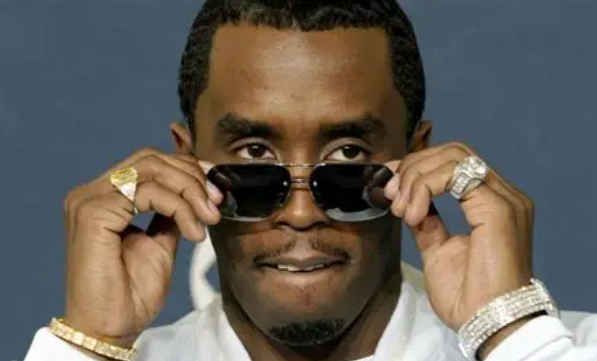
In 2022, Sean “Diddy” Combs was declared a billionaire by Rolling Stone. He had spent three decades building one of the most diversified empires in entertainment history. Bad Boy Records. Cîroc vodka. Sean John fashion. Revolt TV. Real estate spanning both coasts. He was the self-proclaimed “greatest Black serial entrepreneur to ever live.”
Three years later, he’s serving a four-year federal prison sentence after being convicted on two counts of transportation for prostitution. His net worth has been slashed nearly in half. Over 50 civil lawsuits have been filed against him. The brands that made him wealthy are either severed, sold, or in limbo. What remains is estimated at $400 million according to Forbes, and that number is still falling.
This is not a cautionary tale about fame. It’s a case study in what happens when a personal brand worth hundreds of millions becomes a liability worth billions in exposure.
Harlem to Hitmaker: Building Bad Boy
Sean John Combs was born in Harlem in 1969 and raised in Mount Vernon, New York. His father, Melvin Combs, was an associate of drug dealer Frank Lucas and was shot and killed when Sean was two years old. The loss created a void that Combs spent his career trying to fill with accumulation, influence, and spectacle.
After attending Howard University, where he interned at Uptown Records under Andre Harrell, Combs was fired in 1993. He was 24. Instead of looking for another job, he founded Bad Boy Records, initially operating out of his apartment. The label’s first major signing was Christopher Wallace, better known as the Notorious B.I.G., whose 1994 debut Ready to Die went quadruple platinum.
Bad Boy Records would go on to sign and develop Faith Evans, Mase, 112, Total, and Carl Thomas. At its peak, the label reportedly generated $130 million annually. Combs himself released five studio albums and 72 singles. His tribute to Biggie, “I’ll Be Missing You,” sampled The Police’s “Every Breath You Take” and became one of the best-selling singles of the 90s. Sting still earns approximately $2,000 to $5,000 daily from the sample royalties.
Bad Boy was more than a label. It was a lifestyle brand before that term entered the marketing lexicon. The white parties. The champagne. The conspicuous wealth performed at industrial scale. Combs understood before almost anyone else that hip-hop wasn’t just music. It was aspirational content. And he positioned himself as its leading character.
The Diversification Machine
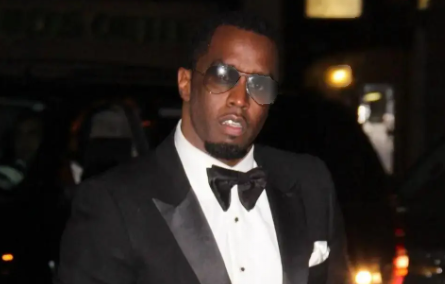
Combs’ real wealth was built outside the studio. His portfolio at its peak represented one of the most aggressive diversification strategies in celebrity business.
Cîroc and spirits. In 2007, Combs signed a 50/50 marketing partnership with Diageo to promote Cîroc vodka and later DeLeón tequila. The deal was structured around revenue sharing rather than a flat endorsement fee, giving Combs enormous upside. He reportedly earned $60 million annually from the partnership. The relationship lasted over 15 years before Diageo terminated it in 2023 following the initial wave of allegations. Diageo now owns 100% of both brands.
Sean John. The fashion label launched in 1998 and grew into a powerhouse generating $450 million in annual sales at its height. Combs sold 90% of the brand in 2016, then repurchased it from bankruptcy in 2021 for just $7.5 million. Macy’s, the line’s exclusive retailer since 2010, announced it was phasing out the brand in late 2023. The label’s current value is unclear.
Revolt TV. Combs launched the digital media network in 2013. He stepped aside as chairman in late 2023 after facing multiple sexual assault lawsuits. He subsequently sold his stake entirely. The company continues to operate under new leadership.
Real estate
Combs’ property portfolio included a Miami Beach mansion worth an estimated $37.4 million, a Los Angeles mansion in Holmby Hills currently listed at $61.5 million, a Toluca Lake property purchased for $5.25 million, two waterfront homes on Miami Beach’s Star Island, and a home in East Hampton that he sold in 2024 for $4.7 million. His Los Angeles and Miami properties were raided by Homeland Security in March 2024 as part of the federal investigation.
Additional ventures. Combs signed a $185 million deal to acquire cannabis retail stores in November 2022. He had partnerships with AQUAhydrate water alongside Mark Wahlberg. He explored private equity opportunities and maintained a collection of luxury vehicles, a private jet, and a significant art collection.
At its apex, Bain & Company would have classified Combs’ portfolio as a textbook example of celebrity brand extension. Multiple revenue streams, each reinforcing the central brand. The weakness in the model was also the strength. Every dollar was connected to his name. When the name became toxic, the dollars started evaporating.
The Federal Case and Conviction
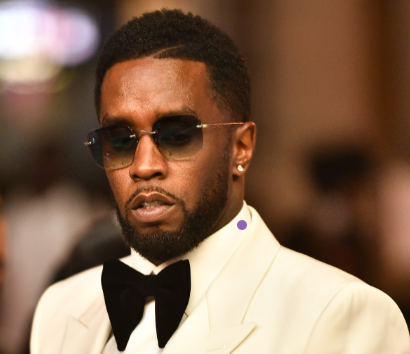
In November 2023, Combs’ former girlfriend Cassie Ventura filed a federal lawsuit alleging years of physical abuse and sexual violence. Combs settled the suit within 24 hours for an undisclosed amount. Additional lawsuits from other accusers followed rapidly. By the time federal agents raided his properties in March 2024, over a dozen plaintiffs had come forward.
In September 2024, a federal indictment charged Combs with racketeering conspiracy, sex trafficking by force, fraud or coercion, and transportation to engage in prostitution. Prosecutors alleged that from 2004 to 2024, Combs coordinated events where women were allegedly drugged and coerced into sex acts.
The trial, which began in May 2025 in Manhattan federal court, lasted approximately eight weeks. In July 2025, the jury returned a split verdict. Combs was found guilty on two counts of transportation for prostitution. He was acquitted on the racketeering charge and both sex trafficking counts.
The acquittal on the RICO count was financially significant. Had he been convicted under racketeering statutes, the government’s forfeiture action could have seized virtually all of his assets. Legal experts told ABC News that the racketeering acquittal means Combs will likely retain his mansions, business entities, and remaining assets. However, the conviction still carries substantial consequences. He was sentenced to four years and two months in federal prison and ordered to pay a $500,000 fine.
The Financial Damage: What’s Left
Combs’ net worth trajectory tells the story. In 2019, Forbes estimated his fortune at $740 million. By mid-2024, after the Cassie settlement, the Diageo termination, and the first wave of lawsuits, Forbes reduced the estimate to $400 million. The figure has held there through 2026, but the number doesn’t reflect the full exposure.
Over 50 civil lawsuits remain pending or are expected. Criminal convictions dramatically increase the success rate of civil claims because civil suits require only a preponderance of evidence rather than proof beyond reasonable doubt. Legal experts estimate his defense costs alone have consumed millions. Future settlements or judgments could drain tens of millions more.
His remaining income streams are diminished. Bad Boy Records continues to generate catalog royalties, but without the Cîroc partnership, the Sean John retail presence, and the Revolt TV equity, Combs’ annual passive income has likely dropped by $50 million or more per year compared to peak levels.
The Lesson: Brand Risk as Systemic Risk
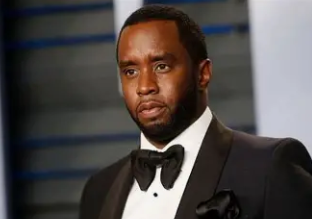
Diddy’s story offers a financial principle that extends far beyond entertainment. When a portfolio’s value is overwhelmingly derived from the reputation of a single individual, reputational collapse creates systemic risk. Every asset becomes correlated. Every revenue stream carries the same counterparty risk, which is the name attached to it.
Compare this to Jay-Z’s portfolio structure. Jay-Z owns equity in brands and companies that can operate independently of his personal involvement. Armand de Brignac doesn’t require Jay-Z to appear at events to maintain its market position. Roc Nation has a CEO and management structure that functions whether Jay-Z is in the room or not.
Structure Exposed
Combs’ portfolio was more dependent on his physical presence, his social capital, and his name recognition as an active asset. When the name became associated with criminal conduct rather than luxury aspiration, the entire structure was exposed. McKinsey’s framework for enterprise risk would categorize this as concentration risk, the kind that looks manageable until it isn’t.
The mogul who once rivaled Jay-Z now sits in the Metropolitan Detention Center. His remaining $400 million is substantial by any normal measure. But measured against what he built, what he lost, and what he still stands to lose through civil litigation, the number feels less like a fortune and more like a starting point for the lawyers.
This article is part of Social Life Magazine’s Mogul Tier series within our 90s Music Icons collection. Updated as legal proceedings develop.
Read next: What Jay-Z Understands About Money That Other Musicians Don’t | Every 90s Icon Who Sold Their Catalog
Want to feature your brand alongside stories like this? Contact Social Life Magazine about partnership opportunities. Join us at Polo Hamptons this summer. Subscribe to the print edition or join our email list for exclusive content. Support independent luxury journalism with a $5 contribution.
Author

Written by
Recent Posts
How to Measure Whether a Hair Loss Treatment Is Working
Is Online Psychiatry Covered by Insurance? What to Know Before Booking
Four Habits of Quietly Successful Entrepreneurs

The Most Common Preventable Health Concerns Doctors See Today
What Affects a Rideshare Injury Settlement?
Categories
- Art
- Articles
- Business of Luxury
- Celebrities
- Culture
- Entertainment
- Events
- Faces of Summer 2026
- Fashion
- Fashion & Style
- Featured
- Finance
- Food, Spirits, Wine
- Hamptons
- Hamptons Celebrities
- Health
- Health & Beauty
- Lifestyle
- Luxury Lifestyle
- Press
- Profiles
- Real Estate
- Technology
- The Chronicles
- Travel
- Uncategorized
- Weddings