
The Reunion Everyone Saw Coming Just Got Real
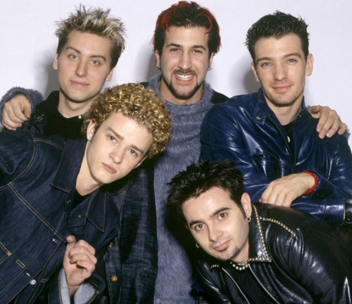
For two decades, the question wasn’t if NSYNC would reunite. It was when. Now the when looks a lot like 2026. Joey Fatone recently told Parade he wants details “hopefully freaking soon,” adding that after his Broadway run wraps in March, it’s time to “sit down and have a conversation.” Meanwhile, TMZ reported that four of the five members have been in serious talks with promoters AEG and Live Nation about an arena tour, with or without Justin Timberlake.
The math behind that conversation is staggering. And it tells a much bigger story than five guys getting back on a stage.
Where Each Member’s Net Worth Stands Right Now
Justin Timberlake sits at roughly $250 million, the beneficiary of a solo career that generated ten Grammy Awards, a film career, and a tequila brand. JC Chasez holds an estimated $16 million, mostly from songwriting and production work behind the scenes. Lance Bass comes in around $25 million, bolstered by media ventures and real estate. Joey Fatone sits near $10 million from hosting gigs and Broadway. Chris Kirkpatrick rounds out at roughly $10 million.

The gap between Timberlake and everyone else is the entire story of what happened to boy bands in the 90s. Five kids from Orlando generated an estimated $2 billion in revenue between 1996 and 2002. One of them captured a quarter-billion-dollar fortune. The other four split roughly $60 million combined.
The Reunion Tour Revenue Model
A full five-member NSYNC arena tour in 2026 could gross between $200 million and $400 million, based on comparable reunion economics. The Backstreet Boys’ DNA World Tour grossed over $200 million. New Kids on the Block’s Mixtape Tour moved $150 million in tickets across two runs. Spice Girls’ 2019 reunion grossed $78 million from just 13 stadium dates in the UK alone.
NSYNC has a structural advantage over all of them. Their catalog includes “Bye Bye Bye,” “It’s Gonna Be Me,” “Tearin’ Up My Heart,” and “I Want You Back,” songs that McKinsey’s entertainment research classifies as perennial streaming hits with multi-generational reach. The nostalgia market for late-90s pop currently outperforms every other era in touring revenue per capita.
Even a four-member tour without Timberlake could clear $100 million to $150 million at the arena level, according to promoter estimates reported by TMZ. That would make it the most financially significant boy band reunion since Take That’s 2006 comeback, which grossed over $300 million across multiple legs.
How Reunion Economics Actually Work
Touring revenue splits differently from recorded music. In a standard headline arrangement, the act keeps 85 to 90 percent of net ticket revenue after venue costs. Merchandise adds another 15 to 25 percent on top. For a five-way split on a $300 million gross, each member could pocket $30 million to $45 million before taxes and management fees.
That single tour would more than double the net worth of Bass, Fatone, and Kirkpatrick overnight. For Chasez, it would triple his current position. Even for Timberlake, an additional $40 million represents a meaningful portfolio event, roughly equivalent to what he’d earn from three years of his solo touring schedule.
Then there’s the multiplier effect. Reunion tours don’t just sell tickets. They reactivate catalog streams by 200 to 500 percent during the touring window, according to Harvard Business Review’s analysis of music industry comeback cycles. They drive merchandise licensing, brand partnerships, and documentary deals. The Spice Girls’ 2019 reunion generated an estimated $50 million in ancillary revenue beyond ticket sales.
The Timberlake Variable
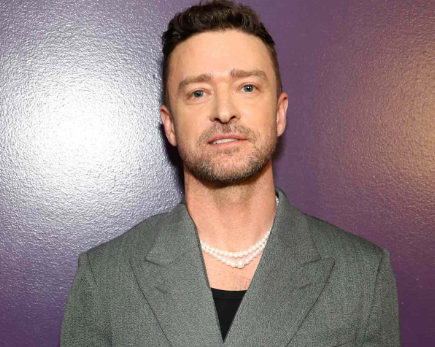
Here’s where it gets interesting. Timberlake’s absence from reunion talks isn’t just about scheduling or Lyme disease recovery. It’s about leverage asymmetry. He doesn’t need the financial event. The other four do. That dynamic creates a negotiation puzzle that mirrors what happens in every private equity roll-up: the majority holder has to decide whether the synergy premium justifies the dilution of their solo brand.
Lance Bass added another layer in 2024 when he claimed on Bravo’s “Watch What Happens Live” that Sean “Diddy” Combs, who opened for NSYNC on their 2002 Celebrity tour, had encouraged Timberlake to go solo. Whether true or not, the comment underscored a two-decade tension that reunion promoters have to navigate carefully.
The smart money says Timberlake joins for a limited run of premium dates. Fifteen to twenty arena shows in major markets, priced at a Timberlake premium, then the other four continue with a longer secondary leg. That structure lets everyone win. Timberlake protects his solo brand. The other four get their financial event. Promoters sell two tours’ worth of tickets under one banner.
What This Tells You About the Reunion Economy
The second-act economy for 90s artists has never been stronger. Nostalgia isn’t a sentiment anymore. It’s an asset class. Artists who peaked between 1995 and 2005 are sitting on catalog value, brand equity, and audience loyalty that compounds with time instead of decaying.
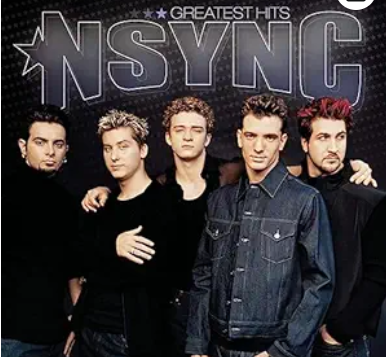
The NSYNC reunion, whenever it materializes, won’t just be a concert tour. It’ll be a case study in how dormant cultural assets appreciate when the holders finally agree to unlock them. For the four members who spent two decades in Timberlake’s financial shadow, it’s a wealth creation event that makes everything else they’ve done since 2002 look like a rounding error.
For fans, it’s a concert, for the industry, it’s a blueprint. For anyone watching how fame converts to money over a thirty-year arc, it’s the most instructive chapter in the entire 90s music story.
Related: 90s Music Icons Net Worth 2026: The Biggest Stars of the Decade | The Boy Band Economy: NSYNC, BSB, and the $2B Machine Nobody Owned
Want to feature your brand alongside stories like this? Contact Social Life Magazine about partnership opportunities. Join us at Polo Hamptons this summer. Subscribe to the print edition or join our email list for exclusive content. Support independent luxury journalism with a $5 contribution.
Author

Written by
Recent Posts
7 Mindful Meal Prep Tips for Stop Food Waste Day

Rebecca Ferguson Net Worth: The Advantage of Not Being the Lead
What Makes a Dinner Party Truly Unforgettable (Hint: It’s Not the Food)
Tips for Managing Grease and Oil in Everyday Dishwashing
Austin Butler Net Worth: The Method Actor in a Post-Method World
Categories
- Art
- Articles
- Beauty & Skincare
- Celebrities
- Celebrities|Entertainment
- Celebrities|Television
- Celebrities|The Chronicles
- celebrities|the-archive
- Chronicles
- Entertainment|Culture
- Event Photos
- Events
- Fashion
- Fashion & Style
- Featured
- Food & Beverage
- Food, Spirits, Wine
- Hamptons
- Hamptons Celebrities
- Hamptons Celebrities|Celebrities|The Chronicles
- Health
- Health & Beauty
- Lifestyle
- Luxury Lifestyle
- Movies
- Press
- Profiles
- Real Estate
- Technology
- The Chronicles
- Travel
- Uncategorized
- Weddings