
Modern education often spends too much time chasing test scores while ignoring the foundational qualities that actually determine the long-term success of the nation’s 50 million schoolchildren. While high marks in math and science look great on paper, they mean very little if a student lacks the resilience to handle failure or the ethical grounding to treat peers with respect.
Building a child’s character is not a passive process that happens by accident during recess. It requires an intentional, structured environment in which values such as responsibility and accountability are woven directly into the daily curriculum.
There are thousands of students navigating classrooms every day who struggle to manage simple social dynamics or bounce back from minor setbacks. This reality has forced a massive shift in how parents evaluate schools, turning the focus toward institutions that view personal development as a core academic requirement rather than an optional afterthought.
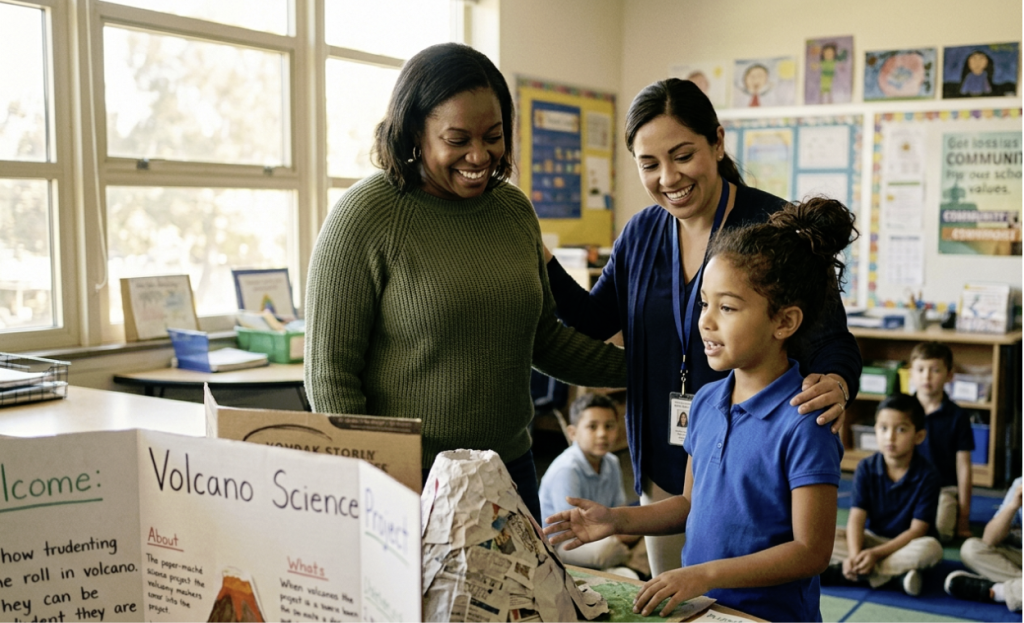
How Structural Support Shapes Student Identity
Children spend the majority of their waking hours inside school buildings, making the campus environment the primary testing ground for their emerging identities. When schools establish clear, unwavering behavioral expectations, they provide a psychological safety net that allows children to take healthy risks and build genuine self-confidence.
A recent January 2026 report highlighted an intensifying deficit in basic life skills and emotional regulation among early learners, proving that modern schools must actively step in to teach these foundational traits. This data underscores why parents can no longer rely solely on academic instruction to prepare their children for the real world.
True character education goes far beyond hanging motivational posters in the hallways or holding occasional assemblies about kindness. It manifests in the way teachers handle playground disputes, the way leadership opportunities are distributed, and the way accountability is maintained in the classroom.
In environments like Legacy Traditional School Cadence the focus centers on establishing strong parent partnerships and structured character development programs to ensure that the values taught at home are consistently reinforced throughout the school day. When a child experiences the exact same standards of respect and responsibility from both their parents and their teachers, those traits quickly transition from rules they must follow into a core part of who they are.
This unified approach prevents the moral confusion that often occurs when a child’s home life and school life operate on completely different wavelengths. It establishes a reliable framework in which positive behaviors are recognized and negative actions are corrected through constructive mentorship.
The Measurable Impact of Whole-School Character Initiatives
When an entire school community commits to a culture of accountability, the benefits extend far beyond improved behavioral metrics. A comprehensive 2026 study reviewing three million pupils found that schools explicitly recognized for character education consistently exceed academic expectations, proving a direct link between ethical development and scholastic achievement. This connection exists because students who develop high self-efficacy and strong internal motivation are inherently better equipped to handle academic pressure and intellectual frustration.
When you teach a child to persevere through a difficult social situation or to take ownership of a mistake, you are simultaneously teaching them to tackle a complex academic concept without giving up. This holistic development requires a deliberate framework that integrates communal virtues into every facet of the school day.
Successful school communities typically rely on specific cultural pillars to cultivate these essential life skills:
- Peer mentorship programs that pair older students with younger peers to model positive social behaviors and leadership
- Public recognition systems that celebrate acts of integrity, citizenship, and personal responsibility alongside traditional academic honors
- Consistent restorative justice practices that encourage students to understand the impact of their actions and actively repair community relationships
By implementing these structural elements, schools move away from temporary compliance and toward deep internal transformation. Students learn to navigate complex social environments not because they fear punishment, but because they genuinely value their standing within the community.
Active Mentorship and the Power of Positive Peer Dynamics
Isolation is the enemy of character development, just as building a professional network is important for adults looking to further their careers. Children learn who they are by observing the people around them and testing boundaries within their immediate peer groups. If a school culture tolerates exclusion, entitlement, or academic apathy, even students from the most supportive homes will eventually succumb to those negative influences. Conversely, a school community that celebrates mutual respect and collective accountability lifts every student to a higher standard of conduct.
Teachers play a pivotal role in this dynamic by acting as active mentors rather than passive proctors. When an educator takes the time to guide a student through a difficult interpersonal conflict rather than simply issuing a detention, they demonstrate what real-world conflict resolution looks like. This active guidance helps students internalize core moral values rather than treating them as a compliance exercise, which is crucial for long-term emotional maturity.
These daily micro-interactions between faculty and students form the actual bedrock of a school’s culture. Over time, these moments accumulate, transforming a basic educational institution into a transformative community that equips children with the psychological and emotional tools necessary to navigate the complexities of adulthood with confidence.
Cultivating Long-Term Resilience Beyond the Classroom
The ultimate test of any school community is how its students perform when no one is watching them. True confidence does not come from a superficial sense of superiority or unearned praise; it comes from real, demonstrated competence and the knowledge that one can survive failure.
By creating environments that demand personal responsibility while providing the communal support needed to meet that responsibility, modern schools prepare students for challenges that extend far beyond the final exam. Our site has lots more insights on modern life, so don’t go anywhere if you’ve got another area of interest that needs satisfying.
Author

Written by
Recent Posts

Dalia Forman Design

Alberto Luzzi
How to Pick a Homecoming Dress for Your Body Type and Feel Amazing in It
How to Prepare a Home for Sale When Major Repairs Are Not Affordable
From Everyday Comfort to Personal Style: My SHEIN Slipper Habit
Categories
- Art
- Articles
- Business of Luxury
- Celebrities
- Culture
- Entertainment
- Events
- Faces of Summer 2026
- Fashion
- Fashion & Style
- Featured
- Finance
- Food, Spirits, Wine
- Hamptons
- Hamptons Celebrities
- Health
- Health & Beauty
- Lifestyle
- Luxury Lifestyle
- Press
- Profiles
- Real Estate
- Technology
- The Chronicles
- Travel
- Uncategorized
- Weddings