
Three office parties, a friend’s birthday dinner, a cookie swap, and a family gathering, all in the same week. For many professionals, December looks exactly like this. By the second weekend, the excitement often turns into quiet dread. That heavy, depleted feeling has a name: social burnout. It happens when a packed calendar asks for more energy than you can recover between events. The good news is that small changes in how you plan, attend, and recharge can make the busiest stretch of the year feel manageable again.
What Does Social Burnout Feel Like?
Social burnout is a state of emotional and physical exhaustion caused by more social contact than you can comfortably sustain. It differs from ordinary tiredness after a late night. The fatigue lingers, and it often shows up before an event even starts. Common signs include:
- Dreading plans you once looked forward to
- Feeling irritable or flat in conversations
- Canceling at the last minute more often
- Needing a full day alone after one evening out
- Sleeping poorly around big events
These signs do not mean you dislike people. They usually mean your schedule no longer leaves room for rest. Introverts may notice the drain sooner, but extroverts feel it too when the pace stays high for weeks.
Why Do Year-End Invitations Pile Up So Fast?
Invitations multiply at the end of the year because nearly every group you belong to wants to celebrate in the same few weeks. Work teams, clients, friends, school communities, and relatives all compete for the same Friday and Saturday nights. Each invite feels small on its own. Together, they can fill every free evening from Thanksgiving to New Year’s Day.
Busy professionals feel this squeeze most because party season overlaps with year-end deadlines, budget reviews, and travel. When the week has no buffer left, even fun events start to feel like obligations. Short recovery habits can help. Many stress relief tips that fit into any busy lifestyle take only minutes, so they work between meetings or right before an evening out.
What Makes Holiday Work Parties So Tricky?
Holiday work parties are tricky because they mix personal and professional pressure in one room. You may feel you need to attend to stay visible, stay late to seem engaged, and hold a drink to seem relaxed. Skipping any part of that can feel like a career risk, even when it is not.
Alcohol adds another layer. Open bars and toasts are standard at many company events, and coworkers often expect everyone to join in. For people in recovery, or anyone cutting back, that pressure can turn a festive evening into a test of willpower. Planning ahead makes a real difference, and knowing how to handle triggers at holiday work parties can shape when you arrive, what you order, and when you leave.
How Can You Say No Without Feeling Guilty?
You can say no without guilt by treating your energy as a limited resource rather than a personal failing. Holiday stress is common, not proof that you are doing the season wrong. In fact, the American Psychological Association reports that even a joyous holiday season can cause stress for most Americans, which makes pulling back a reasonable choice.
A simple filter helps before you accept anything. Ask yourself three questions:
- Will I enjoy this, or only feel relieved when it ends?
- Does this event matter to someone I care about?
- Do I have time to recover the next day?
If the answers lean negative, a short, warm decline is enough. “I can’t make it this time, but I’d love to catch up in January” keeps the friendship intact without a long explanation. For work events, a brief appearance often counts as much as a full evening. Thirty minutes of real conversation with your team usually leaves a better impression than three tired hours by the bar.
How Can You Enjoy the Events You Do Attend?
You can enjoy the events you keep by setting a plan before you walk in. Pick an arrival time, a rough departure time, and one or two people you truly want to see. A clear exit point turns an open-ended night into something you can handle.
What you drink matters too. Alcohol can disrupt sleep, and poor sleep makes a busy week feel heavier. Alcohol-free options now appear at many parties, and the question of whether mocktails can change the way we socialise is already playing out at holiday tables. A sparkling drink in hand also cuts down on repeated offers from generous hosts.
How Do You Recharge Between Events?
Recharging works best when you schedule it instead of leaving it to chance. Block at least one quiet evening a week, the same way you would block a meeting. Use it for something that restores you, such as a long walk, a home-cooked dinner, or an early night with a book. Then lean on small routines during the busiest weeks:
- Keeping regular sleep and wake times
- Eating a real meal before evening events
- Stepping outside for daylight during the workday
- Limiting late-night scrolling after parties
Rest is not a reward you earn once the season ends. Treat it as maintenance, because the case for mental health and the importance of self-care holds just as true in December as in any quieter month.
Choose Fewer Plans and Enjoy Them More
A full calendar can look like a great season, but it only feels that way when you have the energy to show up. Social burnout is a signal to adjust, not a sign that something is wrong with you. Say yes to the events that matter, plan your exits, and guard the quiet evenings in between. Open your calendar this week, choose one commitment to drop or shorten, and notice how much lighter the rest of the month feels.
Author

Written by
Recent Posts
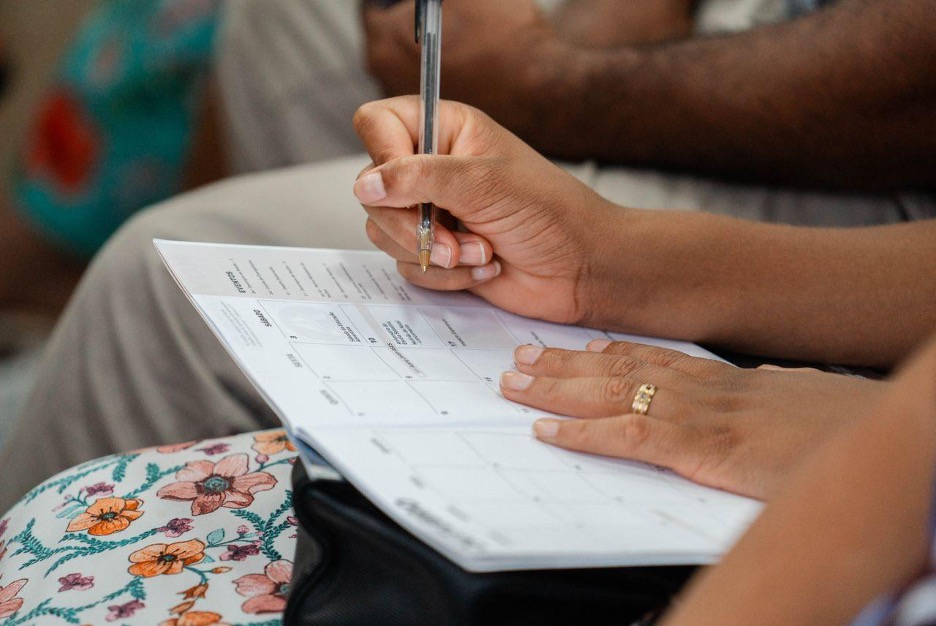
Is Your Social Calendar Draining You?

Why Your Iceland Road Trip Should Start at Keflavík Airport
What Makes a Dress Cocktail-Appropriate? Length, Fit, and Styling Considerations

Jackie Tohn and Foodgod Join Chef Eric Greenspan for CHAIN and Absolut Tabasco’s “Hottest Brunch” at Mish Deli
Dr. Elena Alvarez-Henry Celebrated at Star-Studded Miami Gala
Categories
- Art
- Articles
- Business of Luxury
- Celebrities
- Culture
- Entertainment
- Events
- Faces of Summer 2026
- Fashion
- Fashion & Style
- Featured
- Finance
- Food, Spirits, Wine
- Hamptons
- Hamptons Celebrities
- Health
- Health & Beauty
- Lifestyle
- Luxury Lifestyle
- Press
- Profiles
- Real Estate
- Technology
- The Chronicles
- Travel
- Uncategorized
- Weddings