
You brush your teeth every morning, floss when you remember, and occasionally use mouthwash. That sounds like a pretty decent oral hygiene routine, right? Well, you might be overlooking a few things that could make a difference to your dental health.
Good oral hygiene involves more than keeping your teeth clean and your breath fresh. Your gums, tooth enamel, and even the products you use deserve attention. Small habits that seem harmless can gradually affect your teeth, particularly when they’re repeated every day.
Fortunately, improving your routine doesn’t have to involve expensive treatments or complicated products. Sometimes, it’s simply a matter of understanding what your mouth needs and making a few practical changes.
Here are some commonly overlooked aspects of oral hygiene worth paying attention to.
Are You Brushing Your Teeth Properly?
Scrubbing your teeth aggressively might seem like a good way to remove stubborn plaque. Unfortunately, applying too much pressure can irritate your gums and contribute to enamel wear over time.
Instead, use a soft-bristled toothbrush and gentle, circular movements. Position the bristles toward your gumline, where plaque commonly collects, and take your time cleaning each tooth.
A few other brushing habits deserve attention:
- Brush for two minutes: Give yourself enough time to clean every surface rather than rushing through the process.
- Replace worn toothbrushes: Frayed bristles become less effective at cleaning teeth and may irritate your gums.
- Clean your back teeth: Molars have grooves where food particles and plaque can accumulate.
- Avoid brushing immediately after acidic foods: Give your saliva time to help neutralize acids before brushing.
Don’t Forget the Spaces Between Your Teeth
Even the most careful brushing routine can’t thoroughly clean every space between your teeth. These narrow areas can trap food particles and plaque, creating conditions that contribute to cavities and gum inflammation.
Flossing helps clean the surfaces your toothbrush cannot easily reach. However, technique matters here, too.
Rather than snapping floss between your teeth, gently guide it along the side of each tooth, curve it into a C shape, and move it beneath the gumline without forcing it.
If traditional floss feels awkward, consider other interdental cleaning tools.
Interdental brushes can work well for wider gaps, while water flossers may be useful for people with braces or certain dental restorations.
The best option depends on the spacing between your teeth and your individual dental needs. Your dentist or hygienist can help you choose an appropriate tool.
Consistency matters more than using the most expensive equipment.
Your Toothpaste Ingredients Deserve More Attention
Fluoride remains a widely recommended ingredient because it helps strengthen enamel and protect against tooth decay.
Another ingredient receiving attention in oral care is nano-hydroxyapatite, often abbreviated as nHAp.
Hydroxyapatite is a mineral naturally found in tooth enamel. Nano-hydroxyapatite formulations use very small particles of this mineral, which are being studied for their potential to support enamel remineralization and reduce tooth sensitivity.
For example, Dr. Jen Natural specializes in dentist-developed, science-driven oral health formulations centered on high-purity nano-hydroxyapatite.
People interested in learning about this ingredient can review the nano-hydroxyapatite toothpaste options available from Dr. Jen Natural. Shop Now to find the best formulation.
But if you’re considering changing from fluoride toothpaste, discuss the decision with your dentist, particularly if you’re prone to cavities.
You Might Be Overlooking Your Gums and Tongue
Gums help protect and support your teeth. When plaque accumulates around the gumline, inflammation can develop, sometimes causing redness, swelling, or bleeding.
Bleeding when brushing or flossing shouldn’t automatically be dismissed as normal. If it continues, arrange a dental appointment to investigate the cause.
Your tongue also deserves attention.
Its textured surface can collect bacteria and food debris that contribute to unpleasant breath.
Gently cleaning your tongue with a toothbrush or tongue scraper may help remove this buildup. There’s no need to scrub aggressively or repeatedly scrape the same area.
Another commonly overlooked factor is dry mouth.
Saliva helps wash away food particles, neutralize acids, and protect teeth. When your mouth becomes consistently dry, your risk of dental problems can increase.
Drinking water regularly, limiting frequent alcohol consumption, and addressing persistent mouth dryness can help support your oral health.
Your Eating and Drinking Habits Matter
Your oral hygiene routine doesn’t stop when you put down your toothbrush. What you eat and drink throughout the day affects the environment inside your mouth.
Frequent sugary snacks provide fuel for bacteria that produce acids. Repeated acid exposure can gradually weaken enamel, increasing the risk of cavities.
Acidic drinks, including soda and citrus juices, can also contribute to enamel erosion.
You don’t necessarily need to eliminate every sweet or acidic food. Instead, pay attention to how often your teeth are exposed to acid.
Try these practical changes:
- Drink water after meals to help rinse away food debris.
- Avoid constantly sipping sugary or acidic drinks throughout the day.
- Choose balanced meals rather than repeatedly snacking on sweets.
- Chew sugar-free gum when appropriate to encourage saliva production.
Remember that whitening products and highly abrasive cleaning methods aren’t substitutes for healthy enamel. Protecting your teeth should come before chasing a brighter appearance.
Regular Dental Visits Still Have a Place
It’s easy to assume that healthy-looking teeth don’t require professional attention. However, dental problems don’t always cause noticeable discomfort early on.
A dentist can identify developing cavities, gum inflammation, enamel damage, and other concerns that might otherwise go unnoticed.
Professional cleanings can also remove hardened tartar that ordinary brushing and flossing cannot eliminate.
The appropriate frequency of dental appointments varies depending on your oral health and individual risk factors.
If you experience persistent sensitivity, bleeding gums, tooth pain, or unexplained changes in your mouth, don’t wait for your next routine appointment to seek advice.
Final Thoughts
A healthy oral hygiene routine involves more than brushing twice daily and occasionally reaching for the floss.
Your brushing technique, toothpaste ingredients, gum health, eating habits, and regular dental appointments all contribute to keeping your mouth healthy.
Fortunately, improving these habits doesn’t require changing everything overnight.
Start by examining your current routine. Are you cleaning between your teeth consistently? Are you brushing too aggressively? Do you understand what your toothpaste contains?
Choose one area that needs attention and work on it until the habit becomes natural.
Small, thoughtful improvements can make your daily dental care more effective and help protect your smile for years to come.
Author

Written by
Recent Posts

The Hamptons-Inspired Guest Room: 9 Ways to Make Summer Visitors Feel Like VIPs
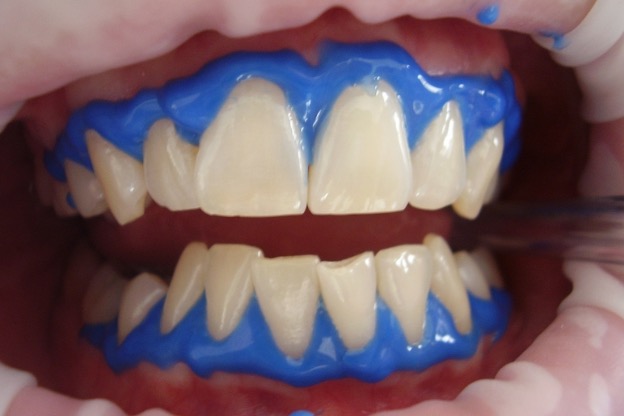
What Your Oral Hygiene Routine Might Be Missing
How to Dress for Dubai in Winter: From Warm Days to Cool Evenings
Solving Desk Posture Strain: Features to Look for in Executive Massage Workseats

6 Ways Historic Locations Are Creating New Hospitality Opportunities
Categories
- Art
- Articles
- Business of Luxury
- Celebrities
- Culture
- Entertainment
- Events
- Faces of Summer 2026
- Fashion
- Fashion & Style
- Featured
- Finance
- Food, Spirits, Wine
- Hamptons
- Hamptons Celebrities
- Health
- Health & Beauty
- Lifestyle
- Luxury Lifestyle
- Press
- Profiles
- Real Estate
- Technology
- The Chronicles
- Travel
- Uncategorized
- Weddings