
How Persona Becomes a Business Asset
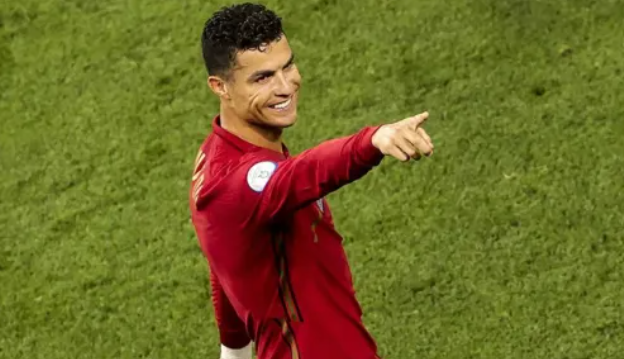
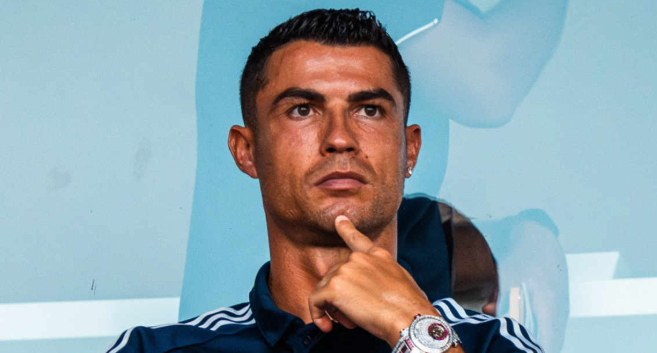
Cristiano Ronaldo trademarked “CR7” in 2007. Not a nickname. A business asset. Most athletes let their names become public property, available for anyone to reference without compensation. Ronaldo built legal walls around his identity and then licensed access strategically across underwear, hotels, gyms, fragrances, and restaurants. The trademark now generates revenue entirely independent of his athletic performance.
This is the character capital model that separates celebrities who fade with their primary career from those who build wealth that compounds independently. The most valuable celebrity asset is not talent, beauty, or connections. It is a sharply defined character that functions as a trademark: instantly recognizable, legally protectable, and licensable across infinite categories. According to McKinsey’s brand valuation research, celebrity personas that achieve trademark-level distinctiveness command 3–5x higher licensing premiums than undifferentiated celebrity endorsements.
What follows is a breakdown of how character capital actually functions, who has built it most effectively, and how to construct a persona that operates as a depreciable business asset at every wealth level—from the emerging creator defining their character before the market does it for them, to the dynasty whose character IP generates value across generations.
How Persona Becomes a Licensable Asset
Cristiano Ronaldo: $1.4B Through CR7 Trademark Architecture
Cristiano Ronaldo’s wealth structure demonstrates character capital at its most sophisticated. His Nike lifetime deal, reportedly worth over $1B, includes equity components that most coverage overlooks. Unlike standard endorsement deals that pay flat fees for appearances, Ronaldo’s structure includes participation in products sold under his brand association.
The CR7 trademark extends across categories that have nothing to do with football: hotels in Lisbon and New York, a denim line, fragrances, and a fitness franchise concept. Each extension licenses the same character asset—the perfectionist, the winner, the physical ideal—into a new category. Furthermore, the character continues generating value as Ronaldo’s athletic prime fades. CR7 hotels do not require him to play football, and the fragrance line does not require him to score goals. This is the character capital model creating the ownership inflection point where the persona works independently of the person.
Character Actor Net Worth: Persona as Competitive Moat
The character actor net worth data reveals the same principle operating at smaller scale with remarkable consistency. Jeff Goldblum’s eccentric intellectualism, Willem Dafoe’s menacing intensity, Stanley Tucci’s sophisticated warmth—each functions as a recognizable brand that commands premium pricing decade after decade.
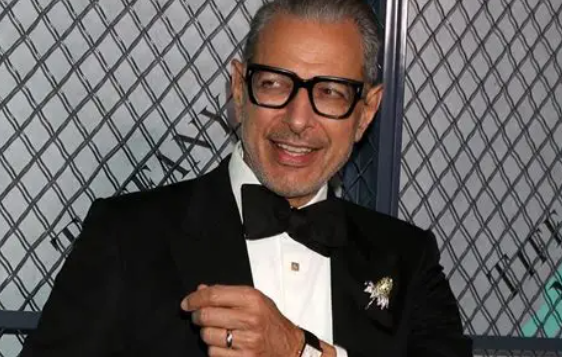
The structural insight is substitutability. Leading actors compete for the same roles based on availability, price, and current box office performance. Character actors with distinctive personas face no competition because there is no substitute for their specific character. When a director needs “Jeff Goldblum energy,” no other actor can provide it. Consequently, according to Harvard Business Review’s career strategy analysis, professionals who build distinctive personal brands earn 20–40% premiums over peers with equivalent skills but undifferentiated positioning. The character actors who built $25–40M fortunes did so precisely because their persona was impossible to substitute. In strategic terms, they created a moat through differentiation rather than scale.
Dwayne Johnson: $800M From Wrestling Persona to Business Empire
Dwayne Johnson’s trajectory illustrates character capital migration across platforms. “The Rock” was a wrestling character—a persona designed for entertainment value with deliberately exaggerated traits. Johnson did not abandon that character when transitioning to film and business. He refined it, keeping the charisma and physical dominance while adding accessibility and humor.
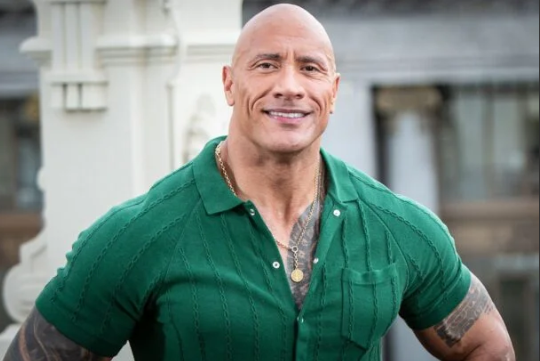
The character now licenses across Seven Bucks Productions (his production company), Teremana Tequila, ZOA Energy, and Under Armour partnerships. Each venture draws on the same character asset: the hardest worker in the room, the self-made success, the authentic entertainer. Consequently, Johnson’s $800M fortune does not depend on his continued acting. The character operates his businesses, appears in his marketing, and generates value whether he is on set or not. The platform migration was not from wrestling to film. It was from performance-dependent income to character-capital-dependent income.
Michael Jordan: $3.5B and the Perpetual Character License
Michael Jordan’s wealth structure represents character capital at dynasty scale. Jordan Brand generates over $5B in annual revenue for Nike, with Jordan receiving royalties estimated at $100M+ annually. He has not played professional basketball since 2003. The character—the competitor, the winner, the standard of excellence—continues generating value two decades after the athletic career ended.
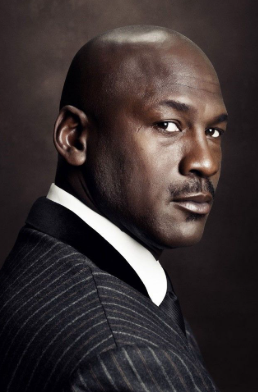
The structural achievement is perpetuity. Jordan Brand does not need Michael Jordan to play basketball. It needs the character to remain culturally relevant, which requires minimal active participation from Jordan himself. According to Bain & Company’s brand longevity research, character-based celebrity brands maintain value 3–4x longer than performance-based celebrity brands after the underlying career ends. In other words, Jordan understood this distinction and structured his Nike relationship accordingly. The result is a $3.5B fortune that compounds regardless of his physical capabilities or active involvement.
Kendall Jenner: $90M Through Strategic Character Differentiation
Kendall Jenner’s positioning demonstrates character capital through deliberate differentiation from family brand. While other Kardashian-Jenners maximized visibility and brand extensions, Kendall cultivated a character defined by relative restraint, high-fashion credibility, and selective appearances.

The character strategy commanded premium positioning. Estée Lauder, Calvin Klein, and runway bookings that would not extend to family members with higher visibility but lower fashion credibility. Similarly, her 818 Tequila launch leveraged the differentiated character—aspirational but accessible, famous but not overexposed—rather than the family’s ubiquitous brand identity. The $90M fortune exists because Kendall’s character occupies distinct market territory. She built a moat not by being more Kardashian but by being strategically less Kardashian in specific dimensions that fashion and luxury brands value.
How Character Capital Applies at Every Wealth Level
Character capital operates at every scale. The difference is which elements of persona are protectable at your current level and what type of character architecture provides the highest licensing potential. Meanwhile, the common mistake is allowing the market to define your character rather than defining it deliberately and protecting it legally.
Tier 1: Emerging ($1M–$10M)
Define your character before the market defines it for you. Trademark it. At this tier, specifically, every element of your public persona should be a protectable, licensable asset from day one. Register the name, the catchphrases, the visual identity. The cost of trademark protection is minimal relative to the value it preserves. Chappell Roan’s distinctive aesthetic and persona were defined deliberately, not accidentally. The character existed before the success, which meant the success reinforced a protectable asset rather than creating an uncontrolled public perception.
Tier 2: Established ($10M–$100M)
License the character into categories where it adds measurable value. Gordon Ramsay’s “demanding excellence” character sells restaurants, cookware, and television shows simultaneously. At this tier, furthermore, the strategic question is category fit: which products and services benefit from association with your specific character? The licensing should feel authentic to audiences—an extension of the character rather than a random endorsement. The brand extension ladder climbs faster when extensions reinforce the character rather than dilute it through incoherent category choices.
Tier 3: Mogul ($100M–$500M)
The character operates independently of your active participation. Jordan Brand does not need Michael Jordan to play basketball. It needs the character to remain culturally relevant. At this tier, the strategic goal is building character infrastructure that generates revenue without requiring your presence. Consequently, the character must be documented, managed, and protected by teams who understand how to deploy it consistently across contexts. You become the guardian of the character rather than its sole operator.
Tier 4: Dynasty ($500M–$5B+)
Intergenerational character IP. The Disney model demonstrates the terminal point: Walt Disney’s character and vision generates $200B+ in enterprise value sixty years after his death. At this tier, the character must be structured to outlive its creator. According to McKinsey’s family office research, intergenerational character IP requires formal governance structures, documented brand guidelines, and legal frameworks that protect the character from dilution by heirs who may not understand its value. The dynasty question is not just wealth transfer but character transfer.
Why Character Capital Is Appreciating
Three forces are making distinctive character more valuable and undifferentiated celebrity less valuable than ever before.
First, content saturation has increased the premium for recognizability. When audiences scroll through infinite content options, distinctive characters cut through faster than generic celebrities. According to Bain & Company’s attention economy research, character-based content generates 2–3x higher engagement than personality-based content because characters are instantly recognizable while personalities require context.
Second, the PE premium on celebrity brands increasingly values character distinctiveness. Private equity acquirers pay higher multiples for brands with defensible character positioning than for brands built on generic celebrity association. The CR7 trademark creates acquisition value that a generic “Ronaldo endorsement” would not because the character is protectable and licensable independently.
Third, AI and synthetic media are making character protection more important. As AI enables creation of celebrity likenesses, legally protected character assets become the only defensible position. The celebrities who trademarked their personas will have legal recourse against AI exploitation. The celebrities who let their identity remain public property will not. Character capital is increasingly the only celebrity asset that cannot be replicated without permission.
What This Means for Your Next Move
Your public persona is either a protected asset generating licensing revenue or an uncontrolled perception generating value for others. There is no neutral ground. Every appearance, every statement, every visual choice either reinforces a protectable character or dilutes an unprotected one.
Consider the characters who populate the Hamptons, who appear in Social Life Magazine, and who convene at Polo Hamptons. The wealth that compounds across generations is not attached to personalities. It is attached to characters—distinctive, protectable, licensable assets that operate independently of their creators’ active participation. The scarcity inversion applies here too: the characters who appear rarely but distinctively command premiums that ubiquitous personalities cannot match.
Up next in The Chronicles: the complete framework synthesized. The Fame-to-Fortune synthesis integrates all twelve structural insights into a unified model for converting celebrity into generational wealth—the complete playbook from first dollar to dynasty.
Continue Reading The Chronicles
→ Michael Jordan Net Worth: How Character Capital Built a $3.5 Billion Fortune
The brands featured in Social Life Magazine understand character capital. They build distinctive positioning that commands premium licensing. For features, advertising, and strategic collaborations: sociallifemagazine.com/contact
Polo Hamptons is where distinctive characters convene. The room recognizes character capital and rewards it with deal flow. Tickets and sponsorships: polohamptons.com
The best deals in the Hamptons happen before they are announced. Our list hears first. Subscribe to the Social Life insider briefing.
25,000 copies per summer issue reach every boutique from Westhampton to Montauk. 15,000 fall/winter editions land in Upper East Side doorman buildings. Print subscription →
Independent media tracking character capital, persona licensing, and the economics of distinctive fame. Support The Chronicles — $5 keeps it free for everyone.
Author

Written by
Recent Posts
hiTechMODA Season 16
How to Keep Your Personal Number Private When Booking Events, Rentals and Services
Understanding Compensatory Damages in a Personal Injury Case

When Online Family Therapy Makes Sense for Modern Families

Carrier Oils, Essential Oils, and Oil Blends: What Beauty Brands Need to Know
Categories
- Art
- Articles
- Business of Luxury
- Celebrities
- Culture
- Entertainment
- Events
- Faces of Summer 2026
- Fashion
- Fashion & Style
- Featured
- Finance
- Food, Spirits, Wine
- Hamptons
- Hamptons Celebrities
- Health
- Health & Beauty
- Lifestyle
- Luxury Lifestyle
- Press
- Profiles
- Real Estate
- Technology
- The Chronicles
- Travel
- Uncategorized
- Weddings