
The 90s Record Deal: How Labels Turned Superstars Into Sharecroppers
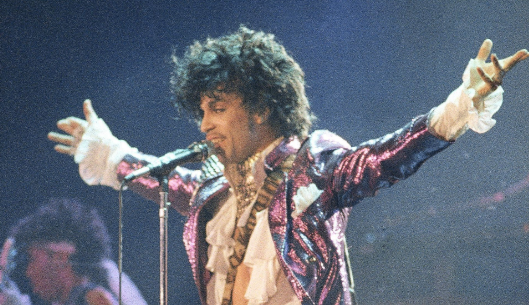
“If you don’t own your masters, your master owns you.” Prince wrote that on his face in 1993. The music industry laughed. Three decades later, nobody’s laughing. The 90s record deal wasn’t just unfair. It was a wealth extraction system so efficient that it makes private equity look gentle.
The decade that gave us the CD boom, the biggest-selling albums in history, and roughly $40 billion in global recorded music revenue was built on a contract structure that systematically funneled wealth away from the people who created it. This is the anatomy of how it worked, who it destroyed, and why its consequences are still reshaping the industry today.
The Standard Deal: A Financial Architecture of Extraction
A typical 90s major label recording contract looked like this: the artist received a royalty rate of 7% to 12% of the retail price of each album sold. On a $15.99 CD, that translated to roughly $1.12 to $1.92 per unit. Before the artist saw any of that money, the label deducted what the industry euphemistically called “recoupable expenses.”
Those deductions included recording costs (studio time, producers, engineers, session musicians), video production (often $500,000 to $1 million per video in the 90s), tour support, promotion, radio promotion, packaging deductions (typically 20-25% of the royalty rate), and a “breakage allowance,” a deduction originally designed to cover broken vinyl records that persisted through the CD era because nobody with leverage bothered to remove it.
After recoupment, the average artist received less than $1 per album sold. According to industry analyses, royalty rates in the 90s hovered around 10-12% of wholesale CD prices, with indie hip-hop acts receiving advances between $10,000 and $100,000 while megastars negotiated multi-million-dollar guarantees against higher royalty rates. But the structure ensured that even large advances functioned as debt, not income.
The Ownership Trap
The royalty rate was only half the extraction. The other half was ownership. In a standard 90s deal, the label owned the master recordings in perpetuity, meaning forever, or at least for the life of the copyright. The contract typically included a clause designating recordings as “work for hire,” which meant the artist had no more legal claim to their recordings than an employee has to the spreadsheets they create at work.
This ownership structure meant the label could exploit the recordings indefinitely: reissues, compilations, licensing for film and television, and later, streaming. The artist received their contractual royalty rate on these uses, but the label captured the appreciation in catalog value. When Universal, Sony, and Warner began valuing their catalogs in the billions during the 2010s and 2020s, the value they were counting was built primarily on recordings they acquired through 90s-era contracts.
The Exploitation Hall of Fame

TLC received 56 cents per album sold, split three ways. They filed for bankruptcy after selling 14 million copies of CrazySexyCool. The label and production company charged every conceivable expense against their earnings, turning commercial success into financial debt.
NSYNC generated over $1 billion in revenue. Their manager Lou Pearlman structured contracts so exploitative that the group sued for fraud, eventually winning their freedom but not before Pearlman extracted millions. He later went to federal prison for running a Ponzi scheme with the proceeds.
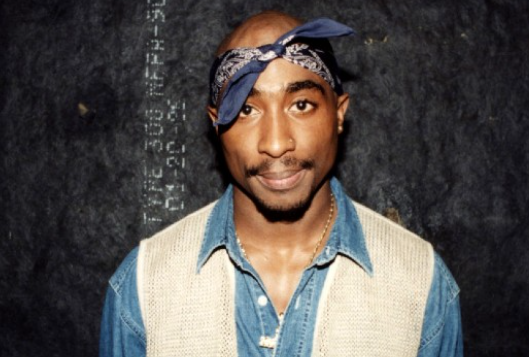
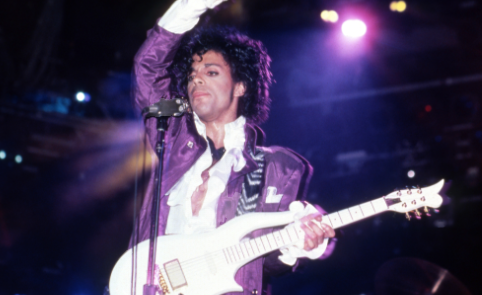
Tupac Shakur sold $60 million in albums in 1996 and died with $200,000 and $4.9 million in debt to Death Row Records. Alanis Morissette sold 33 million copies of Jagged Little Pill and still had her business manager steal $5 million. Prince fought Warner Bros. for two decades over ownership of his own recordings, writing “Slave” on his face at public appearances. The pattern is consistent because the system was consistent.
As attorney Peter Paterno explained to the Los Angeles Times, the standard contract between artist and label was uniquely exploitative within American business. The conditions were tougher than in virtually any other industry, and since all major labels operated similarly, artists had no alternative.
The CD Boom Made It Worse
Between 1990 and 1999, the music industry experienced the most profitable decade in its history, driven almost entirely by the CD format. Consumers replaced their vinyl and cassette collections with CDs priced at $15.99 to $18.99, a significant markup over previous formats. Manufacturing costs for CDs were approximately $1 per unit. The profit margin was enormous, and labels captured nearly all of it.
During this period, 84 albums sold over 5 million copies and 19 sold over 10 million, according to RIAA data. The artists behind those sales operated under contracts designed for a pre-boom era. Labels had no incentive to renegotiate. The CD goldmine was a windfall they hadn’t anticipated, and they structured their accounting to keep it.
The Industry Q-Tip Described
On A Tribe Called Quest’s 1991 album The Low End Theory, Q-Tip delivered a line that became the music industry’s unofficial motto: “Industry Rule Number 4080: Record company people are shady.” It was funny because it was true. It stopped being funny when the damage became visible.
The 90s record deal created two classes of artist. Those who understood ownership early, Jay-Z, Dr. Dre, Madonna, built institutions and compounded wealth. Those who trusted the system, which was most of them, provided the raw material for billions in corporate revenue while struggling to pay rent.
The Aftershock Is Still the Story

Taylor Swift re-recorded six albums to circumvent masters she didn’t own. Britney Spears sold her catalog for $200 million to Primary Wave, the same company that started its business by acquiring Kurt Cobain’s publishing. The current catalog acquisition boom, with companies like Hipgnosis, Primary Wave, and Concord spending billions on music rights, exists because of the value created by 90s contracts that artists never fully benefited from.
For anyone advising on wealth management, estate planning, or intellectual property strategy, the 90s record deal is required reading. It demonstrates how contractual architecture can extract generational wealth from creators and transfer it to capital holders, how information asymmetry compounds over time, and how the most important asset in any deal is the one you don’t realize you’re giving away.
Prince was right. If you don’t own your masters, your master owns you. The 90s proved it at industrial scale. And the artists who survived are still teaching us what that lesson costs.
Want to feature your brand alongside stories like this? Contact Social Life Magazine about partnership opportunities. Join us at Polo Hamptons this summer. Subscribe to the print edition or join our email list for exclusive content. Support independent luxury journalism with a $5 contribution.
Author

Written by
Recent Posts
Simple Ways to Maintain Your Energy During a Busy Week

How South Florida Commercial Properties Are Adapting to Modern Energy Demands
How to Measure Whether a Hair Loss Treatment Is Working
Is Online Psychiatry Covered by Insurance? What to Know Before Booking
Four Habits of Quietly Successful Entrepreneurs
Categories
- Art
- Articles
- Business of Luxury
- Celebrities
- Culture
- Entertainment
- Events
- Faces of Summer 2026
- Fashion
- Fashion & Style
- Featured
- Finance
- Food, Spirits, Wine
- Hamptons
- Hamptons Celebrities
- Health
- Health & Beauty
- Lifestyle
- Luxury Lifestyle
- Press
- Profiles
- Real Estate
- Technology
- The Chronicles
- Travel
- Uncategorized
- Weddings