
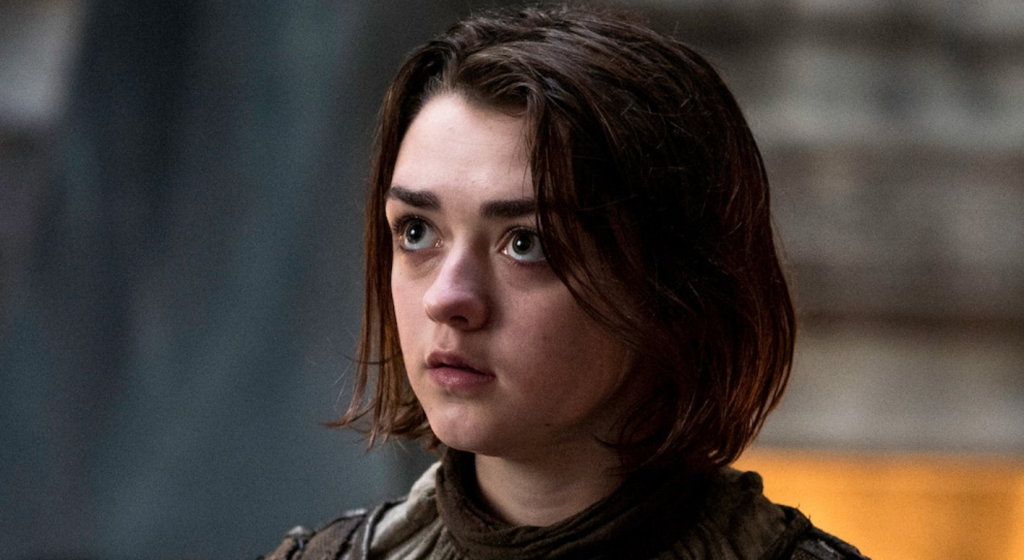
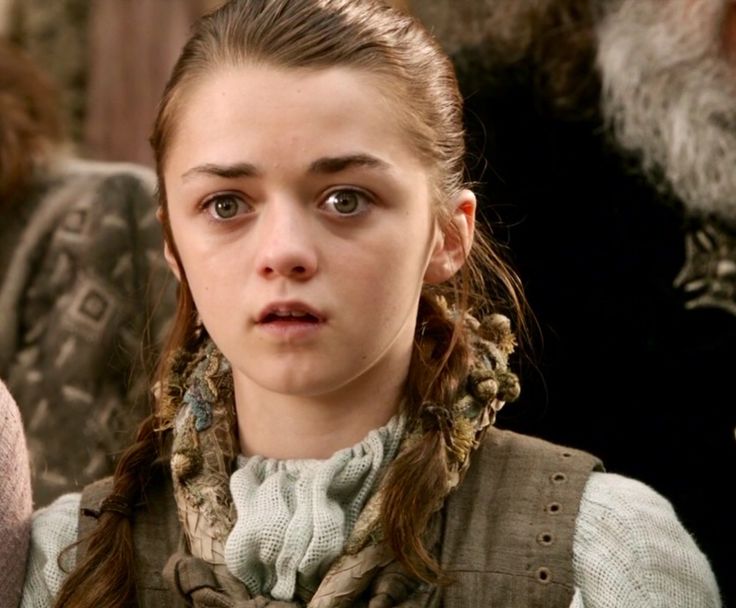
The Before: Clutton, Somerset, and the Dancer Who Wasn’t Planning to Act
Born in Bristol, Raised in Somerset
Margaret Constance Williams was born April 15, 1997, in Bristol, England. Her parents separated when she was four months old. Her mother, Hilary Pitt Frances, raised her alongside three older siblings — James, Beth, and Ted — in Clutton, a small village in Somerset. She grew up in a council house. Her mother worked as a university course administrator. The nickname “Maisie” came from a character in the British comic strip The Perishers, applied to her in childhood and eventually permanent.
She attended Clutton Primary School and then Norton Hill School in Midsomer Norton. However, her primary creative focus throughout childhood was not acting. She trained in dance — ballet, pointe, tap, street, freestyle, gymnastics, and trampolining — at Sue Hill Dance in Radstock. Later, she transferred to Bath Dance College to study performing arts formally. Her goal, until the age of thirteen, was to become a professional dancer. Acting was not in the plan.
The Audition That Changed Everything
At thirteen, her mother convinced her to audition for a new HBO fantasy series. The audition required her to miss a school farm trip. It was only her second audition of any kind. She had no professional acting experience. Nevertheless, she got the role. Specifically, she got Arya Stark. The role is arguably the most physically demanding child role in prestige television history. It required sword training, horse riding, stunt work, and the sustained emotional commitment to play a character across eight years — from childhood to young adulthood.
The audition success is not a story about natural talent discovering itself at the right moment, though that element exists. It is primarily a story about the specific quality of presence that dance training produces in a young performer. Physicality, spatial awareness, the discipline of rehearsal, the ability to inhabit a body as an expressive instrument — all of these are dance training outputs. All of these are also precisely what Arya Stark required. Her mother’s convincing her to miss the farm trip changed the trajectory of both their lives.
The Game of Thrones Chapter: Eight Seasons, One Adolescence, and the Chest Strap
Growing Up on Screen
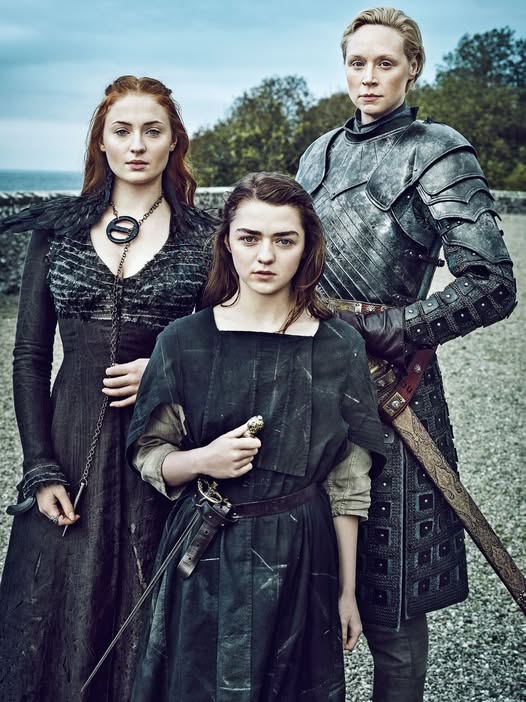
Williams appeared in all eight seasons of Game of Thrones, from 2011 to 2019. She started filming at thirteen. She finished at twenty-one. Her entire adolescence unfolded in front of cameras, in character, in a role that required her to suppress her own development in specific ways. Most young people spend those years discovering who they are and forming the identity they will carry into adulthood. Williams spent them as Arya Stark. Arya Stark is deliberately androgynous. The character is defined, in the show’s visual language, by the absence of markers of femininity. Consequently, Williams wore a chest strap during her mid-teen years to maintain that visual code.
In a 2021 interview with GQ UK, she described the experience directly: she began resenting Arya because she could not express who she was becoming. Furthermore, she noted that she also resented her own body because it was not aligned with the version of herself the world celebrated. That is an unusually precise articulation of a specific psychological cost. Child actors rarely name it with this clarity. Furthermore, the show’s production had not designed to impose it — but imposed it nonetheless. The chest strap is a fact. The resentment is also a fact. Both are in the record.
Who Arya Was and What Playing Her Required
Arya Stark is the youngest daughter of Ned Stark. Her preference for swords over needlework marks her as the series’ structural agent of subversion from the very first episode. She watches her father executed. She spends subsequent seasons as a fugitive, a prisoner, an apprentice assassin in Braavos, and eventually a faceless killer operating under no one’s authority but her own. Her arc is the show’s most consistently independent narrative thread. Arya never depends on institutional power, never seeks the throne, and never allows her identity to be defined by her relationship to any man in the story.
Playing that arc required Williams to age from a child into a young adult while maintaining the character’s internal consistency across eight years of production. She trained with stunt coordinators and weapons masters. She did most of her own fight choreography. The physicality of the role — built on the spatial awareness her dance training had established — is visible in every action sequence she performs. Notably, the technical quality of her stunt work improved demonstrably across the seasons as she grew into the role’s physical demands.
The Night King Scene and What It Represented
The Season 8 episode “The Long Night” culminates with Arya Stark killing the Night King. His threat has been the show’s background dread since the very first scene of the very first episode. The kill is a narrative subversion of the highest order. Every previous signal in the show’s storytelling architecture pointed toward Jon Snow as the Night King’s likely killer. Jon Snow is the resurrected king, the prophesied hero, the man whose entire arc has been building toward the confrontation with the White Walkers. Instead, a girl nobody in the room has been watching drops from the darkness, catches her own dagger mid-fall, and drives it into the Night King’s chest.
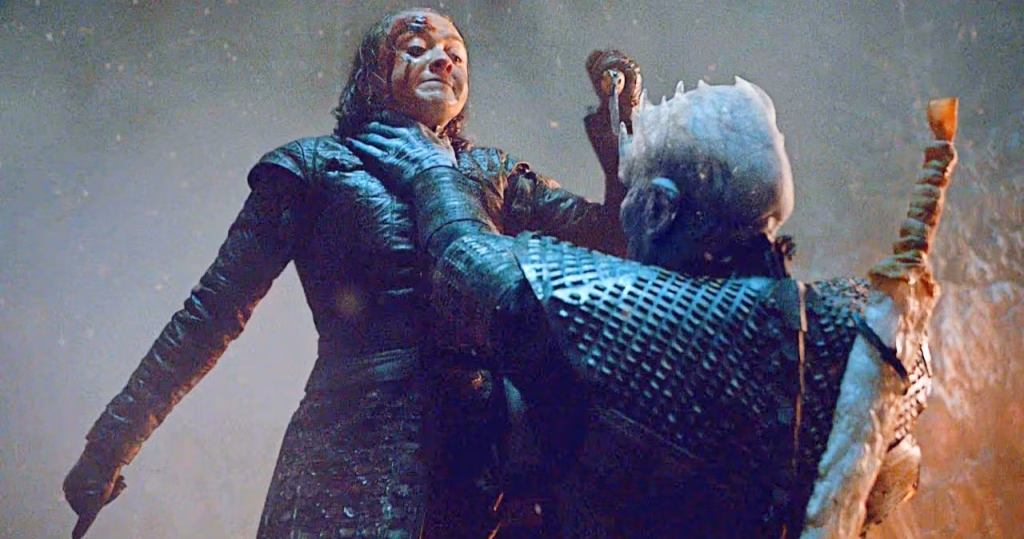
The scene works because Williams had spent eight seasons making Arya the character the audience most underestimates. Not the showrunners, not the production — the audience. Arya’s importance to the final resolution was visible in the text for anyone paying careful attention. However, the collective expectation that Jon Snow would deliver the decisive blow was powerful enough that Arya’s arrival reads as a genuine surprise rather than a planted twist. Achieving that requires an actress who has inhabited a character so completely that the audience calibrates its expectations based on perceived narrative weight. The actual dramatic preparation becomes invisible. Williams achieved it across eight years without breaking the character’s internal logic once.
The Salary Reality
Williams earned approximately $175,000 per episode in Season 7 and approximately $210,000 per episode in Season 8. Those figures contrast sharply with the $1.1 million per episode that Peter Dinklage, Emilia Clarke, Kit Harington, Lena Headey, and Nikolaj Coster-Waldau each earned in the final seasons. Sophie Turner, who played Sansa Stark, noted publicly that Kit Harington earned more than she did. Williams earned less than Turner. The salary differential reflects screen time, contractual seniority, and the specific leverage that the five leads collectively negotiated for Season 8. Nevertheless, the gap between the Night King kill’s narrative importance and the per-episode rate of the person who delivered it illustrates a larger pattern clearly. Dramatic contribution and financial recognition do not automatically align.
After Westeros: Identity, Daisie, and the Career Built on Her Own Terms
The Identity Problem and How She Addressed It
After Game of Thrones ended in 2019, Williams faced the specific challenge that long-running child roles create. The audience knew exactly who she was as a character. However, no framework yet existed for who she was as an adult performer. Arya Stark is one of the most recognizable characters in television history. The actress who played her was twenty-one, making choices about what to do next in a market that would happily cast her as Arya-adjacent roles indefinitely. She chose otherwise.
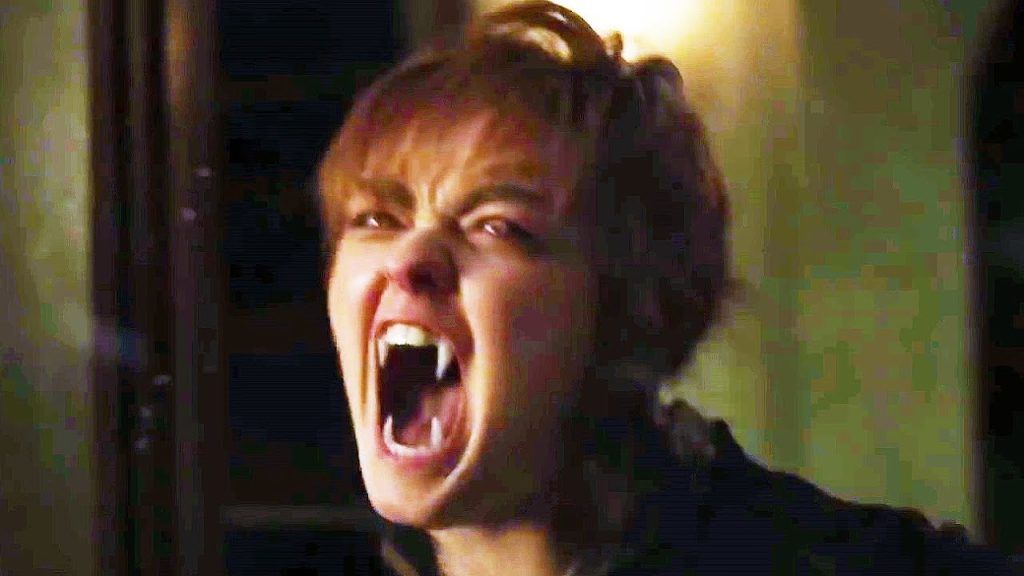
Her post-Game of Thrones credits reflect deliberate range cultivation rather than brand extension. The New Mutants (2020) placed her in the Marvel universe as Wolfsbane. In Pistol (2022), Danny Boyle cast her as Jordan Mooney — the punk icon and fashion innovator central to the Sex Pistols’ visual identity. The New Look (2024) on Apple TV+ gave her Catherine Dior — a French Resistance operative during World War II. Her story runs parallel to her more famous brother Christian’s fashion empire. Each role is specifically not Arya Stark. Furthermore, each role requires a different register: horror in The New Mutants, punk subcultural specificity in Pistol, wartime psychological restraint in The New Look.
Daisie and the Entrepreneurial Logic
In 2018, Williams co-founded Daisie — a social networking platform connecting emerging artists and creative collaborators. Consequently, it reduces the institutional gatekeeping that typically limits industry access for people without existing connections. She gave a TEDx talk about the platform in Manchester in 2019. The project was included in Forbes 30 Under 30 Europe that year. She also founded Daisy Chain Productions in 2016, a UK-based production company focused on shorts and talent development.
The entrepreneurial work is not incidental to the creative work. It reflects the same logic as the post-Game of Thrones role choices. Specifically, it reflects an actress who spent her entire adolescence defined by someone else’s character. She is now building the infrastructure to control her own narrative and contribute to other young people’s ability to do the same. Additionally, her production project Nora’s Ark was selected for the Ffilm Cymru Wales Climate Stories Fund in April 2025 — reflecting a sustained commitment to environmental advocacy through creative production.
The New Look and What Catherine Dior Required
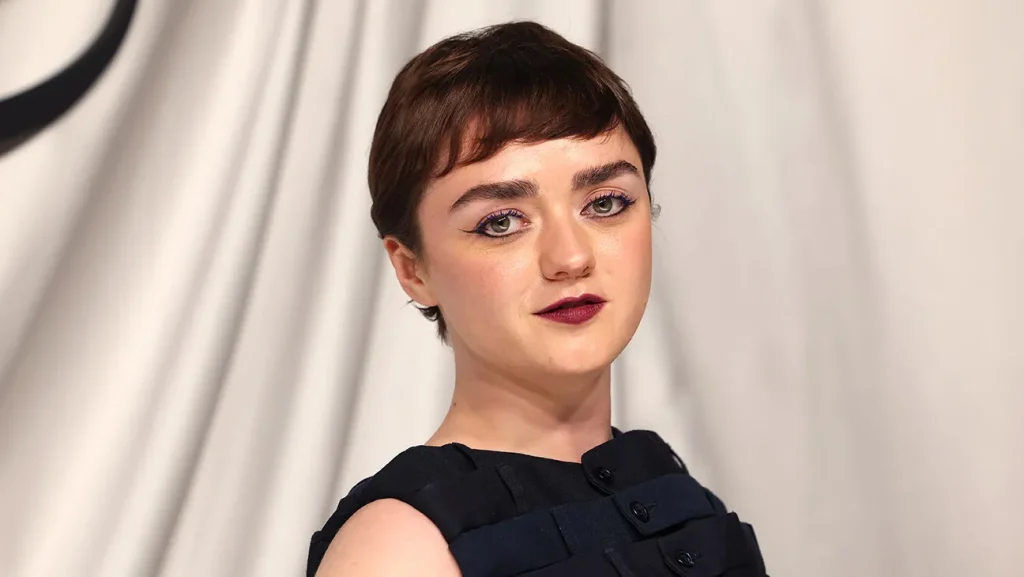
Her performance as Catherine Dior in The New Look (2024) earned significant critical attention. Multiple reviewers described it as a demonstration of range that Arya Stark’s physical demands had always partially obscured. Catherine Dior spent years in the French Resistance and was eventually captured, deported to Ravensbrück concentration camp, and survived. Playing her required Williams to work in a register of contained historical suffering that is almost precisely the opposite of the kinetic action that defined her most famous role. She was twenty-six. The performance suggests a second act built on entirely different instruments than the first.
The Numbers and What They Reflect
The $6 Million Architecture
Her Maisie Williams net worth stands at $6 million as of 2025. The figure reflects eight seasons of Game of Thrones earnings at rates significantly below the five principal leads. Film work across The Falling, The New Mutants, and subsequent projects adds further. Additionally, voice acting credits including Early Man (2018) and ongoing production and entrepreneurial activity contribute to the total. The number is the lowest in this cast cluster by a margin that reflects her entry into the industry as a child, on a child’s contract, with no prior leverage. She built from that baseline across eight seasons and has been building in a different direction since 2019.
The Chest Strap and the Kill and the Career They Made
In 2021, she described resenting Arya and resenting her own body during the years the show required her to suppress her own development. That honesty is worth noting because it names something the industry rarely acknowledges: child roles in long-running prestige productions have psychological costs that post-production press tours are not designed to surface. She surfaced it anyway, with characteristic directness, and without apparent intention to generate sympathy. It is a fact. She stated it as a fact. The career she is building since 2019 is the answer she has chosen to give to that fact.
The Night King died in Season 8, Episode 3. His killer had been training for the moment since Season 1. Nobody in the room expected her. The show, in its most precisely engineered single moment, delivered the answer through the person who had been in plain sight the entire time. That is both a narrative argument about the show’s values and a professional argument about what eight years of unbroken commitment to a character can produce. The $6 million is the financial record of that commitment. The kill is the dramatic record. Meanwhile, the chest strap is the cost the record doesn’t automatically include.
Return to the full Game of Thrones complete guide for all eight seasons. Complete the cast series with Peter Dinklage, Emilia Clarke, Kit Harington, Lena Headey, and Jason Momoa. Visit our Culture and Power hub for the full landscape.
Related Reading
- Game of Thrones: The Complete Guide to All 8 Seasons
- Succession: Growing Up Inside a System That Defines You
- Mad Men: The Complete Guide to What Institutions Actually Cost
- Jason Momoa Net Worth: The $40M One-Season Story
Some careers are built by accumulating the right rooms. Others are built by being the right person in the room when the story requires it. Then comes the harder work: building a second career, from the ground up, on entirely your own terms. Social Life Magazine has covered that architecture for 23 years. You read us because you understand that the Night King scene and the chest strap are part of the same story. For the contemporary version of young talent navigating institutions that calibrate compensation to minimum leverage, see our Industry Season 4 hub.
If your brand, business, or story belongs in this conversation, we want to hear from you. Editorial features, strategic placements, and partnerships begin at sociallifemagazine.com/contact.
Ready to control your own narrative? Submit a paid feature and reach 25,000 print readers per summer issue at sociallifemagazine.com/submit-a-paid-feature.
Our email list reaches 82,000 subscribers — the people who understand that every career has a cost the public record doesn’t automatically include. Join the list here.
Polo Hamptons returns for summer 2026. Two dates. A room that already knows what it is. Sponsorship packages at polohamptons.com.
Five summer issues. Placed where the conversation actually happens. Print subscriptions at sociallifemagazine.com/subscription.
Independent editorial takes real resources. If this kind of journalism matters to you, a $5 contribution keeps Social Life in print and online. Donate here.
Author

Written by
Recent Posts

Inside the Art Collections Hidden Behind Hamptons Estate Gates

Next Holidays Makes Holiday Booking Faster, Easier, and More Convenient
The Fertility Pioneer: Inside Dr. David Smotrich’s Mission to Build Families
Beat the Summer Heat Safely: 5 Practical Styling Hacks for Boat Trips and Lake Days
First Date Outfit Ideas: Flattering and Budget-Friendly Dresses to Wear Tonight
Categories
- Art
- Articles
- Business of Luxury
- Celebrities
- Entertainment
- Events
- Faces of Summer 2026
- Fashion
- Fashion & Style
- Featured
- Finance
- Food, Spirits, Wine
- Hamptons
- Hamptons Celebrities
- Health
- Health & Beauty
- Lifestyle
- Luxury Lifestyle
- Press
- Profiles
- Real Estate
- Technology
- The Chronicles
- Travel
- Uncategorized
- Weddings