
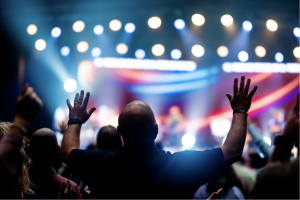
Modern high-end events are about much more than luxury. They are now centered on creating meaningful, personalized experiences. Today’s audiences expect innovation, sustainability, and seamless digital integration. From immersive event designs to curated guest experiences, the industry is evolving quickly to keep up with changing preferences.
This shift is also seen in the overall industry numbers. According to Market Research Future, the global events industry was valued at over USD 1505 billion in 2024. It is projected to grow significantly in the coming years, reaching over USD 5136 billion by 2035.
As the industry grows, planners are rethinking how they design and deliver experiences to remain relevant. This article explores the specific ways high-end events are adapting to meet these modern expectations.
Hyper-Personalization as the New Standard of Luxury
High-end luxury has shifted from pure opulence to deep personalization. Today’s guests define luxury by how well an event understands their individual needs.
According to Forbes, leveraging data and predictive analytics allows for hyper-personalization at every stage of the journey. AI helps anticipate guest preferences, such as dietary needs or seating, making attendees feel truly seen and valued.
However, human oversight remains vital, working alongside AI to ensure these interactions stay accurate and relevant. This combination of unified data and human touch allows planners to meet guests at every touchpoint with a curated approach. For businesses, this strategy optimizes the customer journey and builds lasting loyalty.
Invisible Security to Protect Guests
Security is essential at high-end events, but it should never disrupt the guest experience. Traditional measures like long queues and visible screening can take away from the sense of exclusivity.
Today, event organizers are turning to more discreet and efficient solutions. One example is the CEIA OPENGATE, which allows guests to pass through without stopping, emptying pockets, or removing personal items.
According to GXC Inc., this system uses freestanding pillars to screen individuals and their belongings without slowing foot traffic. Its seamless, plug-and-play setup makes it ideal for premium events where both safety and experience matter.
Alongside this, many events now use AI-powered surveillance cameras, mobile credential verification, and RFID-enabled access control to manage entry seamlessly. These combined technologies create a layer of “invisible security,” ensuring strong protection while maintaining a smooth, premium experience for guests.
Sustainability and Conscious Event Design
Sustainability has become a core focus in high-end events, rather than an afterthought. Today’s guests, especially younger audiences and corporate clients, expect events to reflect responsible practices. As a result, event planners are adopting eco-friendly approaches like zero-waste catering, locally sourced materials, and venues powered by renewable energy.
Sustainability is no longer seen as a limitation on luxury. Instead, it enhances it. Thoughtful choices such as reducing single-use items, managing waste efficiently, and offering carbon-conscious travel options add value to the overall experience. Many events also provide transparency through sustainability reports or certifications, helping guests feel aligned with the event’s values.
Rather than restricting creativity, these practices encourage innovation. Event designers are finding new ways to deliver memorable experiences while minimizing environmental impact, proving that luxury and responsibility can go hand in hand.
Technology, Immersion, and the Future of Event Storytelling
Technology is redefining how high-end events engage their audiences, turning traditional spaces into immersive experiences. Tools like projection mapping, augmented reality, and spatial audio allow guests to interact with environments in more dynamic and meaningful ways. These elements help tell a story that evolves as guests move through the space.
According to Trade Shows News Network, animated visuals and synced audio are transforming static venues into engaging, cinematic environments. Event producers now use LED screens, motion graphics, and layered sound to create experiences that feel like a movie scene.
As technology continues to evolve, high-end events are becoming more interactive, personalized, and impactful, setting new standards for audience engagement.
Wellness-Integrated Experiences
Mindful luxury is taking center stage at modern events, with oxygen bars, sound baths, and chef-curated menus featuring adaptogens becoming the new standard. Some gatherings even use wearable tech to track stress levels, offering guests hydration alerts or quiet breaks exactly when they need them.
Venues are also getting a makeover with biophilic designs, like living walls and lighting that matches our natural body clocks, to keep everyone feeling refreshed.
This shift is backed by a massive market move. According to McKinsey & Company, the U.S. wellness market has hit 480 billion USD and continues to grow. About 82% of U.S. consumers now see wellness as a top priority, a trend that is especially strong among Gen Z and millennials.
For event planners, weaving these health-focused touches into an experience is a proven way to build deeper guest satisfaction and long-term loyalty.
Frequently Asked Questions (FAQs)
What is the CEIA OPENGATE, and why is it used at events?
CEIA OPENGATE is a wireless, walk-through weapons detection system featuring two freestanding pillars. It is used at high-end events to screen individuals and bags for metallic and non-metallic threats without requiring them to stop or empty their pockets. This creates a secure, “invisible” layer of safety while maintaining a seamless guest experience.
How are high-end events incorporating sustainability without compromising luxury?
Leading event producers use zero-waste catering, renewable-energy venues, locally sourced materials, and carbon-offset programs. Sustainability is now positioned as a mark of sophistication rather than a compromise. It appeals to guests and corporate clients who hold strong environmental values and ESG commitments.
How is technology changing the guest experience at premium events?
Technologies like projection mapping, augmented reality, and spatial audio are transforming venues into immersive storytelling environments. AI tools are also streamlining logistics and guest flow management. Together, these innovations allow event producers to deliver deeply personalized, memorable experiences that extend well beyond traditional hospitality formats.
High-end events are no longer defined by price tags, but by the intelligence behind the investment. Modern guests expect more than comfort. They look for digital sophistication and values that align with their own. Success now belongs to organizers who treat personalization, security, and sustainability as complementary pillars rather than separate tasks.
Sophisticated tools illustrate this perfectly, providing rigorous security that remains invisible to the guest. This proves that the best infrastructure is the kind that works so well it goes unnoticed. Ultimately, true luxury is found in the quality of thought behind every detail.
Author

Written by
Recent Posts
The First Decision After a Collision Can Be the Most Important One
Two Weeks in Rome and Beyond: Turkish Airlines Itineraries from Boston, Chicago and Onward to India

Top 10 Hair Transplant Clinics in Turkey 2026

Artist Alley to Online Store: How Convention Artists Can Keep Selling After the Event
When an 18-Wheeler Crash Leaves Lasting Consequences
Categories
- Art
- Articles
- Business of Luxury
- Celebrities
- Culture
- Entertainment
- Events
- Faces of Summer 2026
- Fashion
- Fashion & Style
- Featured
- Finance
- Food, Spirits, Wine
- Hamptons
- Hamptons Celebrities
- Health
- Health & Beauty
- Lifestyle
- Luxury Lifestyle
- Press
- Profiles
- Real Estate
- Technology
- The Chronicles
- Travel
- Uncategorized
- Weddings