
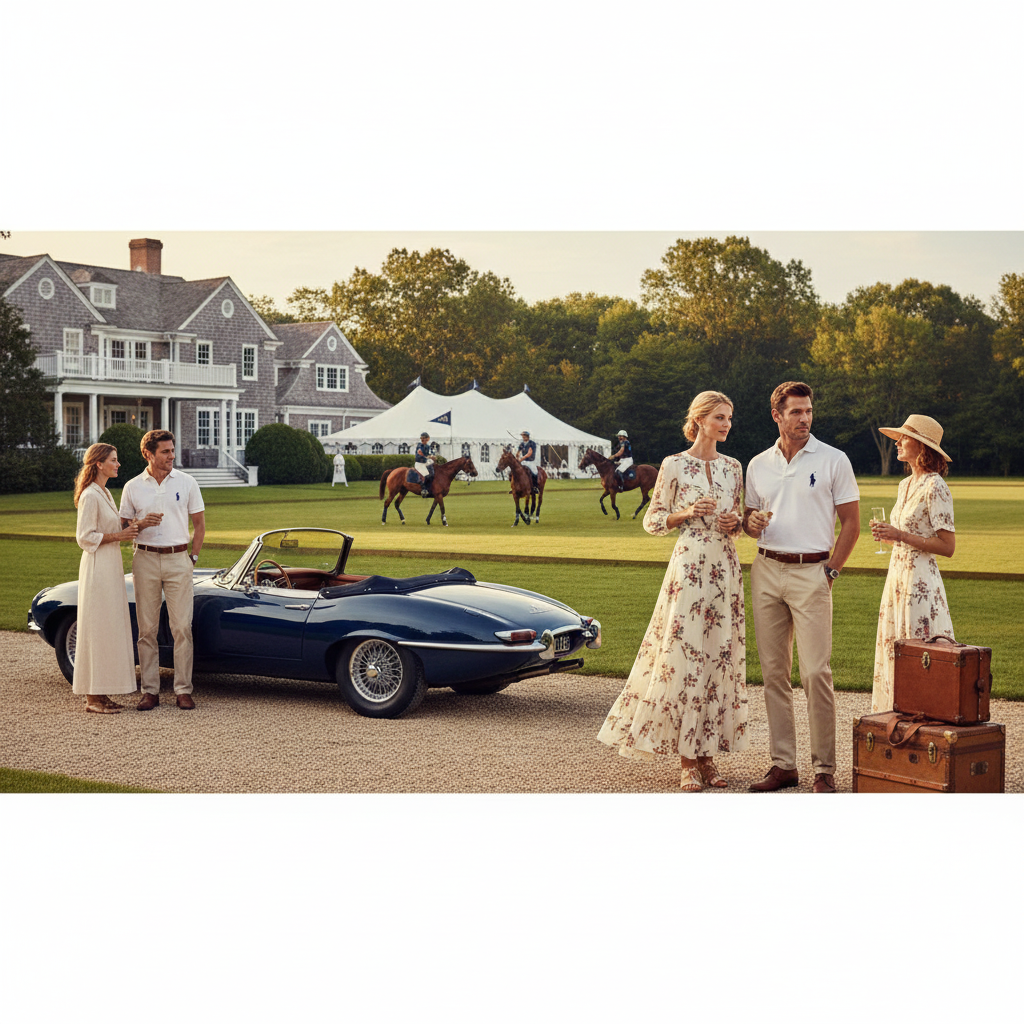
The Ralph Lauren history begins with a lie so elegant it became the truth. In 1967, a 28-year-old tie salesman from the Bronx named Ralph Lifshitz convinced Beau Brummel Neckwear to let him sell wide ties under his own label. He called the label Polo. He had never played polo. Lauren had never watched polo. He had never stood within 500 yards of a polo field. But he understood something with a clarity that bordered on clairvoyance. The word “Polo” conjured a world of inherited wealth, country estates, and effortless athleticism that millions of Americans wanted to inhabit. The ties sold. Within four years, Lauren had a complete menswear line, a women’s line, a store on Rodeo Drive, and the first Coty Award ever given for menswear. The lie had become a $6.4 billion annual revenue company. Which means it was never a lie. It was a business model.
From the Bronx to Bedford: The Architecture of a Fantasy
Ralph Lauren was born Ralph Lifshitz on October 14, 1939, in the Bronx, New York. His parents, Frank and Frieda, were Ashkenazi Jewish immigrants from Pinsk, Belarus. His father was a house painter. The family lived in a modest apartment in the Mosholu Parkway neighborhood. Nothing about Lauren’s childhood suggested that he would become the architect of America’s most convincing aristocratic fantasy. But the distance between what he was born into and what he aspired to is the engine that powers the entire brand. Lauren did not design clothes for the rich. He designed clothes for people who wanted to feel rich. The distinction is worth $6.4 billion per year.
Lauren changed his last name at sixteen. He attended Baruch College, dropped out, served in the Army, then sold ties and gloves for Brooks Brothers before striking out on his own. The early business decisions were precise. He chose the name Polo, not because of any personal connection to the sport, but because polo was the one sport that could not be played without a significant investment in real estate. You needed a field. Horses were essential. You needed the kind of leisure time that only inherited wealth could provide. The sport was a filter. If you could play polo, you were already wealthy. If you wore Polo, you could signal the same status for the price of a cotton shirt. Lauren understood the gap between the real thing and the symbol of the real thing. He built his fortune in that gap.
The Madison Avenue Mansion and the Business of Atmosphere
In 1986, Lauren opened the flagship Ralph Lauren store in the Rhinelander Mansion at 867 Madison Avenue. The building, a French Renaissance townhouse built in 1898, was renovated to look like the private residence of a man who had been collecting for generations. Oriental rugs. Silver frames. Books that appeared to have been read. Dogs that appeared to live there. The store was not a retail environment. It was a stage set for a life that no single human being actually lived but that every customer was invited to project themselves into. The cost of the renovation was never disclosed. Its return on investment was measured in something more valuable than margin: the establishment of Ralph Lauren as a lifestyle rather than a clothing brand.
The flagship strategy revealed Lauren’s central insight about the American fashion designers landscape: in America, luxury is not inherited. It is performed. A French luxury customer buys Hermès because her grandmother bought Hermès. An American luxury customer buys Ralph Lauren because Ralph Lauren shows her what her life would look like if her grandmother had bought Hermès. The aspiration is the product. The clothes are the delivery mechanism. Lauren extended this logic to home furnishings, paint (yes, paint), and restaurants. The Polo Bar on East 55th Street charges $32 for a burger and requires a reservation that rivals most theater productions. His ranch in Telluride functions as a physical manifestation of the brand’s Western mythology.
Ralph Lauren Net Worth and Revenue: The Numbers Behind the Polo Player
Ralph Lauren’s personal net worth is estimated at $6.8 billion as of 2026, making him the wealthiest fashion designer in American history. The Ralph Lauren Corporation (NYSE: RL) generates $6.4 billion in annual revenue across four segments: North America ($3.1 billion), Europe ($1.8 billion), Asia ($1.2 billion), and Other ($300 million). RL operates 529 directly operated stores worldwide, with flagship locations in New York, London, Paris, Tokyo, Hong Kong, and East Hampton.
The revenue breakdown reveals a business model unique among luxury fashion houses. Licensing accounts for approximately 15% of revenue, covering categories from bedding (Ralph Lauren Home) to eyewear (Luxottica partnership) to fragrances (L’Oréal partnership). The Purple Label suit, priced at $5,000 and manufactured in Italy, competes directly with Brioni and Kiton. His Polo shirt, priced at $98 and manufactured in multiple countries, competes with nobody, because Lauren invented the category it occupies. The spread between $98 and $5,000 represents the widest product range of any single luxury brand on Earth. Every price point is intentional. The $98 customer and the $5,000 customer are both buying the same thing: the polo player.
The Costume Department and Hollywood: Ralph Lauren on Film
Lauren’s understanding of aspiration was sharpened by Hollywood before it was applied to retail. He designed the costumes for The Great Gatsby (1974). Robert Redford in cream suits and pink shirts became the visual shorthand for old-money extravagance in American cinema. He designed the wardrobe for Diane Keaton in Annie Hall (1977). Her androgynous layering (menswear vest, oversized khakis, necktie worn as accessory) influenced women’s fashion for the next decade. Both films used Lauren’s clothes to tell the same story: that in America, identity is a costume, and the right costume can rewrite your biography.
The connection between Lauren and cinema is not coincidental. Lauren grew up in the Bronx watching movies. The movies showed him a world he could not access. He built a company that sells access to that world. The Polo player on the shirt is not a logo. It is a movie poster for a film that has been playing for fifty-seven years. In that film, you already belong to the club. Your horse is saddled. The estate has been in your family for generations. None of it is real. That has never once hurt sales.
Ralph Lauren and the Hamptons: Polo, East Hampton, and the South Fork Stage
The Ralph Lauren history and the Hamptons are inseparable. His East Hampton flagship store, located on Main Street, occupies one of the most valuable retail positions on Long Island’s South Fork. The store’s aesthetic reads like a script: weathered shingles, nautical touches, the suggestion of a beach house owned by someone who does not call it a beach house. Every detail is calibrated to the specific frequency of Hamptons wealth. Customers walk in wearing last season’s Lauren. They walk out wearing this season’s Lauren. The continuity is the point. Unlike brands that chase trends, Lauren sells permanence. In a geography where real estate turns over at $20 million per transaction, permanence is the scarcest commodity available.
Lauren’s personal compound in Bedford, New York sits outside the Hamptons but adjacent in the social geography of New York’s wealthy. The 250-acre estate includes a working farm, a car barn housing part of his $350 million vintage automobile collection, and grounds landscaped to resemble the English countryside. The compound is the brand made physical. Every design decision in every Ralph Lauren store worldwide traces back to the visual language established at Bedford. The connection to polo (the sport, not just the logo) runs through the brand’s DNA. Polo Hamptons, held at 900 Lumber Lane in Bridgehampton on July 18 and 25, represents the precise intersection of sport, luxury, and social performance. Lauren identified that intersection in 1967 when he named his tie collection after a game he had never played.
The Legacy: Why Ralph Lauren Cannot Be Replicated
The Ralph Lauren history is a case study in what happens when someone builds a brand on aspiration rather than product. Product can be copied. The aspiration cannot. A competitor can manufacture a cotton pique polo shirt with a small embroidered animal on the chest for half the price. They cannot manufacture fifty-seven years of cultural conditioning that makes consumers associate that specific animal with a specific vision of American wealth. The moat is not in the factories. The moat is in the culture.
Lauren, now 86, remains chairman of the board and chief creative officer. His son David serves as vice chairman. His son Andrew served on the board before his death. The company’s succession question is the most closely watched in American fashion. Can the Lauren mythology survive without Lauren? The brand’s positioning suggests yes. Lauren built something larger than himself: a world that customers enter every time they open a Ralph Lauren shopping bag. That world does not require its creator to exist. It only requires that someone, somewhere, is still playing polo on a field that looks like it has been there forever.
Where the Conversation Continues
Social Life Magazine covers the intersection of luxury, culture, and the people who shape both. If your brand, product, or story belongs in front of the Hamptons’ most influential readers, submit a paid feature starting at $975 and position yourself inside the publication that has defined East End style for over two decades. Submit a Paid Feature.
Polo Hamptons 2026 takes place July 18 and 25 at 900 Lumber Lane, Bridgehampton. The match is the premier luxury sporting event of the Hamptons summer calendar, drawing an audience that reads like a Fortune 500 guest list. Sponsorship tiers range from Corporate Cabana to Platinum, with brand activations designed to put your product courtside. Polo Hamptons Sponsorship and Tickets.
Subscribe to Social Life Magazine and receive five summer issues delivered directly to your home or office. Each issue reaches 25,000 readers from Westhampton to Montauk, covering the events, properties, and personalities that define the South Fork. Subscribe to Social Life Magazine.
Social Life’s Sag Harbor guest house, a fully renovated 4,500 square-foot property adjacent to Noyack Golf Club, is available for brand activations and content partnerships throughout the summer season. Product-for-media trade opportunities are available for select luxury brands in kitchen, lighting, bedding, furniture, and outdoor categories.
For editorial partnerships, advertising inquiries, event sponsorship, or brand activation opportunities, contact Cass Almendral at [email protected].
Ralph Lauren did not wait for the world to recognize his vision. He built the world first, then invited everyone to see it. The brands that succeed on the South Fork this summer will do the same.
Author

Written by
Recent Posts
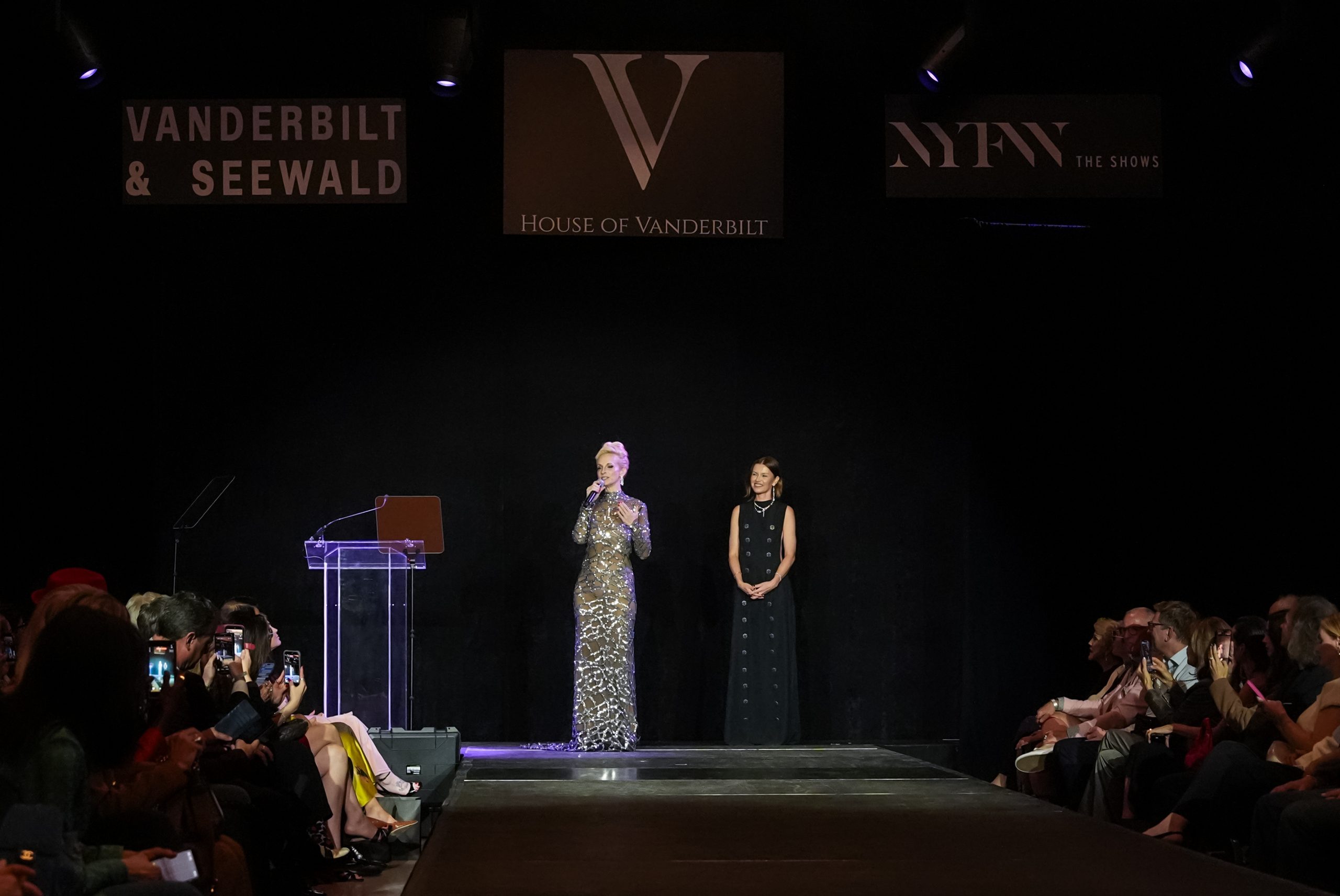
Vanderbilt & Seewald
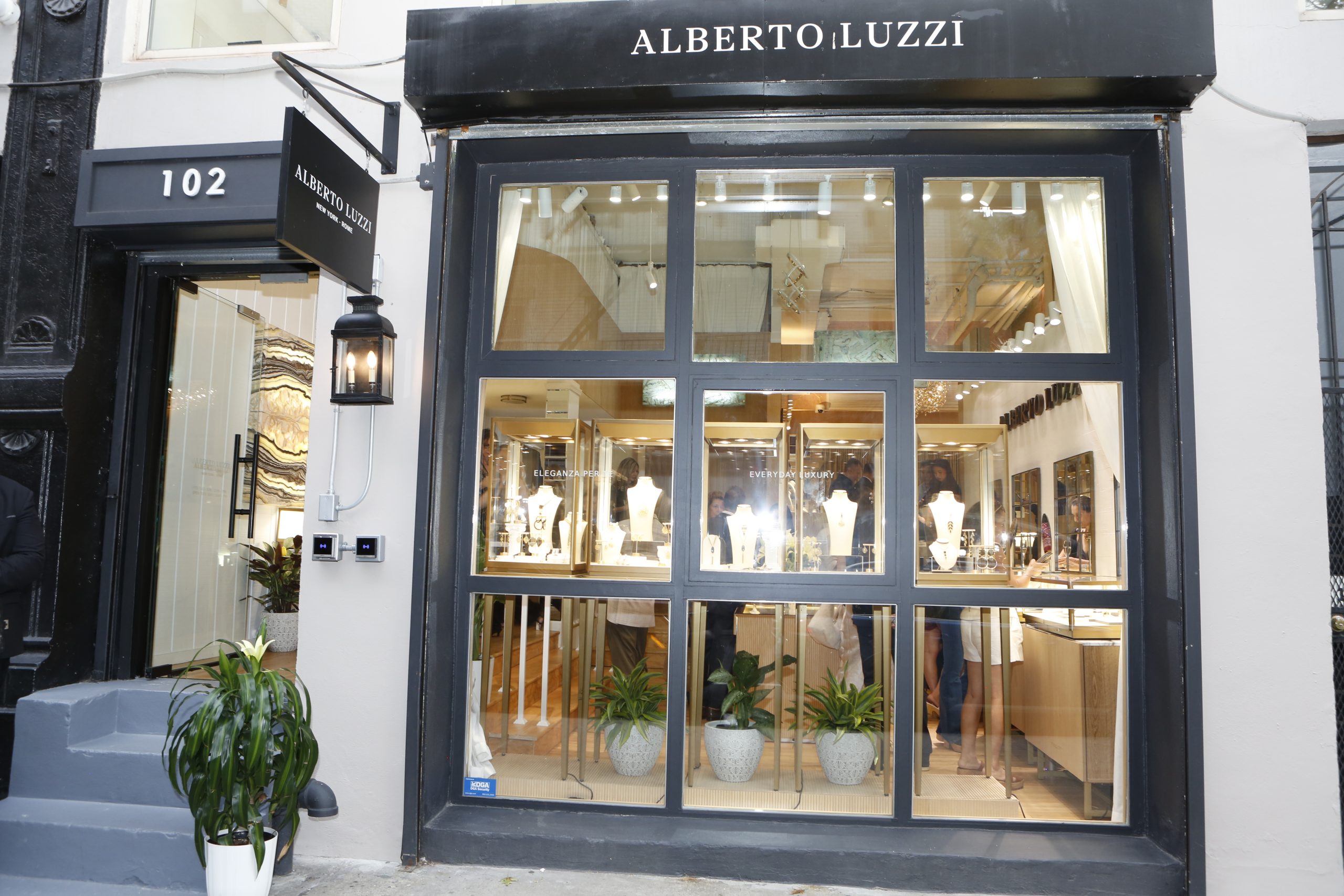
Alberto Luzzi Opening of Fine Jewelry Room
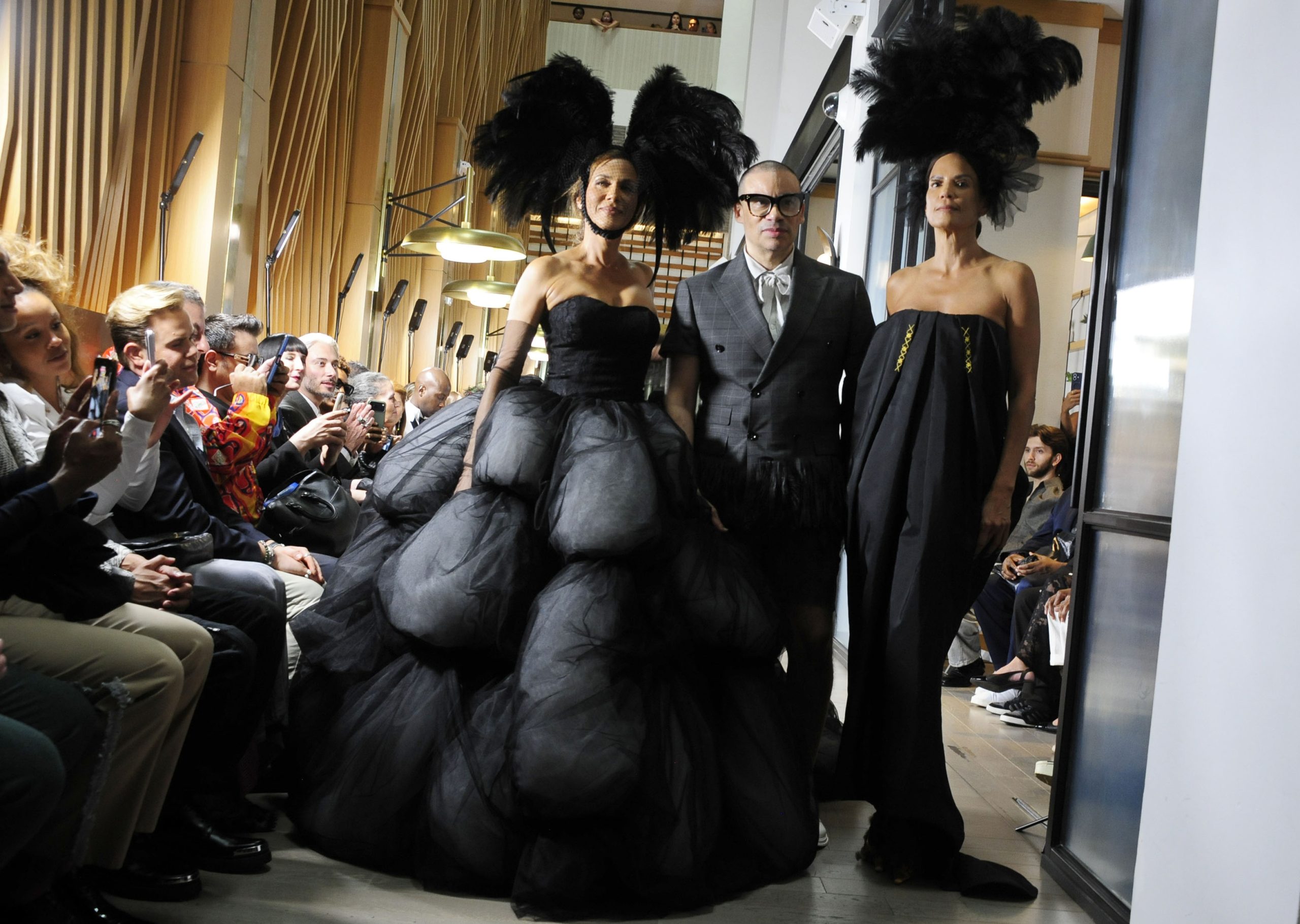
The Victor dE Souza 2027 Spring Summer Collection
Malan Breton Presents “Garden of a Thousand Tomorrows”
What to Wear to a Summer Wedding as a Guest: A Hamptons Dress Code Guide
Categories
- Art
- Articles
- Business of Luxury
- Celebrities
- Culture
- Entertainment
- Events
- Faces of Summer 2026
- Fashion
- Fashion & Style
- Featured
- Finance
- Food, Spirits, Wine
- Hamptons
- Hamptons Celebrities
- Health
- Health & Beauty
- Lifestyle
- Luxury Lifestyle
- Press
- Profiles
- Real Estate
- Technology
- The Chronicles
- Travel
- Uncategorized
- Weddings