
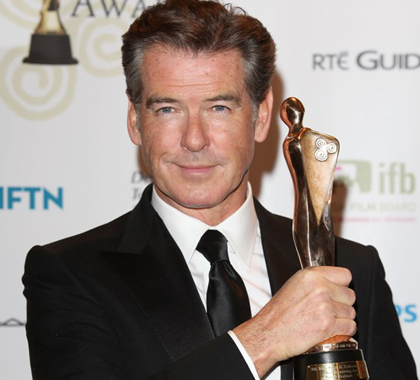
Pierce Brosnan Quick Facts
| Full Name | Pierce Brendan Brosnan |
| Born | May 16, 1953, Navan, County Meath, Ireland |
| Net Worth (2026) | ~$200 million |
| Bond Tenure | 1995-2002 (4 films) |
| Bond Salary + Participation | ~$42 million across 4 films |
| Brand Integration Value (Bond era) | $400 million+ across BMW, Omega, Aston Martin |
| Production Company | Irish DreamTime (founded 1996) |
| Spouses | Cassandra Harris (1980-1991); Keely Shaye Smith (2001-present) |
| Primary Residence | Malibu, California (~$100M+ Broad Beach compound) |
The Before: A Boy From Navan With Nothing to Place
A Childhood Shaped by Absence
Pierce Brendan Brosnan was born in Navan, County Meath, in May 1953. His father, Thomas, left when Pierce was an infant. Likewise, his mother May departed for London a few years later to train as a nurse. Subsequently, young Pierce was raised by his grandparents, then an aunt, then a series of boarding situations that amounted to a childhood with no fixed address.
By age eleven, he had joined his mother in London. Before that, he had already attended four different schools across Ireland. The accent softened. The identity fractured. Furthermore, the loneliness of those years would, decades later, surface in nearly every role he played as a man whose composure is slightly too practiced to be natural.
Circus Training and the Stage Door
At sixteen, Brosnan left school to work as a commercial illustrator at a South London ad agency. That job lasted three years. Then came an unexpected turn: he took a course in fire-eating at a local circus school, which led to stage work, which led to the Drama Centre London.
He trained for three years on a full scholarship. Meanwhile, he scraped together rent by working as a cab driver and a stagehand. The 1970s London theater scene was brutal and cliquish. Yet Brosnan, who would never fit cleanly into any class or camp, found his foothold in it anyway. In 1976, he made his professional stage debut. By 1980, he had landed the role of Rory Manion in the BBC miniseries The Manions of America, which brought him to American television and, consequently, to Los Angeles.
Remington Steele and the Bond That Almost Wasn’t
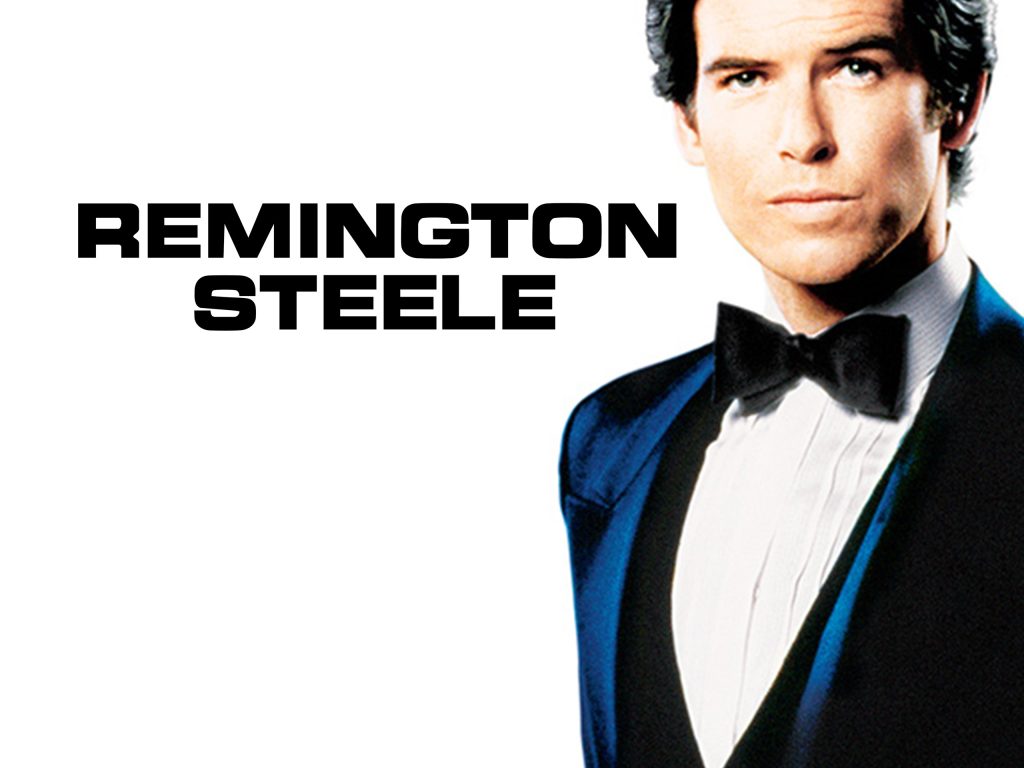
In 1982, NBC cast Brosnan as Remington Steele, the charming con man fronting a Los Angeles detective agency. The show ran for five seasons. More importantly, it trained Brosnan in exactly the performance register that Bond would later require: a man of precise diction and calibrated charisma whose real thoughts are always slightly behind a controlled expression.
Remington Steele ran from 1982 to 1987. By its final season, Brosnan had already been tapped by Cubby Broccoli to succeed Roger Moore as James Bond. The contracts were drafted. Then NBC, reading the Bond announcement as a threat to their series, exercised a rarely-invoked clause in Brosnan’s contract and refused to release him. Timothy Dalton took the role instead.
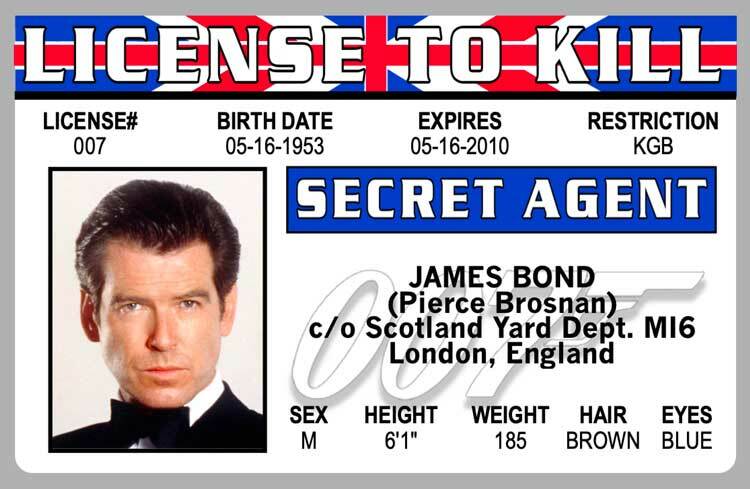
The timing could not have been worse. MGM and Eon Productions entered a legal standoff that froze the Bond franchise for six years. Brosnan worked steadily through Mrs. Doubtfire, The Lawnmower Man, and Mister Johnson. By the time the franchise resumed in 1994, Brosnan was 41. He had watched his dream role go to another man, fade, and almost die. Yet the eight-year delay had given the industry time to do something it had never done before: restructure the economics of a Bond film around brand integration at a scale the franchise had never attempted.
How Four Bond Films Became a Placement Empire
GoldenEye (1995): The Template
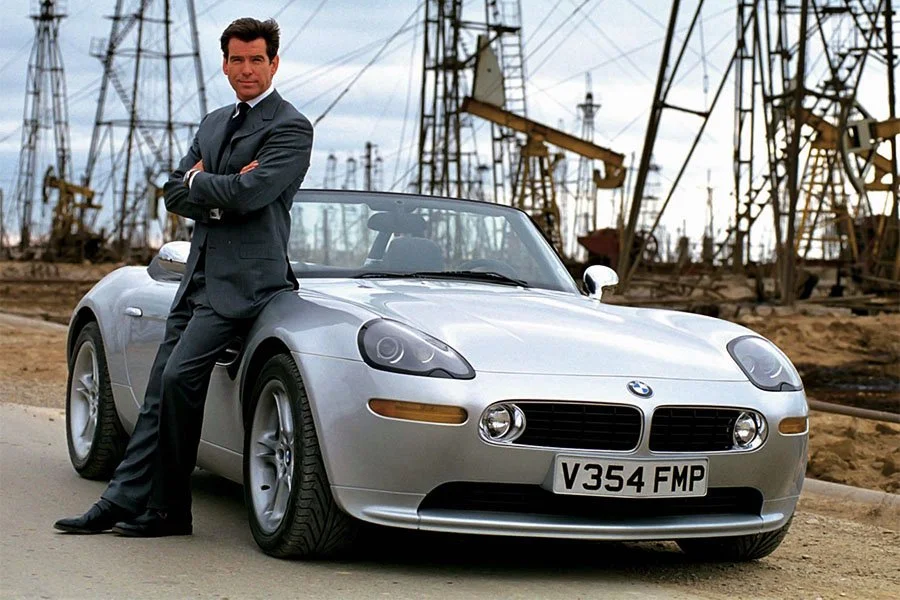
When GoldenEye released in November 1995, it marked Bond’s first appearance in six years. BMW paid a reported $3 million in direct integration fees plus $75 million in co-marketing. The Z3 appeared in roughly 90 seconds of screen time and drove 9,000 pre-sold units before the car had reached American dealers. At an average price of $28,000 per unit, those pre-sales alone generated $252 million in revenue.
Aston Martin provided the DB5 on pure barter. Zero dollars changed hands. The brand posted a 40% sales lift the following year. Omega signed a cash placement deal for the Seamaster, reportedly in the six figures. That deal relaunched a dormant luxury sport watch category. Today, the Omega-Bond partnership drives a product line generating more than $500 million annually.
Tomorrow Never Dies (1997): Scaling the Model
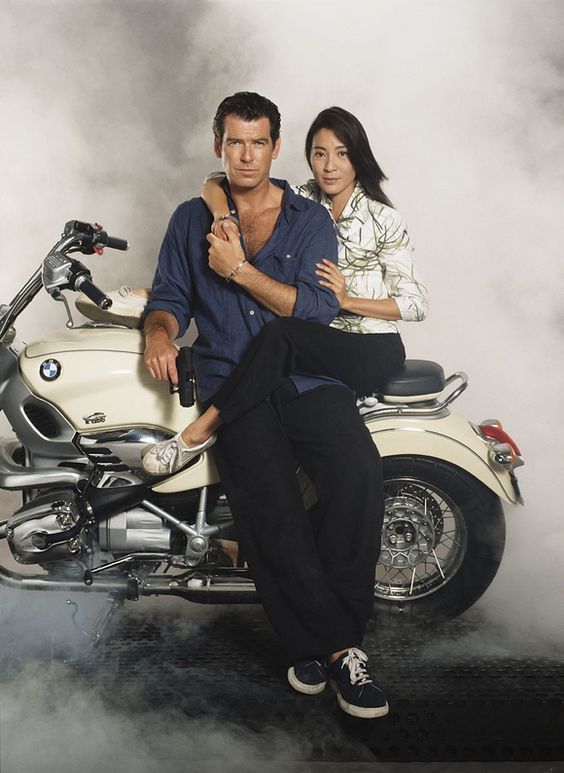
By the second Brosnan Bond, the playbook had been codified. BMW returned with the 750iL. Ericsson paid for the remote-controlled phone. Visa, Heineken, and Smirnoff signed as cross-promotional partners. Total integration value reached an estimated $100 million across all partners, exceeding the film’s marketing budget. MGM and Eon no longer had to finance traditional advertising at scale. The brands were doing it for them.
The World Is Not Enough (1999): Peak Equilibrium
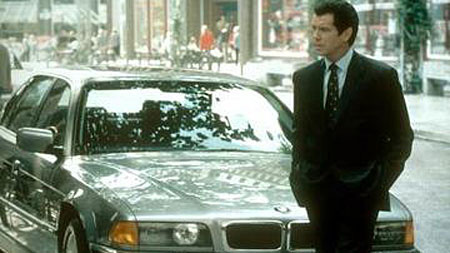
The third Brosnan Bond found the equilibrium that every subsequent placement deal has tried to replicate. Brosnan personally saw his per-film salary climb from $4 million on GoldenEye to $12.4 million on this one, plus gross participation points.
Die Another Day (2002): The Breaking Point
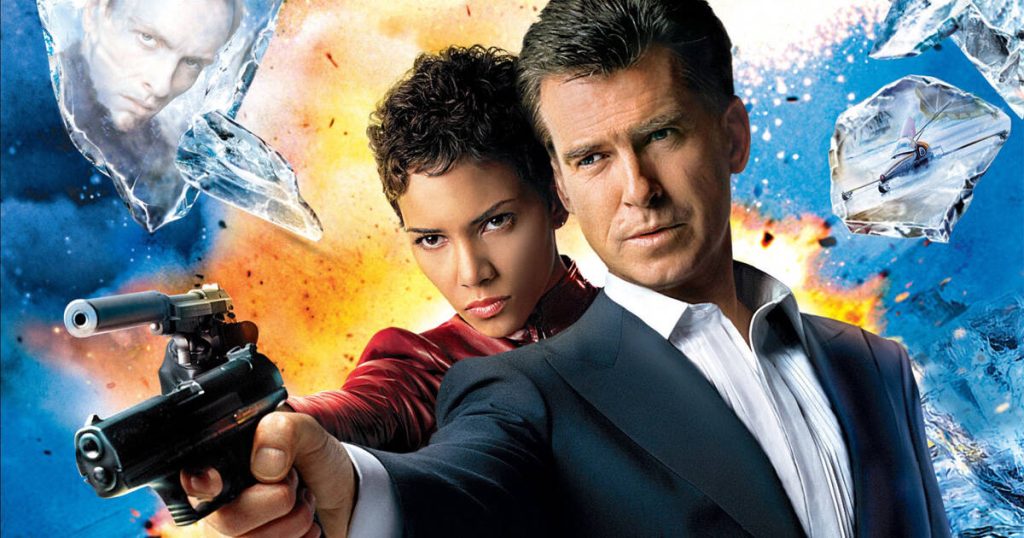
Die Another Day featured reportedly $120 million in total brand integrations across 24 separate brands. Critics nicknamed the film “Buy Another Day.” The film grossed $432 million but narratively damaged the franchise. Brosnan’s Bond tenure ended here. Across four films, Brosnan had helped generate an estimated $400 million-plus in total brand integration value and personally earned approximately $42 million in salary plus participation.
The Placement Economy: Why Every CMO Studies The Brosnan Era
Before Brosnan, product placement existed. After Brosnan, product placement became infrastructure. The Brosnan Bond era was the first franchise run in history where the placement revenue rivaled the theatrical revenue, and where the placement partnerships were structured as multi-film co-marketing commitments rather than one-off fees.
The core insight: the fee is the admission ticket. The co-marketing is where the real money moves. BMW paid $3 million to appear in GoldenEye. More importantly, BMW committed $75 million in advertising that featured James Bond appearing with the Z3. That co-marketing turned a $3 million placement into a $252 million pre-sale windfall.
The Malibu Chapter: What Brosnan Built Outside the Frame
By the end of his Bond tenure, Brosnan had accumulated enough capital to buy something most actors of his generation only rented: real estate at the top of the American luxury market. His Malibu compound, first acquired in the late 1990s, now spans multiple parcels along Broad Beach with a combined value above $100 million. The compound serves three purposes. It is his home. It is his studio. It is a kind of private sanctuary from the placement economy he helped build.
Brosnan has painted seriously since 1987, when his first wife Cassandra Harris was diagnosed with the ovarian cancer that would kill her three years later. His oils have been exhibited in Los Angeles, New York, and London. Individual pieces regularly clear $50,000 to $100,000 at auction, with proceeds directed to cancer research foundations.
Outside Malibu, Brosnan’s other significant residence is on the Hawaiian island of Kauai. He acquired the property in the 2000s and has used it as both a family retreat and a base for environmental activism on ocean conservation and anti-whaling efforts.
The $200 Million Net Worth Breakdown
Current estimates place Brosnan’s net worth at approximately $200 million. Acting salary and participation: approximately $80 million lifetime. Production company Irish DreamTime: approximately $30 million in realized equity. Real estate: approximately $100 million-plus, concentrated in the Malibu compound. Art and collectibles: approximately $10 million.
The composition matters. Brosnan’s wealth is not concentrated in acting residuals or brand endorsement equity. It sits in real estate that appreciates independently of his career, in production company participation that generated upside every time he starred in his own films, and in physical assets that hold value regardless of Hollywood cycles. The acting salary is the fuel. The real estate and production equity are the engine.
Three Lessons The Brosnan Case Proves
First, the fee is not the deal. The co-marketing is the deal. Second, saturation breaks the economy. Die Another Day proved that 24 brands in one film is too many. Third, durability beats spike. Omega has been Bond’s watch partner since 1995. Every brand founder should ask the same question Omega asked in 1995: is the placement a campaign or a platform? Only platforms compound.
Frequently Asked Questions
What is Pierce Brosnan’s net worth in 2026?
Pierce Brosnan’s net worth in 2026 is approximately $200 million. The fortune is anchored by his Malibu, California compound (estimated $100 million-plus on Broad Beach), four James Bond films generating $42 million in salary and participation, his Irish DreamTime production company, and lifetime acting earnings totaling approximately $80 million.
How many James Bond films did Pierce Brosnan make?
Pierce Brosnan starred in four James Bond films: GoldenEye (1995), Tomorrow Never Dies (1997), The World Is Not Enough (1999), and Die Another Day (2002), earning approximately $42 million in salary and participation across the franchise.
Why was Pierce Brosnan replaced as James Bond?
Brosnan was replaced after Die Another Day (2002) when MGM and Eon Productions rebooted the franchise with Daniel Craig in Casino Royale (2006), partly due to backlash against the 24 brand integrations in his final film that earned it the nickname “Buy Another Day.”
Where does Pierce Brosnan live?
Brosnan lives primarily at his Malibu, California compound on Broad Beach (valued at $100M+ across multiple parcels) and also owns property on Kauai, Hawaii, used as a family retreat and base for ocean conservation activism.
How much was Pierce Brosnan’s Bond era brand placement worth?
Brosnan’s four-film Bond run (1995-2002) generated an estimated $400 million-plus in total brand integration value across BMW, Aston Martin, Omega, Heineken, Smirnoff, Ericsson, and other partners. The BMW Z3 placement in GoldenEye alone generated 9,000 pre-sold units worth $252 million.
Related Reading
- Hollywood’s $26 Billion Hidden Economy
- Jude Law Net Worth
- Hugh Jackman Net Worth
- Chris Evans Net Worth
How To Work With Social Life Magazine
Pitch us at sociallifemagazine.com/contact. Paid features at sociallifemagazine.com/submit-a-paid-feature/. Polo Hamptons 2026 returns July and August. BMW North America title sponsor. Subscribe to print at sociallifemagazine.com/subscription.
Author

Written by
Recent Posts
Legal Options for Investment Fraud Claims

How Custom DTF Printing Adds Ease and Color to Your Boutique
How Often Should You Actually Replace Your Towels?
Apartment Pet Policies: What to Know as a Pet-Owning Tenant
Why Reliable Airport Transportation Matters for Modern Travelers
Categories
- Art
- Articles
- Business of Luxury
- Celebrities
- Culture
- Entertainment
- Events
- Faces of Summer 2026
- Fashion
- Fashion & Style
- Featured
- Finance
- Food, Spirits, Wine
- Hamptons
- Hamptons Celebrities
- Health
- Health & Beauty
- Lifestyle
- Luxury Lifestyle
- Press
- Profiles
- Real Estate
- Technology
- The Chronicles
- Travel
- Uncategorized
- Weddings