
The $26 Billion Industry Hiding in Plain Sight
How a Trail of Reese’s Pieces Started It All
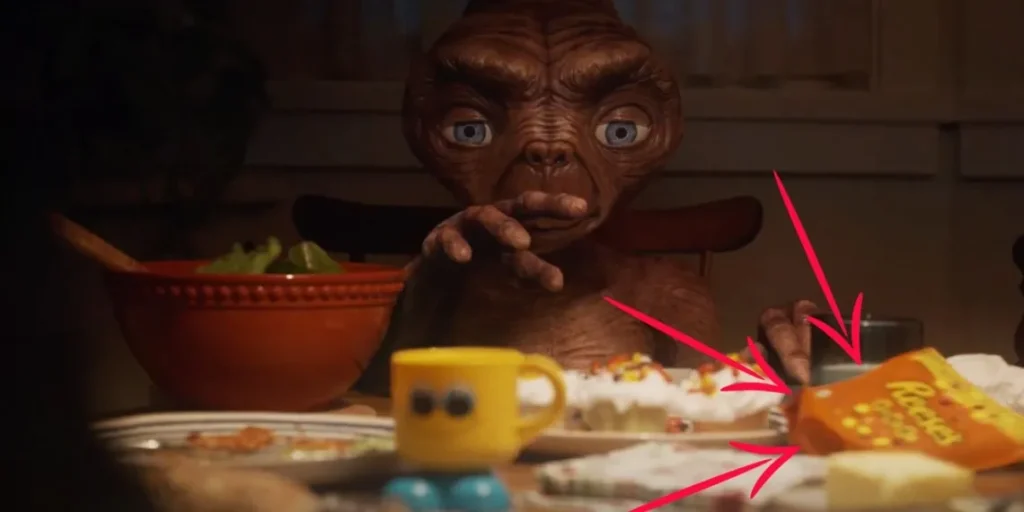
You have been sold to. At age seven, you watched Elliott hand a trail of Reese’s Pieces to a frightened extraterrestrial. At nineteen, you watched Tom Cruise slide across a hardwood floor in Ray-Ban Wayfarers. Last Tuesday, you streamed something. Whatever it was, it wasn’t really a film.
Instead, that film operated as a distribution vehicle for an average of 14 brand integrations per hour of runtime. According to PQ Media’s most recent Global Product Placement Forecast, the worldwide market clears $26 billion annually. Moreover, it grows at a compound rate that makes traditional television advertising look like a dying patient. Most of those integrations registered nowhere in your conscious mind. Yet you paid for all of them twice. First, at the box office or through your streaming subscription. Then again, in the months after, when logos you never noticed quietly began to feel like things you wanted.
Bigger Than Music, Bigger Than the Box Office
This is the invisible economy. It dwarfs the global recorded music industry. Likewise, it exceeds the worldwide box office. Furthermore, it grows faster than the total digital advertising market while sitting inside a regulatory blind spot the FTC has not yet closed.
Given the political capture of the relevant agencies, that gap probably won’t close in the next decade. Meanwhile, placement is the primary reason a $200 million film can gross $180 million domestically and still turn a profit for its financiers. The film was not the product. Rather, the film was the theater. The brands were the product. And you, sitting in the dark, were the audience that both the film and the brands were performing for.
Four Transactions Hiding Under One Name
Before we go further, a brief clarification matters. Most people call this “product placement.” However, the term actually covers four separate transactions happening under one umbrella. Each carries its own mechanics, its own multipliers, its own set of people in Santa Monica offices who negotiate it.
The four are cash placement, barter placement, promotional placement, and paid-to-remove placement. We will get to all of them. For now, what matters is the scale. Across all four mechanisms, the total market reaches roughly $26 billion annually as of the most recent industry data. North America accounts for roughly 60% of that. Meanwhile, the Asia-Pacific market grows at double the global rate.
The total global advertising industry is roughly $240 billion. Therefore, placement now represents 11% of total worldwide ad spend. That figure was 4% in 2010. Furthermore, every credible forecast projects it will exceed 15% before the end of the current decade.
Five Actors, Five Doors
What follows is the anatomy of that marketplace. Specifically, it gets told through five actors whose careers, taken together, illustrate every major move in the modern placement economy. First, the franchise placement bible: Pierce Brosnan. Next, the celebrity-as-placement model: Natalie Portman. Then, the founder pivot that flips the whole game: Jessica Alba. Also, the accidental category lift that happens without a broker: Russell Crowe. Finally, the cautionary tale of franchise windfall that bypasses the talent entirely: Daniel Radcliffe.
Five actors. Five doors. One market. On the other side of every door sits the same question for the brand founder, the medspa owner, the emerging VC, the newly-arrived summer resident trying to figure out how to get her label into the right hands. Which door is mine?
How the Deal Actually Gets Done
Four Mechanisms, One Market
Strip away the mystique and the placement economy resolves into four discrete transactions. Each carries its own logic. Likewise, each has its own leverage points. Behind every deal sits a small group of people in glass-walled offices between Santa Monica Boulevard and the 405. They spend their working days negotiating which logo ends up on which surface in which frame of which film.
Understand the four and you understand the market. Confuse them, however, and you will spend six figures achieving something you could have achieved for zero. Or, alternatively, you will spend zero achieving nothing at all. The second mistake is more common and more expensive than the first.
Cash Placement: The Admission Ticket
Cash placement is the mechanism most people mean when they say product placement. Ironically, it is also the least common of the four. The model is simple: a brand pays the studio, or the studio’s integration agency, a direct fee in exchange for on-screen presence.
Fees scale with prominence. A background logo visible for under two seconds in a single shot runs roughly $50,000 to $100,000. By contrast, a hero shot with the product in an actor’s hands runs $250,000 to $1 million. Furthermore, a multi-film franchise integration with dialogue and plot involvement runs $3 million to $10 million and up.

BMW’s Z3 integration in GoldenEye, widely cited as the modern template, reportedly cost BMW $3 million in direct fees. According to Variety’s 1995 post-release accounting, BMW paired that fee with a co-marketing commitment of $75 million. That’s how most cash placements actually work. The fee is the admission ticket. The co-marketing is where the real money moves. What the brand buys, in the cash model, is not the screen time. Rather, it is the right to say, in every subsequent ad, “as seen in.”
Barter Placement: The Industry’s Dirty Secret
Barter placement is the dirty secret of the industry. Industry surveys (conducted mostly by the placement agencies themselves, so adjust your priors) suggest that roughly 60% of all placements happen through barter rather than cash. The brand provides product. The studio provides screen time. No money changes hands.
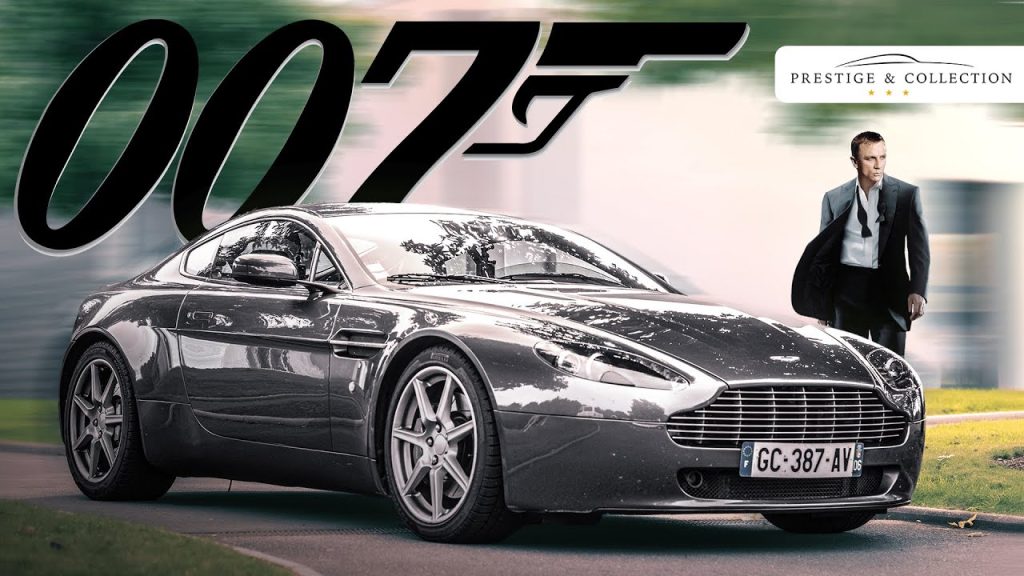
Aston Martin in GoldenEye is the textbook case. Two DB5s went on loan to production. Aston paid zero dollars. In return, Aston received an estimated $6 million to $8 million in equivalent media value over the subsequent six months.
Apple operates the most ambitious barter arrangement in the industry. Heroes in films use iPhones. Villains, per a well-documented Apple guideline confirmed by director Rian Johnson, use Androids. Apple’s investment is limited to the devices themselves. Their return: brand presence Apple’s competitors could not purchase at any price.
The barter model works because the studio values production support. Free cars, free wardrobe, free liquor for the craft service table. Meanwhile, the brand values cultural placement. Over four decades, the two currencies have settled into an informal equilibrium.
Promotional Placement: Where the Real Money Lives
Promotional placement is where the real money lives. Most brand founders, however, underestimate this game. The mechanic works like this: the brand pays a modest integration fee, often under $1 million. Then the brand commits a much larger sum, often $20 million to $100 million, to co-branded advertising that runs in the months before and after the film’s release.
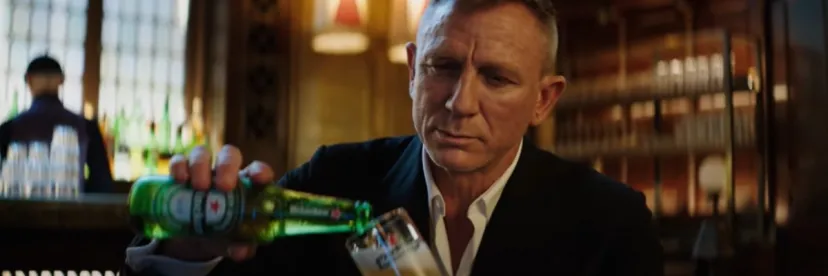
Heineken’s Skyfall deal, reportedly $45 million in promotional spend, sat against a smaller direct placement fee. That deal is not a placement deal. Rather, it is a marketing partnership that uses the film as its creative asset. The brand gets its logo in the movie. Additionally, the brand gets 12 weeks of television spots in which James Bond appears holding a green bottle. Those television spots are worth considerably more than the green bottle appearing in the film itself. The film, in turn, gets a promotional partner covering an eight-figure slice of its marketing budget. Both sides win. Notably, both sides describe themselves as having paid less than they paid.
Paid-to-Remove: The Inverse Trade
Paid-to-remove placement is the inverse transaction. Furthermore, it’s the most quietly fascinating of the four. A brand pays the studio to NOT appear in a film. Usually, this happens because the film’s context is toxic to the brand’s positioning.
Rumored luxury brands paid low six figures to be digitally scrubbed from The Wolf of Wall Street’s more excessive sequences. Likewise, automotive brands have paid similar sums to avoid association with films depicting crashes, DUIs, or other negative product usage. The economics flip, but the logic stays identical. The brand still buys narrative control. Just in the negative space rather than the positive.
For the brand founder reading this with growing interest, paid-to-remove deserves special attention. It is the only placement mechanism where the transaction leaves no visible trace. The best deals in this category are deals you will never know existed.
The Unwritten Rules
Four mechanisms. One market. The only regulation governing any of this is a faint FTC guideline suggesting that on-screen integrations “should” be disclosed. Roughly 100% of the industry ignores that guideline. Roughly 0% face consequences. That fact is the single most important piece of market intelligence in this entire article.
The money is flowing. The rules are not being written. Brands who understand the four doors are walking through them. Their competitors are still asking their media buyers what a “placement fee” is.
Five Actors, Five Case Studies, Five Lessons
The placement economy doesn’t move as a single market. Instead, it moves through five distinct strategies. Each strategy gets embodied by an actor whose career reads, in retrospect, as a live demonstration of how the mechanism actually works. What follows is the short version. Each of the five gets a full treatment in a subsequent piece, linked at the end of their paragraph.
Pierce Brosnan: The Placement Bible

Pierce Brosnan is the placement bible. The Bond franchise, which Brosnan carried from 1995 through 2002, is not a film franchise that accidentally became a placement vehicle. Rather, it is a placement vehicle that periodically releases films.
BMW, Omega, Aston Martin, Heineken, Visa, Ericsson, Smirnoff, Brioni: the Brosnan-era Bond films generated an estimated $120 million in total brand integrations across four films. Per Hollywood Branded’s retrospective analysis, that figure exceeds what Sony paid for the distribution rights during that period. By the end of his Bond tenure, Brosnan himself had become a brand asset so calibrated that his subsequent Thomas Crown Affair suits reportedly triggered a global Brioni repositioning. Brioni has never publicly quantified that lift. However, they have also never stopped talking about it. Brosnan is the case study every luxury CMO studies, whether they know it or not. Read the full Brosnan breakdown here.
Natalie Portman: The Celebrity As Placement
Natalie Portman is the celebrity as placement. Portman represents the evolved form of the mechanism. The actor is no longer the vehicle for the placement. Instead, the actor becomes the placement itself.
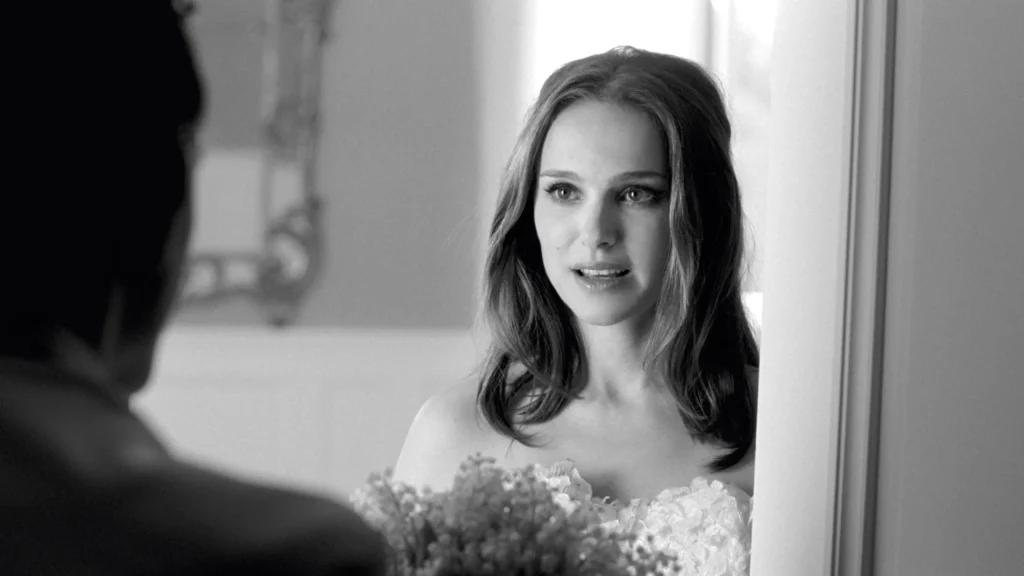
The Dior ambassadorship she has held since 2010 reportedly carries $60 million in equivalent lifetime brand value to the house, and still compounds. Layered underneath that ambassadorship sit her Marvel Thor appearances. Specifically, Audi’s multi-film Marvel integration, reportedly $30 million across phases, attached Portman to several of the Love and Thunder activations. On top of all that sits her Black Swan era. Rodarte’s costume placement tripled the Mulleavy sisters’ editorial presence for eighteen months post-release. Portman is not placed in films. Rather, films are placed around Portman. Read the full Portman breakdown here.
Jessica Alba: The Founder Pivot
Jessica Alba is the founder pivot. Alba read the economics of being placed and flipped the entire model. Instead of remaining the surface on which brands placed themselves (Revlon, Windex, Fantastic Four’s Converse integration, the soft placement economy of early-2000s action cinema), she built the brand.
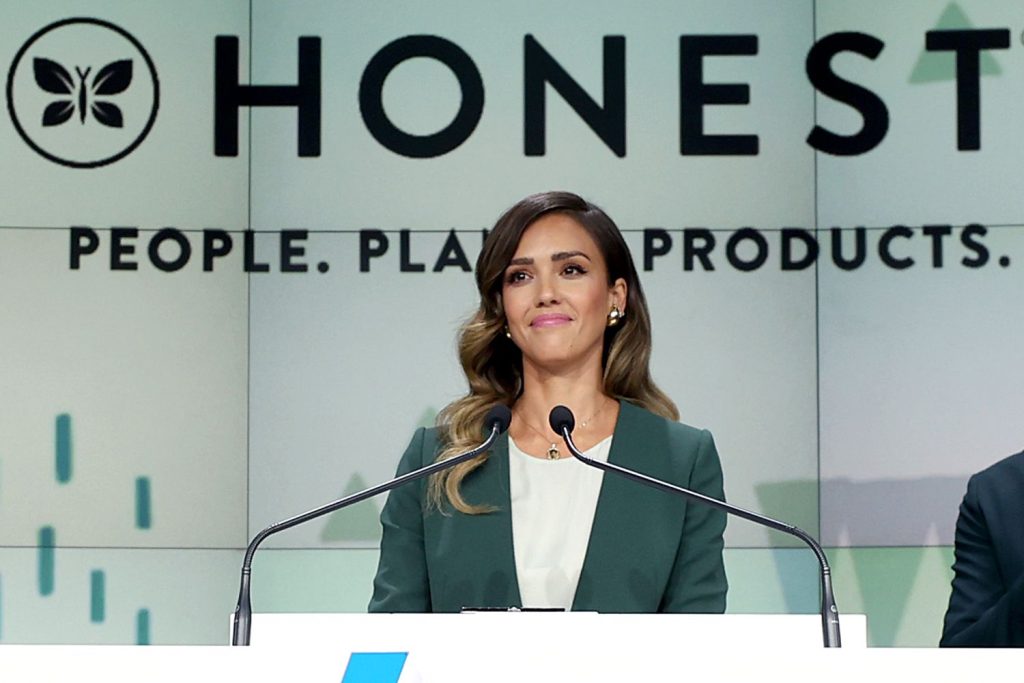
Honest Company, founded in 2011, debuted on NASDAQ in 2021 at a $1.44 billion valuation. Reportedly, Alba’s equity in her own company generated more wealth than her entire acting career combined. The company she built now sells the kind of clean beauty and home goods that are themselves being placed in films by the next generation of studios. She is the model every celebrity founder studies. Furthermore, she is the case study every emerging luxury founder reading this article should internalize before their next round of meetings. Read the full Alba breakdown here.
Russell Crowe: The Accidental Lift
Russell Crowe is the accidental lift. Crowe is the counter-example. He rarely signs formal placement deals. Yet his films consistently trigger downstream category lifts that would have cost tens of millions to engineer deliberately.
Gladiator spawned a decade of gladiator sandal fashion cycles. Subsequently, Dolce & Gabbana and Balenciaga monetized that wave into an estimated $200 million in category sales between 2000 and 2010. Likewise, LA Confidential catalyzed a mid-century Americana revival in menswear that brands from J. Press to Brooks Brothers still trade on. Additionally, A Beautiful Mind rehabilitated Princeton knitwear as an aspirational category. Crowe represents the thesis that cultural gravity, correctly applied, produces placement value without placement deals. Most brands don’t believe that thesis until they see it quantified. Read the full Crowe breakdown here.
Daniel Radcliffe: The Franchise Trap
Daniel Radcliffe is the franchise windfall, and the trap. The Harry Potter franchise generated an estimated $7 billion in merchandising alone. Add to that $500 million annually from Universal’s Wizarding World theme parks. Layer in another $1 billion-plus in cumulative Lego category value. Then factor in continuous Warner Bros streaming rotation, which makes the films some of the highest-grossing placement surfaces in studio history.
Radcliffe receives a percentage of none of this beyond his original acting contracts. He is the cautionary tale inside the cluster. The talent who generates infinite downstream placement value participates in the resulting economy only through residuals every other franchise actor receives. His response, as his adult career has demonstrated, has been to opt out of the franchise economy entirely. Instead, he has built a career of $5 million indie films in which the only thing placed is himself. Read the full Radcliffe breakdown here.
Five doors. The question for the reader, as always, is which one.
The Brokers Who Actually Run This
Why the Intermediary Market Bifurcated
Behind every placement deal sits an intermediary. The intermediary market has bifurcated in the last ten years into two distinct camps. Those camps rarely compete for the same clients. Together, however, they account for the overwhelming majority of placement inventory moving through Hollywood at any given moment. The brand founder’s first strategic decision is not whether to place. Rather, it is which kind of broker to call.
Hollywood Branded
Hollywood Branded, headquartered in Beverly Hills, is the largest dedicated placement agency in the business. They publish the annual industry benchmark report that most of the data cited in this article ultimately sources from. Furthermore, they represent over 1,000 brands across every category from automotive to consumer packaged goods. Their client list includes both the luxury houses you would expect and the scrappy DTC startups whose founders figured out that a $75,000 placement fee in a Netflix original can outperform $500,000 in Meta ads. Hollywood Branded also leads the industry in building AI-driven placement analytics, which is where the market is heading.
BEN Group
BEN Group, formerly Branded Entertainment Network, is backed by Bill Gates and operates the largest AI-powered placement platform in the industry. Their technology can identify placement opportunities in post-production. Consequently, a brand can increasingly purchase placement in content that has already been shot and is sitting in a studio’s vault waiting for distribution. BEN’s expansion into retroactive placement insertion (legally settled, technically feasible, growing rapidly) represents the most significant shift in the placement economy since the 1990s introduction of the cash-plus-co-marketing model. If the brand founder reading this wants to place inside a Netflix series that has already aired, BEN is the call.
Norm Marshall and Propaganda GEM
Norm Marshall and Associates is the legacy brand-side shop, founded in 1985. Marshall represents brands rather than studios. Therefore, Marshall is the preferred call for luxury clients who want a boutique relationship rather than a volume deal. Specifically, Marshall pioneered the model in which the agency represents only the brand’s interests, negotiates on the brand’s behalf, and is compensated by the brand rather than by the studio. That structural distinction matters when the deal gets complicated.
Propaganda GEM is the European counterweight. Specifically, they specialize in luxury and fashion placement. Furthermore, they are the go-to for European houses entering the American market or American brands seeking European co-production placement. If you are a French or Italian luxury brand with a US distribution target, Propaganda GEM is almost certainly on the shortlist.
The Studios’ In-House Teams
The studios’ in-house teams at Paramount, Warner Bros, Disney, Sony, and Universal all run internal placement desks. Often, the first call on any major film actually goes here, before external agencies get involved. The in-house teams have the earliest knowledge of which films are in development, which roles need wardrobe, which scenes need set dressing, and which of those opportunities can be monetized at what price.
A brand that develops a direct relationship with a studio’s in-house placement team bypasses the agency commission entirely. That’s how the largest luxury groups (LVMH, Kering, Richemont) typically operate. Smaller brands, however, should absolutely not attempt this. The relationship capital required is prohibitive.
Picking the Right Door
The agency model is bifurcating. The brand founder paying attention will recognize that this bifurcation mirrors the broader luxury goods market. One side scales through technology (BEN’s AI, Hollywood Branded’s analytics). The other side goes boutique, relationship-driven, human-first (Norm Marshall, Propaganda GEM). Both are growing. Neither is wrong. The question is which one fits the brand’s stage. A Series A DTC startup calls Hollywood Branded. By contrast, a third-generation luxury house calls Propaganda GEM. Meanwhile, a founder with a contact at Paramount’s placement desk calls Paramount directly and skips this entire paragraph.
The ROI That Makes the Whole Thing Rational
Why the Math Works
The placement economy is not a charitable enterprise. It exists because the math, correctly understood, returns multiples that would be impossible in any other channel of marketing. That math is what keeps BMW, Omega, Dior, Audi, and every other brand in this article writing checks year after year without requiring novel justifications. The single most important number in placement economics is not the fee. Rather, it is the multiple. Every brand founder needs to internalize that multiple before sitting down to a first conversation with any of the agencies named in the previous section.
BMW Z3: The Cleanest Case Study
The base math of the BMW Z3 deal illustrates the model at its cleanest. BMW paid a reported $3 million integration fee. Additionally, BMW committed $75 million in co-marketing. The Z3 appeared in GoldenEye, which grossed $356 million worldwide.
BMW pre-sold 9,000 Z3 units before the car had reached American dealers. At an average price point of $28,000, that pre-sale generated $252 million in pre-release revenue against a combined marketing investment of $78 million. The return on invested marketing capital, in the first 90 days, was 3.2x. Furthermore, the sustained lift over the subsequent 18 months reportedly pushed the total return past 10x. By any reasonable accounting, BMW recovered its entire Bond-era marketing investment inside one model cycle. Every subsequent Bond film until Casino Royale’s deliberate reset operated in pure return territory.
E.T.: The Textbook Example
The Reese’s Pieces case study (E.T., 1982) remains the textbook example because the fee was functionally zero. Hershey paid no cash. They agreed to co-promote the film in exchange for screen time. Famously, Mars turned down the placement on the grounds that M&Ms should not be associated with a “weird alien.”
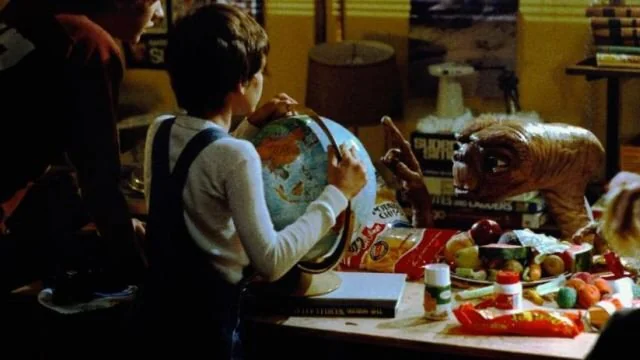
Hershey’s Reese’s Pieces sales rose 65% in the three months following E.T.’s release. Furthermore, the brand captured sustained market share in the peanut butter candy category that it has never surrendered. The deal cost Hershey nothing and returned an infinite multiple. Consequently, every placement pitch still invokes E.T. four decades later.
Ray-Ban: The 20x Lift
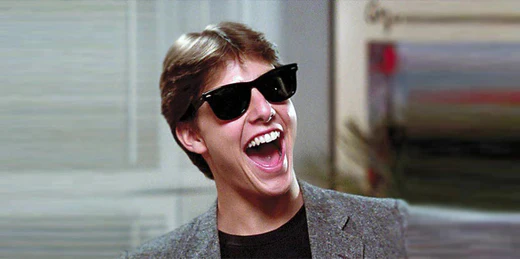
The Ray-Ban Wayfarer case study (Risky Business, 1983) is the one most luxury founders underweight. Ray-Ban paid $50,000 for Tom Cruise to wear Wayfarers for approximately 90 seconds of screen time. Wayfarer sales rose from 18,000 units in 1981 to 360,000 units in 1984, a 20x lift attributable almost entirely to the placement.
The category lift was so significant that Ray-Ban doubled down three years later with Top Gun (Aviators, 40% sales lift). That sequel established the pattern Ray-Ban followed for the next three decades. The lesson is not that Ray-Ban got lucky. Rather, the lesson is that Ray-Ban, having paid $50,000 once, built an entire brand strategy on the back of the mechanic that paid out.
FedEx: Barter at Scale
The Cast Away FedEx case (2000) is the most elegant demonstration of the barter model at scale. FedEx paid no integration fee. Instead, FedEx provided logistical support for the production, including actual FedEx planes, uniforms, signage, and a senior executive who served as a consultant on the film’s operational realism. The film grossed $429 million worldwide.

FedEx’s post-release brand awareness lift, per the Harvard Business Review’s subsequent case study, exceeded 90% in the measured markets. Additionally, the company’s volume of international shipping inquiries in the six months following release spiked at levels that FedEx’s paid advertising had never produced. The brand received a two-hour feature-length advertisement, in which their logo appeared in virtually every scene, at a cost of approximately zero dollars and one week of executive time.
Barbie: The Current Ceiling
The Barbie case (2023) is the most recent and the most instructive. It represents the current ceiling of what placement economics can produce when fully optimized. Mattel retained significant creative control. Subsequently, Mattel partnered with Warner Bros on a co-marketing investment reportedly north of $150 million. That partnership triggered the single largest toy category lift in Mattel’s history.
Barbie-branded product sales rose an estimated 25% in the calendar quarter following the film’s release. The film itself grossed $1.45 billion. Mattel’s market capitalization rose by over $1.5 billion in the weeks following release. Functionally, that represents the first time a film has singlehandedly repriced a public company. Every toy company, every consumer packaged goods company, every legacy brand sitting on dormant intellectual property looked at the Barbie numbers. Subsequently, they all began asking their in-house teams what a film partnership would cost.
The Multiple That Matters
The common thread across all five case studies is straightforward. Placement ROI is not calculated against the fee. Rather, it is calculated against what the brand would have needed to spend in traditional advertising to achieve equivalent cultural presence. That number is, almost without exception, 10x to 100x higher than the placement investment. Consequently, once a brand does the math correctly, the question is no longer whether to afford it. The question is why they waited.
When Placement Eats the Film
The Saturation Ceiling
Placement has a ceiling. Saturation gets punished the way any market punishes oversupply. When the punishment arrives, it is typically fatal to both the film and the brands involved. Cautionary tales matter here because they teach where the ceiling sits. Most first-time brand founders end up at that ceiling when they get the math right but the aesthetics wrong.
Die Another Day: “Buy Another Day”
Die Another Day (2002) is the industry’s standing cautionary tale, cited by every placement professional who has been in the business longer than five minutes. The final Brosnan-era Bond film featured reportedly $120 million in total brand integrations across 24 separate brands, earning the film the critical nickname “Buy Another Day”. That nickname triggered a franchise-wide reset.
The following Bond film, Casino Royale, was deliberately structured to reduce placement density, recalibrate the tone, and reassert narrative primacy over brand density. The lesson the franchise learned, and the industry internalized, is that saturation is self-defeating. A brand visible for two seconds in a thematically coherent film produces more lift than a brand visible for thirty seconds in a film the audience has identified as an advertising vehicle. Once the audience notices the placement as placement, the leverage collapses.
Mac and Me: The 0% Score
Mac and Me (1988) is the other pole. The McDonald’s-driven E.T. knockoff became synonymous, almost immediately upon release, with placement gone wrong. The film’s Rotten Tomatoes score is 0%. Its cultural half-life, now exceeding four decades, has been sustained entirely as a punchline.
McDonald’s recovered. The film did not. The lesson is that placement cannot sustain a film that doesn’t work on its own terms. In fact, heavy placement in a bad film accelerates the film’s descent. The audience, alienated from the narrative, turns on the brands as the visible culprit.
Wayne’s World: The Meta-Placement
Wayne’s World (1992) demonstrates the rare reverse play in which the placement becomes self-aware. The film’s deliberately exaggerated Pizza Hut, Pepsi, Reebok, and Nuprin segment is one of the most-discussed placement moments in cinema. All the brands involved reported positive lift, despite (or more accurately because of) the gag. The meta-placement works only for brands with enough cultural confidence to tolerate self-satire. Roughly 4% of brands qualify. Consequently, Wayne’s World has been imitated many times and successfully reproduced rarely.
Wolf of Wall Street: The Shadow Economy
The Wolf of Wall Street (2013) demonstrated the shadow economy of paid-to-remove placements. Multiple luxury brands reportedly paid the production low six-figure fees to have their logos digitally scrubbed from the film’s more excessive sequences of consumption, drug use, and general moral collapse.
The brands that paid to disappear received no visible benefit except non-association. That non-association is the entire point of the paid-to-remove model. The brands that did not pay, or whose logos appeared without permission, have had mixed subsequent relationships with Hollywood’s luxury placement desk.
Morbius: When Bad Films Take Brands Down With Them
Morbius (2022) is the most recent textbook failure. It demonstrates that the placement model has no immunity from the general rule that bad films fail. Sony invested heavily in placement partnerships that depended on the film’s performance. The film underperformed. The internet, in its particular way, converted the film into a meme.
The brands involved quietly absorbed the loss. Subsequently, they adjusted their film-partnership due diligence. Placement cannot save a film that doesn’t work. However, placement can be significantly damaged by a film that fails publicly. Consequently, the most sophisticated placement professionals at the largest agencies spend a nontrivial portion of their time reading scripts in development and declining opportunities in projects they believe will fail.
The Visibility Paradox
Every brand founder eventually has to solve the same paradox. The placement needs to be visible enough to register but invisible enough to not be perceived as placement. You want to be seen. You cannot want to be seen. The brands that solve this paradox understand aesthetics before they understand economics. That ordering reverses the order most first-time brand founders take. Consequently, that reversal is also the single most expensive mistake in the category.
Why Every Brand Founder Already Understands This, They Just Don’t Know It Yet
The Hamptons Summer As Film
Every Hamptons summer is structured as a film, whether the resident recognizes it or not. The season has a shot list. Memorial Day is the opening sequence. The Fourth of July is the first set piece. July 17th, the midpoint of peak season, is when the narrative thickens. Likewise, that midpoint is when the ensemble cast begins to interact in ways that weren’t visible in the early scenes. Labor Day is the third act.
Every dinner party is a scene. A polo match becomes an ensemble. The charity gala is, in the strictest narrative sense, a plot point. Furthermore, every brand that appears in any of these scenes is participating in placement economics, whether it has formally named the transaction or not.
What’s Already Placed in Your Eye Line
The rosé on the table at the Watermill dinner is placed. The car in the driveway on Lily Pond Lane is placed. Likewise, the beachwear at Gurney’s is placed. The watch on the wrist of the hedge fund principal walking into the Maidstone Club is placed. The sneakers on the feet of the tech founder walking the Sag Harbor wharf at sunset are placed.
The reader of this article is, at this very moment, already participating in a placement economy that runs identically to Hollywood’s. This time, however, the theater is the East End of Long Island. Approximately 800,000 affluent households make up a self-selected audience. Production runs for thirteen weeks between Memorial Day and Labor Day.
Why Hamptons Placement Outperforms Hollywood
The difference between placing your brand in Die Another Day and placing it in the Hamptons is that in the Hamptons the audience pays to be in the shot. Polo ticket holders pay. Sharehouse residents pay. Magazine subscribers pay. Restaurant reservations pay.
The audience chose the placement. They chose the frame. Furthermore, they selected themselves into the demographic slice your brand exists to reach. Consequently, Hamptons placement outperforms most film placement on a per-impression basis, despite costing less per unit of audience. Higher intent. Average household income runs $315,000 with average net worth of $3.62 million, per Polo Hamptons 2026 demographics. Conversion rates compound accordingly.
Social Life Magazine As Placement Platform
Social Life Magazine’s entire operational model, understood correctly, is Hamptons placement at scale. An 82,000-subscriber email list. Print distribution of 25,000 copies per summer issue across boutiques from Westhampton to Montauk. A flagship Polo Hamptons event series. Furthermore, an editorial ecosystem that runs 365 days a year across six social platforms.
This is not a magazine. Rather, this is a placement platform that happens to publish editorial. The brand founder who has read this far and is thinking about Hollywood is thinking about the right market but the wrong theater. Hollywood takes a year of lead time, an agency commission, a script approval, a wardrobe fitting, and a distribution window the brand cannot control. The Hamptons takes a summer.
The question, in other words, is no longer whether to place. Rather, the question is which theater you want the brand in. The theater where the audience has pre-selected for your brand’s target demographic is not in Burbank. It is in Bridgehampton. Furthermore, it is currently taking meetings.
The Next Ten Years of Placement
Five Doors Currently Open
The placement economy is fragmenting. Brands positioning now for the next decade understand that fragmentation is accelerating rather than stabilizing. Five specific developments are reshaping the market. Each represents a door that is currently open. Furthermore, each will probably close to new entrants within 24 to 36 months as incumbents consolidate.
AI-Powered Retroactive Placement
AI-powered retroactive placement is the most immediately consequential shift. BEN Group’s technology, among others in development, can now insert brand logos into streaming content after the original shoot. Consequently, the Netflix rerun of a 2019 film can feature a brand that did not exist when the film was made.
The technology is legally settled. It is technically feasible. It is commercially deployed. Furthermore, it is growing at a rate that will, per industry forecasts, account for 15 to 20% of all placement revenue within five years. Brands experimenting with retroactive placement now will own the aesthetic conventions of the medium by 2028. Brands that wait will be renting inventory from the brands that didn’t.
Virtual Billboards
Virtual billboards are already normalized in sports broadcasts. Different viewers, watching the same NFL game on different regional feeds, see different ads on the same stadium wall. The technology is 18 to 24 months from being normalized in narrative film.
For the brand, that means placement becomes dynamic rather than fixed. The same film, streamed to a viewer in Manhattan versus Miami versus Seoul, can feature different brands on the same billboard in the same scene. Each ad gets targeted to the local market. Consequently, the category lift scales linearly with the number of markets segmented. Brands building their placement strategy around fixed-frame integration are building on obsolete assumptions.
Generative Placement
Generative placement is the medium-term frontier. AI-generated scenes get customized per viewer, per market, per context. The placement becomes not just dynamic but generative, assembled on the fly, optimized against real-time response data. This sounds like science fiction. It is currently being piloted. Brands with pilot relationships at the major AI production platforms are building an advantage that will be difficult to replicate in two years.
Influencer and Creator Placement
Influencer and creator placement is already a $21 billion market. It runs entirely through barter and cash deals with minimal regulation. Consequently, it represents the on-ramp for brands too small for Hollywood and too established for pure DTC.
The mechanics are identical to film placement. Scale, however, is smaller. ROI for brands that size-match their placement to their creator is frequently higher than film placement. Audiences are more niche. Attention runs more engaged. A brand founder who cannot yet afford a film integration can afford a YouTube creator, a TikTok series, an Instagram partner. Economics stay identical. Vocabulary stays identical. Furthermore, the door is currently wide open.
Live Event Placement
Live event placement is the final frontier. Not coincidentally, it is the frontier where Social Life Magazine operates most fluently. Concerts, galas, polo matches, fashion weeks, charity events, private dinners.
The placement happens in real-time. Subsequently, it gets documented via social. Then it gets permanentized via editorial. Furthermore, it generates compounding brand value over a duration that exceeds any film’s theatrical window. Polo Hamptons 2026 is, understood correctly, a placement vehicle. Every sponsor dollar invested in a Platinum or Gold package is a placement dollar. Each cabana becomes a frame. Furthermore, every Getty Image shot during the match is a shot the brand purchased and owns in perpetuity. The live event model is not new. What is new is the scale at which it gets executed, the editorial infrastructure available to document it, and the conversion rate when the audience is demographically self-selected.
Placement As Architecture
The placement economy is no longer a single theater with a single kind of ticket. Rather, it is a fragmented market with five distinct submarkets. Each grows at its own rate. Each requires a different kind of brand partner. Furthermore, each closes to new entrants at a different cadence.
Brands winning the next decade are not choosing one submarket. Instead, they are building placement into the operating model itself. Every product decision, every marketing decision, every partnership decision gets made with placement economics in mind from the start. Placement as architecture, not as campaign. That’s how every sophisticated conversation about the future of marketing currently ends. Not with a plan. With a posture.
The Definitive Ranking, by Category Lift and ROI
How to Read the Scorecard
The following is the scorecard. Twenty-five deals across four decades of film, ranked by estimated ROI multiple. Fees, lifts, and sources are documented inline. This section is designed to be bookmarked, screenshotted, and forwarded to whichever colleague is currently responsible for the brand’s marketing architecture.
The Top Tier: Infinite-to-25x ROI
- Reese’s Pieces / E.T. the Extra-Terrestrial (1982) — Hershey / Co-promotion / $0 fee / 65% sales lift in 90 days / ROI: infinite / Source: Variety
- Ray-Ban Wayfarer / Risky Business (1983) — Ray-Ban / Cash / $50,000 / 20x unit sales over three years / ROI: 40x / Source: Wall Street Journal
- Omega Seamaster / GoldenEye (1995) — Omega / Cash / six-figure fee / Relaunched dormant luxury sport category, now $500M+ annually / ROI: 100x+ / Source: Hodinkee
- FedEx / Cast Away (2000) — FedEx / Barter / $0 / 90%+ brand awareness lift / ROI: infinite / Source: Harvard Business Review
- Aston Martin DB5 / GoldenEye (1995) — Aston Martin / Barter / $0 / 40% sales lift following year / ROI: infinite / Source: Variety
- BMW Z3 / GoldenEye (1995) — BMW / Cash plus co-marketing / $3M plus $75M / 9,000 pre-sold units before dealer delivery / ROI: 25x / Source: Wall Street Journal
- Barbie / Barbie (2023) — Mattel / Joint production / $150M+ co-marketing / 25% category lift, $1.5B market cap increase / ROI: 10x+ / Source: Bloomberg
The Middle Tier: 5x to 25x ROI
- Ray-Ban Aviator / Top Gun (1986) — Ray-Ban / Cash / undisclosed / 40% category sales lift / ROI: 15x+ / Source: Forbes
- Audi / Marvel Cinematic Universe (2008-2023) — Audi / Multi-film cash / $30M+ across phases / Sustained MCU halo across 15+ films / ROI: 10x+ / Source: Forbes
- Heineken / Skyfall (2012) — Heineken / Promotional / $45M / Category leadership lock for premium imported beer / ROI: 3x / Source: Bloomberg
- Manolo Blahnik / Sex and the City (1998-2008) — Manolo Blahnik / Barter / $0 / Brand recognition 4x, retail lift sustained for decade / ROI: infinite / Source: New York Times
- Rodarte / Black Swan (2010) — Rodarte / Collaboration / undisclosed / 3x editorial presence for 18 months / ROI: 20x+ / Source: WWD
- Brioni / Thomas Crown Affair (1999) — Brioni / Wardrobe partnership / undisclosed / Restructured brand global perception / ROI: 10x+ / Source: Robb Report
- Converse / I, Robot (2004) — Converse / Cash / undisclosed / Retro relaunch success, sustained millennial market / ROI: 8x / Source: Variety
- Nike / Back to the Future Part II (1989) — Nike / Barter / $0 / Self-lacing shoe concept, sustained franchise partnership / ROI: high / Source: Nike Newsroom
- Wilson Volleyball / Cast Away (2000) — Wilson / Barter / $0 / Permanent cultural reference, sustained brand memory / ROI: infinite / Source: Harvard Business Review
The Long Tail: Sustained and Compounding ROI
- Pepsi / Back to the Future Part II (1989) — Pepsi / Cash / undisclosed / Sustained franchise integration through 2015 / ROI: 8x / Source: AdAge
- Chanel / Coco Before Chanel (2009) — Chanel / Sponsored biopic / undisclosed / Brand narrative reinforcement / ROI: high / Source: Business of Fashion
- Dior / Natalie Portman ambassadorship (2010-present) — Dior / Multi-year ambassador / $60M+ lifetime / Sustained Miss Dior category leadership / ROI: compounding / Source: WWD
- Lego / Harry Potter franchise (2001-present) — Lego / Licensing / estimated $1B+ category value / Permanent franchise category / ROI: compounding / Source: Forbes
- Apple / multiple films (ongoing) — Apple / Barter / device provision only / Hero-iPhone/villain-Android convention / ROI: infinite / Source: Wired
- Mini Cooper / The Italian Job (2003) — BMW / Cash / undisclosed / 22% sales lift following year / ROI: 6x+ / Source: AdAge
- Cadillac / The Matrix Reloaded (2003) — General Motors / Cash plus co-marketing / $35M / Escalade category lift / ROI: 3x / Source: AdAge
- Converse / various (1980s-present) — Converse / Mixed / sustained multi-film presence / Brand permanence as cultural signal / ROI: compounding / Source: Complex
- Dunkin’ / various (2010s-present) — Dunkin’ / Cash plus promotional / scaling investment / Sustained category share defense versus Starbucks / ROI: 5x+ / Source: AdAge
Reading the Curve: What the Distribution Tells You
The distribution follows a power-law curve. At the top, five deals return 40x or infinitely against zero. In the middle, fifteen deals return 5x to 25x. At the bottom, five return 3x to 8x, which is still better than any traditional advertising ROI most CMOs can claim.
The lesson is not that every placement returns a fortune. Rather, the lesson is that placement, correctly executed, has never produced a negative return at the category level. No other channel of marketing can make that claim with a straight face. In placement, as in film, there are no silver medals. The bronze, however, is still gold compared to what the rest of the marketing budget is doing.
The Takeaway
What This All Adds Up To
Product placement is no longer a marketing tactic. Rather, it is the primary revenue mechanism for the film industry. Furthermore, it is the primary brand-building mechanism for luxury goods, consumer packaged goods, automotive, fashion, and virtually every other category in which cultural presence translates to purchase behavior.
The $26 billion global market grows at 14% annually while traditional advertising shrinks. Consequently, that growth represents the quiet infrastructure underneath every blockbuster, every prestige series, every streaming original, and increasingly every live event, every creator partnership, and every piece of content that holds attention long enough to be monetized against.
The Five Doors
The five archetypes outlined in this article (Brosnan, Portman, Alba, Crowe, Radcliffe) represent the five strategic doors a brand can walk through. The four mechanisms (cash, barter, promotional, paid-to-remove) represent the four transactional structures any brand will use once they walk through a door.
The five agencies named in this piece represent the five intermediaries worth calling. Importantly, the largest luxury groups increasingly skip the intermediaries entirely and negotiate directly with studio in-house desks. Across all five case studies, the ROI math, correctly calculated, runs 10x to 100x against fee. Likewise, the cautionary tales demonstrate that the ceiling is real and the punishment for saturation is swift. Furthermore, the future (AI, retroactive insertion, virtual billboards, creator partnerships, live events) demonstrates that the market is fragmenting rather than stabilizing. Consequently, the next decade belongs to the brands that build placement into the operating model rather than the campaign calendar.
The Best Real Estate Isn’t in Hollywood
The best placement real estate in the world, measured per-impression against qualified audience intent, is not Hollywood. Rather, it is the Hamptons. The audience there has paid to be in the shot. Household income exceeds $315,000. The demographic skews 80% core-affluent. Furthermore, the editorial infrastructure is already built, staffed, and taking meetings for the 2026 season.
The placement economy is no longer invisible. The question is only whether you’re in it, or watching it from the wrong side of the screen.
How To Work With Social Life Magazine
A fish does not notice the water. A reader does not notice the placement. That is the entire point. Furthermore, it is the entire opportunity for the brand founder who has just finished reading an article and is, without having fully realized it yet, about to scroll down and click one of the following five links.
Six Ways To Connect
If you are a brand, a founder, a creative director, or an in-house marketing lead who has read this far and would like to be considered for an editorial feature in Social Life Magazine’s print or digital ecosystem, the editorial team reviews brand submissions year-round. Pitch us at sociallifemagazine.com/contact.
If you are a brand with a ready-to-run campaign and would like to move faster than the traditional editorial cycle, the Paid Feature program offers three tiers of guaranteed placement across Social Life Magazine’s digital properties, with pricing starting at $975. Full details at sociallifemagazine.com/submit-a-paid-feature/.
Every piece Social Life Magazine publishes reaches an email list of 82,000 pre-qualified affluent readers. The majority summer in the Hamptons and spend the off-season in Manhattan’s core luxury zip codes. The email blast is the single most efficient distribution mechanism in the Hamptons editorial ecosystem. Inquire about placement at sociallifemagazine.com/enflyer.
Events, Print, And Independent Editorial
Polo Hamptons 2026, Social Life Magazine’s flagship event property, returns for its 17th year on July 17th and August 2026. Platinum, Gold, and Corporate Cabana sponsorship packages are available for select categories (automotive is locked by BMW North America, real estate is at capacity, all other categories open). Demographic data, sponsor decks, and custom activation proposals available at polohamptons.com.
Social Life Magazine’s print edition, now in its 23rd year, distributes 25,000 copies per summer issue across Westhampton, Southampton, Bridgehampton, East Hampton, Sag Harbor, Amagansett, and Montauk boutiques, restaurants, and private clubs. Annual subscriptions, including fall/winter Upper East Side doorman distribution, available at sociallifemagazine.com/subscription.
If you’d like to support independent luxury editorial in the age of AI-generated content farms and private-equity-owned media conglomerates, donations to Social Life Magazine’s editorial operations are received via PayPal. Every dollar funds original reporting, photography, and the kind of writing that brands send their marketing teams to study.
Author

Written by
Recent Posts
Legal Options for Investment Fraud Claims

How Custom DTF Printing Adds Ease and Color to Your Boutique
How Often Should You Actually Replace Your Towels?
Apartment Pet Policies: What to Know as a Pet-Owning Tenant
Why Reliable Airport Transportation Matters for Modern Travelers
Categories
- Art
- Articles
- Business of Luxury
- Celebrities
- Culture
- Entertainment
- Events
- Faces of Summer 2026
- Fashion
- Fashion & Style
- Featured
- Finance
- Food, Spirits, Wine
- Hamptons
- Hamptons Celebrities
- Health
- Health & Beauty
- Lifestyle
- Luxury Lifestyle
- Press
- Profiles
- Real Estate
- Technology
- The Chronicles
- Travel
- Uncategorized
- Weddings