
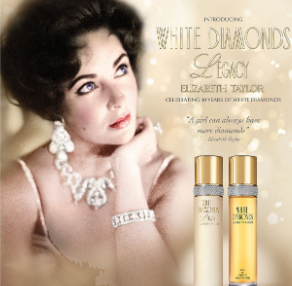
90s Celebrity Fragrance Empires: The Perfume Lines That Outearned Platinum Albums
There is a number that should reframe how you think about the entire 90s music economy: $1.5 billion. That is how much Elizabeth Taylor’s White Diamonds generated in cumulative fragrance sales, making a perfume launched in 1991 more profitable than most record labels’ entire artist rosters. In essence, Taylor did not just start a trend. She proved that a famous name on a glass bottle could generate more wealth than a catalog of number-one hits. The 90s celebrity fragrance empires that followed her blueprint turned an entire generation of pop stars into perfume moguls, whether they intended to or not.
According to Bain and Company’s global luxury report, the celebrity fragrance segment at its peak captured approximately seven percent of a $36 billion annual market. Furthermore, the economics were extraordinary: stars typically earned five to seven percent of gross sales plus upfront payments of $3 to $5 million per launch. For artists whose record deals paid pennies on the dollar, perfume suddenly represented the most lucrative revenue stream available.
Jennifer Lopez: Glow Changed Everything
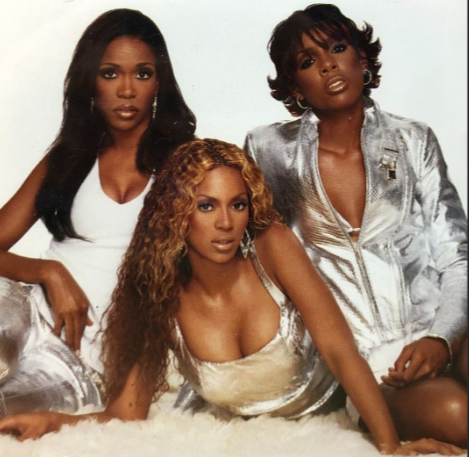
When Jennifer Lopez launched Glow in 2002 by JLo and fundamentally altered the celebrity-to-consumer pipeline. The fragrance was a gamble. At the time, pop star perfumes were considered risky. Lopez and her team threw a lavish 200-guest launch party at Trump Tower, complete with a fireworks display over the river that spelled out the word GLOW. Remarkably, within six months the perfume had broken numerous sales records. By 2004, JLo clothing and fragrance products were generating $325 million annually.
Consequently, Lopez proved that a pop star could move an unknown product simply by lending her personal brand. To date, she has released over 24 fragrances with cumulative revenue in the billions. Moreover, every celebrity beauty line that followed, from Rihanna’s Fenty to Kylie Jenner’s lip kits, owes something to the path Lopez carved. Before Glow, celebrity products were novelties. After Glow, they were business models.
Britney Spears: The Billion-Dollar Franchise Nobody Talks About
Meanwhile, while the conservatorship consumed public attention, Britney Spears quietly built one of the most successful fragrance franchises in history. Curious, launched in 2004, sold over 500 million bottles worldwide and earned Fragrance Foundation’s Best Women’s Fragrance award in 2005. By 2009, Spears’ Elizabeth Arden scents accounted for 34 percent of all celebrity fragrance sales. The franchise eventually crossed the billion-dollar revenue threshold.
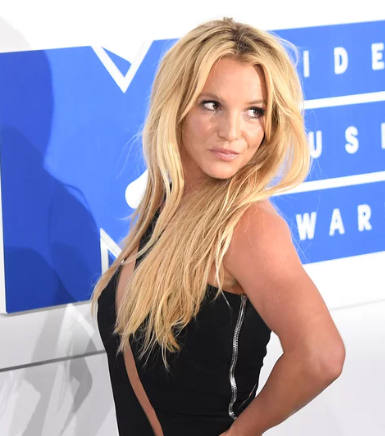
In addition, Spears’ fragrances collectively generated approximately $30 million per year in ongoing revenue, a number that dwarfed her touring income during the conservatorship years. Consequently, the irony is devastating: while others controlled her finances, her perfume line operated as an autonomous wealth engine. Her recent $200 million catalog sale to Primary Wave may have made bigger headlines, but the fragrance empire has arguably generated more cumulative value over two decades.
The Elizabeth Taylor Standard: White Diamonds as Blueprint
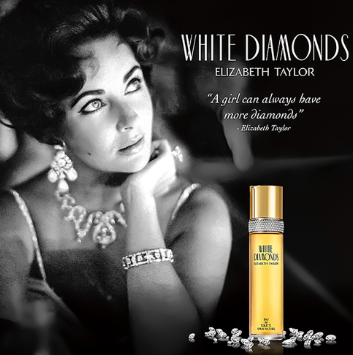
Elizabeth Taylor’s White Diamonds deserves its own category. Launched in 1991, the fragrance sells a bottle every 15 seconds even today. By 2018, cumulative sales exceeded $1.5 billion, making it the most commercially successful celebrity fragrance in history. According to Harvard Business Review analysis of brand longevity, White Diamonds achieved something almost unprecedented: a licensed product that outlived both its creator and the cultural moment that produced it.
Taylor’s success established the royalty structure that every 90s icon would later follow. Stars typically received five percent of gross sales plus an upfront signing payment. As a result, at White Diamonds’ scale, that translates to approximately $75 million in royalties over the fragrance’s lifetime, earned without a single public appearance or promotional obligation.
The Second Wave: 90s Celebrity Fragrance Empires That Built Beauty Dynasties
Furthermore, Beyonce launched Heat in 2010, leveraging her Destiny’s Child-era fame into a fragrance line that generated $400 million in its first year. Meanwhile, Paris Hilton, whose fame crystallized in the late 90s tabloid ecosystem, has surpassed $2.5 billion in cumulative fragrance sales across her entire portfolio. Gwen Stefani’s Harajuku Lovers line, launched in 2008, translated her distinctive personal aesthetic into a commercially viable scent brand.
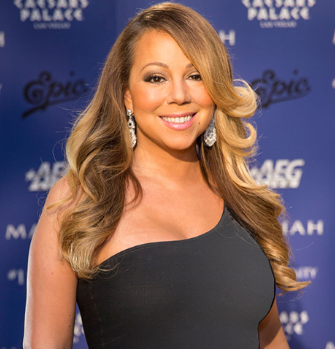
Nevertheless, not every 90s icon captured this revenue stream. In contrast, Mariah Carey launched 14 fragrances between 2007 and 2013, but none achieved the cultural penetration of Glow or Curious. Similarly, several male artists attempted fragrance launches with limited success. As McKinsey’s consumer research has documented, the celebrity fragrance market historically skewed 80 percent female, leaving male icons without an obvious path to perfume revenue.
Why the 90s Celebrity Fragrance Empires Model Still Matters
Ultimately, the celebrity fragrance boom peaked around 2012, when 85 star-backed scents launched in a single year compared to just 10 a decade earlier. Oversaturation eventually compressed margins and consumer attention. However, the underlying economics remain sound. Nevertheless, a celebrity with genuine cultural resonance can still generate extraordinary returns from a licensed fragrance, provided the product delivers quality and the brand maintains authenticity.
Therefore, for today’s DTC beauty founders and medspa entrepreneurs seeking luxury press validation, the 90s fragrance playbook offers a masterclass. Moreover, the formula has not changed: authentic personal brand plus quality product plus strategic distribution equals compounding returns. What JLo did with Glow in 2002, the right founder can replicate in 2026 with a fraction of the marketing spend, thanks to social commerce and direct-to-consumer infrastructure.
The Legacy: From Perfume Counters to Beauty Empires
In essence, the 90s celebrity fragrance empires did more than generate revenue for their namesake stars. They created the blueprint for the entire celebrity-to-consumer economy that now generates hundreds of billions annually. Without Glow, there is no Fenty Beauty. Similarly, Curious paved the way for Cloud by Ariana Grande. Furthermore, White Diamonds created the template for converting fame into a tangible product that compounds value independent of its creator.
The 90s taught us that music careers have expiration dates. Fragrance empires do not. A bottle of White Diamonds is still sold every 15 seconds, 35 years after Elizabeth Taylor approved the formula. That is the kind of return no record deal has ever delivered.
For more on how 90s icons built wealth beyond music, explore our guide to 90s Music Icons Net Worth 2026. See how the decade’s biggest stars leveraged fame into real estate portfolios in where 90s music royalty actually lives. And explore why 90s stars are actually richer now for the full second-act economy picture.
Want to feature your brand alongside stories like this? Contact Social Life Magazine about partnership opportunities. Join us at Polo Hamptons this summer. Subscribe to the print edition or join our email list for exclusive content. Support independent luxury journalism with a $5 contribution.
Related Reading: The 90s Fashion Revival: What Your Favorite Icon’s Style Is Worth | 90s Icons in the Hamptons: Who Summers East and What It Costs
Author

Written by
Recent Posts
How to Pick a Homecoming Dress for Your Body Type and Feel Amazing in It
How to Prepare a Home for Sale When Major Repairs Are Not Affordable
From Everyday Comfort to Personal Style: My SHEIN Slipper Habit
5 Best Mitsubishi Heat Pump Companies in Seattle
Tech Gadgets as Modern Corporate Gifts: Useful Ideas for Employees and Clients
Categories
- Art
- Articles
- Business of Luxury
- Celebrities
- Culture
- Entertainment
- Events
- Faces of Summer 2026
- Fashion
- Fashion & Style
- Featured
- Finance
- Food, Spirits, Wine
- Hamptons
- Hamptons Celebrities
- Health
- Health & Beauty
- Lifestyle
- Luxury Lifestyle
- Press
- Profiles
- Real Estate
- Technology
- The Chronicles
- Travel
- Uncategorized
- Weddings