
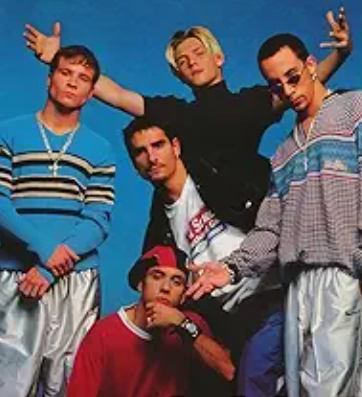
The 90s Fashion Revival: From Runways to Resale, a $75 Billion Story
Somewhere between a TikTok teenager unboxing a vintage Versace slip and a Sotheby’s specialist authenticating Kurt Cobain’s cardigan, the 90s fashion revival stopped being a trend and became an economy. The global vintage and retro goods market reached $75 billion in 2024, and it is projected to hit $150 billion by 2032, growing at roughly 10 percent annually. Yet the most interesting part is not the aggregate number. It is how individual 90s icons created style signatures now worth more than their music.
According to Bain and Company’s luxury market analysis, nostalgia-driven fashion purchases among consumers aged 25 to 45 increased 30 percent over the past two years. Meanwhile, the resale market for vintage athletic brands and 90s grunge pieces grew 32 percent in 2025 alone. The 90s fashion revival is not a moment. It is a market.
Jennifer Lopez: The Dress That Launched an Industry
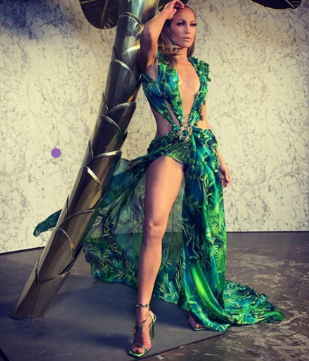
Although it seems inevitable in retrospect, when Jennifer Lopez wore the green Versace jungle dress to the 2000 Grammys, the internet was not ready. So many people searched for images of the gown that Google created Google Images specifically to handle the traffic. That single garment fundamentally changed how fashion, technology, and celebrity intersect. Furthermore, JLo’s velour tracksuit era did not just define early-2000s casual luxury. It created a template that Juicy Couture rode to $600 million in annual revenue at its peak.
As a result, in the resale market, authentic JLo-era Juicy Couture pieces now command $200 to $500 depending on condition and rarity. However, the bigger story is how Lopez’s aesthetic pioneered the celebrity-as-brand pipeline that now generates billions annually across fashion, beauty, and lifestyle verticals.
Kurt Cobain’s Flannel: When Anti-Fashion Becomes the Most Expensive Fashion
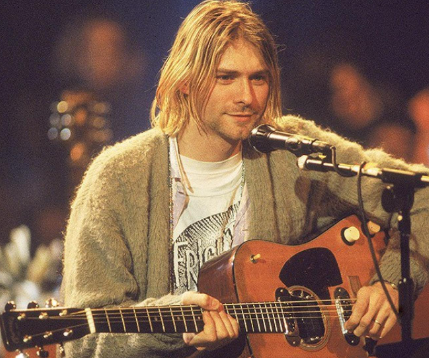
However, grunge was supposed to be the rejection of materialism. Instead, it became the most expensive aesthetic of the decade. Nevertheless, an authenticated Kurt Cobain cardigan sold at auction for $334,000 in 2019. Vintage Nirvana concert tees regularly trade above $1,000 on platforms like Grailed and eBay. The irony would not be lost on Cobain, though the economics are undeniable.
Consequently, the 90s fashion revival has created a paradox. The decade’s most aggressively anti-commercial style movement now commands the highest premiums in the vintage market. According to McKinsey’s retail analysis, authenticity is the single most important driver of premium pricing in the resale economy. Nothing authenticates like a genuine artifact from a cultural moment. And grunge was, without question, a moment.
Victoria Beckham: From Spice Girl to $450 Million Fashion Authority
Victoria Beckham’s transformation from Posh Spice to one of the most respected designers in fashion is the 90s fashion revival’s most dramatic origin story. Although her eponymous label, launched in 2008, struggled financially for years before achieving profitability. Nevertheless, her personal brand, built entirely on 90s fame, carries a value of approximately $450 million. That figure makes her more successful than most of the designers she now sits alongside at Paris Fashion Week.
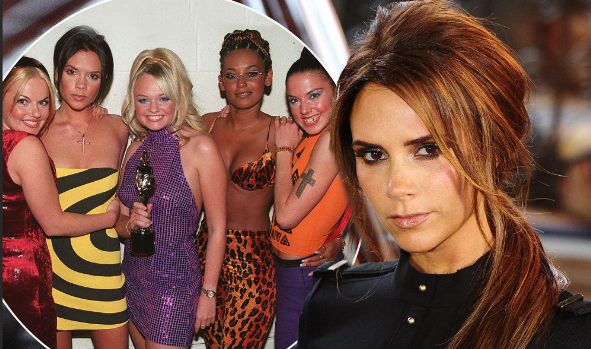
Similarly, her 90s-era little black dresses and minimalist silhouettes have become collector’s items. Authenticated Spice Girls tour costumes have appeared at auction houses alongside contemporary art. The line between pop memorabilia and fashion history has effectively dissolved.
The 90s Fashion Revival in Numbers: What the Market Actually Pays
The economics of 90s fashion memorabilia reveal a clear hierarchy. Accordingly, at the top, one-of-a-kind stage-worn pieces from icons like Cobain, Tupac, and Biggie command six figures. Below that tier, authenticated tour merchandise from major acts trades between $500 and $5,000. Then comes the volume market, where Y2K fashion has driven a 40 percent increase in global sales compared to 2024.
In addition, the TikTok effect has accelerated the cycle dramatically. The hashtag #nostalgia carries 16.9 million posts and nearly 100 billion views. Every viral post featuring a 90s-era outfit generates a measurable spike in resale pricing. According to Harvard Business Review research on nostalgia marketing, consumers pay a 15 to 25 percent premium for products that evoke positive personal memories. The 90s, for anyone now aged 35 to 55, is the sweet spot.
Gwen Stefani: The L.A.M.B. Blueprint
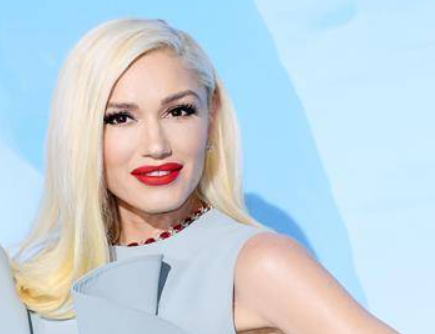
Interestingly, before Rihanna launched Fenty and before Kanye partnered with Adidas, Gwen Stefani created L.A.M.B. in 2003. The brand drew on her personal style, a collision of Jamaican dancehall, Japanese Harajuku, and Orange County punk, to build a fashion label that earned critical respect and commercial viability. Although the label’s peak years are behind it, the template Stefani established proved that a musician’s authentic personal style could sustain a fashion brand independent of celebrity licensing deals.
Moreover, Stefani’s influence on the 90s fashion revival extends beyond her own label. Her signature platinum hair, red lips, and mix of masculine and feminine silhouettes remain among the most referenced style profiles on Pinterest and Instagram. The aesthetic she created is, in essence, a renewable resource that continues generating value decades later.
Why the 90s Fashion Revival Matters for Luxury Brands Now
Therefore, the 90s fashion revival is not merely a consumer trend. It represents a fundamental shift in how value accrues in fashion. Vintage pieces from the decade now compete with contemporary luxury for wallet share among affluent consumers aged 30 to 50. Brands like Tommy Hilfiger, Calvin Klein, and Versace have all launched archive-inspired collections specifically to capitalize on this demand.
For luxury brand founders seeking relevance in the Hamptons market, the lesson is clear. Heritage sells. Moreover, provenance commands premium. And the 90s, as a cultural moment, has achieved the status that fashion’s gatekeepers once reserved for mid-century modernism: it is officially worth collecting.
Discover how 90s icons converted cultural influence into financial empires in our guide to 90s Music Icons Net Worth 2026. For the real estate side of this story, explore where 90s music royalty actually lives. And for the ultimate lifestyle crossover, see which 90s icons would dominate Polo Hamptons.
Want to feature your brand alongside stories like this? Contact Social Life Magazine about partnership opportunities. Join us at Polo Hamptons this summer. Subscribe to the print edition or join our email list for exclusive content. Support independent luxury journalism with a $5 contribution.
Related Reading: Fragrance Empires: How 90s Stars Built Billion-Dollar Perfume Lines | 90s Icons in the Hamptons: Who Summers East and What It Costs
Author

Written by
Recent Posts
Unlocking the Berkshires
Dalia Forman Design
Alberto Luzzi
How to Pick a Homecoming Dress for Your Body Type and Feel Amazing in It
How to Prepare a Home for Sale When Major Repairs Are Not Affordable
Categories
- Art
- Articles
- Business of Luxury
- Celebrities
- Culture
- Entertainment
- Events
- Faces of Summer 2026
- Fashion
- Fashion & Style
- Featured
- Finance
- Food, Spirits, Wine
- Hamptons
- Hamptons Celebrities
- Health
- Health & Beauty
- Lifestyle
- Luxury Lifestyle
- Press
- Profiles
- Real Estate
- Technology
- The Chronicles
- Travel
- Uncategorized
- Weddings