
90s Music Icons Real Estate: The Portfolios That Outperformed Their Catalogs
Here is something nobody talks about at dinner parties, although they should. The biggest financial winners from 90s music did not get rich from royalties alone. They got rich from real estate. While record labels fought over streaming pennies, the smartest icons quietly assembled property portfolios that now generate more annual income than their platinum albums ever did. The 90s music icons real estate story is, ultimately, a story about who understood leverage and who did not.
According to McKinsey’s real estate analysis, ultra-high-net-worth individuals allocate 30 to 40 percent of their total wealth to property. For 90s music royalty, that percentage often runs even higher. Moreover, the returns have been staggering, particularly in markets like the Hamptons, where median prices have nearly doubled since the pre-pandemic era.
Jay-Z and Beyonce: The Georgica Pond Power Play
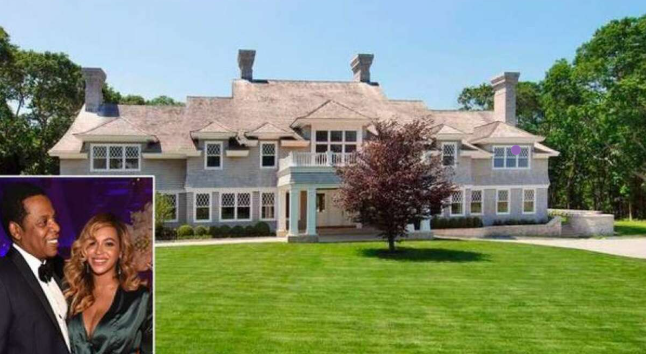
In 2017, Jay-Z and Beyonce purchased a property on Georgica Pond in East Hampton for approximately $25 million. Originally designed by legendary architect Stanford White and later renovated by luxury builder Jeffrey Colle, the estate features parquet de Versailles floors and hand-carved heated marble bathtubs. However, the real value is not inside the house. Georgica Pond is where Steven Spielberg, Martha Stewart, and a rotating cast of billionaires spend their summers. The address itself functions as a membership card.
Furthermore, the couple’s combined real estate portfolio spans multiple states and reportedly exceeds $200 million. Their Bel Air compound alone is valued at over $88 million. In contrast, many of their 90s peers own little more than a primary residence. The difference between a $2.5 billion net worth and a $60 million net worth often comes down to what you did with money number two through ten.
Madonna’s Bridgehampton Compound: The Quiet Empire
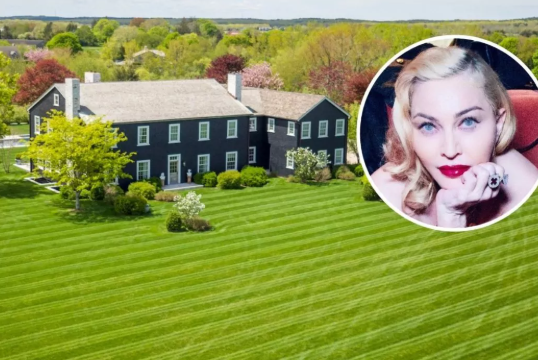
While tabloids covered every detail of Madonna’s love life, almost nobody noticed her assembling a 58-acre equestrian compound in Bridgehampton. She acquired the former Kelly Klein horse property in 2009 for $5 million, then expanded with a neighboring parcel for $3.9 million in 2013. Construction on a custom mansion followed, and by 2021 she had added a professional recording studio designed by Jeffrey Colle.
Consequently, what started as a modest $5 million purchase has become one of the largest private landholdings in the Hamptons. According to current Bridgehampton market data, properties in this range now trade above $1 billion in annual volume. Madonna’s patience illustrates a principle that Harvard Business Review has documented repeatedly: the best real estate returns go to buyers who acquire adjacent parcels over time rather than overpaying for a single trophy property.
Diddy’s East Hampton Portfolio: Rise and Reckoning
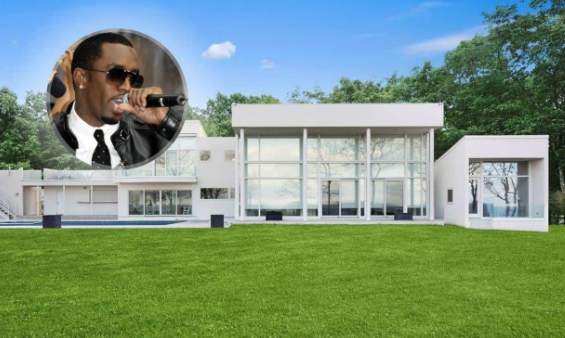
Although his legal troubles now dominate headlines, Sean Combs had previously built one of the most impressive Hamptons portfolios in entertainment. Nevertheless, his situation now serves as a cautionary tale about how quickly property-based wealth can erode when legal exposure creates forced-sale conditions. Real estate that takes decades to acquire can be liquidated in months.
Meanwhile, the broader Hamptons market continues to surge. Sales above $20 million increased by 33 percent year over year in 2025. The average sale price in East Hampton Village reached $5.625 million, making it the most expensive address on the South Fork. For 90s icons who bought early and held, the returns have been transformational.
The Hidden Portfolio: 90s Music Icons Real Estate Beyond the Headlines
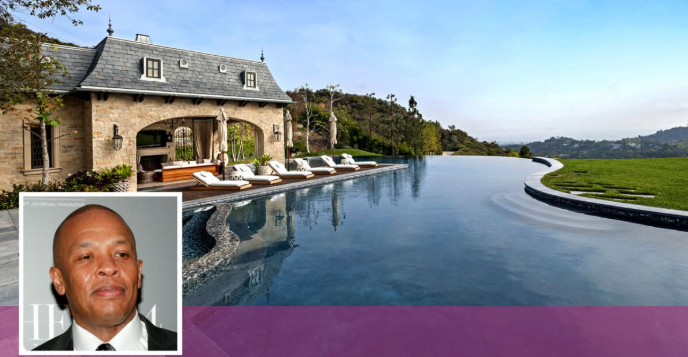
Not every icon plays in the Hamptons. Dr. Dre’s real estate portfolio centers on Los Angeles, where his Brentwood compound and various holdings reportedly exceed $100 million in value. Jennifer Lopez purchased her Water Mill property for under $10 million, a price point that now looks almost quaint given current valuations. Similarly, Eminem’s Michigan-based holdings reflect his preference for privacy over prestige, though the financial logic is equally sound.
The pattern is consistent. Consequently, icons who treated real estate as a long-term wealth vehicle rather than a lifestyle expense built portfolios that now dwarf their music earnings. In contrast, those who rented, leased, or spent on depreciating assets found themselves asset-poor despite decades of platinum records.
What the Numbers Actually Reveal
Therefore, consider the math. Jay-Z’s Georgica Pond purchase has likely appreciated 40 to 60 percent since 2017, based on comparable Hamptons transactions. Madonna’s Bridgehampton compound, assembled for under $10 million, sits on land now valued at multiples of that acquisition cost. In contrast, artists like TLC, who sold 65 million records but filed for bankruptcy, owned almost nothing when the music stopped.
Therefore, the lesson is not subtle. Ultimately, the 90s taught us that fame is a wasting asset. Real estate is not. Icons who understood this distinction early built generational wealth. Meanwhile, those who did not are still touring to pay their mortgages.
The Hamptons Connection: Where Music Royalty Meets Old Money
The Hamptons functions as a unique intersection of entertainment wealth and institutional capital. When Jay-Z and Beyonce summer on Georgica Pond, they are not just relaxing. They are networking with the same finance titans, gallery owners, and philanthropists who attend events like Polo Hamptons. Real estate in this market is as much about access as appreciation.
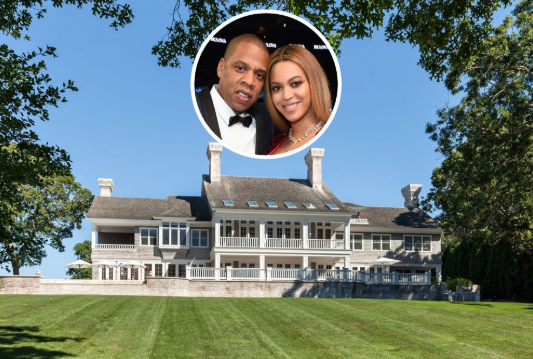
As a result, the 90s music icons who invested in Hamptons real estate gained something no streaming royalty can provide: proximity to deal flow. The property is the asset. The address is the network. And the network, as every family office knows, is where the real compounding happens.
For deeper analysis of how 90s icons built their fortunes, explore our comprehensive guide to 90s Music Icons Net Worth 2026. Additionally, our coverage of the moguls who became billionaires reveals how real estate was just one piece of a much larger wealth strategy. You can also explore which 90s icons would dominate Polo Hamptons for the ultimate crossover between music royalty and Hamptons social infrastructure.
Want to feature your brand alongside stories like this? Contact Social Life Magazine about partnership opportunities. Join us at Polo Hamptons this summer. Subscribe to the print edition or join our email list for exclusive content. Support independent luxury journalism with a $5 contribution.
Related Reading: 90s Icons in the Hamptons: Who Summers East and What It Costs | Fragrance Empires: How 90s Stars Built Billion-Dollar Perfume Lines
Author

Written by
Recent Posts
How to Pick a Homecoming Dress for Your Body Type and Feel Amazing in It
How to Prepare a Home for Sale When Major Repairs Are Not Affordable
From Everyday Comfort to Personal Style: My SHEIN Slipper Habit
5 Best Mitsubishi Heat Pump Companies in Seattle
Tech Gadgets as Modern Corporate Gifts: Useful Ideas for Employees and Clients
Categories
- Art
- Articles
- Business of Luxury
- Celebrities
- Culture
- Entertainment
- Events
- Faces of Summer 2026
- Fashion
- Fashion & Style
- Featured
- Finance
- Food, Spirits, Wine
- Hamptons
- Hamptons Celebrities
- Health
- Health & Beauty
- Lifestyle
- Luxury Lifestyle
- Press
- Profiles
- Real Estate
- Technology
- The Chronicles
- Travel
- Uncategorized
- Weddings