
90s Icons Polo Hamptons: The Fantasy Guest List That Reveals Everything
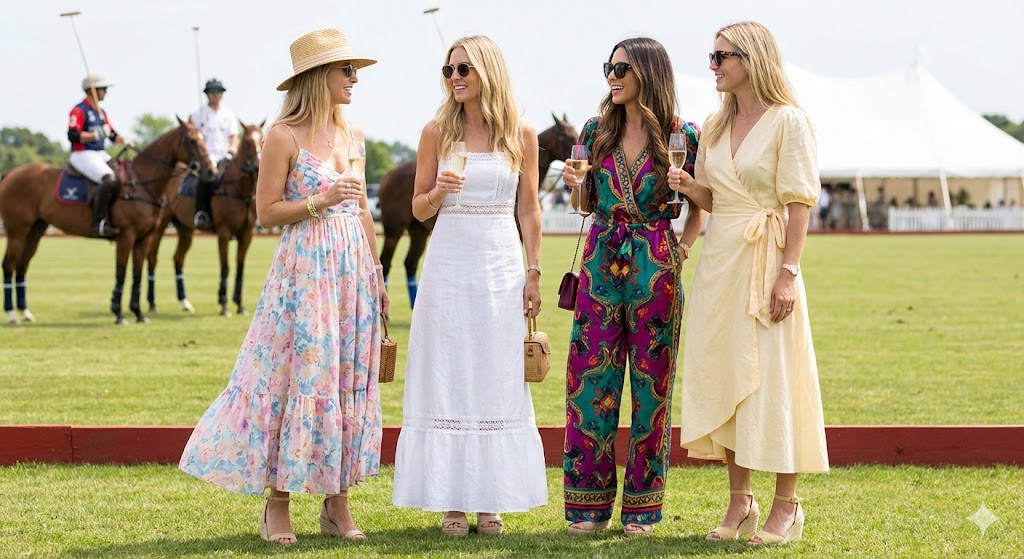
Picture this. It is a Saturday in July. Bridgehampton. The divots have been stomped. The rosé is circulating. And somewhere between the polo field and the cabana row, the most interesting social experiment in the Hamptons is unfolding. Now imagine the 90s icons are there. All of them. At peak fame, peak wealth, peak cultural voltage. The 90s icons Polo Hamptons fantasy is not just entertaining. It is a power map. Because where each icon sits, who they talk to, and what they are wearing tells you everything about how the decade’s fame machine actually worked.
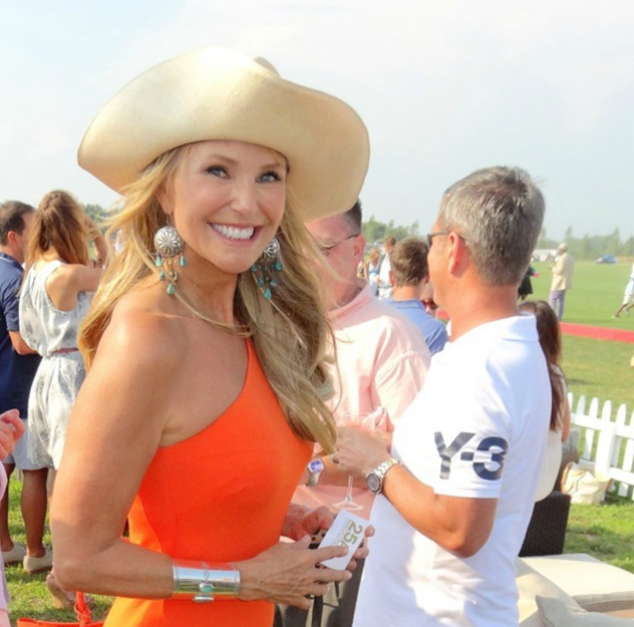
Polo has always been the sport of the ultra-wealthy. According to Harvard Business Review’s analysis of luxury experiential events, polo matches function as curated networking environments where social hierarchy is expressed through spatial positioning rather than explicit status markers. In other words, your cabana location IS your business card. The 90s icons would have understood this instinctively.
Courtside: The Mogul Row
Naturally, Jay-Z sits courtside. He does not watch the polo so much as hold court beside it. In a linen suit that costs more than most players’ ponies, he is flanked by two private equity principals and a sovereign wealth fund advisor who flew in from Zurich specifically for this introduction. Jay-Z treats every social setting as a deal room, and Polo Hamptons would be no exception. Furthermore, his approach to networking mirrors his approach to investing: quiet, selective, and calibrated for maximum long-term leverage.
Beyonce is beside him but operating her own gravity. Instead, she is scanning the crowd with the precision of someone who has managed her brand for 25 years without a single unforced error. Eventually, a creative director from a European luxury house approaches. They exchange exactly 90 seconds of conversation. By Monday, a collaboration deck will land in Beyonce’s inbox. This is how the Hamptons works.
The Cabana Section: Where Deals Actually Close
Dr. Dre occupies the anchor cabana. He arrived in a black Escalade, which is the Hamptons equivalent of wearing your net worth on your sleeve, except his net worth is $500 million and the sleeve is a plain white tee. Essentially, Dre does not network. Rather, people come to Dre. And at Polo Hamptons, the cabana section functions exactly like his career: he built the infrastructure, and everyone else pays for access.
In the adjacent cabana, Jennifer Lopez is holding a conversation with three beauty brand founders who would do almost anything for a Social Life Magazine feature and a mention in the same sentence as JLo. She is wearing something that will be on Instagram within the hour and copied within the week. Moreover, she understands something about events like Polo Hamptons that most attendees miss: visibility at the right event is worth more than a year of digital marketing spend.
The VIP Tent: Pop Royalty and Fashion Power
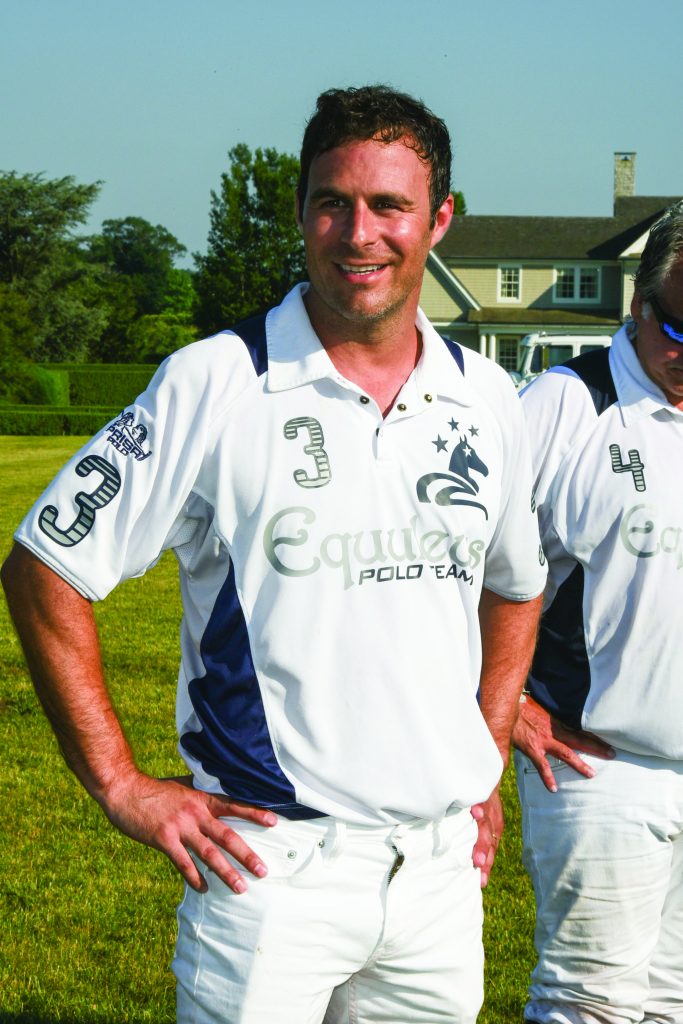
Mariah Carey does not do cabanas. She does the VIP tent, where the air conditioning works and the champagne is already poured. Consequently, her presence alone elevates the energy of the space. As a result, every brand activation in the tent suddenly feels more legitimate, more newsworthy, more worthy of a Social Life Magazine spread. This is the Mariah effect: she does not attend events. She validates them.
Gwen Stefani floats between the VIP tent and the field, wearing something from her L.A.M.B. archive that somehow looks more current than anything on the runway this season. The fashion designers in attendance take note. Consequently, three trend reports will cite her look by Tuesday. A vintage L.A.M.B. piece will spike 40 percent on resale platforms by the following weekend.
90s Icons Polo Hamptons: The Strategic Absences
Interestingly, Eminem is not at Polo Hamptons. He never would be. However, his absence is, in its own way, a power move. Not every icon operates in the Hamptons social ecosystem, and Eminem’s Detroit-based empire proves that wealth does not require geographic proximity to old money. Nevertheless, his absence creates a different kind of mystique. At an event where everyone is trying to be seen, the person who declines the invitation becomes the most discussed.
Similarly, Tupac and Biggie, had they survived, would have redefined the social dynamics of any room they entered. According to McKinsey’s cultural influence research, posthumous brand value often exceeds what artists generate during their lifetimes. The empty chair at the table, metaphorically speaking, carries its own weight.
The Rose Garden: Where Music Meets Money
Will Smith works the rose garden with the practiced ease of someone who has hosted Oprah and survived the most public embarrassment in Academy history. Simultaneously, he is talking to a real estate developer about a Hamptons property. Additionally, he is talking to a streaming executive about a documentary deal. Additionally, he is talking to a tech founder about an investment round. In other words, Will Smith does not attend events. He runs simultaneous deal tracks disguised as small talk. BCG’s analysis of celebrity brand recovery suggests his trajectory mirrors a leveraged buyout: high risk, patient capital, asymmetric upside.
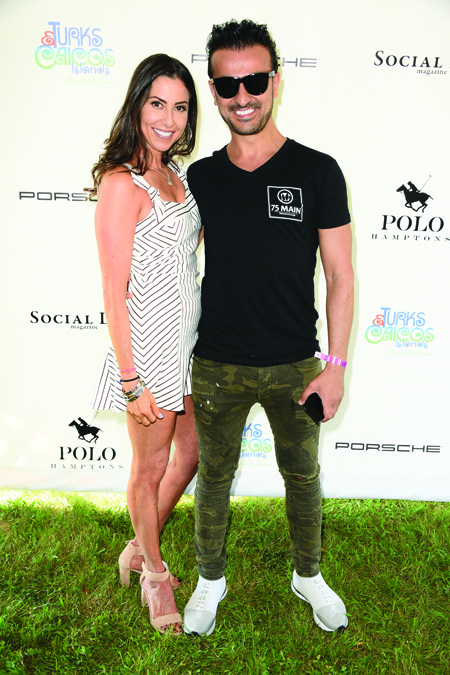
Meanwhile, Justin Timberlake arrives late. Intentionally. After all, he learned from NSYNC that timing is everything, and at Polo Hamptons, arriving at 3:00 PM means entering a crowd that has been drinking since noon and is primed for generosity. As a result, within 30 minutes he has secured two brand sponsorship conversations and an introduction to a family office principal.
What the Fantasy Reveals About the Reality
Therefore, the 90s icons Polo Hamptons fantasy is not really a fantasy at all. It is a precise map of how cultural capital converts to financial capital in real-time social environments. Courtside seats go to moguls. Meanwhile, cabanas go to dealmakers. In addition, the VIP tent goes to brands. And the rose garden goes to relationship builders. Every position is strategic. Every conversation is convertible.
This is precisely what makes Polo Hamptons the premier networking event. Consequently, the format, world-class polo combined with intimate social infrastructure, creates the conditions for the kind of organic, high-value connections that boardrooms and conferences cannot replicate. The 90s icons understood this instinctively. However, the question remains whether today’s luxury brands, entrepreneurs, and deal-flow seekers understand it too.
Explore the financial empires behind these icons in our 90s Music Icons Net Worth 2026 guide. See where they actually live in 90s music royalty real estate portfolios. And for the cultural thesis that connects all of this, read the moguls who became billionaires.
Want to feature your brand alongside stories like this? Contact Social Life Magazine about partnership opportunities. Join us at Polo Hamptons this summer. Subscribe to the print edition or join our email list for exclusive content. Support independent luxury journalism with a $5 contribution.
Related Reading: 90s Icons in the Hamptons: Who Summers East and What It Costs | Fragrance Empires: How 90s Stars Built Billion-Dollar Perfume Lines
Author

Written by
Recent Posts

Tom Cruise Stunts: The 2026 Complete Guide to 14 Years of Physical Impossibility

Tom Cruise Movies Ranked: The 2026 Guide to 45 Films, 45 Years, and 1 Oscar
Is Pierpoint Real? How Industry HBO Built Television’s Most Authentic Investment Bank

Industry Season 4 Ending Explained: Who Won, Who Lost, and Who Became Ghislaine Maxwell
Industry vs Succession: The Bottom-Up Show That Might Have Beaten the Top-Down Masterpiece
Categories
- Art
- Articles
- Beauty & Skincare
- Celebrities
- Celebrities|Movies
- Celebrities|The Chronicles
- Chronicles
- Entertainment|Culture
- Event Photos
- Events
- Fashion
- Fashion & Style
- Featured
- Food & Beverage
- Food, Spirits, Wine
- Hamptons
- Hamptons Celebrities
- Hamptons Celebrities
- Health
- Health & Beauty
- Lifestyle
- Luxury Lifestyle
- Movies
- Movies|Culture
- Movies|Hamptons Lifestyle
- Press
- Profiles
- Real Estate
- Technology
- The Chronicles
- Travel
- TV
- TV & Film
- Uncategorized
- Weddings