
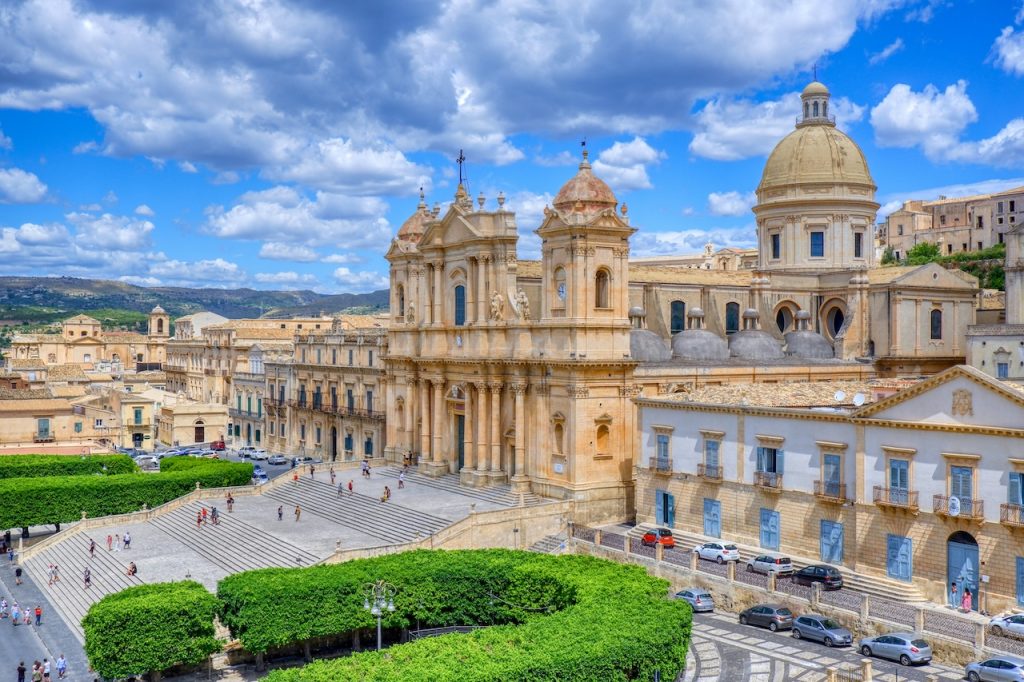
Southeastern Sicily, particularly the Val di Noto, has experienced a remarkable cultural renaissance, transitioning from a quiet agricultural region into a highly sought-after destination for heritage travel. Rebuilt in the late Baroque style after the devastating earthquake of 1693, towns like Noto, Ragusa Ibla, and Modica display a cohesive, golden-hued aesthetic that feels like a living open-air museum. For travellers wishing to explore this aristocratic heritage, the journey is not just about visiting historic palaces and churches, but about immersing themselves in a slower, refined lifestyle.
Appreciating this historical depth requires an accommodation that reflects the region’s architectural elegance. While the Baroque towns of the Val di Noto lie in the hilly inland, they are actually situated just a short drive from the island’s spectacular southeastern coastline. To experience the perfect balance of inland heritage and seaside relaxation, many travellers choose to find beachfront villas in Sicily on a renting platform such as Sopranovillas, securing private coastal estates that offer both quiet isolation and easy daily access to the golden historic centres of the interior.
With an elegant private base established, the cultural map of the Val di Noto unfolds organically. This journey of discovery begins in the grand salons of Noto’s historic palaces, continues through the winding, cobblestone alleys of Ragusa Ibla, and leads to private estate tastings where the ancient culinary traditions of the Sicilian nobility are still kept alive.
The Baroque splendour of Noto and Ragusa Ibla
The Val di Noto is a UNESCO World Heritage site, celebrated for its unique late-Baroque architecture. Noto, often called the “stone garden,” was rebuilt along a single, majestic axis. Walking down its main street, Corso Vittorio Emanuele, travellers can admire the elaborate carvings on palace balconies, grand church facades, and wide steps that glow with a warm, amber light as the sun sets over the limestone hills.
A short drive away, Ragusa Ibla offers a dramatic contrast, with its historic buildings clinging to a steep hill divided by a deep gorge. Its narrow, winding streets open up to quiet piazzas dominated by grand cathedrals, such as the Duomo di San Giorgio. Exploring these historic centres during the quieter morning hours allows for a peaceful appreciation of the architectural details and the silent grandeur of Sicily’s past.
Staying in historic palazzi: living like the Sicilian aristocracy
A key aspect of cultural travel in southeastern Sicily is the opportunity to connect directly with its noble history. Many historic palazzi in Noto and Syracuse remain in the hands of the original aristocratic families who rebuilt them in the 18th century. Today, some of these families open their private doors for intimate, guided tours, chamber music concerts, or private dinners in their grand reception rooms.
Stepping into these private homes, filled with original frescoes, grand chandeliers, and family archives, provides an emotional connection to the island’s past that cannot be replicated in a commercial space. This highly personalized way of experiencing heritage allows travellers to understand the social history, art, and traditions of the Sicilian nobility directly from those who preserve it.
Culinary heritage: the aristocratic Monsù tradition
Southeastern Sicily’s cultural revival is also deeply tied to its unique culinary heritage, particularly the “Monsù” tradition. Derived from the French “Monsieur,” the Monsù were highly trained French chefs employed by aristocratic Sicilian families during the 18th and 19th centuries. They blended complex French culinary techniques with the rich, fresh ingredients of the Sicilian countryside and sea.
This aristocratic fusion resulted in classic, elaborate dishes such as timballo di maccheroni (a rich pasta pie baked in a pastry shell) and sophisticated, layered desserts like cassata. Today, fine-dining restaurants and private chefs in the Val di Noto are reviving these historic recipes, pairing them with exceptional local wines like Nero d’Avola or Cerasuolo di Vittoria, to offer travellers a true taste of Sicily’s noble history.
Frequently Asked Questions (FAQ)
Why is the Val di Noto considered a masterpiece of late Baroque architecture?
Following the catastrophic earthquake of 1693, the entire region was rebuilt under a unified plan, employing the leading architects of the era. Using local soft limestone, they created a highly cohesive, ornate Baroque style that hardens and turns a warm golden color over time.
What was the “Monsù” culinary tradition in Sicily?
The Monsù were French-trained chefs employed by aristocratic Sicilian families during the 18th and 19th centuries. They blended French techniques—such as puff pastry, soufflés, and rich sauces—with Sicilian ingredients, creating classic dishes like timballo and cassata.
How can travellers best experience the aristocratic history of the region?
By booking private, guided tours of historic palaces (many of which are still privately owned by noble families), attending intimate classical concerts in historic courtyards, and exploring the Baroque towns during the quieter morning or late afternoon hours.
Author

Written by
Recent Posts
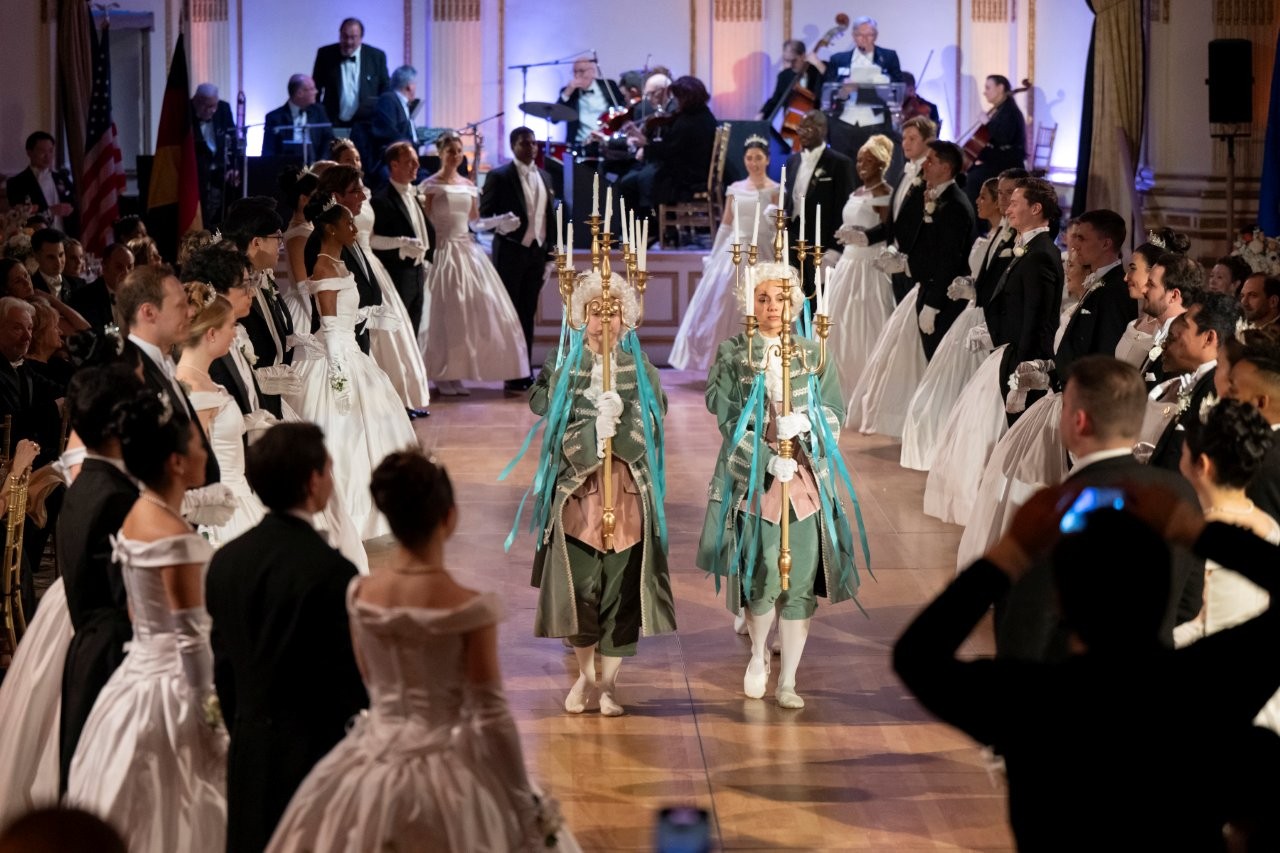
The Quadrille Ball: A New York Tradition in the Service of Scholarships
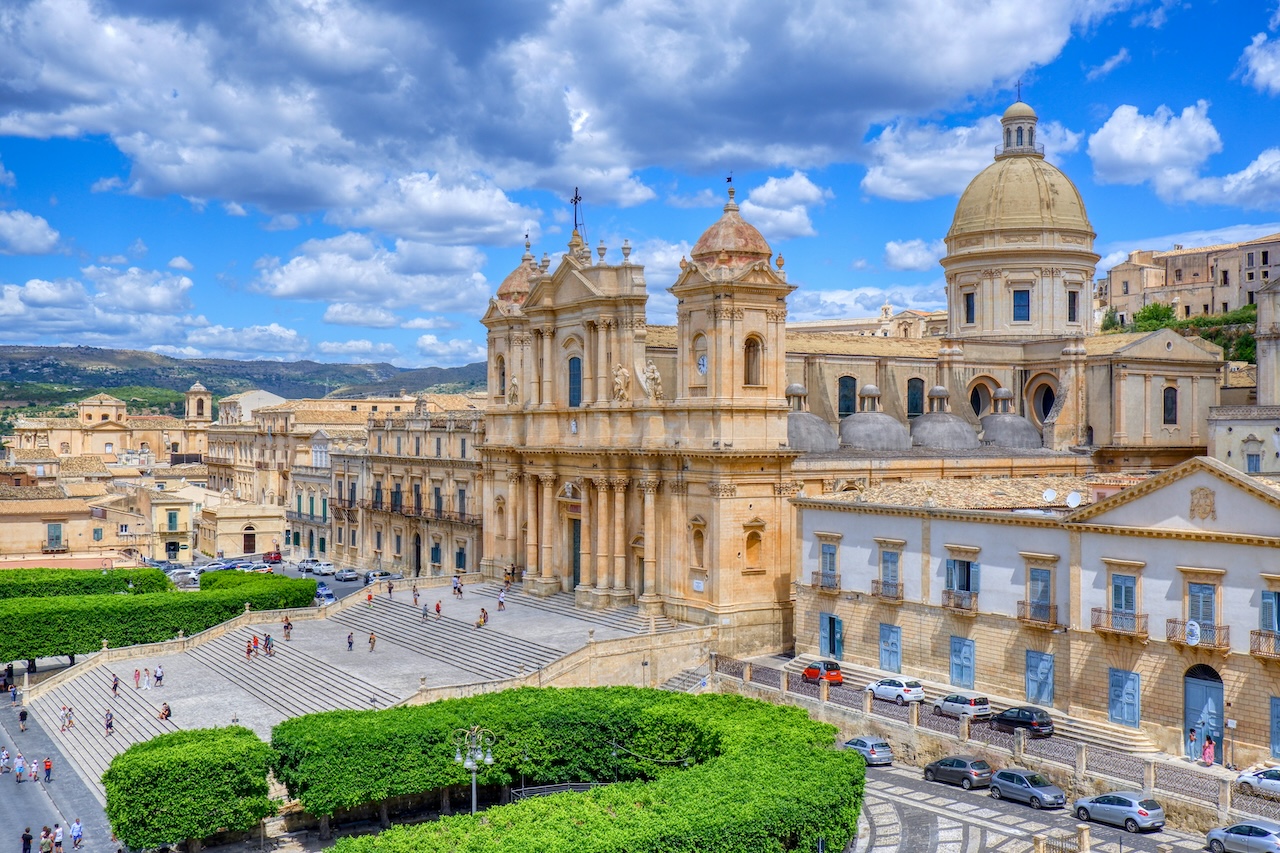
Discovering aristocratic Sicily: the rise of cultural luxury travel in the Val di Noto
How to Keep Your Med Spa Team From Burning Out
Shopping Smarter for Gut Health Supplements Made Simple Online
What Wholesale Buyers Should Look for in a Premium Oil Supplier
Categories
- Art
- Articles
- Business of Luxury
- Celebrities
- Culture
- Entertainment
- Events
- Faces of Summer 2026
- Fashion
- Fashion & Style
- Featured
- Finance
- Food, Spirits, Wine
- Hamptons
- Hamptons Celebrities
- Health
- Health & Beauty
- Lifestyle
- Luxury Lifestyle
- Press
- Profiles
- Real Estate
- Technology
- The Chronicles
- Travel
- Uncategorized
- Weddings