
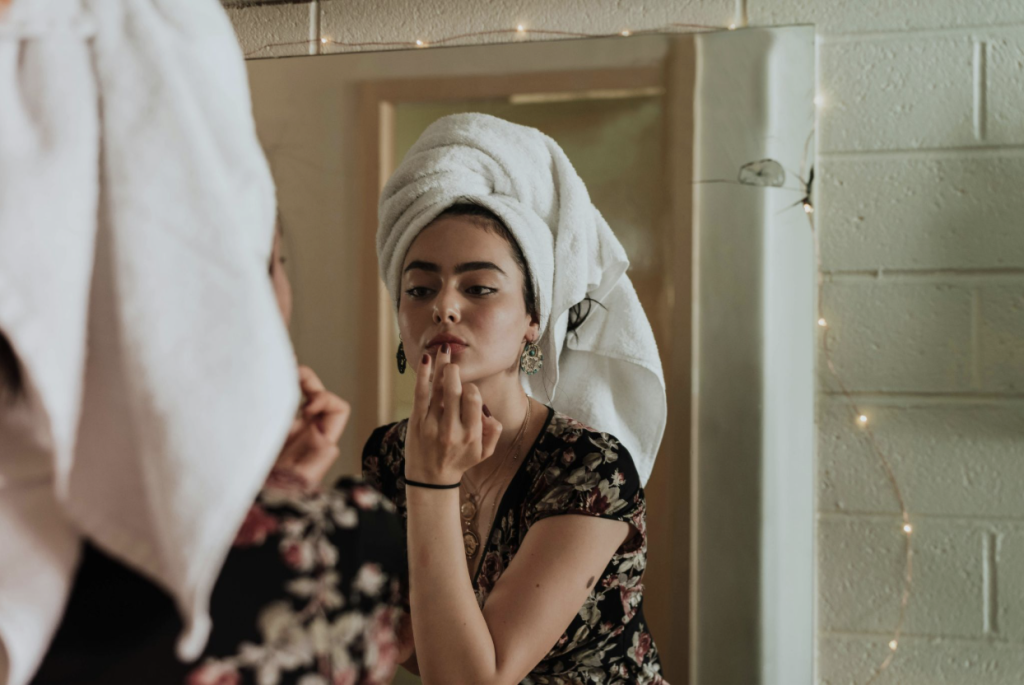
Skincare shelves are divided into two big camps. On one side is the layered, hydration focused approach made popular by Korean brands. On the other is the streamlined, treatment-led approach that many Western brands favor. If you are exploring Korean skincare in New Zealand, you may wonder how it differs from what you already use, and whether one approach is better. This head-to-head comparison looks at philosophy, routine length, textures and sun care, then offers expert guidance on building a routine that works for you.
Round one: philosophy
Korean skincare tends to focus on prevention and long-term skin health. The goal is hydrated, comfortable skin that looks healthy over time. Western routines often focus on targeting a specific concern, such as breakouts, dark spots or fine lines. Neither approach is wrong, but they start from different questions. One asks how to keep skin healthy; the other asks how to fix a problem.
Round two: routine length
Korean routines are famous for their many steps, which can include double cleansing, toner, essence, serum, sheet masks and more. Western routines are often shorter, built around a cleanser, moisturizer and sunscreen, with a treatment added where needed. The American Academy of Dermatology’s advice on skin care on a budget notes that a simple three-step routine of cleansing, moisturizing and protecting can keep costs down, and it also suggests a moisturizer with sunscreen as a dual purpose option. In other words, a short routine can be just as effective as a long one.
Round three: textures and feel
Korean products often feature light, watery textures that layer easily, such as essences, mists and gel creams. Many people enjoy how these feel and how quickly they sink in. Western products frequently include richer creams and targeted serums with clinical language on the label. Your own preference matters here. If you dislike heavy products, light layers may suit you. If your skin is dry, richer creams may feel better.
Round four: sun protection
Both traditions agree that sunscreen is essential. DermNet New Zealand’s overview of topical sunscreen agents says SPF 15 blocks about 94 percent of UVB, SPF 30 about 97 percent and SPF 50 plus about 98 percent. It also points out that sunblock is a misleading term, because no sunscreen blocks all ultraviolet radiation. That is a useful reminder that sunscreen works best alongside shade, clothing and sensible timing, and that it needs to be reapplied. The dermatologists at the American Academy of Dermatology suggest applying a moisturizer with sunscreen again about every two hours, or after swimming or sweating.
Round five: ingredients
Korean routines often highlight ingredients such as centella, rice extracts, snail mucin and fermented products. Western routines frequently highlight retinoids, vitamin C and acids. These are different tools for different goals. If you are unsure, start with a gentle approach and introduce new ingredients slowly. Using too many at once can irritate the skin, regardless of where the product comes from.
Round six: cost and convenience
A long routine costs more and takes more time. A short routine is easier to maintain and often cheaper. The American Academy of Dermatology even suggests petroleum jelly as an inexpensive option for dry skin. You can enjoy the best of both approaches by choosing a few products you love and using them consistently, instead of buying a full set at once.
Round seven: the experience
Korean skincare treats the routine as a moment of self-care, with relaxing masks and soothing textures. Western skincare often emphasizes efficiency and results. If you enjoy the ritual, the Korean approach may feel rewarding. If you prefer to get in and out quickly, a streamlined routine may suit you better. Both can support healthy skin.
The verdict
There is no single winner. Korean skincare wins for hydration, gentle layering and enjoyable rituals. Western skincare wins for simplicity and targeted treatments. The best routine is the one you will actually follow, built around a gentle cleanser, a good moisturizer and daily sunscreen. From there, borrow ideas from both styles, and let your skin guide your choices.
How to mix and match
Start with a base of cleanser, moisturizer and sunscreen. Add a hydrating toner or essence from the Korean tradition if your skin feels dry. Add one targeted treatment, such as a vitamin C serum or a retinoid, if you have a specific goal. Introduce one product at a time, and give it several weeks before judging the result.
A sample week
Try a simple rhythm. Every morning, cleanse gently, apply a hydrating layer, then moisturizer and sunscreen. Every evening, cleanse, apply your chosen treatment on some nights and a plain moisturizer on others. Once a week, add a mask for comfort. Keep a short note of how your skin feels so you can see which changes help and which don’t.
Check the labels
Whichever style you choose, read the label. Look for clear instructions, a full ingredient list and guidance on how often to use the product. Be wary of dramatic promises. Good skincare supports healthy skin gradually, and no product works overnight.
When to seek help
If you have persistent acne, painful irritation or changes in a mole or spot, speak to a doctor or dermatologist. No product can replace professional advice, and early attention is always better for skin concerns.
The takeaway
Korean and Western skincare are two paths to the same goal, healthy skin. Choose products that suit your skin, keep your routine manageable and protect your skin from the sun every day. A simple, consistent approach beats a complicated one every time.
Author

Written by
Recent Posts

11 Christmas Gift Ideas for the DIY Lover
Korean Skincare vs Western Skincare: Which Wins?
The Overlooked Safety Risks at Luxury Hotels and Private Events
What Steps Should Men Follow for a Successful At-Home Hair Coloring Session?
Why a Styled Scene Needs an Uncensored AI Video Generator
Categories
- Art
- Articles
- Business of Luxury
- Celebrities
- Culture
- Entertainment
- Events
- Faces of Summer 2026
- Fashion
- Fashion & Style
- Featured
- Finance
- Food, Spirits, Wine
- Hamptons
- Hamptons Celebrities
- Health
- Health & Beauty
- Lifestyle
- Luxury Lifestyle
- Press
- Profiles
- Real Estate
- Technology
- The Chronicles
- Travel
- Uncategorized
- Weddings