

The Earned vs. Kept Gap That Defines 90s Music Net Worth
Here is the stat that should stop you cold. TLC sold 65 million records. Their music generated an estimated $300 million in revenue. The group filed for bankruptcy in 1995 while their album CrazySexyCool was still on the charts. The earned vs. kept gap in 90s music net worth is not an anomaly. It is the system working exactly as designed.
This article maps the chasm between what 90s icons generated and what they actually retained. The numbers are not abstract. They are a forensic accounting of an industry that turned superstars into some of the most sophisticated sharecroppers in American economic history.
The Earned vs. Kept Scoreboard
The Catastrophic Gaps

TLC: Earned ~$300M. Kept: Nearly $0. At the peak of their fame, T-Boz, Left Eye, and Chilli were each earning approximately $50,000 per year according to court filings. Their contract with LaFace Records allocated less than 7 percent of album revenue to the group. After manager Pebbles took her cut, the three women splitting what remained had less disposable income than a mid-level accountant.
According to Billboard, the group’s bankruptcy filing listed debts of $3.5 million against assets of roughly $900,000. The label, meanwhile, had generated hundreds of millions. The earned vs. kept gap in 90s music net worth was never wider than this.
Britney Spears: Earned ~$300M+. Kept ~$60M (pre-catalog sale). Between 1999 and 2008, Britney generated over $300 million through album sales, touring, endorsements, and licensing. Then a conservatorship placed every dollar under external control for thirteen years. By the time she was freed in 2021, her reported net worth had been reduced to approximately $60 million.
Her recent $200 million catalog sale to Primary Wave has dramatically improved her financial position. Nevertheless, the conservatorship years represent the largest documented wealth extraction from a single artist in modern entertainment history.
NSYNC: Earned ~$400M+ (group revenue). Members Kept: Fractions. Lou Pearlman’s Trans Continental Records paid NSYNC members a per diem during their first two years. According to court testimony reported by Rolling Stone, the five members of one of the best-selling groups in history initially split approximately $10,000 per year. Pearlman, meanwhile, was spending their money on a Ponzi scheme that would eventually lead to a 25-year prison sentence.
The Moderate Gaps
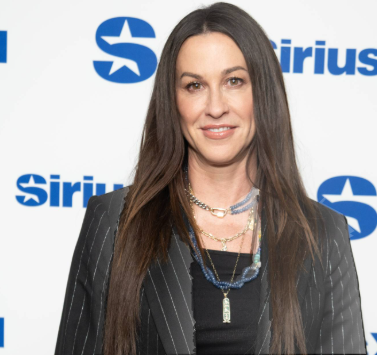
Alanis Morissette: Earned ~$100M+. Kept ~$60M. Jagged Little Pill sold 33 million copies worldwide. However, Morissette’s business manager, Jonathan Schwartz, embezzled approximately $5 million from her accounts. Schwartz was sentenced to six years in prison. The gap between earned and kept was smaller than TLC’s but still represents significant financial predation.
Tupac Shakur: Earned ~$75M+. Kept at Death: ~$200K. When Tupac was killed in 1996, his estate was worth roughly $200,000. The majority of his earnings had been consumed by legal fees, bail payments, and contractual obligations. Since his death, the estate has grown to an estimated $40 million, meaning his posthumous brand has generated twenty times what he retained while alive.
The Narrow Gaps: Who Kept Their Money

Jay-Z: Earned ~$1B+. Kept: $2.5B. Jay-Z is the only artist in these rankings whose kept number exceeds his earned number. This is because he invested earned income into ownership positions that appreciated. Roc-A-Fella. Armand de Brignac. Tidal. His portfolio compounds rather than depletes.
Dr. Dre: Earned ~$800M+. Kept: ~$500M. The Beats sale to Apple for $3 billion was the conversion event. Before that, Dre was wealthy. After that, he was generationally rich. His divorce settlement cost over $100 million, but the core asset base survived because it was built on hardware, not royalties.
Beyonce: Earned ~$500M+. Kept: ~$760M. Like Jay-Z, Beyonce’s retained wealth exceeds her cumulative earnings because she invested in appreciating assets. Ivy Park. Touring infrastructure. Master recordings. Her decision to fire her father as manager and take direct control of her business was the pivotal moment that closed the earned-vs-kept gap to zero.
Why the Earned vs. Kept Gap Exists
The 90s Record Deal Was Designed to Extract
A standard 90s major-label contract, as documented by Harvard Business Review and multiple industry analyses, typically included the following terms. The label owned all master recordings in perpetuity. Artist royalty rates ranged from 8 to 15 percent of wholesale price. All recording costs, video costs, tour support, and promotional expenses were recouped from the artist’s royalty share. The label’s expenses were not recouped from their own share.
In practice, this meant an artist could sell 10 million albums and still owe the label money. The structural mathematics made wealth accumulation nearly impossible for any artist who did not renegotiate or exit their deal.
The Management Layer
On top of the label’s take, managers typically received 15 to 20 percent of gross earnings. Agents took 10 percent. Lawyers took 5 percent. Business managers took 5 percent. By the time an artist received their check, the earned vs. kept gap in 90s music net worth was already guaranteed. Research from McKinsey on creator economy compensation structures shows this pattern has only partially improved in the streaming era.
What This Means for Modern Wealth Builders
The earned vs. kept gap is not limited to the music industry. It applies to any business owner, entrepreneur, or high-earning professional who generates significant revenue without controlling the underlying asset structure. Real estate developers who build for others. Executives who create value for shareholders. Content creators who build audiences on rented platforms.
The 90s music icons who closed the gap all did the same thing: they converted from employees to owners. The ones who could not close the gap were trapped by contracts, managers, or systems designed to prevent that conversion.
For the complete ranking, see our Complete 90s Icon Net Worth Rankings. For the pillar overview, see 90s Music Icons Net Worth 2026.
Want to feature your brand alongside stories like this? Contact Social Life Magazine about partnership opportunities. Join us at Polo Hamptons this summer. Subscribe to the print edition or join our email list for exclusive content. Support independent luxury journalism with a $5 contribution.
Read next: What 90s Music Taught Us About Building a Brand That Outlives a Career | Kurt Cobain Estate Net Worth 2026
Author

Written by
Recent Posts

Inside the Art Collections Hidden Behind Hamptons Estate Gates

Next Holidays Makes Holiday Booking Faster, Easier, and More Convenient

The Fertility Pioneer: Inside Dr. David Smotrich’s Mission to Build Families
Beat the Summer Heat Safely: 5 Practical Styling Hacks for Boat Trips and Lake Days
First Date Outfit Ideas: Flattering and Budget-Friendly Dresses to Wear Tonight
Categories
- Art
- Articles
- Business of Luxury
- Celebrities
- Entertainment
- Events
- Faces of Summer 2026
- Fashion
- Fashion & Style
- Featured
- Finance
- Food, Spirits, Wine
- Hamptons
- Hamptons Celebrities
- Health
- Health & Beauty
- Lifestyle
- Luxury Lifestyle
- Press
- Profiles
- Real Estate
- Technology
- The Chronicles
- Travel
- Uncategorized
- Weddings