
The Barbell Strategy That Built The Fortune
The Number That Quietly Doubled
Joaquin Phoenix’s personal net worth runs at approximately $80 million. Reporting comes via Forbes, Celebrity Net Worth, and IMDb. The figure has compressed and re-expanded across the past five years with the franchise cycle. Specifically, the 2019 release of Joker pushed his net worth from roughly $50 million to north of $75 million. The expansion happened within eighteen months. Subsequently, the 2024 release of Joker: Folie à Deux added another $20 million in upfront salary. Furthermore, residual tails are still working through his accounts.
Why This Article Exists Alongside The Other One
The wider biographical arc is covered in the companion piece Joaquin Phoenix Net Worth 2025: From Cult Childhood to Method Actor Icon. That piece covers the Children of God years, the River Phoenix legacy, and the family’s choice to keep their son outside the celebrity ecosystem. This article focuses on something that piece does not address. Phoenix’s career economics run on a barbell strategy that almost no other A-list actor uses. Specifically, he uses big franchise paydays to fund auteur work that pays nothing. The model has produced one of the most distinctive career architectures in modern Hollywood. Furthermore, the math is worth examining in legible form.
The Joker Backend That Changed Everything
The 2019 Deal That Set The Architecture

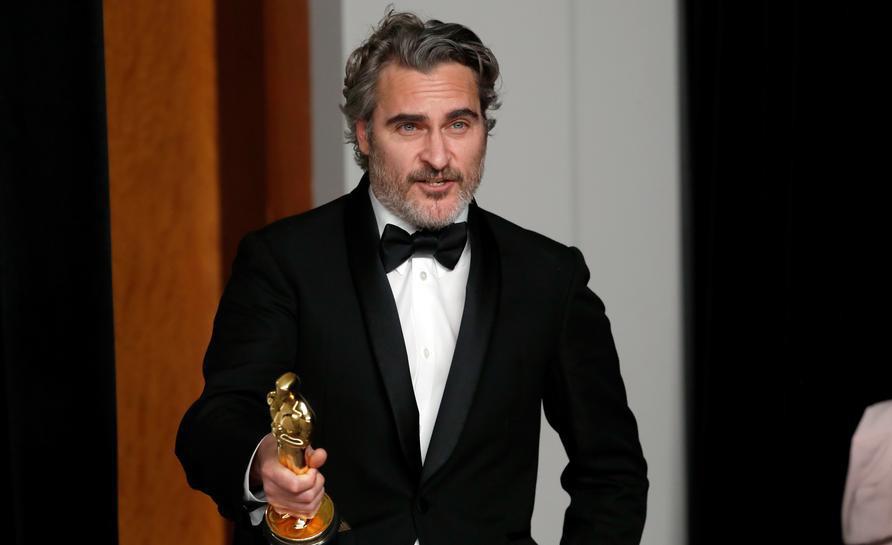
For Joker in 2019, Phoenix accepted a base salary of $4.5 million. The figure was modest for a Best Actor-caliber lead anchoring a $55 million budget. Importantly, both Phoenix and director Todd Phillips traded down on upfront fees. In exchange, they took backend points on first-dollar gross, per Celebrity Net Worth’s reporting on the deal structure. The film grossed $1.07 billion worldwide. Specifically, Phoenix’s reported 5% backend share would have produced roughly $25 million in additional income. The figure ran across the film’s theatrical and home-video tails. Phillips’s 20% share reportedly netted him north of $100 million.
The Joker 2 Restructure
For Joker: Folie à Deux in 2024, the deal restructured around a $20 million flat fee. Backend exposure was significantly reduced, per Variety’s coverage of the sequel’s economics. The trade made financial sense given the sequel’s commercial uncertainty. Subsequently, the film grossed $206 million worldwide on a $200 million budget. Phoenix’s decision to take the cash upfront proved correct. Notably, the contrast between the two Joker deals is itself instructive. The first deal converted creative risk into outsized backend upside. The second deal converted the franchise’s downside risk into guaranteed upfront cash. Phoenix structured both correctly for the conditions each film faced.
What The Joker Money Actually Funded
The strategic question becomes clear. What did Phoenix do with approximately $50 million in combined Joker income across the two films? The answer is the auteur slate that almost no other actor at his recognition level could afford to make. Specifically, Phoenix used the Joker proceeds to underwrite his participation in a slate of auteur projects. The slate included Beau Is Afraid (2023, Ari Aster, $35 million budget, $11 million gross), Eddington (2025, Ari Aster), You Were Never Really Here (2017, Lynne Ramsay, $8 million budget), and C’mon C’mon (2021, Mike Mills, $12 million budget). None of these films generated franchise economics. All of them generated critical capital. The capital compounded across his next decade of creative options.
The Auteur Slate That The Joker Money Bought
The 2017 Through 2025 Filmography Run
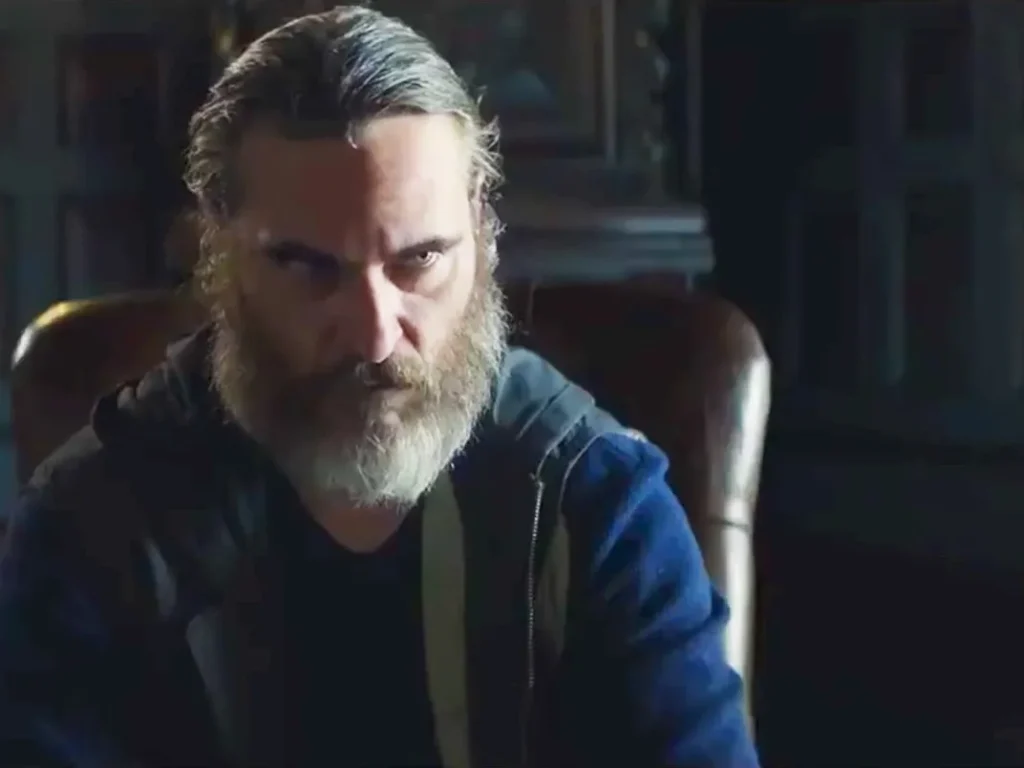
Phoenix’s filmography across the past eight years runs as a case study in deliberately under-monetized creative work. You Were Never Really Here in 2017 paid him scale plus participation. The participation was worth roughly $1 million given the film’s modest commercial performance. The Sisters Brothers in 2018 paid him approximately $2 million plus backend. Furthermore, Beau Is Afraid in 2023 reportedly paid him $5 million against the film’s $35 million budget. The figure ran well below his post-Joker quote. Eddington in 2025 paid at a similar register. None of these projects, taken individually, made financial sense at the rates Phoenix could have commanded.
The Math On The Trade-Off
The trade-off math runs as follows. Phoenix’s standard franchise quote post-Joker would have justified $15 million to $20 million per project. The auteur slate paid him $2 million to $5 million per project. Across eight years and roughly six auteur projects, the aggregate forgone income totals approximately $60 million to $80 million. Specifically, that figure roughly equals his total Joker franchise income across the same period. The barbell architecture is therefore approximately self-funding. Phoenix uses Joker money to buy himself out of the commercial career he could otherwise have had, in order to make the auteur work the commercial career would have prevented.
The Auteur Compound
The compound effect matters because the auteur work is not just artistic positioning. Furthermore, it is brand-asset construction. Each Ari Aster, Lynne Ramsay, Mike Mills, or Paul Thomas Anderson collaboration adds critical capital that subsequently raises Phoenix’s per-project ceiling on the next franchise opportunity. The Master (2012, Paul Thomas Anderson) earned Phoenix his second Oscar nomination. Specifically, that nomination contributed materially to the casting calculus that produced the Joker offer seven years later. Specifically, the auteur slate is an investment portfolio rather than a vanity project. The investment compounds across decades in ways pure franchise work would not have produced.
The Placement Economy: Why Phoenix’s Vegan Activism Is The Anti-Placement
The Categories He Closed Off Deliberately
Phoenix has been a public vegan since age three. Reportedly, he and his siblings refused to eat fish on a family trip after watching one struggle on a hook. The story has been retold across decades of interviews. Importantly, the activism has structured his commercial career in ways most analysts underestimate. Specifically, Phoenix’s veganism eliminates virtually every major endorsement category. A-list actors typically monetize those categories. Automotive partnerships involving leather interiors are off the table. Fashion houses using leather, fur, wool, or silk are eliminated. Furthermore, dairy, meat, and most fast-food categories are structurally incompatible. The endorsement universe available to Phoenix is roughly 10% of what his recognition level should access.
The Economic Cost That Becomes The Brand Asset
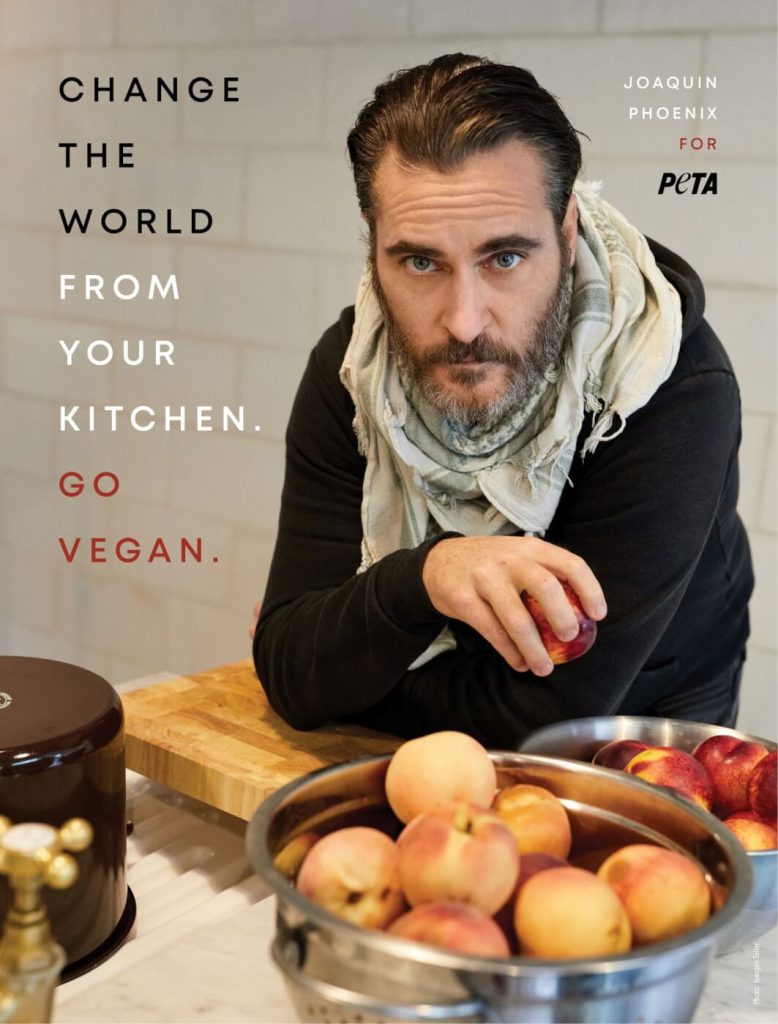
The financial cost of Phoenix’s veganism runs approximately $30 to 50 million across his career. The calculation runs against what a comparable A-list actor at his recognition level could command in endorsement income. Phoenix has not collected that money. Notably, the refusal pattern has become its own brand asset. The handful of brands that align with his ethics command premium positioning. Allbirds in shoes, Tesla in automotive for a period, and various plant-based food companies have approached him for partnerships. Specifically, Phoenix’s endorsement of any of them carries the credibility weight of decades of refused offers from competitors. Specifically, the Phoenix endorsement is rare, and rarity drives premium.
The Documentary Voiceover Economics
Phoenix’s actual brand-adjacent income concentrates in documentary narration and animal-rights advocacy projects rather than commercial endorsements. He narrated Earthlings (2005), Unity (2015), and Dominion (2018). Reportedly, he accepted mid-six-figure fees for projects that have generated minimal mainstream commercial returns. Furthermore, his voice work for PETA and Nation Earth has been compensated at scale rates. The aggregate income from this category, across his career, runs at approximately $2 to 3 million by industry estimate. Specifically, the figure is small in absolute terms but representative of where Phoenix’s commercial voice has actually been deployed.
The Hollywood Hills Chapter: Where The Strategy Lives
The Family Architecture
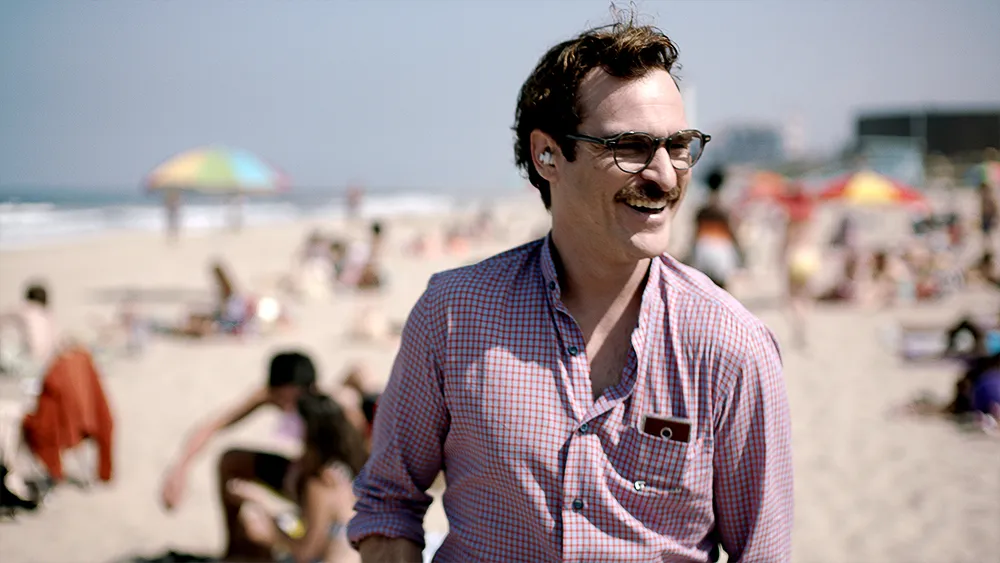
Phoenix has been with Rooney Mara since 2016. The relationship began as a friendship on the set of Her (2013). They became a couple in 2016 and welcomed their son in September 2020. Specifically, the couple named their child River, in honor of Joaquin’s late brother. The family lives primarily in the Hollywood Hills in a property the couple purchased jointly. Notably, the residence has been kept deliberately modest for actors at their net worth tier. The choice reflects the same disciplined posture toward conspicuous consumption that has characterized Phoenix’s career-long approach to celebrity.
The Geographic Restraint That Mirrors The Career Posture
Phoenix and Mara have publicly avoided the typical celebrity geographic pattern. Most peers maintain homes across Beverly Hills, Malibu, Aspen, and the East End of Long Island. Their footprint runs primarily through one Hollywood Hills residence. International film projects bring occasional rental stays. Furthermore, the geographic restraint mirrors the auteur-economics restraint elsewhere in Phoenix’s career. Specifically, both reflect the same operating principle. The artist who declines to scale his lifestyle to match his recognition retains optionality the lifestyle would consume.
The Activism Architecture
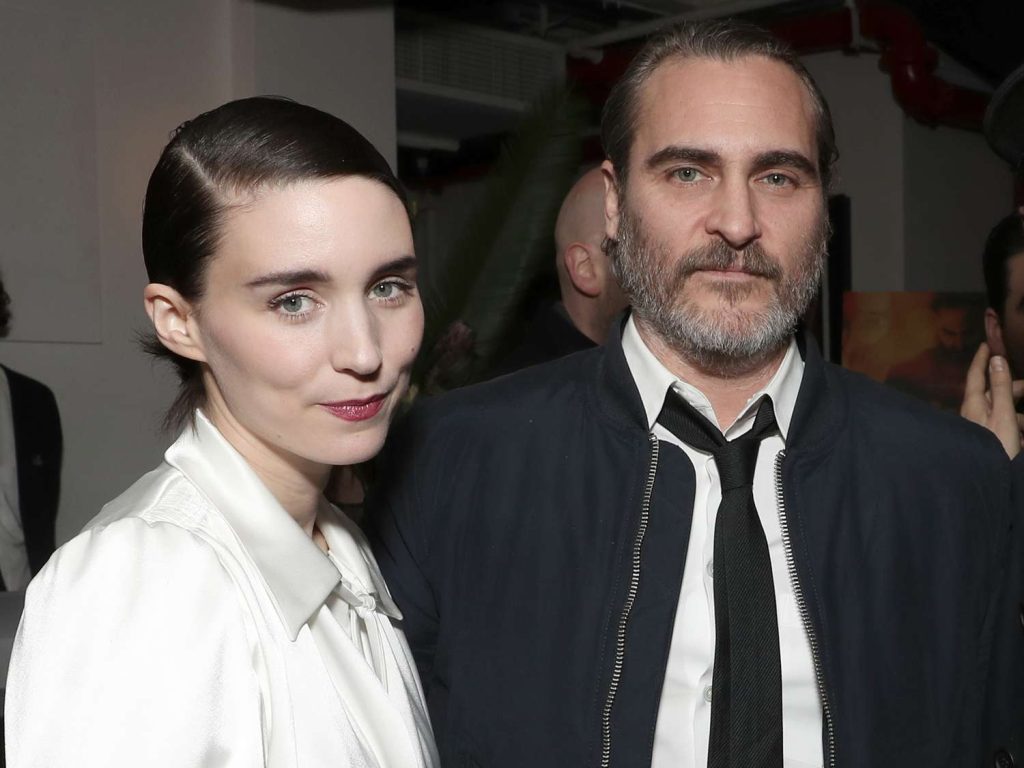
Phoenix and Mara operate jointly through several philanthropic vehicles. Focus areas include animal rights advocacy through PETA and the Nonhuman Rights Project, environmental work through the Climate Reality Project, and refugee advocacy through Amnesty International. The advocacy work is structurally additive to Phoenix’s brand asset. Notably, his 2020 Best Actor Oscar speech for Joker delivered something unusual. The speech pivoted directly to a five-minute statement on dairy farming, animal cruelty, and species hierarchy. The speech was watched by an estimated 23 million viewers globally. Specifically, the speech was the largest single piece of vegan advocacy ever delivered through mainstream entertainment media. Phoenix used his most commercially valuable career moment for advocacy. Notably, the content would have been refused as paid placement at any price.
What He Built: The Net Worth Composition Lesson
The $80 Million Estimate
Current credible estimates place Phoenix’s personal net worth at approximately $80 million. Reporting comes from Forbes, Celebrity Net Worth, and Parade. The composition breaks down approximately as follows.
Joker franchise compensation: approximately $50 million across the two films. The first film paid $4.5 million base plus estimated $25 million backend. Folie à Deux added the $20 million flat fee. Specifically, this column represents roughly 60% of his total net worth and was largely earned across a five-year window.
Other major film compensation: approximately $25 million across his career. Notable lines include Walk the Line ($3.5M plus participation), The Village ($5M), The Master ($2.5M plus backend), Gladiator ($1M), Signs ($1M), and various other studio projects.
Auteur and indie film compensation: approximately $5 million in retained income across the under-monetized portion of his slate. Specifically, the line covers Beau Is Afraid, You Were Never Really Here, The Sisters Brothers, C’mon C’mon, Eddington, and other prestige-tier indie projects.
Documentary narration and advocacy work: approximately $2 to 3 million across Earthlings, Unity, Dominion, and various animal rights and environmental projects.
Real estate: approximately $15 million in the Hollywood Hills residence and adjacent holdings. Notably, Phoenix has not built a real estate portfolio commensurate with his peers. The property footprint stays deliberately small.
The Asset Composition Lesson
The portfolio matters because it inverts the standard A-list actor model. Most leading actors at Phoenix’s tier hold roughly 40% of net worth in real estate. They also carry significant exposure to brand endorsements and celebrity-adjacent business ventures. Phoenix holds approximately 19% in real estate, essentially zero in formal brand endorsements, and zero in celebrity-adjacent ventures. Furthermore, the dominant line in his portfolio is film income, concentrated in two films. Specifically, the architecture is the lesson. Phoenix accepted concentration risk on the Joker franchise specifically to fund the auteur slate his career identity required. The math worked because the franchise paid out at the high end of its plausible distribution.
The Soft Landing: What The Phoenix Case Teaches Every Talent
Three Lessons From The Barbell
First, the franchise paycheck is not the destination. The franchise paycheck funds the destination. Phoenix’s Joker income, taken in isolation, would have been a successful but unremarkable career outcome. Specifically, the income’s actual function was to underwrite the auteur work. Furthermore, that work defined his identity as an artist. Every brand founder reading this should ask one question. Specifically, is your own franchise paycheck structured to fund the work you actually want to do, or treated as the work itself?
Second, refusal compounds when paired with deployment. Phoenix’s vegan activism closes off the standard endorsement universe. The refusal alone would not be the asset. The combination of refusal plus deliberate deployment of his commercial voice converts the refused income into brand-asset durability. Specifically, animal rights advocacy and environmental causes have absorbed his commercial voice. Notably, the combination is rare. Most celebrities who refuse endorsements do so passively. Phoenix’s refusal is active. The active version produces brand assets the passive version does not.
The Auteur Counterexample The Cluster Needs
Third, the placement economy assumes the talent wants to monetize the talent’s own brand at maximum efficiency. Specifically, most articles in this cluster have argued how to do that monetization well. Pierce Brosnan through Omega platform deals. Natalie Portman through Dior. Jessica Alba through founding her own brand. Phoenix’s case demonstrates the alternative. The talent who deliberately under-monetizes his commercial brand runs a different optimization function entirely. Specifically, the goal is to fund work the commercial brand would prevent. Furthermore, the function is valid. The function produces career outcomes commensurate with the commercial-maximizing path. Furthermore, it produces significantly higher artistic optionality across decades.
The Gladiator Coincidence Worth Noting
Phoenix’s career has one structural symmetry worth examining. He earned his first Best Actor nomination as Commodus in Russell Crowe’s 2000 Gladiator. The role placed him opposite Crowe’s Maximus. Both actors went on to build careers that explicitly rejected the Hollywood lifestyle infrastructure. Their peers had considered that infrastructure standard. Crowe bought 1,300 acres of Australian cattle country. Phoenix bought one Hollywood Hills house. He refused virtually every endorsement deal of his generation. Specifically, the two actors who anchored the highest-grossing prestige film of 2000 each demonstrated something across the subsequent twenty-five years. Hollywood economics can be played in fundamentally different registers and still produce successful careers. The cluster’s central thesis runs through both of their stories.
The Thesis That Outlasts The Franchise
Phoenix’s case is instructive because it forces a question most career-economics analysis avoids. The placement economy assumes maximum monetization is the goal. Phoenix’s career demonstrates that maximum monetization may be the wrong goal entirely. Specifically, the underlying objective may be artistic durability instead. The auteur slate he funded with Joker money will outlast the Joker franchise itself. Specifically, the films he made for $5 million each will be cited in critical literature for decades. Furthermore, the franchise that funded them will fade as franchises always do. The wider biographical context is covered in the companion piece. Specifically, that piece covers the family architecture and the River Phoenix legacy that shaped his approach to celebrity. This article exists to add what that piece does not. The barbell architecture at the center of Phoenix’s career is itself the lesson worth carrying out of his fifty years.
Related Reading
- Joaquin Phoenix Net Worth 2025: From Cult Childhood to Method Actor Icon
- Hollywood’s $26 Billion Hidden Economy: How Product Placement Built Modern Stardom
- Russell Crowe Net Worth: How Gladiator Built A $200M Australian Cattle Empire
- Ralph Fiennes Net Worth: How Voldemort And Bond Funded A $50M Director’s Career
- Meryl Streep Brand Asset Economics: $160M From Refusing Endorsements
- Chris Evans Net Worth: How Captain America’s $110M Exit Strategy Worked
How To Work With Social Life Magazine
A fish does not notice the water. A reader does not notice the placement. That is the entire point. Furthermore, it is the entire opportunity for the brand founder who has just finished reading an article and is, without having fully realized it yet, about to scroll down and click one of the following five links.
Six Ways To Connect
If you are a brand, a founder, a creative director, or an in-house marketing lead who has read this far and would like to be considered for an editorial feature in Social Life Magazine’s print or digital ecosystem, the editorial team reviews brand submissions year-round. Pitch us at sociallifemagazine.com/contact.
If you are a brand with a ready-to-run campaign and would like to move faster than the traditional editorial cycle, the Paid Feature program offers three tiers of guaranteed placement across Social Life Magazine’s digital properties, with pricing starting at $975. Full details at sociallifemagazine.com/submit-a-paid-feature/.
Every piece Social Life Magazine publishes reaches an email list of 82,000 pre-qualified affluent readers. The majority summer in the Hamptons and spend the off-season in Manhattan’s core luxury zip codes. The email blast is the single most efficient distribution mechanism in the Hamptons editorial ecosystem. Inquire about placement at sociallifemagazine.com/enflyer.
Events, Print, And Independent Editorial
Polo Hamptons 2026, Social Life Magazine’s flagship event property, returns for its 17th year in July and August 2026. Platinum, Gold, and Corporate Cabana sponsorship packages are available for select categories (automotive is locked by BMW North America, real estate is at capacity, all other categories open). Demographic data, sponsor decks, and custom activation proposals available at polohamptons.com.
Social Life Magazine’s print edition, now in its 23rd year, distributes 25,000 copies per summer issue across Westhampton, Southampton, Bridgehampton, East Hampton, Sag Harbor, Amagansett, and Montauk boutiques, restaurants, and private clubs. Annual subscriptions, including fall/winter Upper East Side doorman distribution, available at sociallifemagazine.com/subscription.
If you’d like to support independent luxury editorial in the age of AI-generated content farms and private-equity-owned media conglomerates, donations to Social Life Magazine’s editorial operations are received via PayPal. Every dollar funds original reporting, photography, and the kind of writing that brands send their marketing teams to study.
Author

Written by
Recent Posts
Legal Options for Investment Fraud Claims

How Custom DTF Printing Adds Ease and Color to Your Boutique
How Often Should You Actually Replace Your Towels?
Apartment Pet Policies: What to Know as a Pet-Owning Tenant
Why Reliable Airport Transportation Matters for Modern Travelers
Categories
- Art
- Articles
- Business of Luxury
- Celebrities
- Culture
- Entertainment
- Events
- Faces of Summer 2026
- Fashion
- Fashion & Style
- Featured
- Finance
- Food, Spirits, Wine
- Hamptons
- Hamptons Celebrities
- Health
- Health & Beauty
- Lifestyle
- Luxury Lifestyle
- Press
- Profiles
- Real Estate
- Technology
- The Chronicles
- Travel
- Uncategorized
- Weddings