
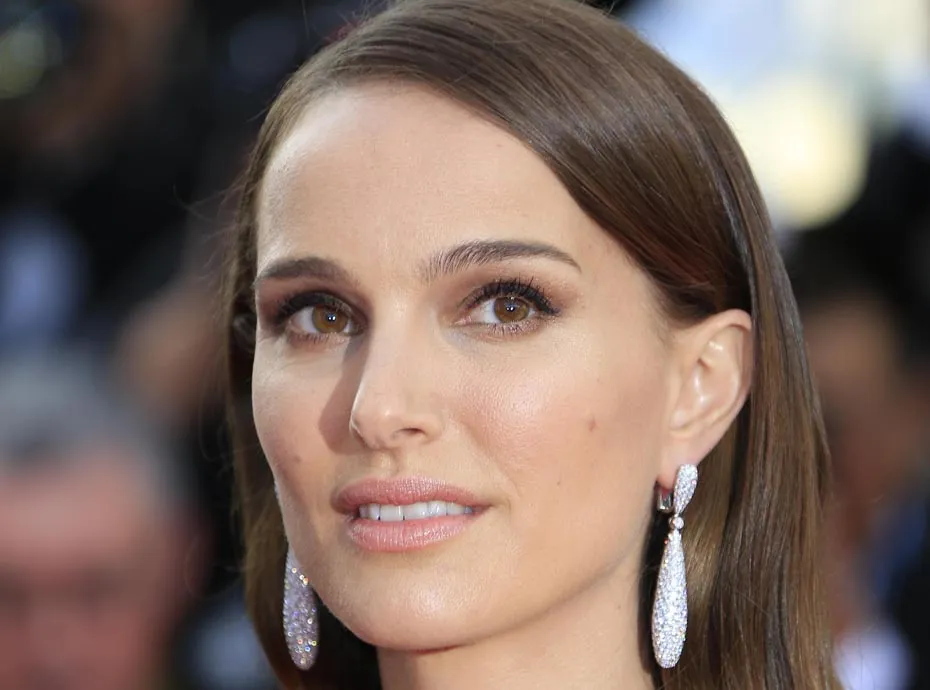
The Before: A Jerusalem-Born Daughter of an OB/GYN
The Family That Moved Across Three Continents
Natalie Hershlag was born in Jerusalem in June 1981. Specifically, her father Avner was an Israeli fertility specialist. Likewise, her mother Shelley was an American homemaker and artist from Cincinnati. The family moved to Washington D.C. when Natalie was three, then to Connecticut, then finally to Long Island when she was nine. Importantly, the moves followed Avner’s medical training rather than any showbusiness ambition. The Hershlags were not a Hollywood family. They were a doctor’s family that happened to produce, by total accident, one of the most strategically operated celebrity careers of her generation.
The Discovery At A Pizza Place
Initially, at eleven, Natalie was discovered by a Revlon agent at a pizza parlor on Long Island. The agent offered her a modeling contract. Specifically, she declined modeling and asked for acting auditions instead. The decision, made at eleven, foreshadowed every subsequent strategic choice of her career. She would not be a face. She would be a working actor with a face. The distinction would later be worth tens of millions of dollars.
However, her parents agreed to let her audition under one condition. She had to use a stage name to protect family privacy. Specifically, she chose Portman, her grandmother’s maiden name. Within a year, she had auditioned for and lost the role of the daughter in Mrs. Doubtfire. Then, by thirteen, she had landed the role that would shadow her career for the next two decades.
The Pivot Moment: Léon and the Performance That Was Too Adult
Luc Besson’s Casting Choice At Age Twelve

Specifically, in 1994 Luc Besson cast Portman as Mathilda in Léon: The Professional. Notably, she was twelve when filming began. The role required her to play a child orphaned by violence who attaches herself to a hitman, and Besson’s original cut included implications of romantic feeling that test audiences and Portman’s own parents pushed back on. Subsequently, several scenes were trimmed. Yet the released version still placed a twelve-year-old in proximity to adult themes that subsequent decades have re-evaluated as deeply uncomfortable.
Portman has spoken publicly, in subsequent interviews and her own essays, about the consequences of being sexualized in print and in fan mail starting at thirteen. The first letter she received from a stalker arrived when she was thirteen. The first time she read herself described as a sexual object in a published rape fantasy was around the same age. Notably, the experience structured her relationship to fame. She would not be visible in the way the industry expected young women to be visible. Public dating was off the table. Parties were off the table. Instead, she would build the most fortified intellectual reputation any young actress had ever attempted.
The Star Wars Years That Funded the Strategy

Between 1999 and 2005, Portman played Padmé Amidala across George Lucas’s prequel trilogy. The films were critically uneven and commercially massive. Specifically, the trilogy grossed over $2.5 billion worldwide and paid Portman a reported $5 million across the three films, plus participation. The capital from Star Wars funded what came next. It paid for Harvard. The same capital paid for the years she spent turning down typecast roles. Furthermore, it paid for the patience required to wait for a pivot the industry had not yet built for her.
The Climb: Harvard, Dior, and the Oscar That Closed the Loop
Harvard, 1999 Through 2003

Portman enrolled at Harvard in fall 1999, three months after The Phantom Menace‘s release. She studied psychology, graduating in 2003. During college, she co-authored two research papers, including one published in NeuroImage. Furthermore, she lived in the dorms, attended lectures, and reportedly maintained relative anonymity through a combination of student culture’s local indifference to celebrity and her own consistent refusal to perform celebrity on campus.
The Harvard credential was not, in conventional career terms, necessary. She was already one of the most recognizable young actresses in the world. What Harvard did, structurally, was convert recognition into respect. Recognition is finite and devalues with overuse. Respect compounds. The Hershlag-Portman strategic intelligence understood this in 1999, before most twenty-something celebrities understood it in 2024.
The Dior Contract Signed In 2010
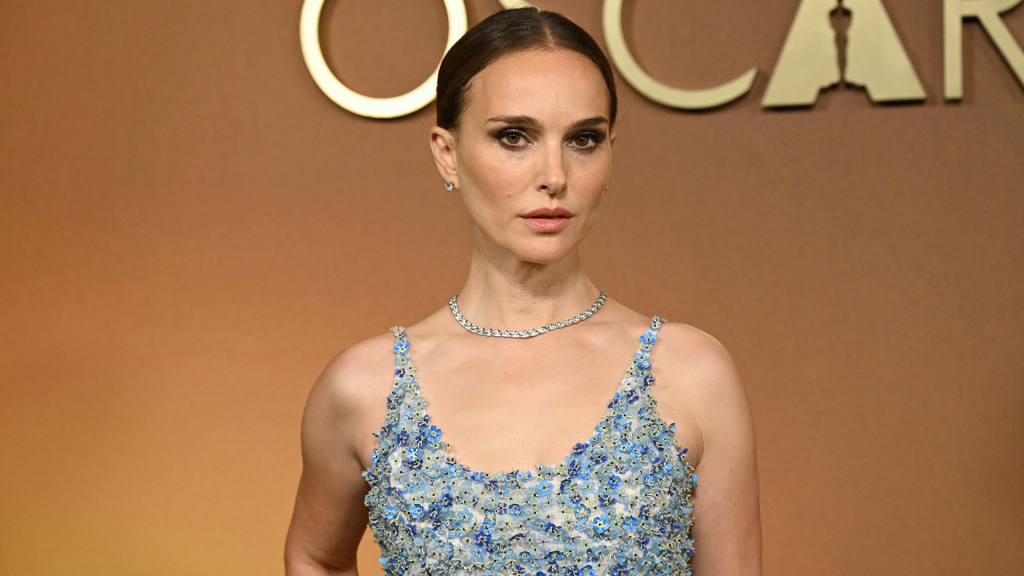
In 2010, Dior’s then-creative director John Galliano signed Portman as the global face of Miss Dior. The initial contract was reportedly worth $4 million annually. The deal has been renewed continuously since. Estimates of the deal’s lifetime value to Dior, reported variously across WWD and other trade publications, place the equivalent media value generated for the house at $60 million-plus over the partnership’s first fifteen years.
What makes the Dior deal structurally distinct from a standard endorsement is the integration depth. Portman did not just appear in print campaigns. She fronted the Miss Dior fragrance launch and relaunch cycles. Additionally, she starred in short films directed by major auteurs (Sofia Coppola, John Cameron Mitchell, others) that the brand commissioned specifically as creative vehicles for her. The deal has, over time, blurred the line between actor and brand asset to the point where the question of which is primary becomes meaningless. She is both. The brand commissioned art around her. She gave the brand prestige. Both compounded.
Black Swan, the Oscar, and the Critical Validation

In 2010, during the same year as the Dior signing, Darren Aronofsky’s Black Swan released. Portman’s performance as Nina Sayers, the obsessive ballerina, won her the Academy Award for Best Actress. The film also catalyzed a fashion moment for Rodarte, the Mulleavy sisters’ costume label that designed Nina’s tutus. Per WWD’s coverage, Rodarte’s editorial presence tripled in the eighteen months after the film’s release. The Oscar gave Portman the critical validation that closed the loop on the strategy she had been executing since age eleven. She was now, simultaneously: an Oscar-winning serious actress, the face of a major luxury house, a Harvard alumna, and a published academic co-author. No actress of her generation had assembled that exact combination.
The Marvel Years and the Audi Layer

Subsequently, from 2011 onward, Portman played Jane Foster across Marvel’s Thor films. The Marvel-Audi placement architecture, reportedly worth $30 million across phases per Forbes coverage, was already structured by the time Portman joined. She specifically appeared in Audi-integrated activations during Thor: Love and Thunder‘s 2022 promotional cycle. Furthermore, her Marvel appearances allowed her to layer franchise revenue (reported salary of $5 to 8 million per film) on top of her existing Dior and prestige film income without disrupting any of the three streams.
The Placement Economy: Why Films Are Placed Around Portman, Not the Other Way
The Inversion of the Standard Model
Most actors work within a placement model where the brand pays the studio to embed product alongside the actor. The actor is incidental to the deal. Studios act as the counterparty. An actor’s leverage is limited to negotiating that her wardrobe, props, or co-stars don’t conflict with her own ambassadorships.
Portman inverted this. By the time of Black Swan, the films she joined were being structured, in part, around her existing brand commitments. Specifically, Dior’s media calendar, Rodarte’s runway calendar, and her academic publication calendar all factored into her availability and her contracts. The film studios accommodated her ecosystem rather than the reverse. That is an inversion most working actors never achieve.
The Brands That Paid To Be Near Her
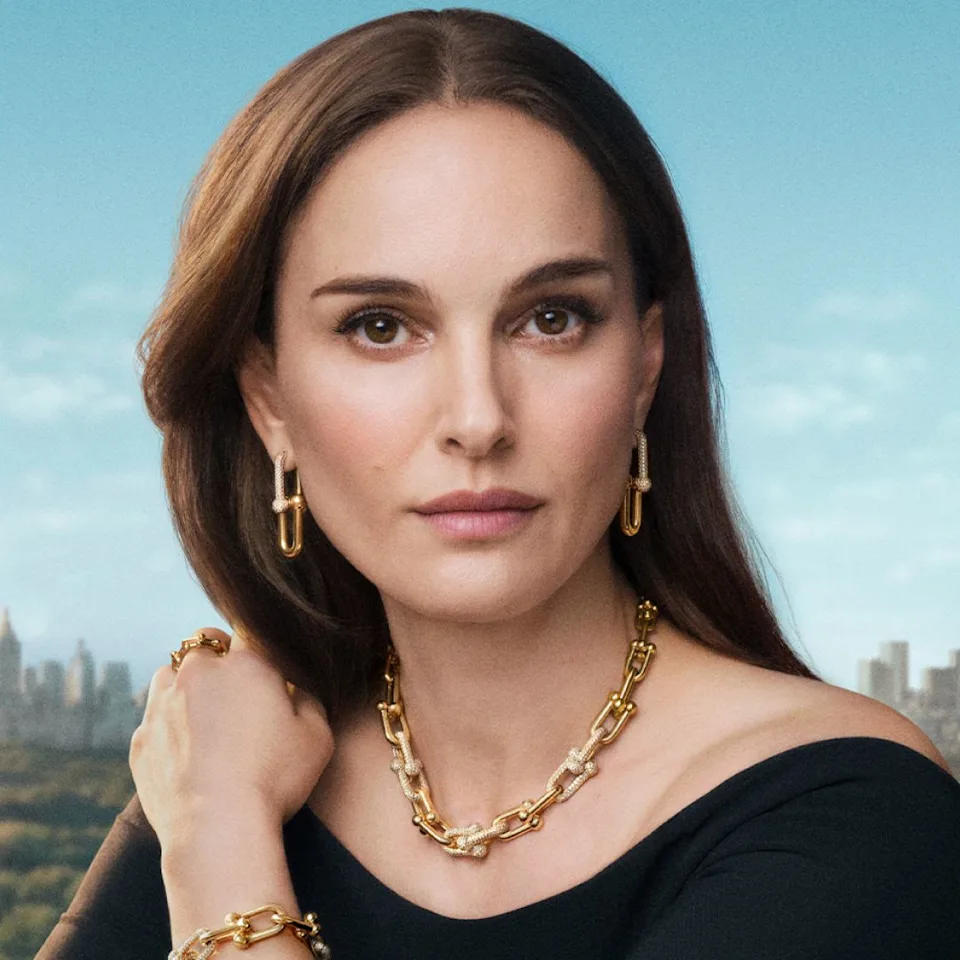
The deal stack across Portman’s career runs deeper than the Dior partnership alone. Tiffany & Co. placed jewelry on her at major awards across the 2010s, an unpaid editorial barter that nonetheless generated significant brand lift. Rodarte received ongoing editorial gravity from her wardrobe choices, both on-screen and at premieres. L’Oréal and Honest Beauty have run campaigns featuring her at various stages. Audi, through the Marvel architecture, placed vehicles in her on-screen world. Across all of these, the structural through-line is consistent. Brands paid, in cash or in goods, to be near her. The lift compounded for Dior, for Rodarte, for the smaller labels she chose to wear. Her share of that lift, beyond cash fees, came in the form of editorial control she would not otherwise have commanded.
The Math On the Lifetime Value
The aggregate calculation, made conservatively, runs as follows. Acting income across her career: approximately $50 million in salary plus participation. Dior contract over fifteen-plus years: approximately $60 million in cumulative direct compensation, per industry estimates of multi-year ambassador deals at her tier. Smaller brand ambassadorships and producer fees: approximately $15 million. The total cash income from being a brand asset, across her career, runs roughly equivalent to her total cash income from being an actress. Specifically, that ratio is the case study. Actresses at her tier typically generate 80% of cash income from acting and 20% from endorsements. Portman runs 50/50. Importantly, the brand income is also more durable, less age-sensitive, and structurally easier to compound across decades than acting income.
The Cambridge-To-Paris Chapter: Where the Identity Was Actually Built
Cambridge, Massachusetts, As The Filter
Cambridge during Portman’s Harvard years was the filter through which Hollywood read her ever after. Specifically, the four years she spent on campus restructured how the industry understood her. She was no longer a child actress who got lucky. She was, in the industry’s revised reading, a woman of independent intellectual capability who happened to act. Hollywood does not produce that reading on its own. It requires an external credential. Harvard supplied it.
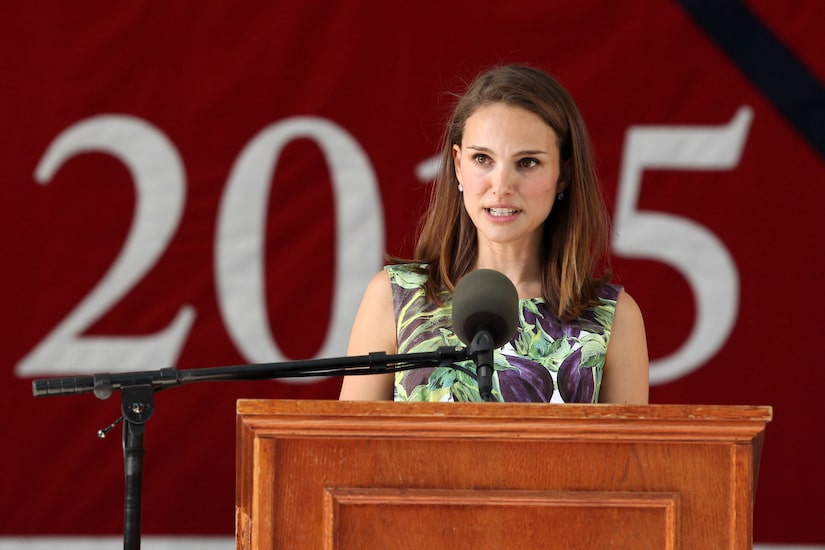
The Cambridge years were also where Portman built the academic relationships that subsequently fed back into her career. Her psychology research collaborators became sources for her later directing work. Her professors, several of whom she has cited publicly, shaped the intellectual register she brings to interviews. The campus itself, where she lived in the Lowell House dormitory, was modest by celebrity standards. She rode public transit. Lectures got attended. Papers went in under her birth name to avoid the kind of academic favoritism that destroys credibility.
Paris, 2010 Through 2018
From the 2010 Dior signing through her 2018 relocation to Los Angeles, Portman maintained a substantial Paris presence. In 2012, she married French choreographer Benjamin Millepied. The couple lived in Paris while Millepied directed the Paris Opera Ballet from 2014 to 2016. Their first child, Aleph, was born during that period. Furthermore, Portman’s Dior commitments brought her to Paris regularly for shoots, fittings, and brand events even after her primary residence shifted back to the United States.
The Paris years gave Portman a second cultural identity that few American actresses have ever cultivated. Notably, she speaks French fluently. She moved through French cultural institutions as a participant rather than a tourist. Importantly, that bilingual cultural fluency is part of what makes her brand asset to Dior so durable. She is not an American celebrity wearing French luxury. She is, structurally, a person who can move between American and French cultural registers with equal facility. Dior pays for that capability, and the capability does not exist for most of her American peers.
Los Angeles, 2018 Forward
Since 2018, Portman has lived primarily in Los Angeles with Millepied and their two children, Aleph and Amalia. Specifically, the family reportedly resides in the Los Feliz neighborhood. She has also expanded her professional footprint to include directing (her debut feature A Tale of Love and Darkness released in 2015) and producing (through her MountainA production company, founded 2021). The LA chapter is the operational present. Notably, the identity that operates from LA was forged in Cambridge and Paris.
What She Built: The Net Worth Breakdown
The $90 Million-Plus Estimate
Current credible estimates place Portman’s personal net worth at approximately $90 million to $110 million, per cross-referenced reporting from Forbes and other industry tracking. The composition breaks down approximately as follows.
Acting salary and participation: approximately $50 million lifetime. The Star Wars trilogy paid roughly $5 million across three films, with the Marvel Thor films adding another $20 million or so across the franchise. Specifically, prestige film salaries (Black Swan, Jackie, Vox Lux, May December) ran $1 to 5 million per picture but came with critical capital that supported the rest of her business.
Dior and brand ambassadorships: approximately $60 million in cumulative direct compensation across the fifteen-plus year Dior partnership, plus smaller fees from Honest Beauty, L’Oréal, and other partnerships. Importantly, this column has been the dominant revenue stream of the past decade.
Real estate: approximately $25 million, including the Los Feliz family residence and prior Paris and New York holdings.
Production company (MountainA) and equity stakes: approximately $5 to 10 million, depending on the valuation of in-progress projects and her share in projects she has produced. The production company is operationally early but represents the architecture of her next decade.
The Asset Composition Lesson
The portfolio matters because, like Jessica Alba’s, it inverts the standard celebrity composition. Most actresses at Portman’s tier hold roughly 60% of net worth in acting income and residuals, with smaller positions in real estate and brand deals. Portman’s portfolio runs approximately 40% acting and 50% brand income, with real estate and equity making up the balance. Specifically, the architecture is the lesson. Diversification away from acting income, executed across enough years, restructures the entire risk profile of a celebrity career.
The Soft Landing: What The Portman Case Teaches Every Brand Asset
Three Lessons From The Refusal
First, the typecast is a default the actor must actively refuse. Portman’s career between thirteen and seventeen could have settled into the same path that consumed many of her contemporaries. She refused, and the refusal was not passive. It involved declining roles. It involved the Harvard application. Importantly, it involved a structural intellectual project that Hollywood does not easily reward but eventually respects. Every brand founder reading this should ask what their own typecast looks like, and what refusal would cost.
Second, prestige is an asset class. Most celebrity capital depreciates. Reputation capital, correctly built, compounds. Portman’s Harvard degree, her academic publications, her Oscar, her French cultural fluency are all prestige assets that have produced returns continuously since acquisition. Specifically, the Dior contract, which has run fifteen-plus years, would not exist without the prestige stack Portman built across the prior decade. The brand pays not for her face but for her credentials. Founders should understand the difference.
Third, durability beats spike, again. The same lesson that emerged from the Brosnan-Omega partnership emerges here from the Portman-Dior partnership. Both relationships have run more than a decade. Each partnership structured the deal as platform rather than campaign. Returns have compounded far beyond what the original fee suggested. Furthermore, both demonstrate that the rarest commodity in the celebrity economy is not talent or beauty. It is durability. The asset that survives the first ten years compounds for the next thirty.
The Thesis That Outlasts The Career
Portman’s case is instructive because the strategy was visible from age eleven. The pizza parlor agent offered modeling. The eleven-year-old asked for acting. That choice was the entire career in seed form. Refuse the easier path. Build the harder credential. Let the credential compound. Decades later, watch the math arrive at a place no shortcut would have reached. The talent who builds prestige early collects the lift the rest of her career. Everyone else watches it accrue elsewhere.
The Portman Hub’s Spoke Architecture
The Portman hub anchors two significant spoke pieces in the cluster, each examining a Closer or Black Swan co-star whose subsequent career architecture differed from Portman’s brand-ambassador model. Mila Kunis’s Jim Beam category-expansion thesis represents the founder-brand-extension variant. Furthermore, Jude Law’s prestige-and-tentpole barbell represents the lane-refusing variant. Both spokes demonstrate that Portman’s Dior architecture is one of several valid responses to the prestige-actress strategic question, with each variant producing distinct compounding characteristics across decades.
Related Reading
- Hollywood’s $26 Billion Hidden Economy: How Product Placement Built Modern Stardom
- Mila Kunis Net Worth Strategy: How $10M Jim Beam Deal Lifted A Whole Category
- Jude Law Net Worth: $70M From Refusing To Choose Between Prestige And Tentpole
- Meryl Streep Brand Asset Economics: $160M From Refusing Endorsements
- Jessica Alba Net Worth: From Sin City To $1.44B Honest Company IPO
- Emma Watson Brand Asset Economics: Burberry, Lancôme, And The Brown Detour
How To Work With Social Life Magazine
A fish does not notice the water. A reader does not notice the placement. That is the entire point. Furthermore, it is the entire opportunity for the brand founder who has just finished reading an article and is, without having fully realized it yet, about to scroll down and click one of the following five links.
Six Ways To Connect
If you are a brand, a founder, a creative director, or an in-house marketing lead who has read this far and would like to be considered for an editorial feature in Social Life Magazine’s print or digital ecosystem, the editorial team reviews brand submissions year-round. Pitch us at sociallifemagazine.com/contact.
If you are a brand with a ready-to-run campaign and would like to move faster than the traditional editorial cycle, the Paid Feature program offers three tiers of guaranteed placement across Social Life Magazine’s digital properties, with pricing starting at $975. Full details at sociallifemagazine.com/submit-a-paid-feature/.
Every piece Social Life Magazine publishes reaches an email list of 82,000 pre-qualified affluent readers. The majority summer in the Hamptons and spend the off-season in Manhattan’s core luxury zip codes. The email blast is the single most efficient distribution mechanism in the Hamptons editorial ecosystem. Inquire about placement at sociallifemagazine.com/enflyer.
Events, Print, And Independent Editorial
Polo Hamptons 2026, Social Life Magazine’s flagship event property, returns for its 17th year in July and August 2026. Platinum, Gold, and Corporate Cabana sponsorship packages are available for select categories (automotive is locked by BMW North America, real estate is at capacity, all other categories open). Demographic data, sponsor decks, and custom activation proposals available at polohamptons.com.
Social Life Magazine’s print edition, now in its 23rd year, distributes 25,000 copies per summer issue across Westhampton, Southampton, Bridgehampton, East Hampton, Sag Harbor, Amagansett, and Montauk boutiques, restaurants, and private clubs. Annual subscriptions, including fall/winter Upper East Side doorman distribution, available at sociallifemagazine.com/subscription.
If you’d like to support independent luxury editorial in the age of AI-generated content farms and private-equity-owned media conglomerates, donations to Social Life Magazine’s editorial operations are received via PayPal. Every dollar funds original reporting, photography, and the kind of writing that brands send their marketing teams to study.
Author

Written by
Recent Posts
Legal Options for Investment Fraud Claims

How Custom DTF Printing Adds Ease and Color to Your Boutique
How Often Should You Actually Replace Your Towels?
Apartment Pet Policies: What to Know as a Pet-Owning Tenant
Why Reliable Airport Transportation Matters for Modern Travelers
Categories
- Art
- Articles
- Business of Luxury
- Celebrities
- Culture
- Entertainment
- Events
- Faces of Summer 2026
- Fashion
- Fashion & Style
- Featured
- Finance
- Food, Spirits, Wine
- Hamptons
- Hamptons Celebrities
- Health
- Health & Beauty
- Lifestyle
- Luxury Lifestyle
- Press
- Profiles
- Real Estate
- Technology
- The Chronicles
- Travel
- Uncategorized
- Weddings