
The Refusal That Built The Fortune
The Number Most Industry Analysts Cannot Quite Believe
Meryl Streep’s personal net worth runs between $100 million and $160 million, per cross-referenced reporting. The range depends on which assets get included in the calculation. The wider biographical arc is covered in the companion piece Meryl Streep Net Worth 2025: The Gawky Girl from Jersey Who Became the Greatest Actress Alive. That piece covers the John Cazale years and the Salisbury Connecticut estate in depth. This article focuses on something that piece does not. Specifically, Streep’s brand-asset economics are structurally unlike any other actress at her tier. The reason is straightforward. She has spent fifty years declining the endorsement income most of her peers built their net worth around.
Why The Streep Case Matters For Brand Founders
The placement economy thesis, examined in the broader Social Life Magazine analysis, generally holds a clear position. Specifically, the most prestigious actresses in any given decade command the highest brand-ambassador premiums. Furthermore, the conventional wisdom across the industry says that prestige plus longevity equals endorsement leverage. Natalie Portman’s Dior contract has run fifteen-plus years at premium pricing. Notably, the deal is the case study most luxury houses cite when justifying eight-figure ambassador deals to actresses with academic-cred profiles. Streep represents the inverse case. Her prestige stack is the most valuable in modern Hollywood. Her formal endorsement income across fifty years is less than 1% of her total net worth, by industry estimate.
The Salary History That Made The Refusal Possible
The 1979 Through 2008 Studio Era
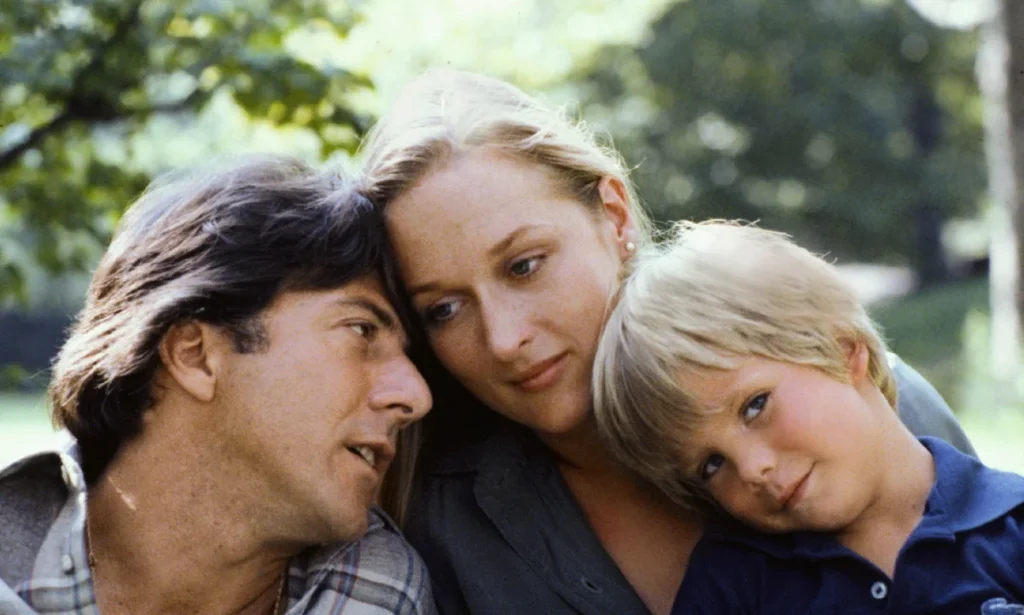
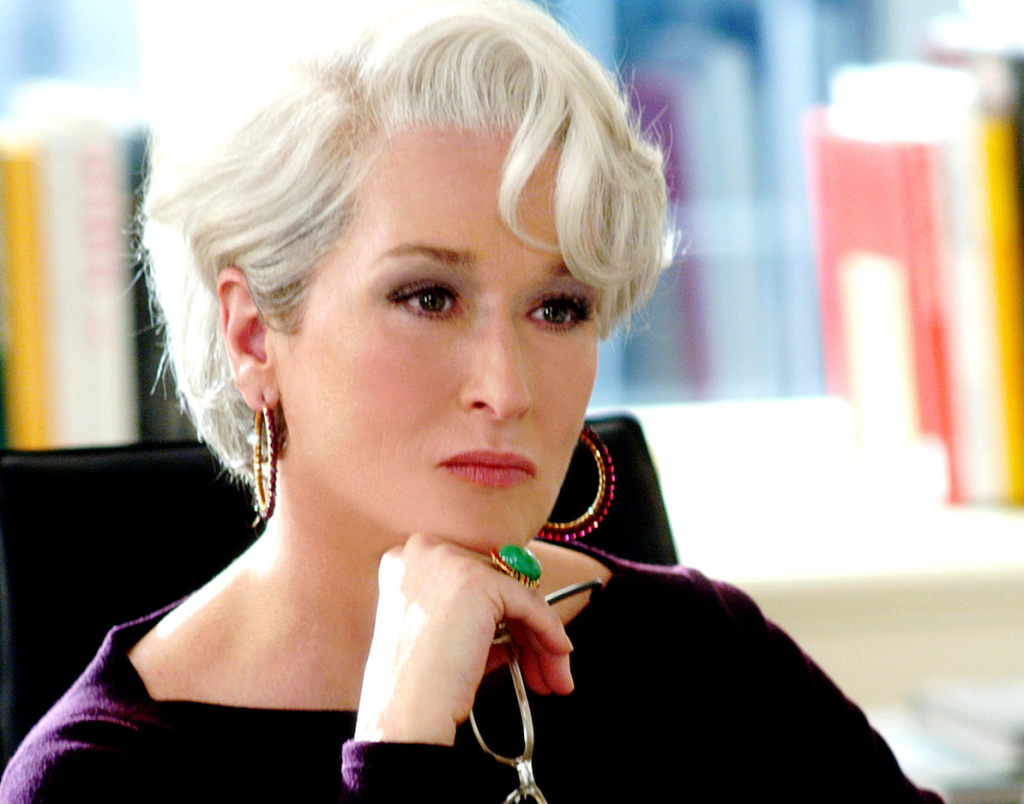
Streep’s salary history runs as a case study in steadily-compounding leverage. Kramer vs. Kramer in 1979 paid her $85,000. Out of Africa in 1985 paid her $3 million. Reporting comes via AOL’s compiled salary archive. The Devil Wears Prada in 2006 paid her $5 million. Importantly, she only accepted after famously turning down the studio’s first offer. Streep told Variety in 2015 that the initial offer was “slightly, if not insulting, not perhaps reflective of my actual value to the project.” She walked. The studio doubled the offer. She accepted. The film grossed $326 million on a $41 million budget. Subsequently, the result validated both her value and her negotiating posture in a single quarter.
The Devil Wears Prada Doubling As Brand Asset Proof
The Devil Wears Prada negotiation is the single most-cited example of Streep’s brand-asset economics in action. Specifically, the doubled offer demonstrated something rare. The placement economy rarely codifies this dynamic in legible form. A sufficiently durable celebrity brand can demand its own pricing. No formal endorsement deal is needed as the justification mechanism. Streep was not threatening to walk because of a competing Dior or Lancôme contract. No such deal valued her time differently. She was walking because her own asset value justified a higher number than the studio had offered. The calculation ran against the project’s likely commercial outcome. Furthermore, the studio knew it. The offer doubled within hours.
The 2010s Streaming-Era Backend
From 2017 onward, Streep moved selectively into prestige television. Her Big Little Lies Season 2 role as Mary Louise Wright reportedly paid her approximately $800,000 per episode. Reporting comes via Variety’s coverage of the deal. Notably, the figure trailed the $1 million-per-episode rate the main cast commanded. Reese Witherspoon, Nicole Kidman, Laura Dern, Shailene Woodley, and Zoë Kravitz all earned the higher rate. Streep took the lower number because the role was secondary by structural design. Subsequently, her Only Murders in the Building appearances began in 2023. Reportedly, the show paid her at the $850,000 to $1 million-per-episode tier, layered on top of her continuing film work. The streaming-era income stack runs smaller per project than the Devil Wears Prada-era studio fees. However, the income has been more consistent and more diversified.
The $1 Million Iron Lady Salary She Donated
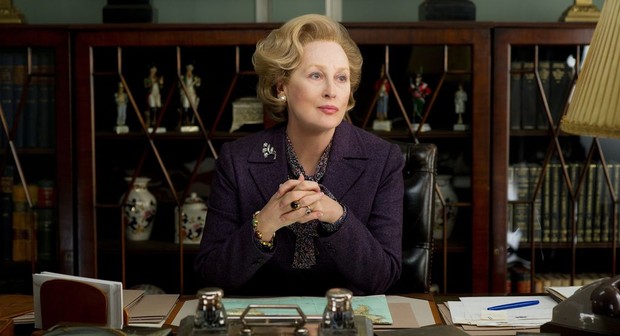
In 2011, Streep accepted $1 million for The Iron Lady, well below her standard quote. She then donated the entire fee to the National Women’s History Museum. The donation became one of the most-cited examples of her career-long pattern. Streep takes lower fees for projects with cultural or political significance. Subsequently, she converts the implied lost income into philanthropic capital. Importantly, the move is more sophisticated than it appears. Donating the salary is also a brand-asset signaling move. The donation tells the next director offering her a project something specific. Specifically, she will accept under-market fees for material she believes in. The signal keeps her bookable for prestige projects that other actresses at her tier have priced themselves out of.
The Placement Economy: Why Streep’s Refusal Is The Lesson
The Endorsement Deals That Never Happened
Across a fifty-year career, Streep’s documented major endorsement deals fit on a short list. She has appeared occasionally in cause-marketing campaigns, including for Equality Now and various women’s rights organizations. Furthermore, she has participated in voiceover work for Apple, AT&T, and a small number of corporate awareness campaigns. The fees ran significantly below her acting rate. Specifically, no major luxury house, beauty brand, fashion label, or consumer-goods company has held a long-term ambassador contract with her. The pattern holds across the decades when her brand-asset value was at its highest. Notably, those deals never happened. Furthermore, the absence is not because the deals were never offered. By multiple industry accounts, Streep’s representation has fielded continuous offers since the late 1980s. The figures ranged from high six figures to mid seven figures. She has declined them all.
What She Optimized For Instead
The strategic question becomes clear. What did Streep optimize for if not endorsement income? The answer, examined across her salary history, is straightforward. She optimized for the right to keep working at A-list quote rates for forty years. Most actresses at her starting tier saw their per-film fees decline significantly across the 1990s and 2000s. Faye Dunaway, Jane Fonda, and Diane Keaton each followed that trajectory. Streep did not. Her per-film rate held at or near the $20 million ceiling from The Devil Wears Prada through her 2010s prestige run. Specifically, the duration ran roughly fifteen years longer than industry observers had projected she could maintain.
Specifically, the leading industry-economist theory holds a clear position. Streep traded short-term endorsement income for long-term salary durability. Endorsement deals constrain casting flexibility. They signal commercial rather than artistic positioning. Furthermore, they create category conflicts that limit which roles a director can offer. Streep’s refusal kept her menu fully open.
The Math On The Trade-Off
The cumulative comparison runs as follows. Streep’s career endorsement income across fifty years totals approximately $5 million. The figure runs at the most generous end of industry estimates. Her career acting income across the same period totals approximately $300 million in retained capital. The gross runs north of $400 million when participation and residuals are included.
Compare those numbers to an alternate-history Streep. Specifically, imagine she had signed a Dior-style deal at any point in the 1990s. That alternate Streep would have collected an additional $40 to 60 million in endorsement income. The total would have spread across the subsequent decades. Yet she likely would have lost access to a meaningful portion of the prestige film roles. Those roles built the actual Streep’s $20 million quote. Subsequently, her cumulative acting income would have compressed proportionally. The math, run carefully, suggests one conclusion. Specifically, the trade was approximately revenue-neutral with significantly lower volatility on the path she actually chose.
The Lesson For Brand Founders
The Streep case is instructive because it demonstrates something the placement economy rarely makes legible. Specifically, the highest-prestige asset in any given category may not be available at any price for formal partnership. Furthermore, the unavailability is itself the asset. Brand founders studying which actresses, athletes, or cultural figures to pursue should pay attention to a specific signal. Specifically, watch who has refused all major deals across their entire career. Notably, the refusal pattern is the leading indicator of long-term brand-asset durability. The figure who never signs holds a different kind of cultural capital than the figure who signs everything. Furthermore, the difference compounds across decades in ways the standard ambassador-deal math does not capture.
The Salisbury Chapter: Where The Brand Asset Lives
The 90-Acre Connecticut Estate
Since 1985, Streep’s primary residence has been a 90-acre property in Salisbury, Connecticut. The estate sits in Litchfield County roughly two hours north of New York City. Notably, it includes a 47-acre private lake. Furthermore, the property has functioned across forty years as Streep’s deliberate retreat. The celebrity ecosystem stays at a distance. Salisbury has no movie theater. The town’s residents have famously treated her as an ordinary local presence rather than a public figure. The geographic choice matters because it parallels the brand-asset choice. Most A-list actresses concentrate their real estate footprint in Beverly Hills, Bel Air, or Manhattan. Specifically, proximity to industry infrastructure compounds professional value in those geographies. Streep optimized her geography for invisibility rather than access. Furthermore, the invisibility has been part of what makes her brand asset durable.
The Hamptons Crossover That Stays Light
Litchfield County and the East End of Long Island share certain qualities. Both attract a specific kind of New Yorker. Specifically, the demographic values seasonal rural rhythms and old-money aesthetic codes without requiring full retirement from cultural life. Streep has been spotted at East End events occasionally across the years. However, she has never been a fixture there in the way her Connecticut footprint has anchored her residential life. Notably, the East End presence has been deliberately limited. Streep’s positioning works because she stays just outside the cultural circuits that would render her ordinary. The Hamptons summer scene has consumed many of her contemporaries. The geographic restraint is part of the same strategic posture as the endorsement restraint. Both refuse the easy compounding play in favor of a slower, more durable position.
The Family Architecture That Stayed Private
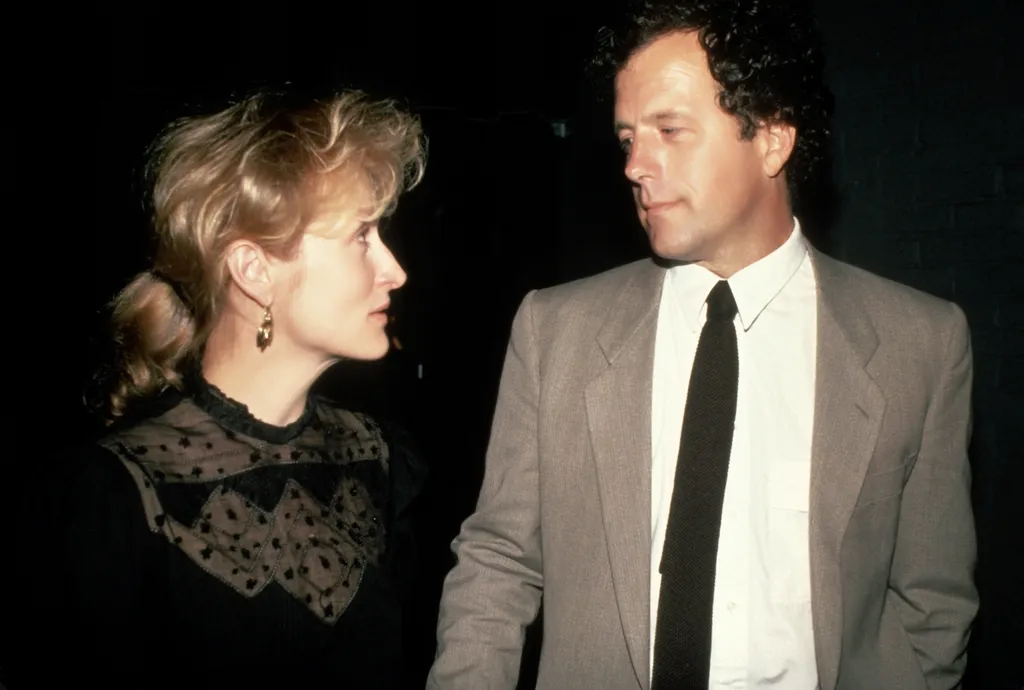
Streep married sculptor Don Gummer in 1978, six months after John Cazale’s death. Together, they raised four children at the Salisbury estate across the subsequent four decades. Specifically, the couple separated quietly in 2017. They announced the separation publicly in 2023. The choice to keep the separation private for six years is itself instructive. Streep has consistently declined to convert family transitions into press cycles. Notably, doing so could have generated significant editorial value at multiple points. Furthermore, the four Streep-Gummer children have each pursued professional lives ranging from acting to modeling to music. Henry, Mamie, Grace, and Louisa each inherited their mother’s deliberate cultivation of family privacy as the structural template.
What She Built: The Net Worth Composition Lesson
The $160 Million Estimate
Current credible estimates place Streep’s personal net worth at approximately $160 million. However, the figure varies across sources from $100 million to $160 million depending on real estate valuation methodology and equity treatment. Specifically, the composition breaks down approximately as follows.
Acting income across career: approximately $80 million in retained capital. The career gross runs north of $300 million across her fifty-year filmography. The retained share reflects standard celebrity tax structures and a conservative reinvestment posture across decades.
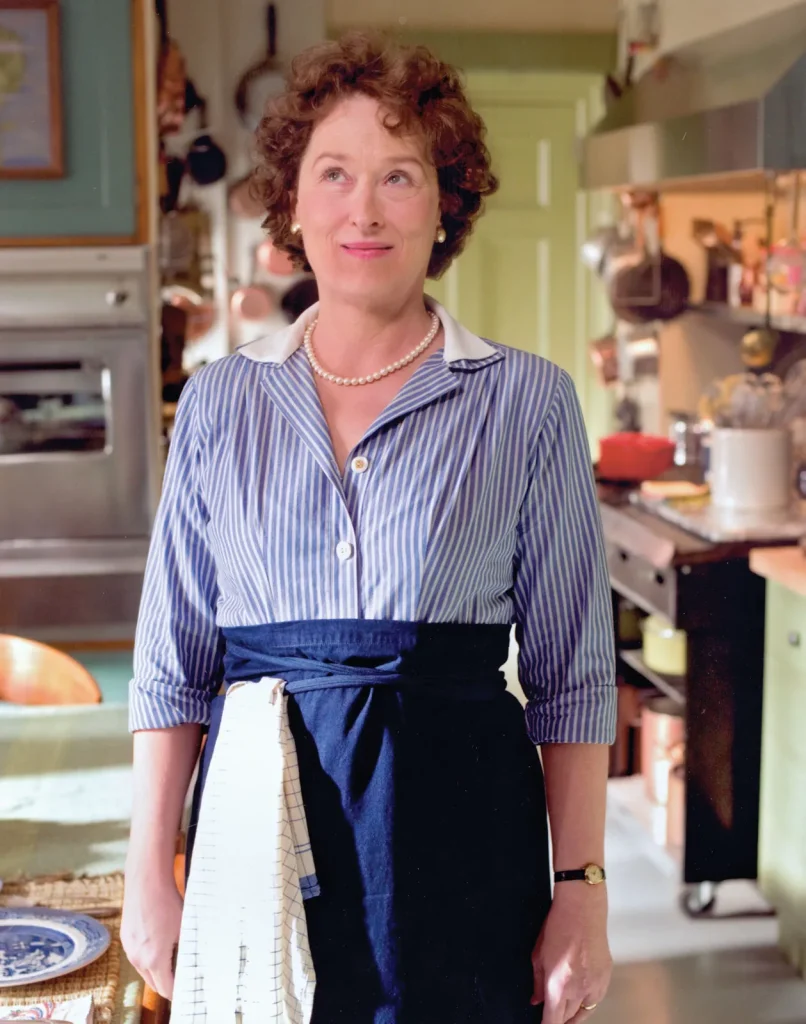
Backend participation and residuals: approximately $30 million across films where Streep negotiated first-dollar gross or favorable backend terms. Specifically, the line includes Julie & Julia, The Devil Wears Prada, and various Nancy Meyers productions.
Real estate: approximately $40 million across the Salisbury estate plus the family’s former Manhattan and Pasadena holdings. Several have been sold across the past decade for high-seven and eight-figure prices. Furthermore, ongoing property investments add to the line. Importantly, the Salisbury estate alone has appreciated dramatically since the 1985 acquisition. Specifically, the appreciation represents a long-tail play that pure-Hollywood real estate would not have produced.
Brand and endorsement income (lifetime): approximately $5 million, concentrated in voiceover work and limited corporate-awareness campaigns. Notably, this column is among the smallest among any major actress at Streep’s tier.
Investment income and other holdings: approximately $5 million across conservatively managed public-market positions and various smaller equity stakes. Streep has reportedly maintained one of the most conservative investment postures of any A-list actress. She has declined the celebrity restaurant ventures, club investments, and private equity opportunities that have destroyed peer net worths.
The Asset Composition Lesson
The portfolio matters because it inverts the standard prestige-actress composition in a specific direction. Most actresses at Streep’s tier hold roughly 15 to 25% of net worth in brand and endorsement income. Streep holds approximately 3%. Most hold significant exposure to celebrity-adjacent business ventures (restaurants, fashion lines, beauty brands). Streep holds essentially none. Specifically, the architecture is conservative to the point of being eccentric. The trade-off is durability. Streep’s net worth has compounded steadily across forty years. Notably, the path avoided the volatility most peer portfolios have experienced. The same structural lesson appears across the cluster. Specifically, Daniel Radcliffe’s West Village walkup posture and Russell Crowe’s Australian rural reinvestment thesis demonstrate it. Restraint, executed across enough years, beats accumulation.
The Soft Landing: What Streep’s Brand-Asset Refusal Teaches
Three Lessons From Fifty Years Of Saying No
First, the highest-value brand asset may be the one that never signs. Streep’s refusal to participate in the formal endorsement economy is not a gap. Specifically, the refusal is not a hole in her commercial strategy. The refusal is the strategy. Specifically, brand founders should pay close attention to a specific signal. The figures who have declined every major offer carry a different kind of brand value. Notably, the no-deal pattern correlates with long-tail career durability. The pattern holds across every tier of the entertainment industry.
Second, prestige optimization is path-dependent. The actress who signs the Dior deal at thirty-five and the actress who declines every Dior-equivalent at thirty-five are running different optimization functions. Portman and Streep illustrate the divergence on the same prestige asset. Both produce significant net worth. The Portman path produces faster compounding and smaller volatility on the brand-asset side. The Streep path produces slower compounding. However, it preserves longer-lasting access to the highest-tier acting roles. Furthermore, both are valid strategies. The choice between them is a question of what the talent values. Specifically, neither is universally better.
The Counterexample The Cluster Needs
Third, the placement economy works in both directions. Most articles in this cluster have argued why brands should sign celebrities and why celebrities should structure those signings carefully. Specifically, the case studies across the cluster have demonstrated how deal-structure decisions compound. Pierce Brosnan, Jessica Alba, Portman, Radcliffe, and Crowe each illustrate the pattern. Streep’s case demonstrates the inverse argument. The talent who refuses all formal placements may capture more cumulative value. Specifically, refusal can outperform signing the right deals across long enough horizons. The reason is structural rather than personal. Refusal preserves optionality. Optionality, executed across enough years, becomes its own asset class.
The Thesis That Outlasts the Career
Streep’s case is instructive because it forces the cluster’s central question into starker relief. The placement economy is a real economy. Specifically, brands and talent exchange value through deal structures that compound across decades. Yet the placement economy is not the only game available to the talent. The talent who declines to play that game can build a different kind of career. The alternative anchors in salary participation, role selectivity, and the long-arc compounding of cultural authority.
Streep is the case study for that second game. Her career demonstrates that it produces outcomes commensurate with the first. The wider biographical arc is covered in the companion piece. Specifically, that piece covers the family architecture and the Cazale chapter that opens her story. This article exists to add what that piece does not. The brand-asset paradox at the center of Streep’s career is itself the lesson worth carrying out of her fifty years.
Related Reading
- Meryl Streep Net Worth 2025: The Gawky Girl from Jersey Who Became the Greatest Actress Alive
- Hollywood’s $26 Billion Hidden Economy: How Product Placement Built Modern Stardom
- Joaquin Phoenix Net Worth Strategy: $80M Auteur Economics Of Joker
- Ralph Fiennes Net Worth: How Voldemort And Bond Funded A $50M Director’s Career
- Natalie Portman Net Worth: How Dior’s 15-Year Contract Built $90M
- Broadway And Tentpole: How 6 Stars Built Eight-Figure Wealth Running Both Lanes
How To Work With Social Life Magazine
A fish does not notice the water. A reader does not notice the placement. That is the entire point. Furthermore, it is the entire opportunity for the brand founder who has just finished reading an article and is, without having fully realized it yet, about to scroll down and click one of the following five links.
Six Ways To Connect
If you are a brand, a founder, a creative director, or an in-house marketing lead who has read this far and would like to be considered for an editorial feature in Social Life Magazine’s print or digital ecosystem, the editorial team reviews brand submissions year-round. Pitch us at sociallifemagazine.com/contact.
If you are a brand with a ready-to-run campaign and would like to move faster than the traditional editorial cycle, the Paid Feature program offers three tiers of guaranteed placement across Social Life Magazine’s digital properties, with pricing starting at $975. Full details at sociallifemagazine.com/submit-a-paid-feature/.
Every piece Social Life Magazine publishes reaches an email list of 82,000 pre-qualified affluent readers. The majority summer in the Hamptons and spend the off-season in Manhattan’s core luxury zip codes. The email blast is the single most efficient distribution mechanism in the Hamptons editorial ecosystem. Inquire about placement at sociallifemagazine.com/enflyer.
Events, Print, And Independent Editorial
Polo Hamptons 2026, Social Life Magazine’s flagship event property, returns for its 17th year in July and August 2026. Platinum, Gold, and Corporate Cabana sponsorship packages are available for select categories (automotive is locked by BMW North America, real estate is at capacity, all other categories open). Demographic data, sponsor decks, and custom activation proposals available at polohamptons.com.
Social Life Magazine’s print edition, now in its 23rd year, distributes 25,000 copies per summer issue across Westhampton, Southampton, Bridgehampton, East Hampton, Sag Harbor, Amagansett, and Montauk boutiques, restaurants, and private clubs. Annual subscriptions, including fall/winter Upper East Side doorman distribution, available at sociallifemagazine.com/subscription.
If you’d like to support independent luxury editorial in the age of AI-generated content farms and private-equity-owned media conglomerates, donations to Social Life Magazine’s editorial operations are received via PayPal. Every dollar funds original reporting, photography, and the kind of writing that brands send their marketing teams to study.
Author

Written by
Recent Posts
Legal Options for Investment Fraud Claims

How Custom DTF Printing Adds Ease and Color to Your Boutique
How Often Should You Actually Replace Your Towels?
Apartment Pet Policies: What to Know as a Pet-Owning Tenant
Why Reliable Airport Transportation Matters for Modern Travelers
Categories
- Art
- Articles
- Business of Luxury
- Celebrities
- Culture
- Entertainment
- Events
- Faces of Summer 2026
- Fashion
- Fashion & Style
- Featured
- Finance
- Food, Spirits, Wine
- Hamptons
- Hamptons Celebrities
- Health
- Health & Beauty
- Lifestyle
- Luxury Lifestyle
- Press
- Profiles
- Real Estate
- Technology
- The Chronicles
- Travel
- Uncategorized
- Weddings